
AAPOD2 Image Archives
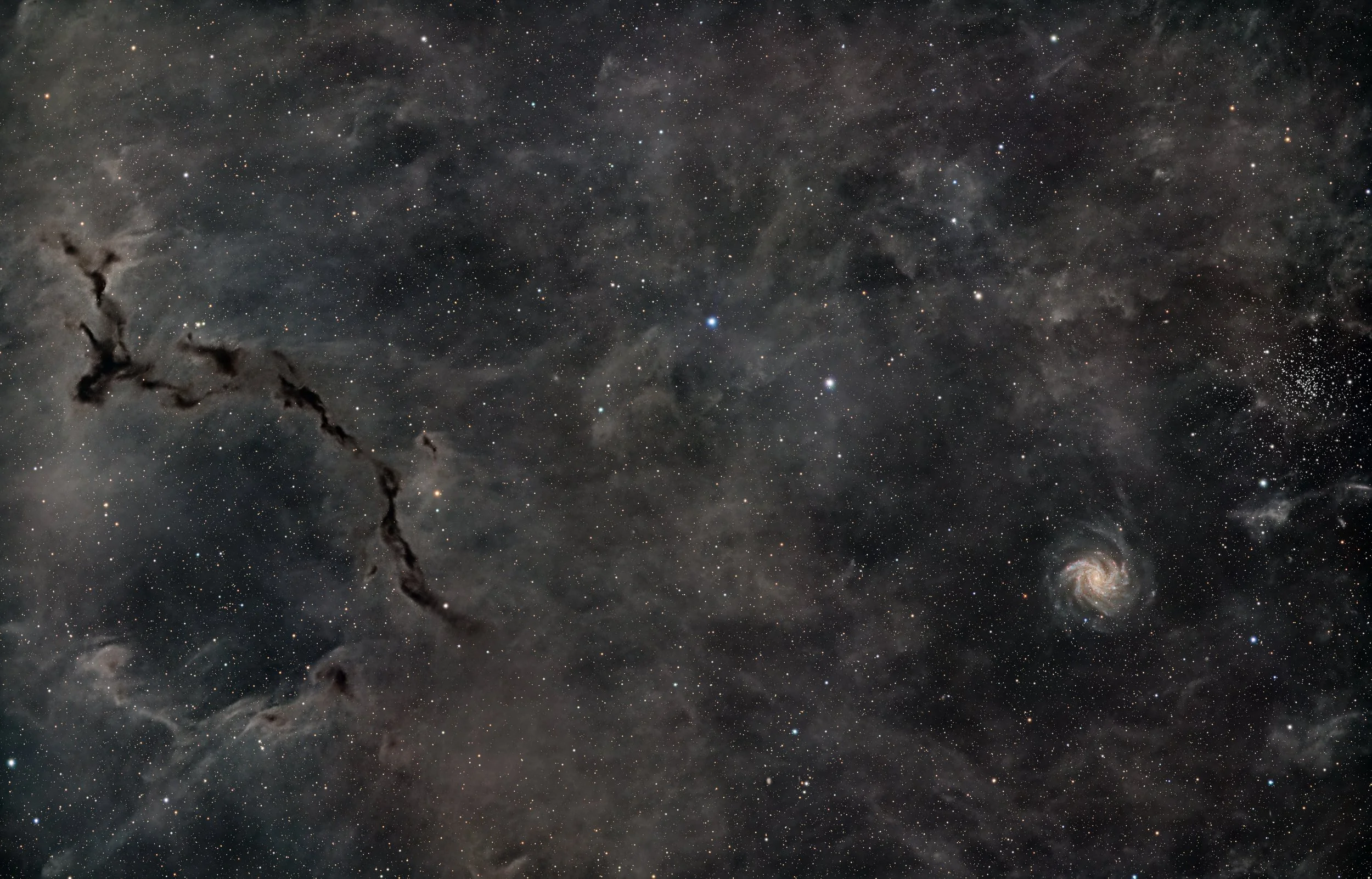
Fireworks Galaxy, Seahorse Nebula, and NGC 6939
This wide-field image beautifully frames three distinct astronomical objects in the constellation Cepheus. Near the center-right lies the Fireworks Galaxy (NGC 6946), a face-on spiral galaxy located about 22 million light-years away and known for its frequent supernova activity, ten have been recorded there in just the past century. Just above it, to the right, sparkles the open star cluster NGC 6939, a dense collection of young stars roughly 3,800 light-years from Earth.
On the left side of the image, the dark, snake-like shape of the Seahorse Nebula (LDN 1251) winds through the faint glow of the Integrated Flux Nebula (IFN), a tenuous mix of dust and gas reflecting starlight from our galaxy. The scene is a compelling blend of deep-sky structure and scale, bridging the contrast between nearby galactic cirrus and distant stellar metropolises.
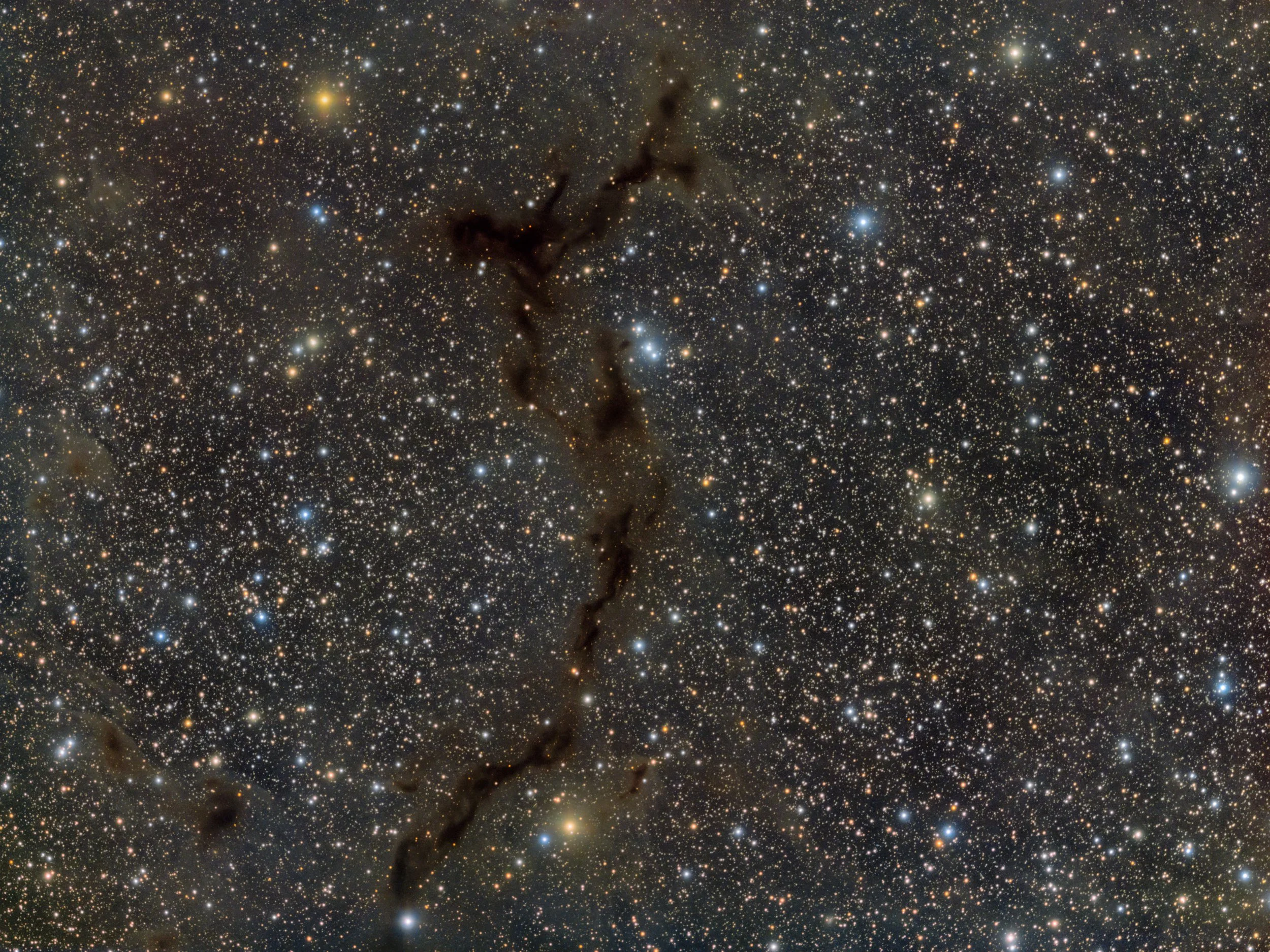
The Seahorse Nebula
Image Description and Details : This dark nebula lies at a distance of 1200 light-years from Earth in the Constellation of Cepheus. Because the nebula is in the Milky Way's plane it stand outs from the background filled with colourful stars of our galaxy, a keen eye can also distinguish three separate dense dust cores that actually are star formation regions.
Taken from my self-built remote observatory in Finland with SkyWatcher Esprit 100mm f/5.5, ZWO ASI1600MM-C, Losmandy G11, guided with ASI224MC as finder-guider, TS Optics LRGB filters.
L: 262x120s, R: 92x120s, G: 100x120s, B: 80x120s.
Total integration time is ~18 hours.
Copyright: © Ville Miettinen
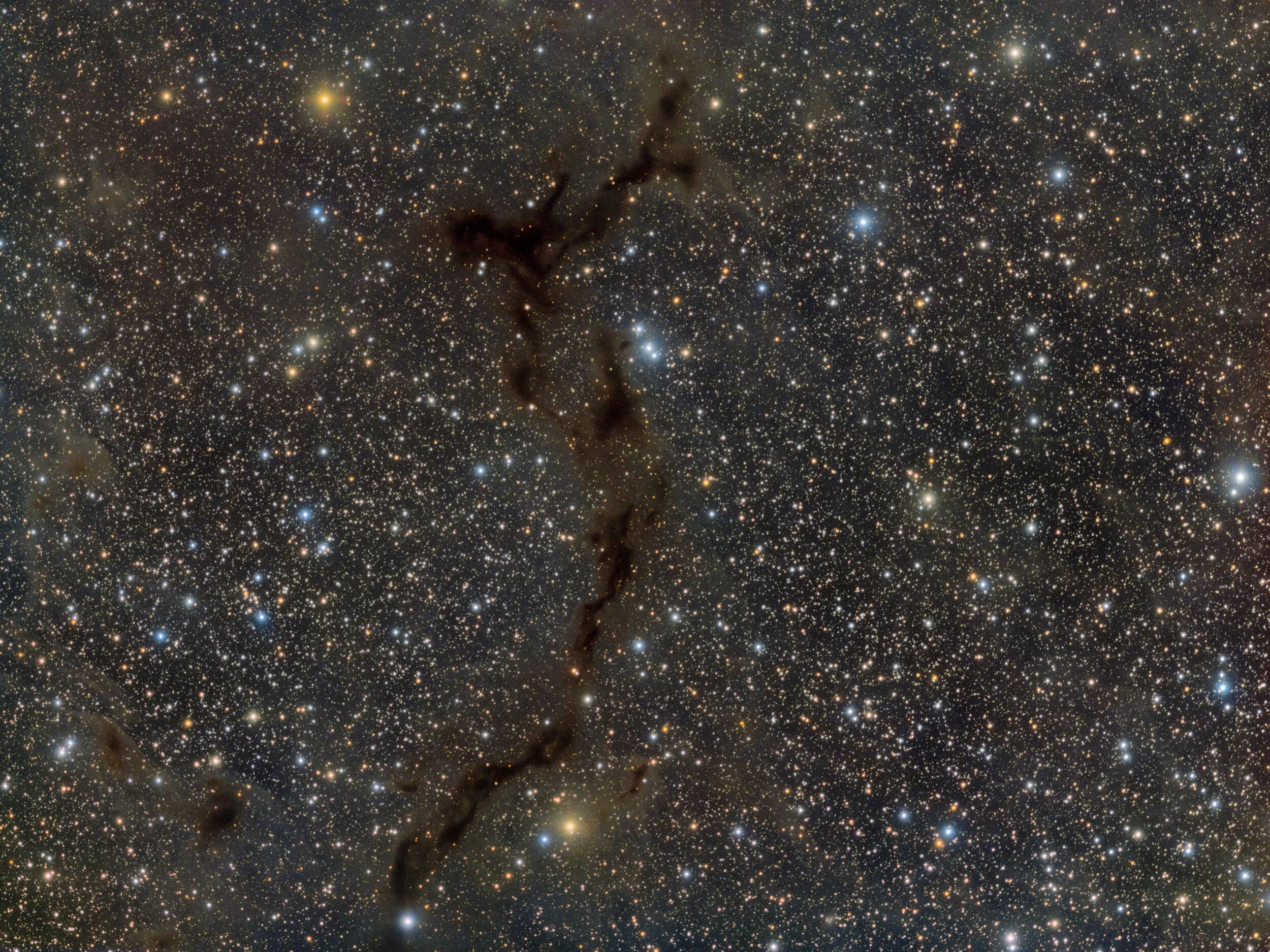
Barnard 150 - The Seahorse nebula
Image Description and Details : This dark nebula lies at a distance of 1200 light-years from Earth in the Constellation of Cepheus. Because the nebula is in the Milky Way's plane it stand outs from the background filled with colourful stars of our galaxy, a keen eye can also distinguish three separate dense dust cores that actually are star formation regions.
Taken from my self-made remote observatory in eastern Finland with SkyWatcher Esprit 100mm f/5.5, ZWO ASI1600MM-C, Losmandy G11 guided with ASI224MC as finder-guider, TS Optics LRGB filters.
L: 262x120s, R: 92x120s, G: 100x120s, B: 80x120s.
Total integration time is ~18 hours.
Copyright: © Ville Miettinen