
AAPOD2 Image Archives
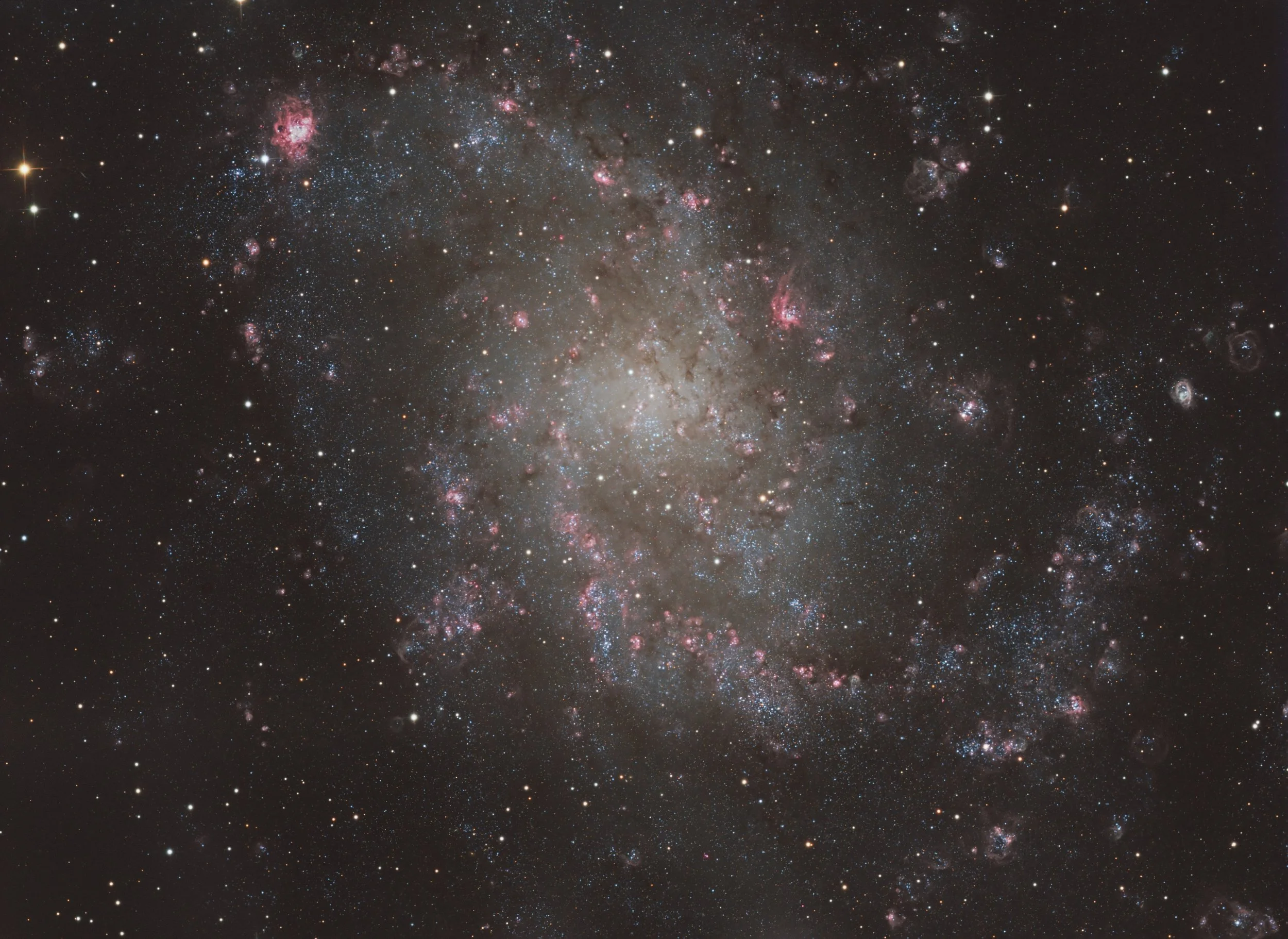
The Triangulum Galaxy (M33) from Fregenal de la Sierra, Spain
Captured under the dark skies of Fregenal de la Sierra, Spain, this deep exposure reveals the Triangulum Galaxy (M33) in remarkable detail. At a distance of about 2.7 million light-years, M33 is the third-largest member of the Local Group after Andromeda and the Milky Way. The image shows its loosely wound spiral arms traced by glowing H II regions, blue star-forming clusters, and intricate dust lanes extending from the bright core. The subtle pinkish patches mark vast clouds of ionized hydrogen where new stars are being born.
Using a 20-inch Ritchey-Chrétien telescope, a total of 21 hours and 40 minutes of LRGB and Hα data were gathered through 10-minute guided exposures. This long integration highlights the galaxy’s faint outer arms and extended halo structure, bringing out M33’s complex web of emission nebulae and delicate color gradients. The result offers a vivid portrait of one of the nearest and most photogenic spiral galaxies beyond our own.

Sh2-115
Image Description and Details : Sh2-115 is a faint emission nebula in Cygnus, just about 1.5 degrees northwest of Deneb, the brightest star of the constellation. Inside Sh2-115 can be found the small open cluster Berkeley 90 . For long time Sh2-116 has been considerd a planetary nebula (even has its proper designation Abell 71, PK 085+04.1,or PN G084.9+04.4). But the recent studies describe it as a small patch of emission nebula Astrosib RC 20"+camera FLI Kepler 4040 cmos HOOrgb=19h06 no guiding The SkyX + Pixinsight + Photoshop From E-eye (Fregenal de la sierra, Spain)
Copyright: Georges Chassaigne
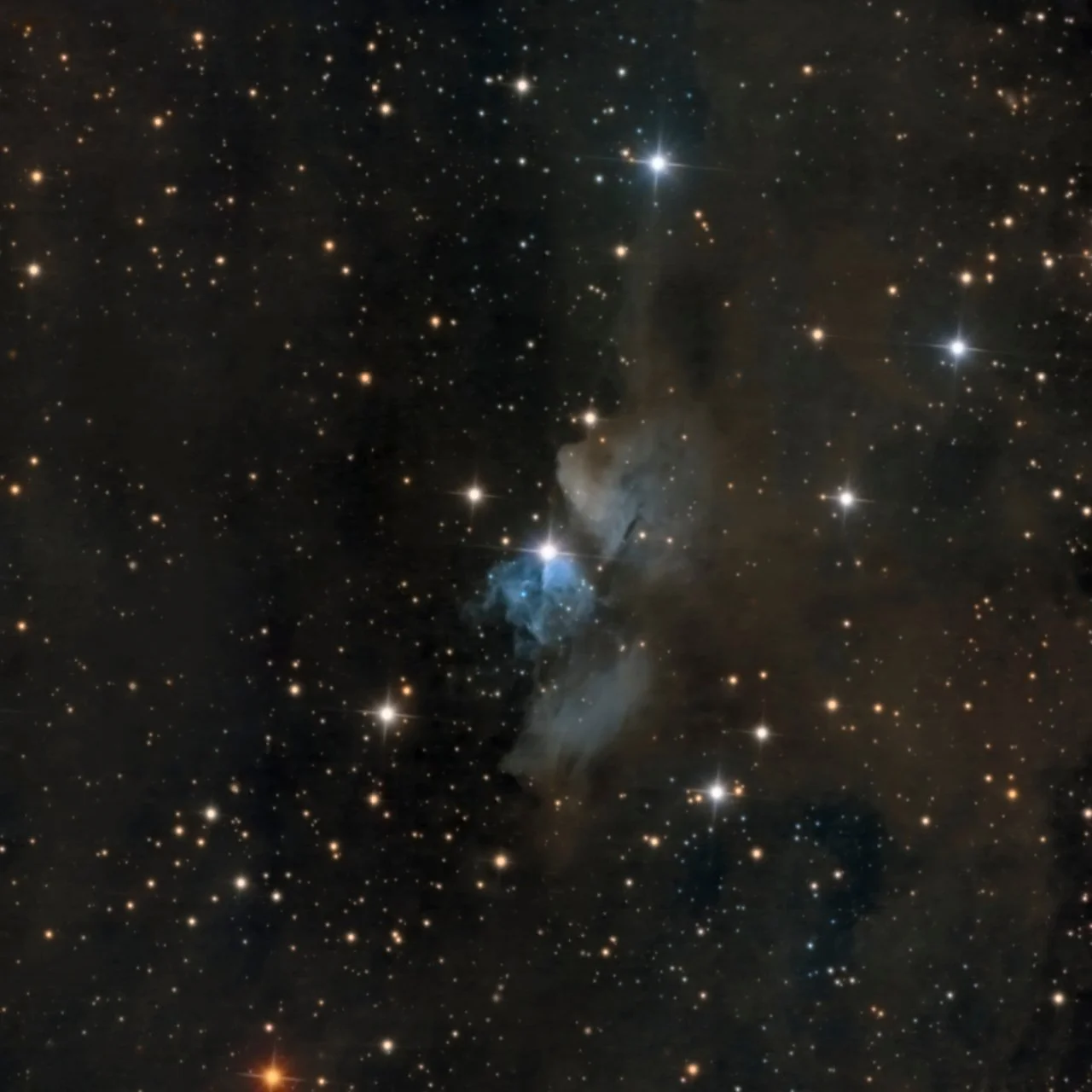
vDB 24
Image Description and Details :
vdB 24 is a reflection nebula in the constellation of Perseus. It is illuminated by the luminous and variable star 'XY Per', which is the bright star just below the blue nebulosity near the center of the image. vdB 24 is embedded in a larger dark nebula called LDN 1442, which can be seen as the brownish gas
Telescope Astrosib 20" + camera FLI Kepler 4040 cmos
Total=36h50mn
CCDautopilot +Pixinsight
From E-eye my remote observatory in Spain
Copyright: Georges Chassaigne
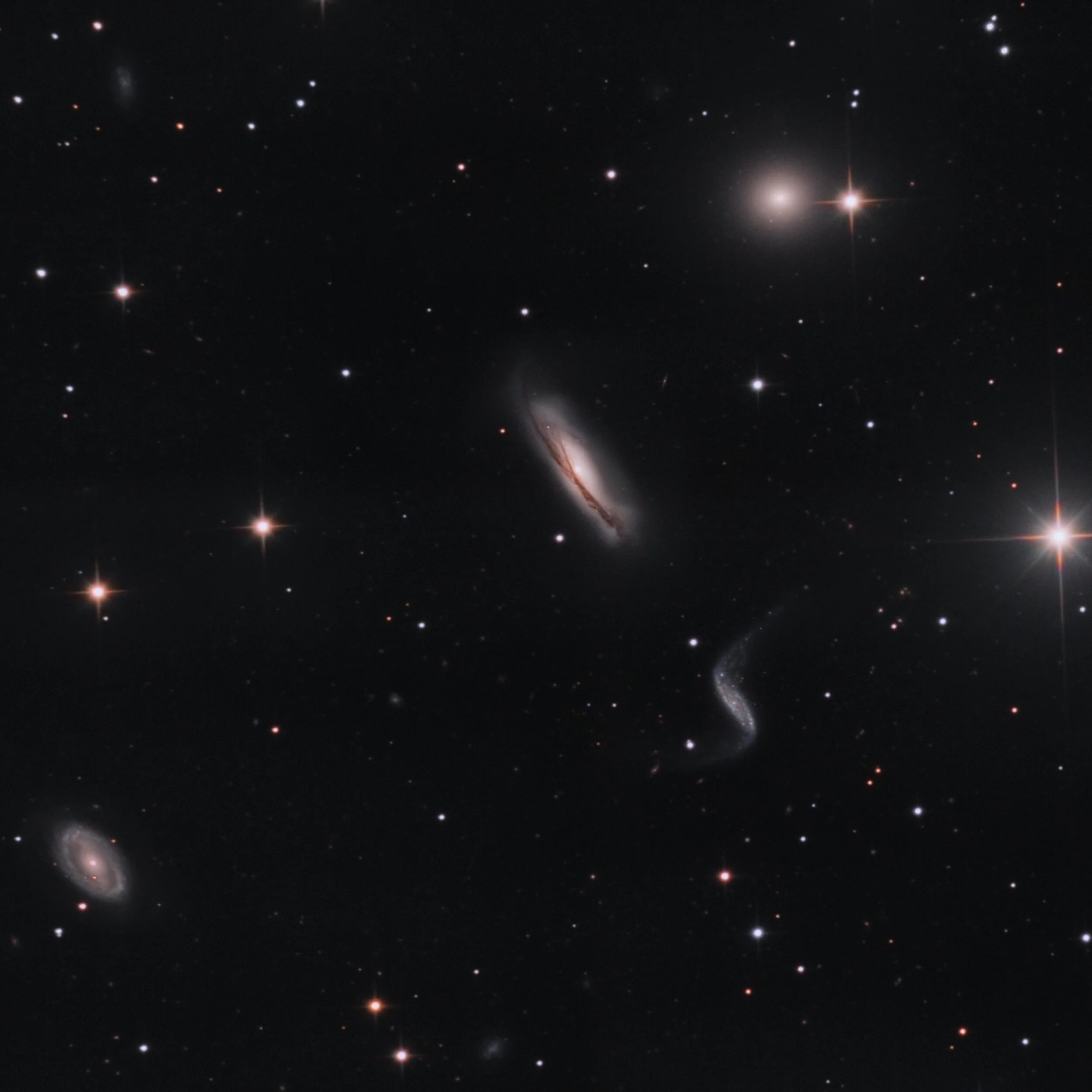
ngc 3189/90
NGC 3189 is situated close to the celestial equator and, as such, it is at least partly visible from both hemispheres in certain times of the year.
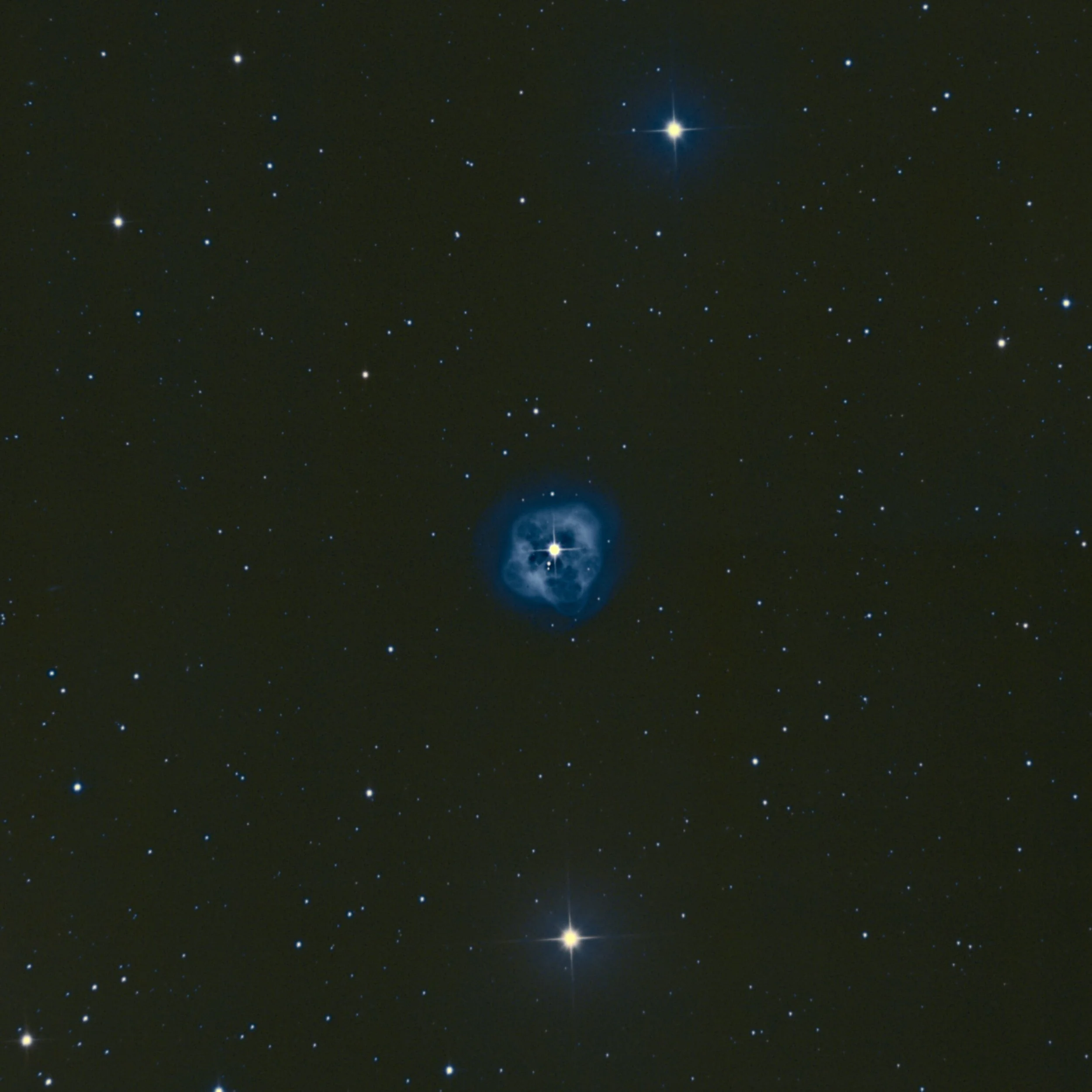
ngc 1514 Crystal ball nebula
Image Description and Details :
It was discovered by William Herschel on November 13, 1790, describing it as "a most singular phenomenon" and forcing him to rethink his ideas on the construction of the heavensTelescope Astrosib RC 20" + camera FLI Kepler 4040Total HaLRGB=32h57mn each frame 3mn,no guidingThe skyX + Pixinsight In remote from fregenal de la sierra (Spain)
Copyright Information: Georges Chassaigne