
AAPOD2 Image Archives

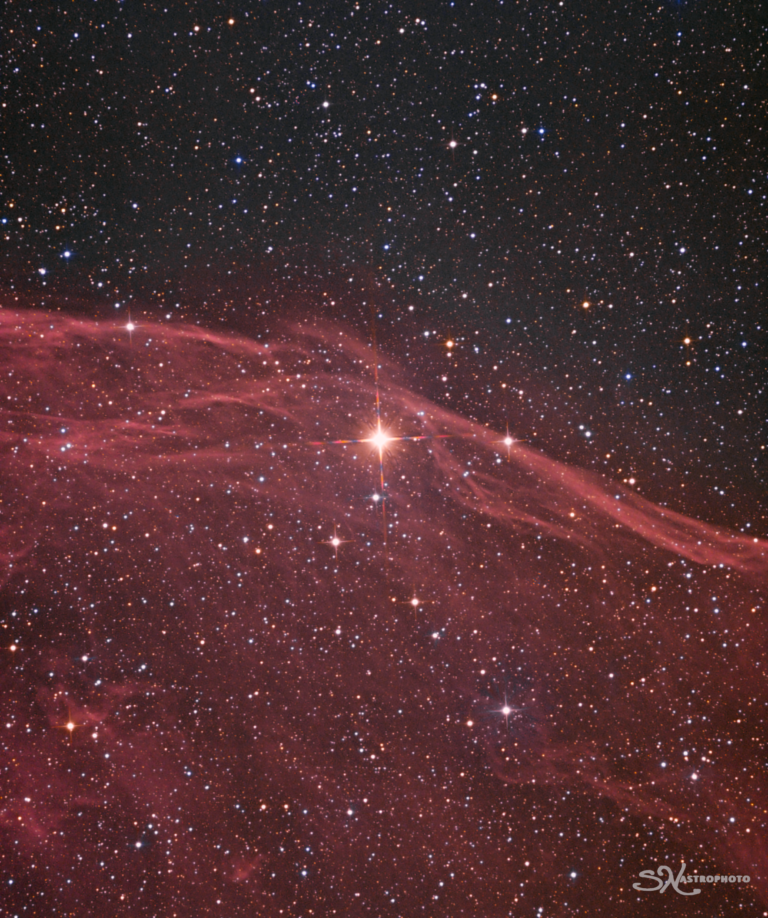
Sharpless 171
Acquired in suburban backyard Magnolia, TX USA, June 28-October 23, 2019
Equipment: Sky-Watcher Esprit 150mm ED APO, FLI ML16200, Astro-Physics 1100GTO
Chroma Ha 3nm, Chroma OIII 3nm, Chroma SII 3nm
Software: Sequence Generator Pro, PHD2, PixInsight
Resolution: 4402x3517
Integration: 59.2 hours
Ha: 78x900" -25C 1x1
OIII: 79x900" -25C 1x1
SII: 80x900" -25C 1x1
Pixel scale: 1.148 arcsec/pixel
Field radius: 0.898
Copyright: © John Renaud
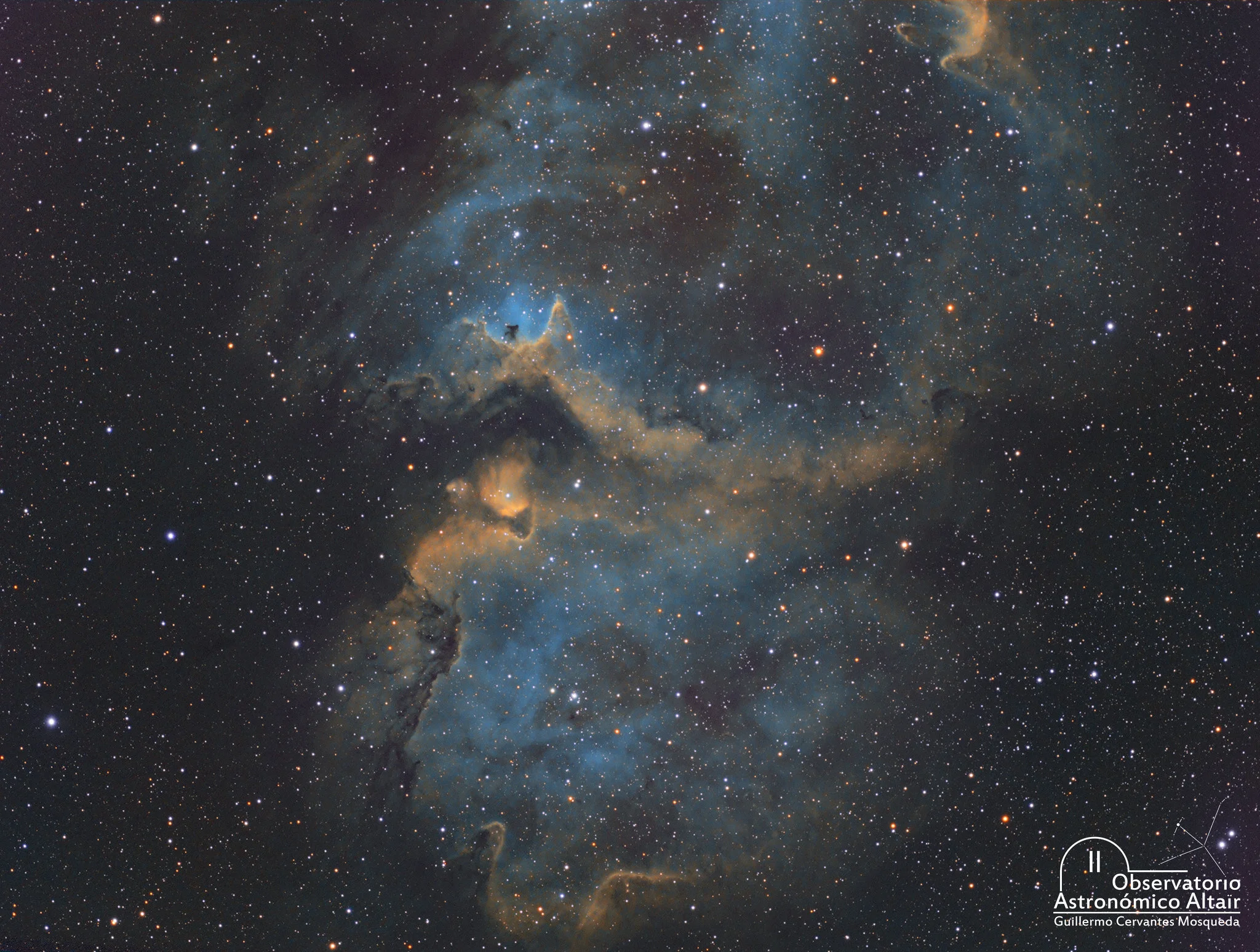
IC 1848: The Soul Nebula
Takahashi FSQ106 EDX3
ZWO ASI1600MM-C
Baader Ha (7nm), OIII (8.5nm) SII (8nm)
Guia 50 mm. + Orion Starshoot Autoguider
Celestron CGEM
Ha: 60x300s
OIII: 60x300s
SII: 40x300s
Temperatura Sensor: -10°C
F: 5
Captura: Sequence Generator
Procesado: Pixinsight 1.8 + Darktable
Guillermo Cervantes Mosqueda
Observatorio Astronómico Altaír
Poncitlán Jalisco México
Copyright: Guillermo Cervantes Mosqueda
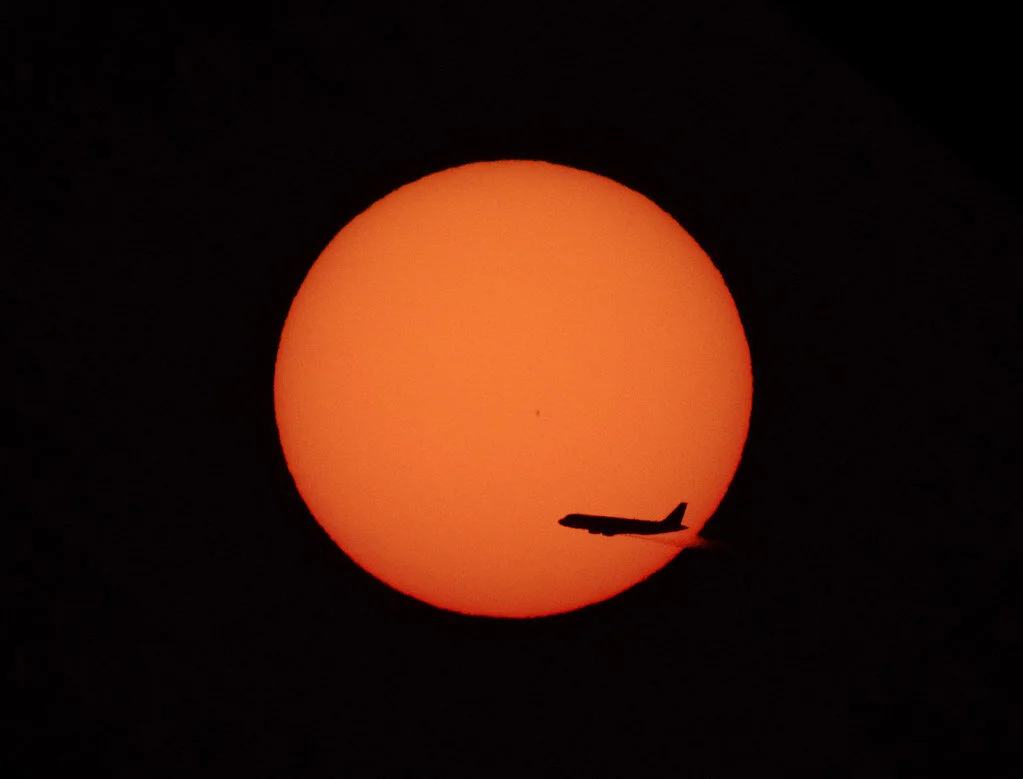
Summer flight
An airplane flies in front of the solar disk while the Sun begins to awaken its activity with AR 2757 in the center; a small sunspot, small in apparent size but as large as Earth.
To take this picture, the summer season is expected and the sunset and takeoff of the planes are calculated (every 10 minutes).
Santiago de Chile.
Telescope: Explore Scientific Triplet Aprochromatic Refractor ED 102 mm
Mount: IOptron iEQ 30 Pro
Solar filter Spectrum Telescope
f/7
714 mm focal length
1/500
ISO 800
Copyright: Luis Rojas M.
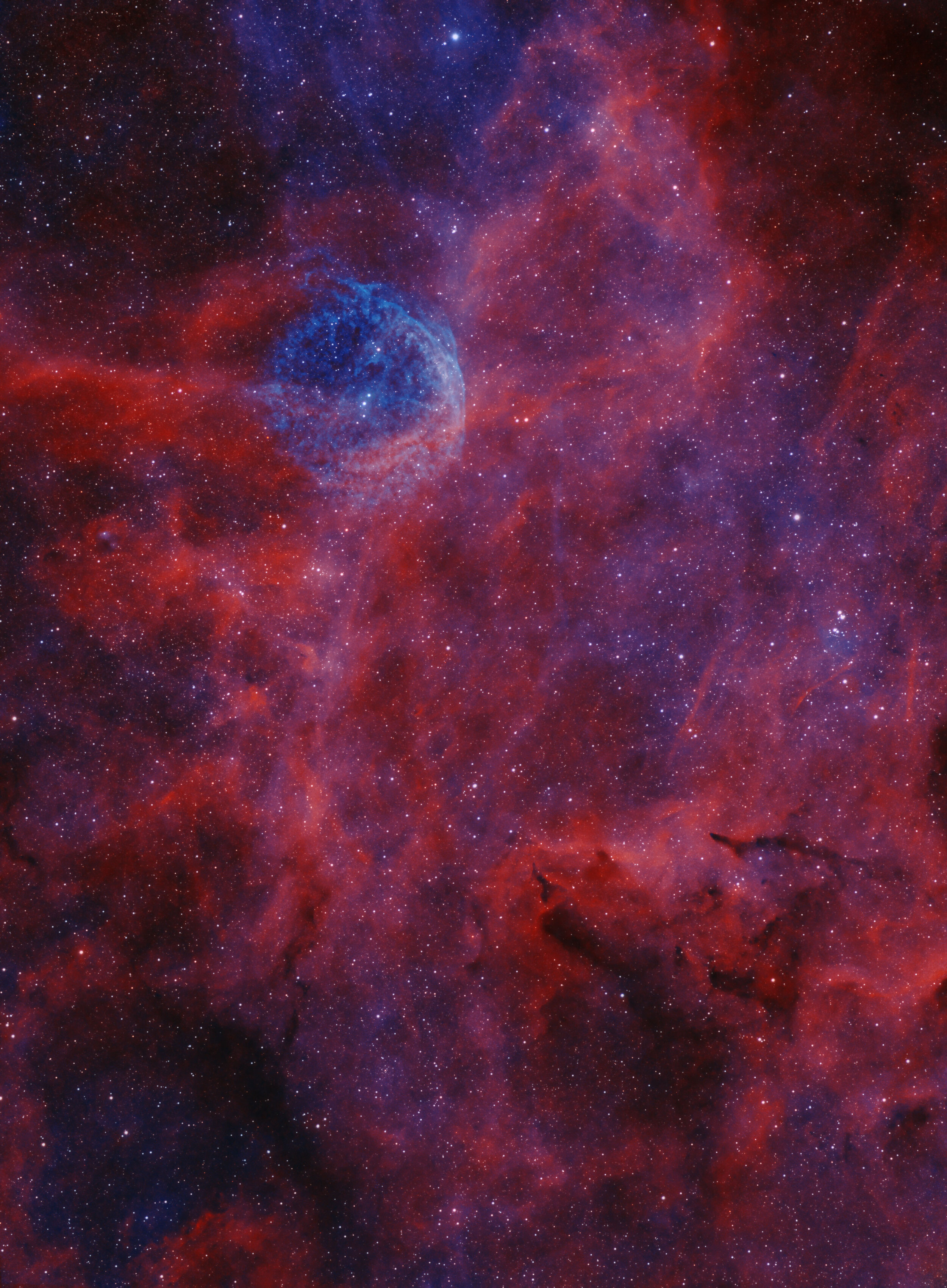
WR134 - Full Shell
EQUIPMENT DATA:
Telescope: Borg 101ED f/4
Mount: Skywatcher HEQ5 (Rowan Belt Mod)
Camera: QHYCCD 163M
Filters: Optolong HORGB + IDAS LPS-P2 + WO VR1
Guide Scope: DIY Guidescope 43mm f/3
Guide Camera: QHY 5R-II
ADQUISITION DATA:
Location: Castillo de Villamalefa & Barcelona
Date: Summer 2019
Resolution: 1.87″/pixel
Guiding Performance: 1” RMS (average)
Exposures: (Gain 174 / Offset 77 / Bin 1×1)
H: 7.5h (91x300s)
O: 26.5h (319x300s)
R: 2.5h (81x120s)
G: 2.5h ( 81x120s )
B: 2h ( 66x120s )
Sensor Temperature: -10C
50 Flats (From Library)
50 Darks (From Library)
No Bias
Total Integration Time: 41h
Copyright: Alberto Ibañez
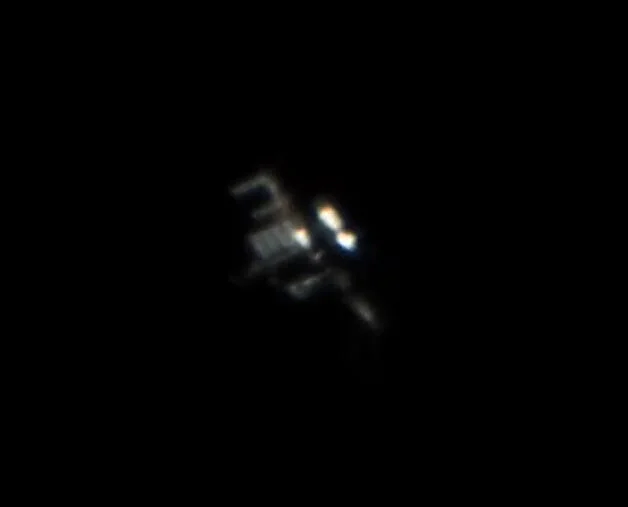
International Space Station Flyover
International Space Station captured on 20.1.2020 just after the sunset.
Elevation was roughly 50 degrees above the horizon so it was decent enough to get some sharp views, In this video, you can see the change of its orientation from SouthWest to North East, as it changes all the parts are clearly visible including solar panels and Modules
As usual, I tracked it with Edge HD 11" manually with my hand and stabilized the video in PIPP.
Equipment : Edge HD 11" - Zwo 290MC
Location: Mleiha, UAE
Copyright: Prabhu S Kutti
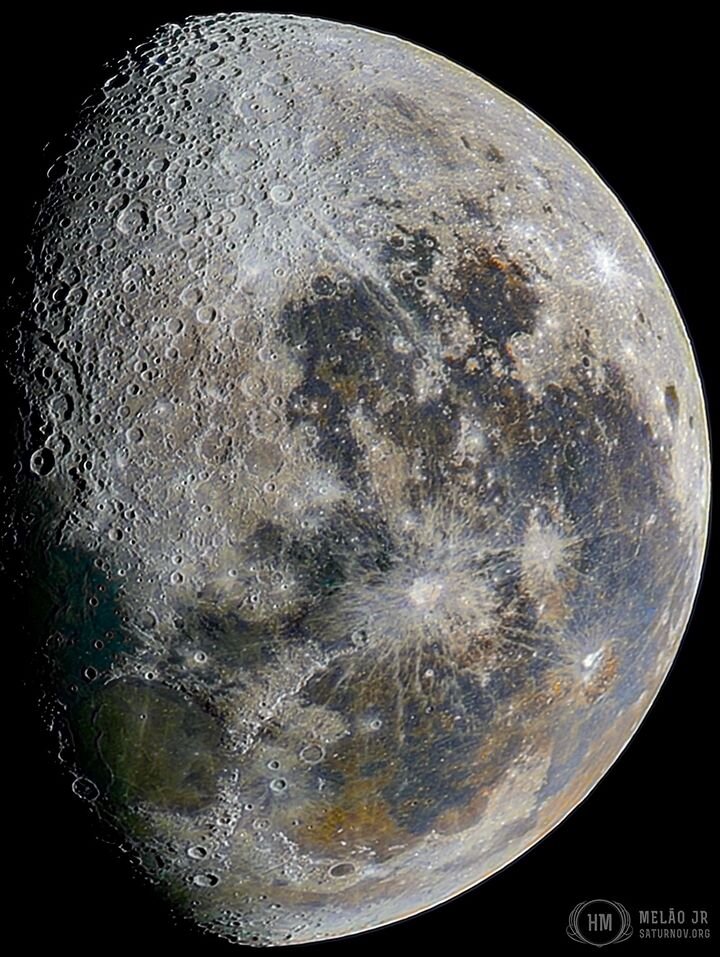
Colors of the Moon
Image Description and Details :
Celestron 102 GT
Sony A7R II
Teleconverter Kenko 3x
40 frames ISO 50, 1/40s,
Copyright: Hindemburg Melao Jr
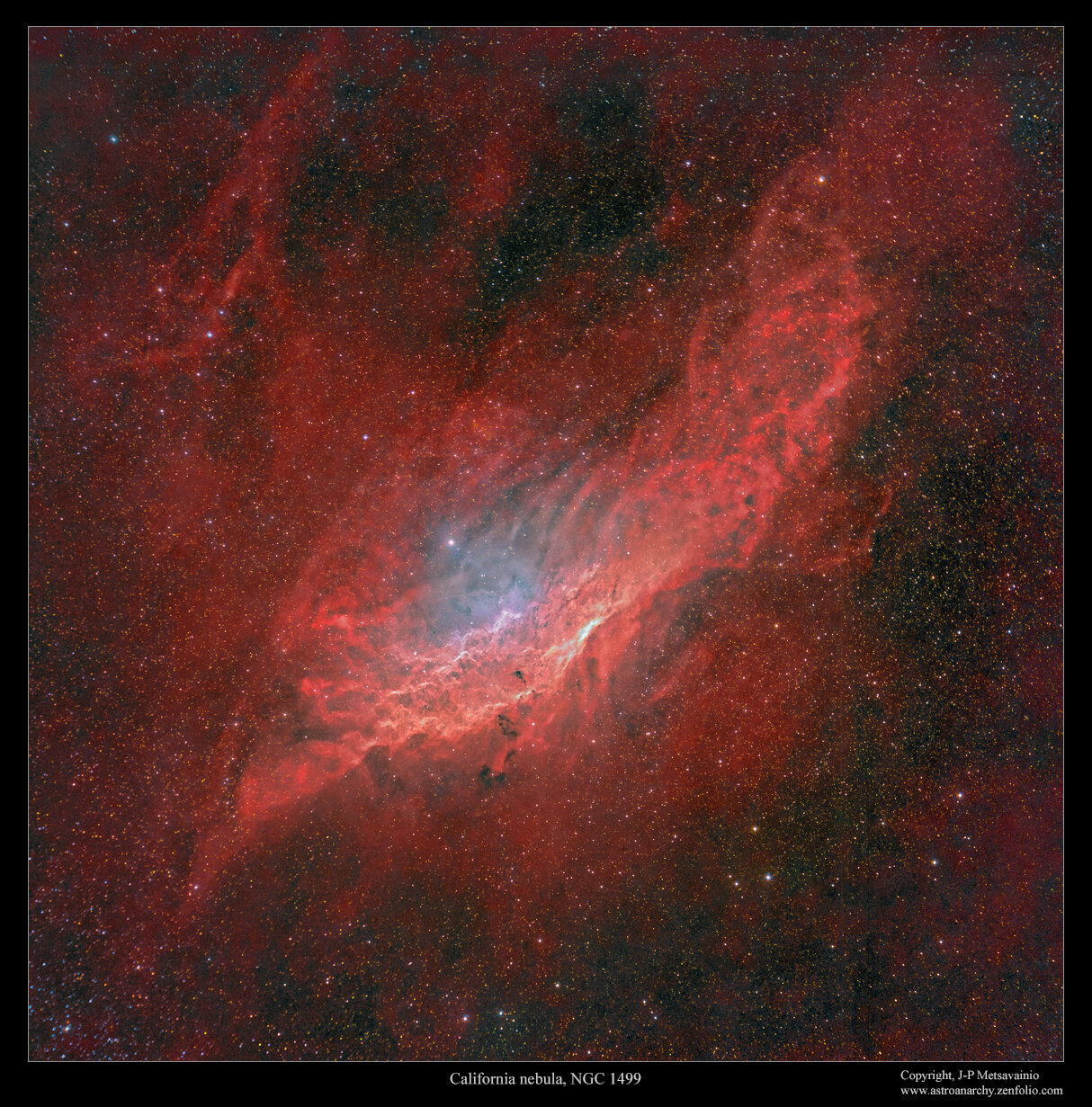
California Nebula, NGC 1499
The California Nebula is an emission area located in constellation Perseus. It appears to resemble outlines of State of California on long exposure photographs, like this one. It has a very low surface brightness and it's very difficult to observe visually. Distance from my hometown Oulu, Finland, is about 1000 light years.
Technical details
Processing workflow
Image acquisition, MaxiDL v5.07.
Stacked and calibrated in CCDStack2.
Deconvolution with a CCDStack2 Positive Constraint, 33 iterations, added at 50% weight
Color combine in PS CS3
Levels and curves in PS CS3.
Imaging optics
Tokina AT-x 300mm f2.8 camera lens
Mount
10-micron 1000
Cameras, filters and guiding
Imaging camera Apogee Alta U16 and Apogee seven slot filter wheel
Guider camera, Lodestar x 2 and an old spotting scope of Meade LX200
Astrodon filters,
5nm H-alpha 3nm S-II and 3nm O-III
Total exposure time
H-alpha, 7 x 1200 s, binned 1x1 = 2 h 20 min.
O-III, 2x 1200 s, binned 2x2 = 40 min==
Copyright: J-p Metsavainio
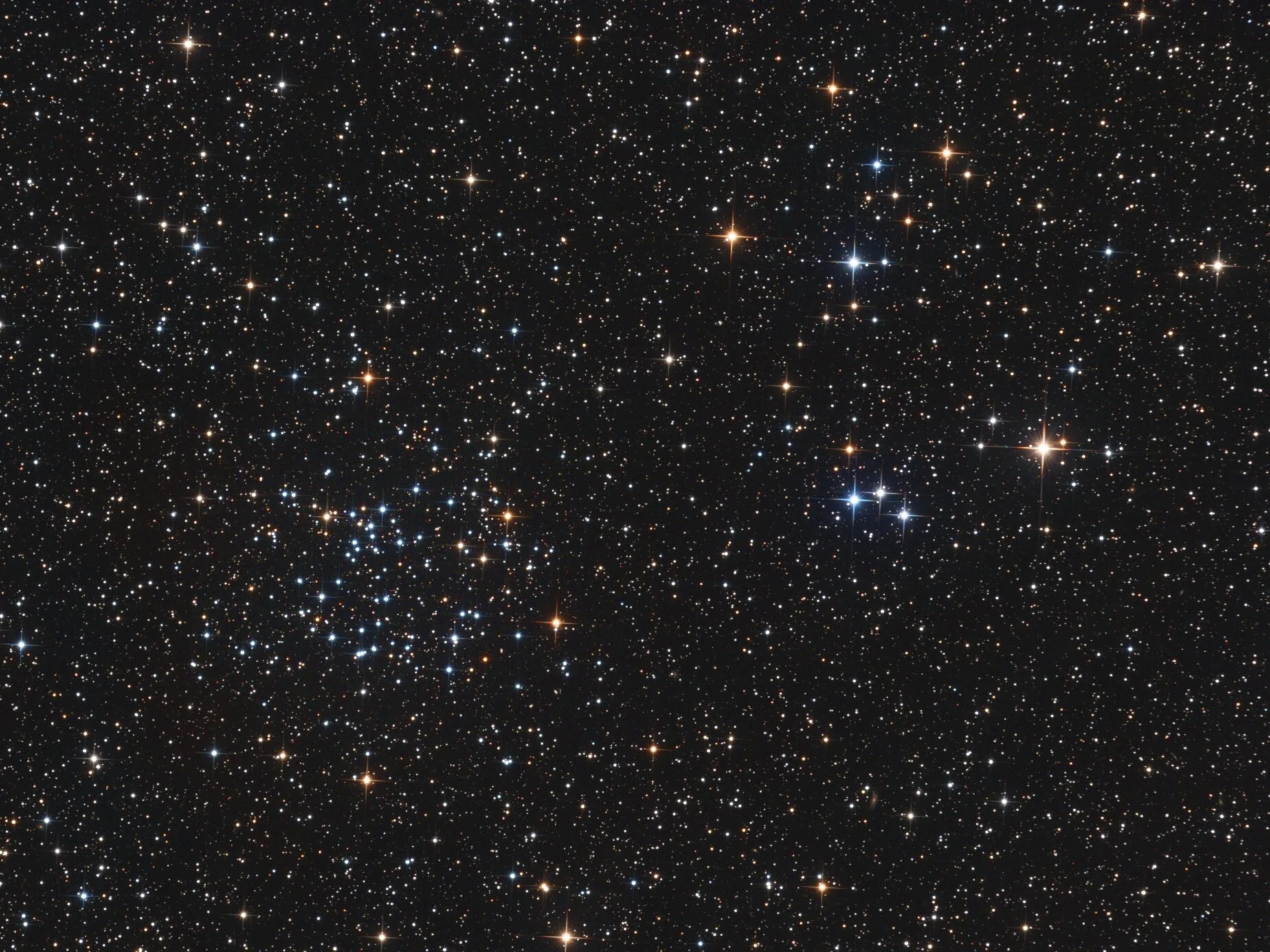
NGC 6811 - an open clusters in the constellation Cygnus
NGC 6811 is the cluster of weak stars in the left part of the image, though the bright stars in the upper right corner are more prominent.
Trumpler classification: IV 3 p
Stars: 70
Size: 13'
brightest Star: 9.9 mag
Telescope / Camera: LACERTA Newton 10"/f4 / Moravian G2 8300 mono
Exposure: L/R/G/B 4h 50min
Location: Inzersdorf im Kremstal / Austria
Copyright: Herbert Walter
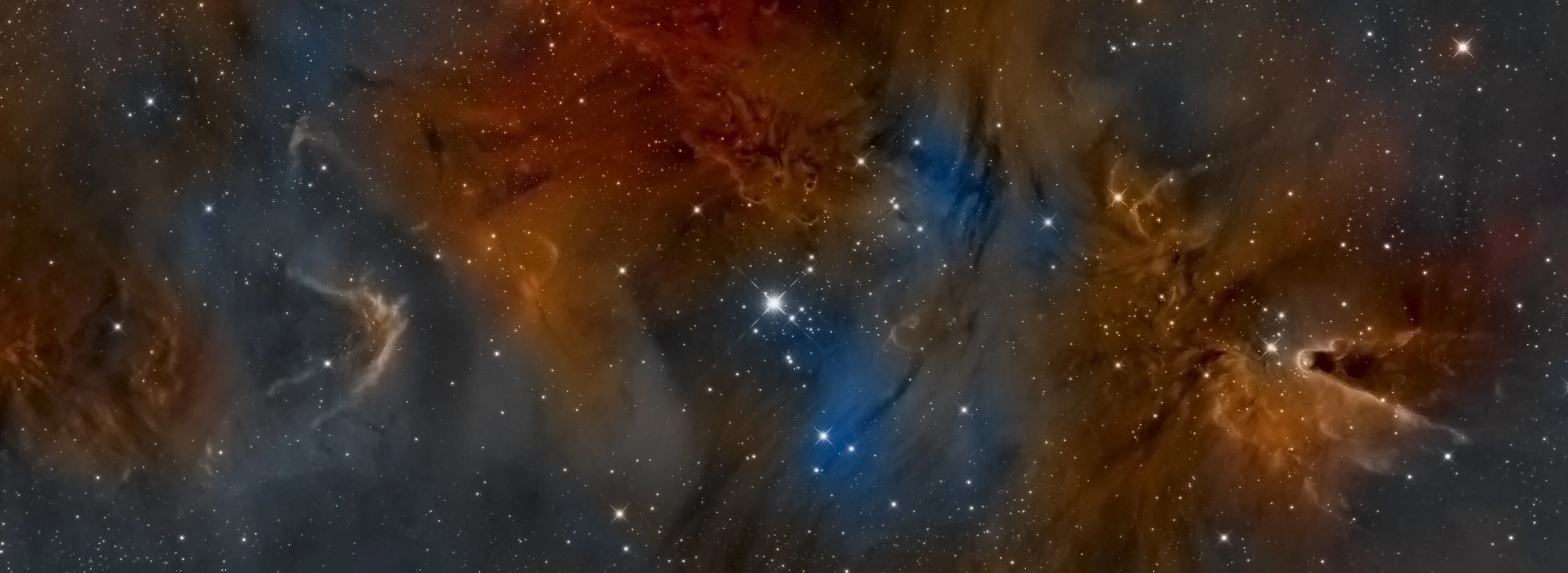
Cone Nebula
This image is composed of 3 tiles, in it we can see several nebulae, including the cone nebula, the fox fur nebula and the cumulus of the Christmas tree. This area is located in the constellation of Monoceros, about 2700 light years from Earth.
This image consists of 35 images in Ha from 900" to bin2 x3 and 10 to 900" for OIII and SII to bin2 x3.
Equipment:
Telescope RC10 Truss GSO
Camera CCD Atik16200
Mount Mesu 200
Set filter narrowband Baader 2"
Camera guide Lodestar x2
Guidding with OAG by TS
Copyright: Juan Ignacio Jimenez cuesta

VDb141
TSA 102 f/6
AZEQ6
CCD Atik One 6
Guiding : Atik OAG + Atik GP
Astronomik Filters
L : 8h15
RGB : 1h45
Processing : Pixinsight + PS
Copyright : Jean-Baptiste Auroux
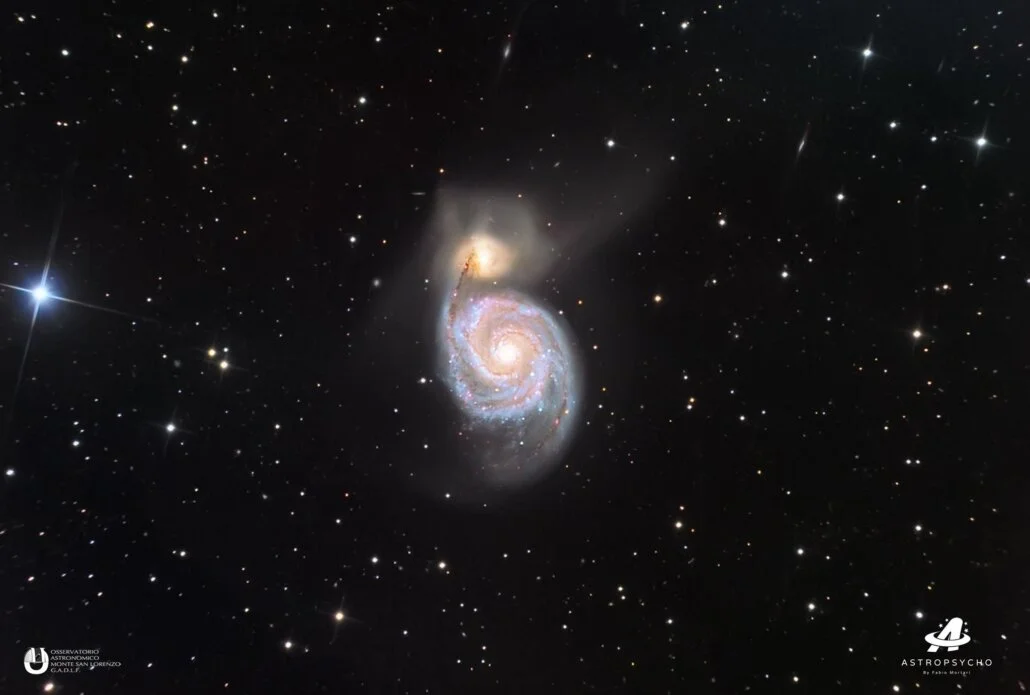
M51
Telescope: Newton GSO 250MM F/4.9
Sensor: CCD MORAVIAN G2 8300
Mount: Neq6
OAG: Ts D-King
Guide Camera: Lodestar
FilterWheel: Starlight Xpress
COPYRIGHT: Fabio Mortari
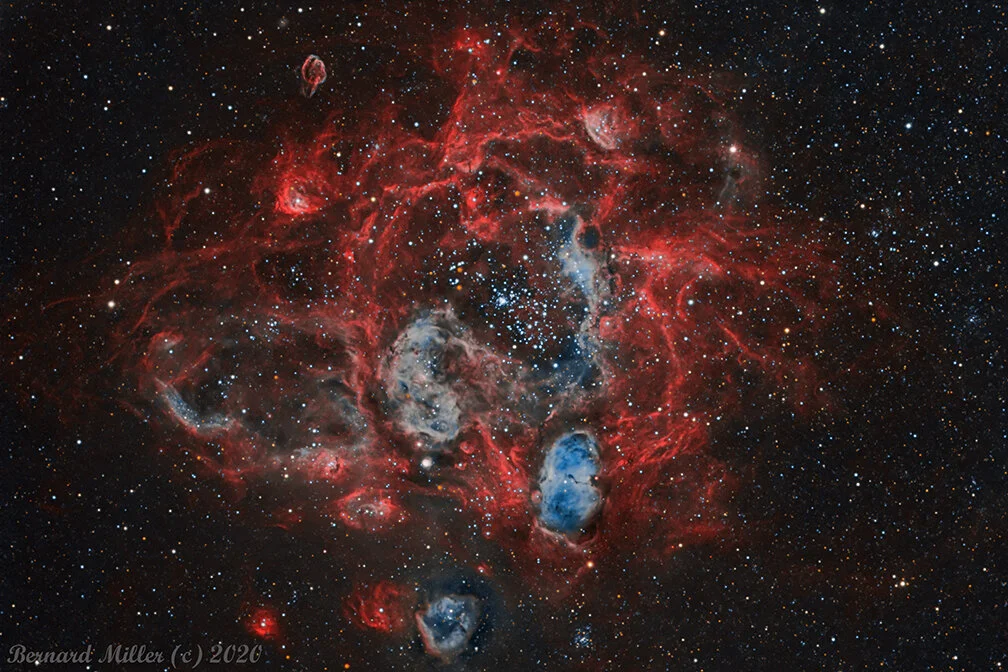
NGC 1760
January 30, 2020
Location: New South Wales, AU
Telescope: RCOS 12.5 inch F9
Camera: SBIG STXL11002 with AOX
Mount: Paramount ME II
Ha: 22x30 minutes (binned 1x1)
OIII: 20x30 minutes (binned 1x1)
RGB: 14x2 minutes each (binned 1x1)
Copyright: Bernard Miller

M78
Image Description and Details : Description – Just north of Orion’s Belt lies this beauty, Messier 78, with a hint of barnard’s loop in the top left of the frame. A reflection nebula approximately 1500 ly away, this is a Target I’ve wanted shoot for a long time. See my Facebook page for capture details!
Location/Date – Deep Sky West, December 2017
Imaging System – Astrophysics Riccardi-Honders 305, Astrophysics 1600, SBIG STX-16803, Astrodon Gen 2
Exposure – LRGB, 13.1 hours
Processing – Pixinsight
Credit/Copyright – Good Astronomy

WeBo 1
WeBo 1 is a recently discovered planetary nebula that is just emerging. A distinct oval-shaped disc of glowing gas forming around a binary star system, it was only discovered in 1995.
Borg 107mm refractor at 420mm focal length and f/3.9. Hobym Crux 170 mount with QHY367C camera, with Triad Ultra narrowband filter. Off-axis-guiding with ASI290mm-mini guide camera, all controlled by Stellarmate.
21x1200 sec subs, all calibrated with flats, darks, and bias frames and processed with Pixinsight and Photoshop.
Copyright: Gazing Outwards

Solar System
Captured in a single day
Jupiter and Mars are in color with a 2xBarlow and Venus in UV and Mercury in IR in prime focus (2x enlarged).
Celestron 11" EdgeHD f/10 (f/20 for Mars & Jupiter) ASI290MC AVX mount
Copyright: Eric Sussenbach
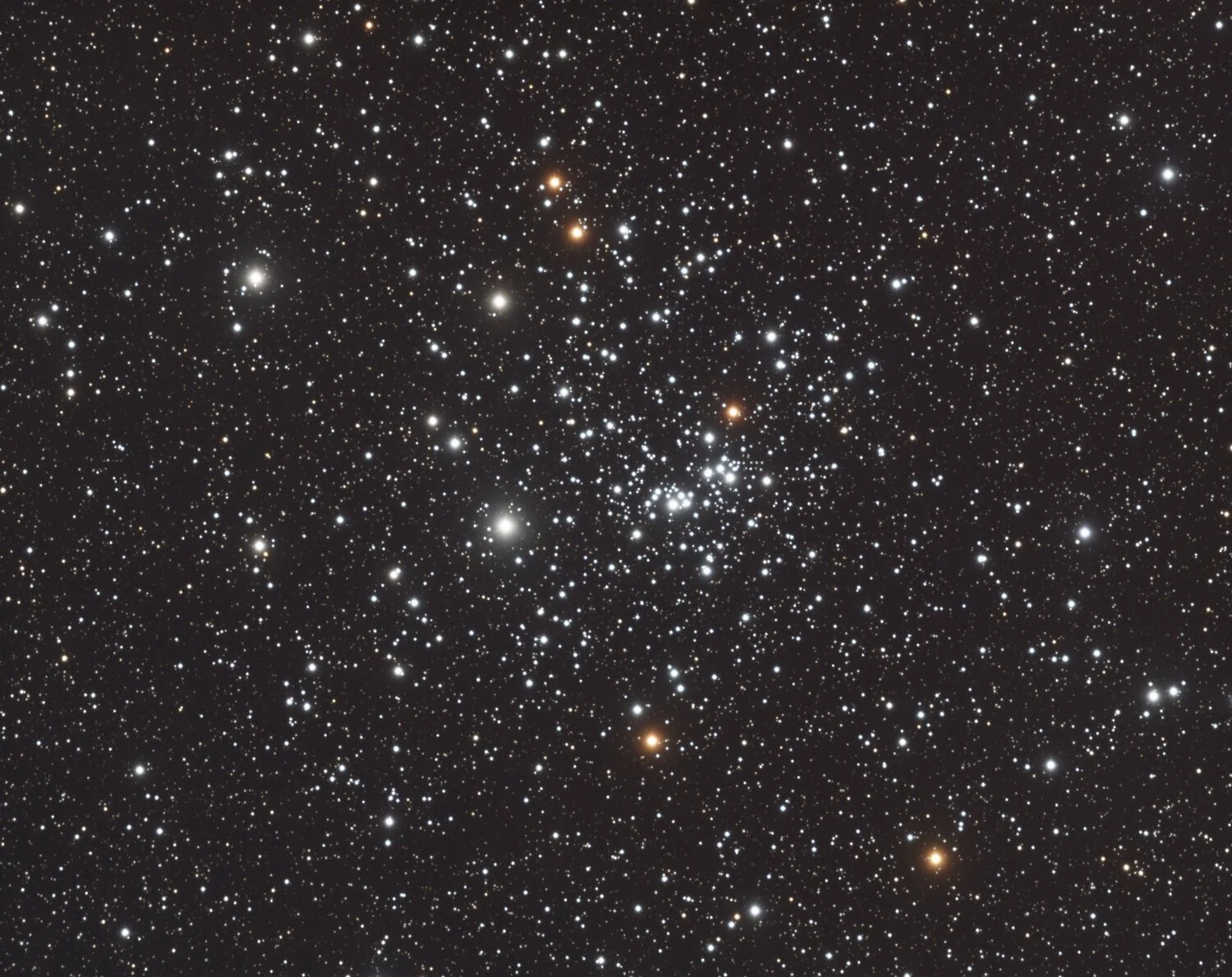
NGC 884 Part of the Double Cluster
This is Part of the Double Cluster imaged during the moon phase so not the best conditions. I may make this a mosaic and capture the other half to complete it. Processing wise I have not really done much just stretched it and a bit of noise reduction and that's it a nice easy one.
Captured by David Wills at PixelSkies, Spain www.pixelskiesastro.com
Red 25x300Secs
Green 34x300Secs
Blue 48x300Secs
8 hours 55 mins in total.
Equipment used:
Telescope: Tec 140 F7
Camera: Xpress Trius SX-694 Mono Cooled to -10C
Image Scale: 0.95
Guiding: OAG
Filters: Astronomik RGB
Mount: iOptron CEM60 "Standard" GOTO Centre Balanced Equatorial Mount
Image Acquisition: Voyager
Observatory control: Lunatico Dragonfly
Stacking and Calibrating: Pixinsight
Processing: Pixinsight 1.8
Copyright: David Wills
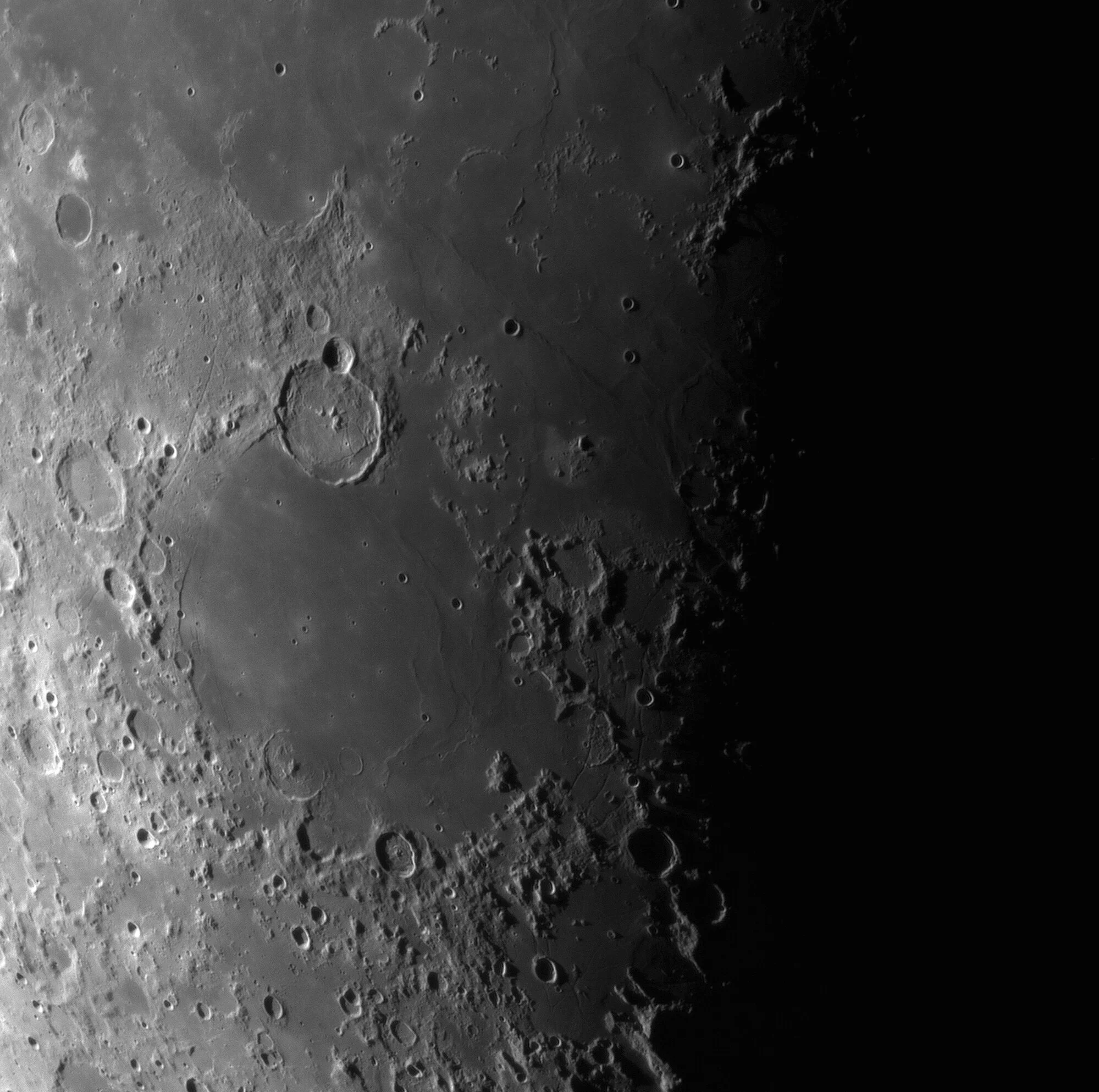
Mare Humorum
Mare Humorum, Gassendi, Hippalus Rille, Montes Riphaeus
Mosaic of two frames. This composition contains many interesting and characteristic formations. Mare Humorum and a wax seal in the north, Gassendi crater. Ditch complexes in the west: Rimae Mersenius, Rimae de Gasparis and Rimae Doppelmayer, in the east: Hippalus Rille and the crater with two "faces" - Hippalus. In the upper corner - Montes Riphaeus, a band of shock artifacts that have recently intrigued me. Below is a lava landscape with hill ranges.
Achromatic Refractor TS 152/900, Barlow Celestron Ultima 2x (F-2270mm), ASI290MM, Baader Halpha 35nm, EQ-ATM, FireCapture v2.6, Autostakket!3 (400/2000), Registax6, Microsoft ICE.
Copyright: Jerzy Łągiewka
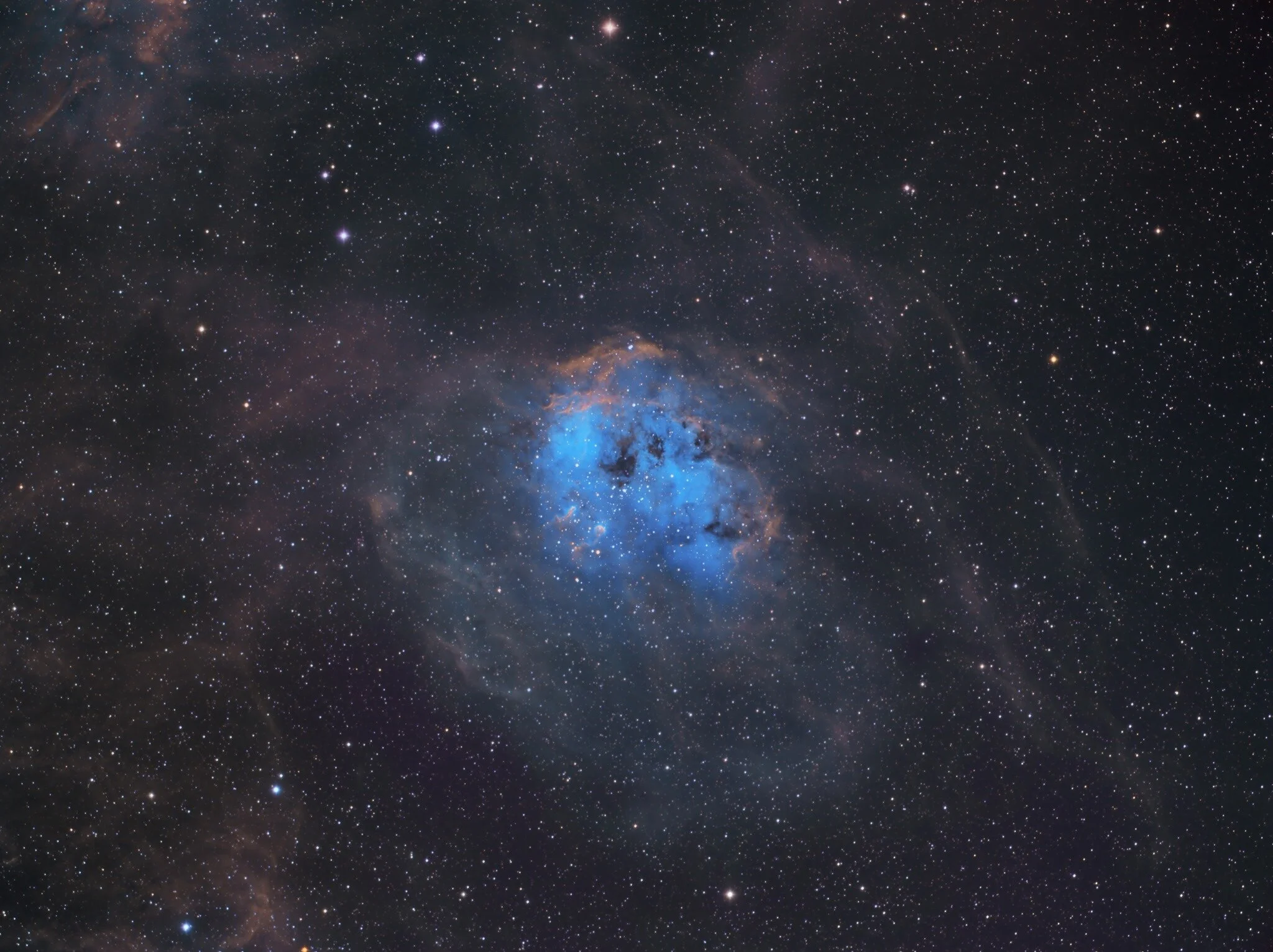
IC410 - Tadpoles nebula
IC 410 and surrounding Nebula. With and without stars. Imaged on multiple nights with a total exposure time of 27.8 hours.
Telescope: Takahashi FSQ-106EDX IV
Camera: QSI 683wsg-8
Mount: Software Bisque Paramount MX+
Astrodon Ha: 37x900" -20C bin 1x1
Astrodon OIII: 37x900" -20C bin 1x1
Astrodon SII: 37x900" -20C bin 1x1
Integration: 27.8 hours
Copyright: Craig Patterson
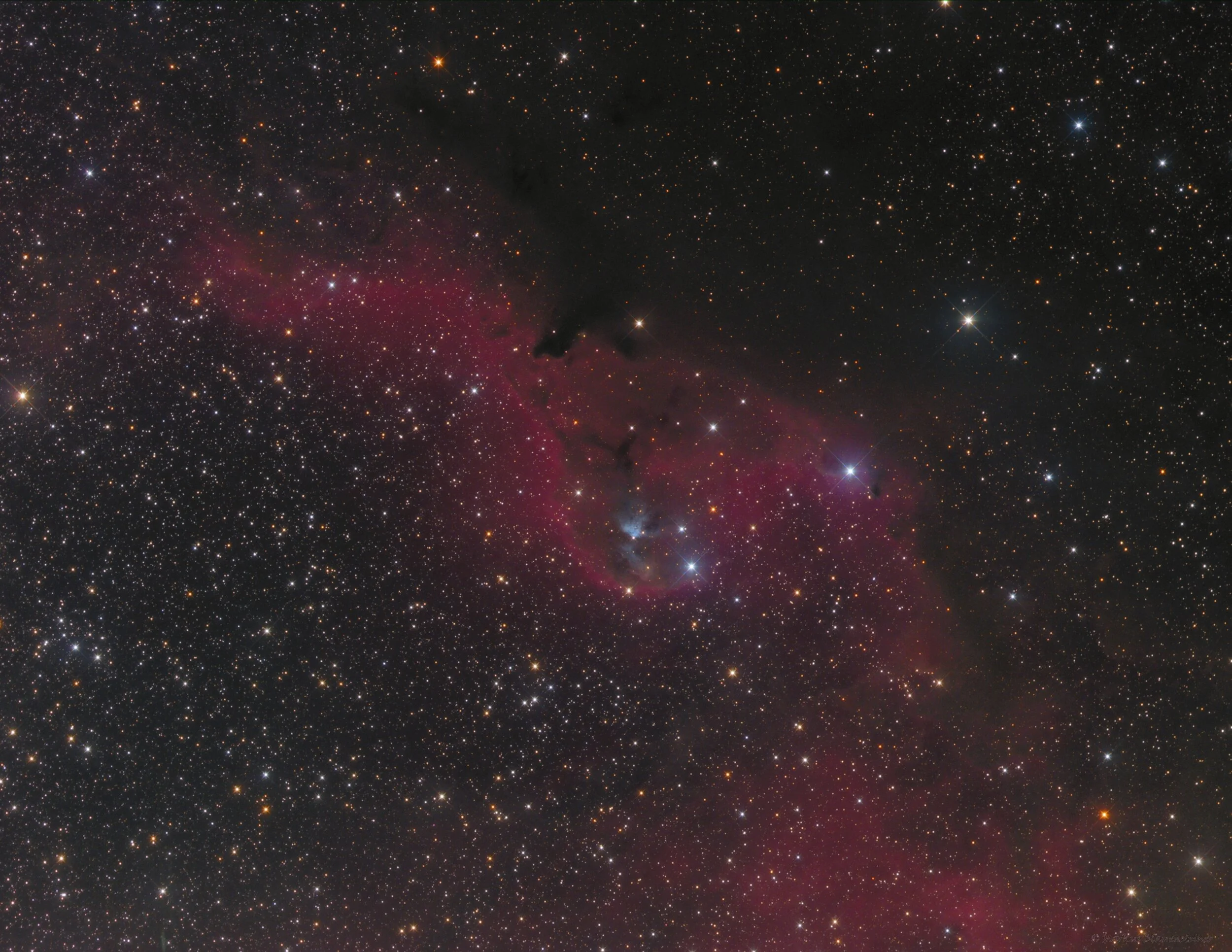
Cederblad 51 in Orion
Cederblad 51 is a reflection nebula, which appears divided in two by a cloud of dust in the foreground. Nearby there are some Herbig-Haro objects, indicating recent star formation. Ced 51 is embedded in the large emission nebula GN 05.30.0.
Scope: TAK Epsilon 130ED
Mount: 10micron GM2000 HPS II
CCD: Moravian G2-8300, Baader filters LRGB, Ha
Exposure time: L 19x10 min, RGB 12x10 min per filter, Ha 33x10 min, total 14 h 40 min
4 nights in December 2019
Copyright: Markus Blauensteiner