

AAPOD2 Image Archives
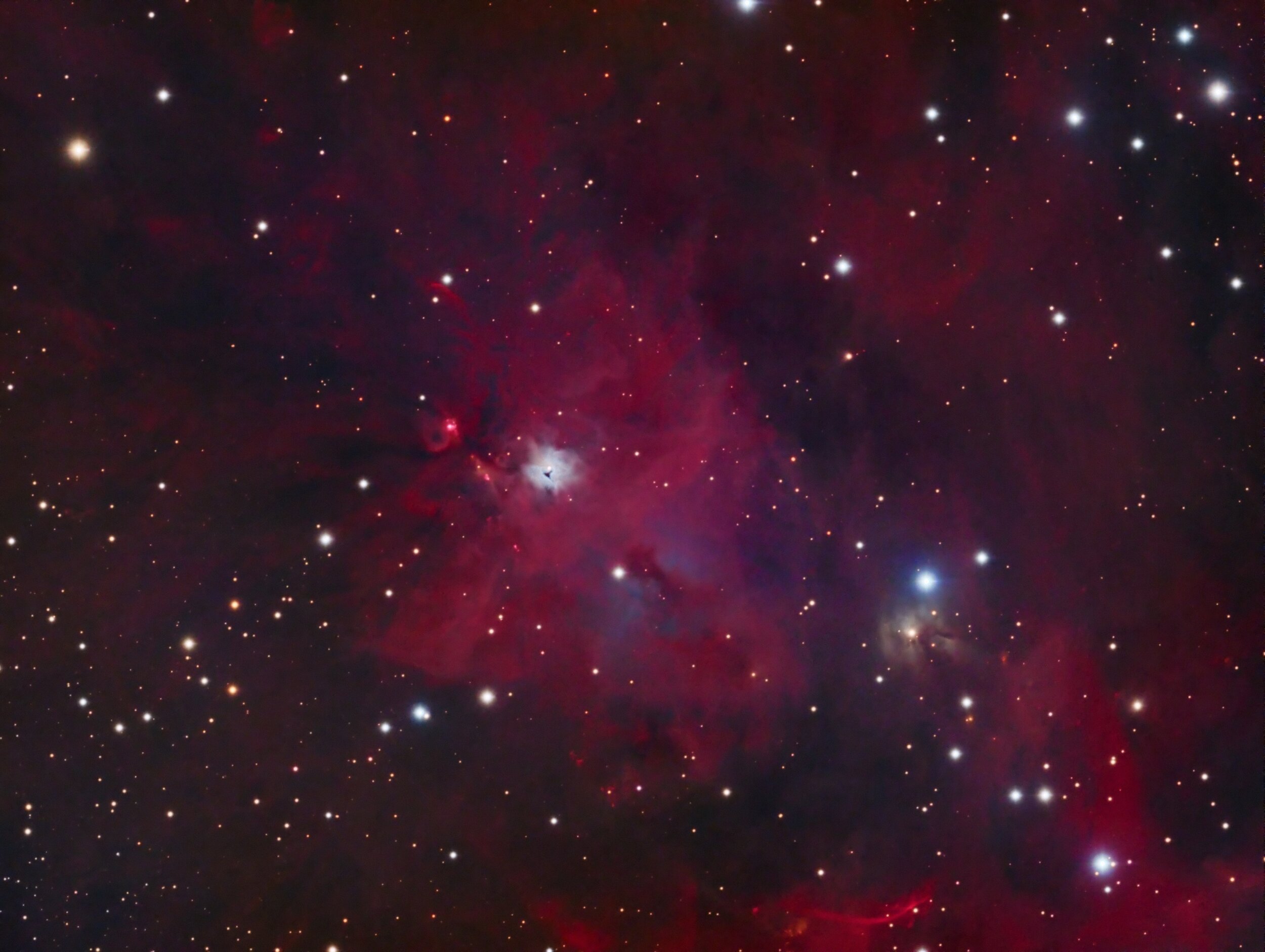
Reflection Nebula NGC 1999
Reflection nebula NGC 1999 in Orion. The small bluish patch of nebulosity with an inverted T at its center is enveloped within a much larger area of emission nebulosity in Orion. The nebula is illuminated by the variable star V380 Orionis which is visible right nest to the dark inverted T. This dark are is a source of much discussion and has been images by many of the great observatories.

SH2-205 Nebula
September 2018 / January 2020
Location: San Romualdo - Ravenna
Tecnosky AG70 / 350
ASA DDM60PRO with Autoslew and Sequence.
QSI 583wsi cooled CCD -20 - Unguided
RGB Astrodon Gen2 E-seriese Narrowband 3nm
HA-RGB: HA 32x15min, R 30x5min, G 30x5min, B 28x5min
Copyright: Cristina Cellini

NGC 3576 - The Statue Of Liberty Nebula in Hubble Palette
NGC 3576 is a minor nebula in the Sagittarius arm of the galaxy a few thousand light-years away from the Eta Carinae nebula. This nebula even received six different classification numbers. Currently, astronomers call the entire nebula NGC 3576. A popular nickname is "The Statue of Liberty Nebula" because of the distinctive shape in the middle of the nebula. The name was first suggested in 2009 by Dr. Steve Mazlin, a member of Star Shadows Remote Observatory (SSRO).

Worm Super Moon
The more northern tribes of the northeastern United States knew this as the Crow Moon, when the cawing of crows signaled the end of winter, explains NASA, on its website. Other northern names were the Crust Moon, because the snow cover becomes crusted from thawing by day and freezing by night, or the Sap (or Sugar) Moon as this is the time for tapping maple trees.
Worm supermoon and four towers of Madrid.
Composition seven shots:
Camera: Canon 7d mkII
Lens: 150-600 Tamron.
Copyright: German Penelas Perez
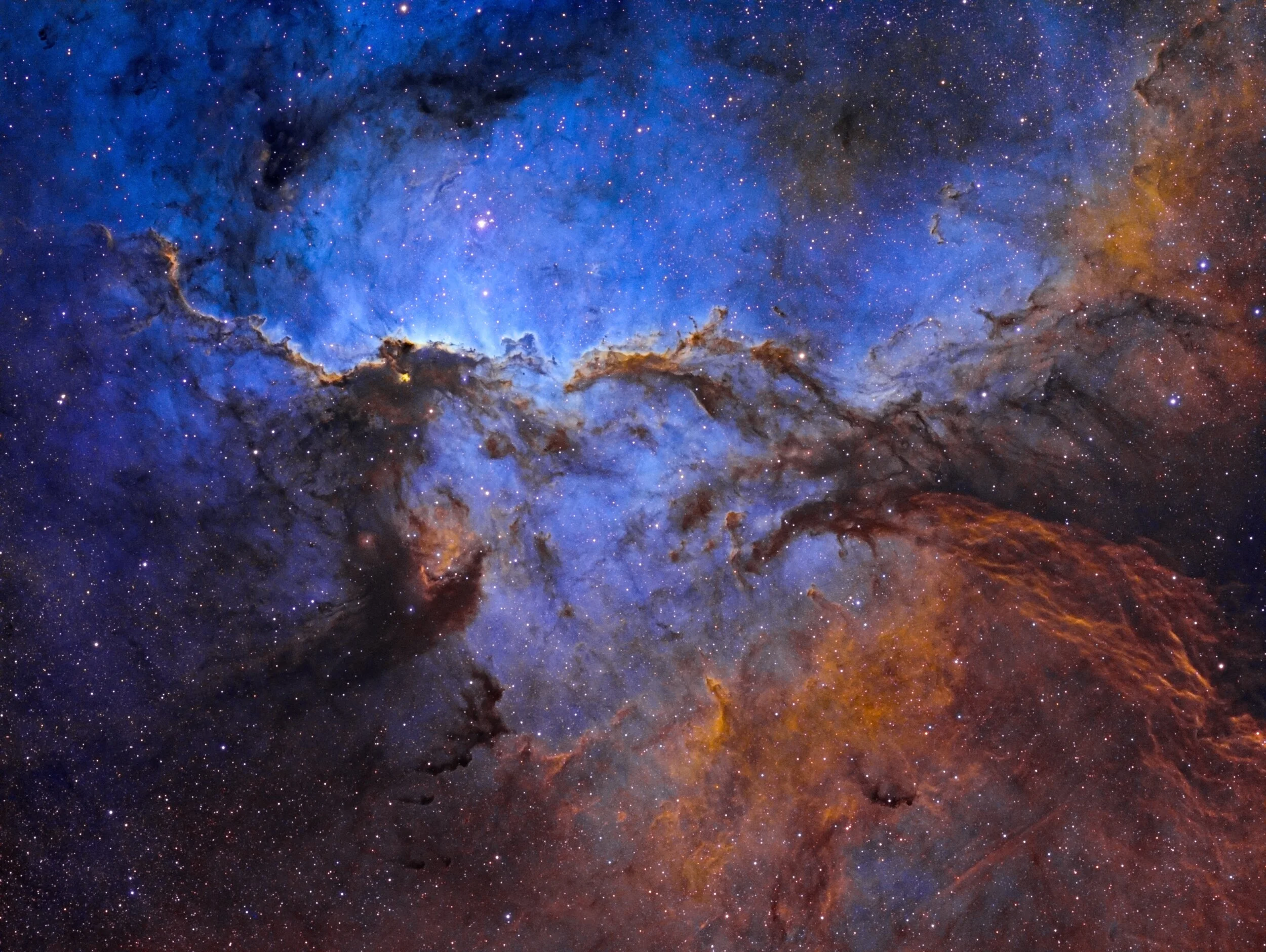
NGC6188 - Fighting Dragons of Ara
NGC 6188 is an emission nebula located about 4,000 light years away in the constellation Ara. The bright open cluster NGC 6193, visible to the naked eye, is responsible for a region of reflection nebulosity within NGC 6188. NGC 6188 is a star forming nebula, and is sculpted by the massive, young stars that have recently formed there – some are only a few million years old. This spark of formation was probably caused when the last batch of stars went supernova.

IC 405 (Caldwell31)
IC 405 (Caldwell31) is a diffuse nebula visible in the constellation of Auriga, located at 1630 light years from Earth. In its direction you can see AE Aurigae, a variable and mysterious star, according to some studies it would be a star born in the region of the Orion Nebula about 2.7 million years ago and then moved to the Milky Way from there.
IC 405 shines with the radiation received from AE Aurigae, which ionizes its gases (mainly hydrogen) and gives it a red color; the blue patches are instead due to the reflection of the blue light of the star on the dark dust. IC 405 appears to be connected with other nebulosity systems, in particular with IC 410, visible one degree to the southeast; in reality they are much more distant objects.
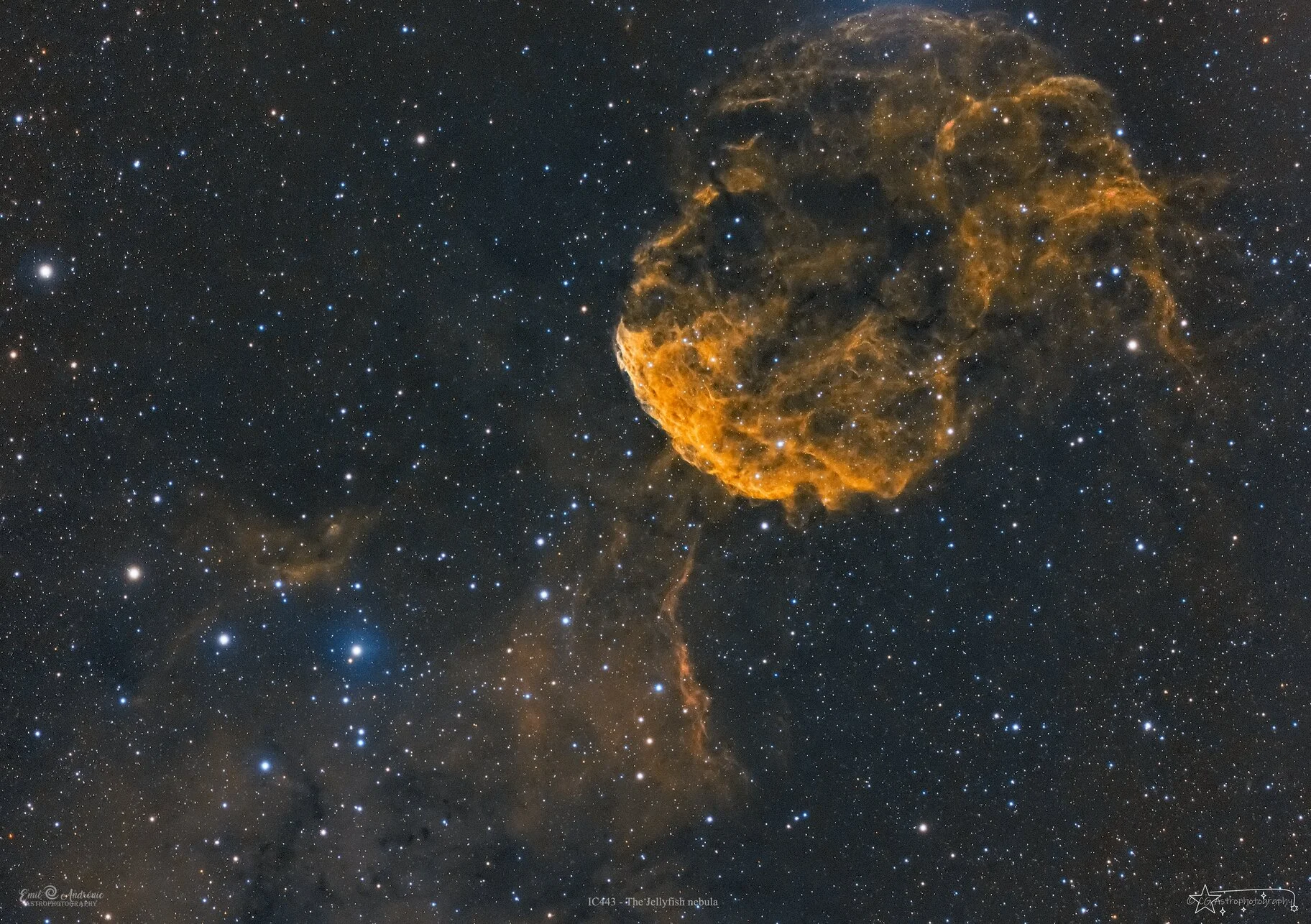
Jellyfish nebula in HaLRGB
IC 443 (also known as the Jellyfish Nebula and Sharpless 248 (Sh2-248)) is a Galactic supernova remnant (SNR) in the constellation Gemini. On the plan of the sky, it is located near the star Eta Geminorum. Its distance is roughly 5,000 light years from Earth.
IC 443 may be the remains of a supernova that occurred 3,000 - 30,000 years ago. The same supernova event likely created the neutron star CXOU J061705.3+222127, the collapsed remnant of the stellar core. IC 443 is one of the best-studied cases of supernova remnants interacting with surrounding molecular clouds.
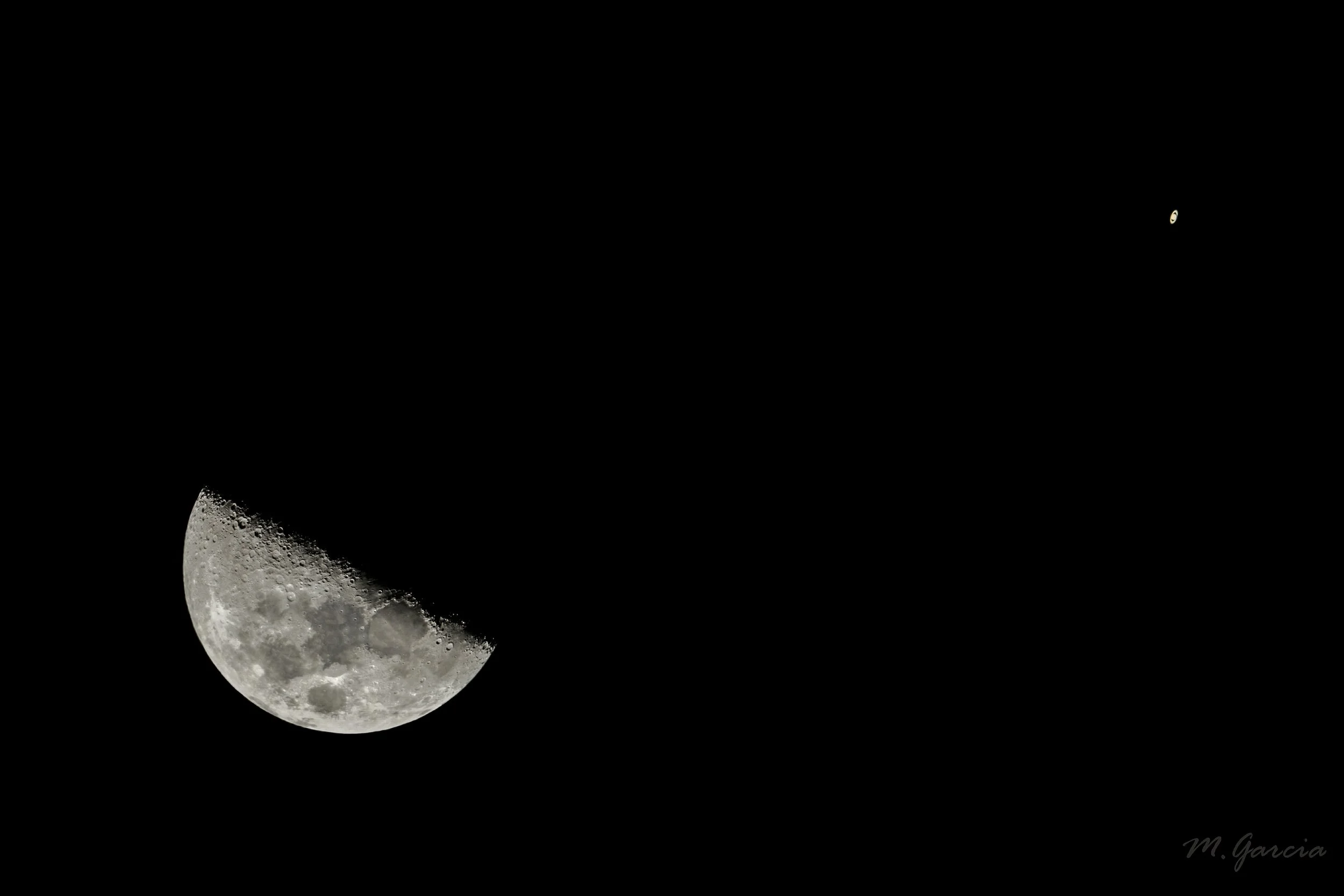
Moon and Saturn conjunction
Equipment:
Canon Eos 6d,
Skywatcher Newton pds 200/1000 f5, on Eq6r-pro mount.
Result of calibrating and stacking 50 images of 1 second integration.
Copyright: Miguel García

Solar Prominence
Capture duration = 51.89 Sec
Captured frames = 590
Capture frame speed = 11 Fps
Camera =The Imaging Source, DMK31AU03.AS
Telescope = LUNT LS100THa PT (Single Stack) / B1800 / Barlow 2X
Copyright: Peter Desypris

Kn 63 (Kronberger 63)
Kronberger 63 is a planetary nebula in the constellation of Orion . It was discovered by Austrian Mattias Kronberger who is a member of the amateur group Deep Sky Hunters.
It is very faint and thus rarely imaged. Indeed my searches have found only one other image, produced by the Chart32 team in Chile.
Imaging telescope or lens: APM Telescopes TMB - LZOS Apo refractor 152/1200
Imaging camera: QSI 6120wsg-8
Mount :10Micron GM2000HPS II
Guiding camera: Starlight Xpress Lodestar Autoguider X2
Filters: Astrodon Blue, Astrodon Green, Astrodon Red, Astrodon SII 5nm, Astrodon 5nm H-Alpha filter, Astrodon Lum, Astrodon OIII 3 nm
Resolution: 3686x2267
Frames: Astrodon 5nm H-Alpha filter: 26x1800" bin 2x2 Astrodon Blue: 21x300" bin 1x1 Astrodon Green: 20x300" bin 1x1 Astrodon OIII 3 nm: 48x1800" bin 2x2 Astrodon Red: 20x300" bin 1x1
Integration: 42.1 hours
Astrometry.net job: 3153960 RA center: 5h 42' 5" DEC center: +4° 42' 50" Pixel scale: 0.534 arcsec/pixel
Orientation: 6.400 degrees
Field radius: 0.321
Locations: e-Eye, Fregenal de la Sierra, Extramadura, Spain
Data source: Own remote observatory
Remote source: e-EyE Extremadura
Copyright: Peter Goodhew
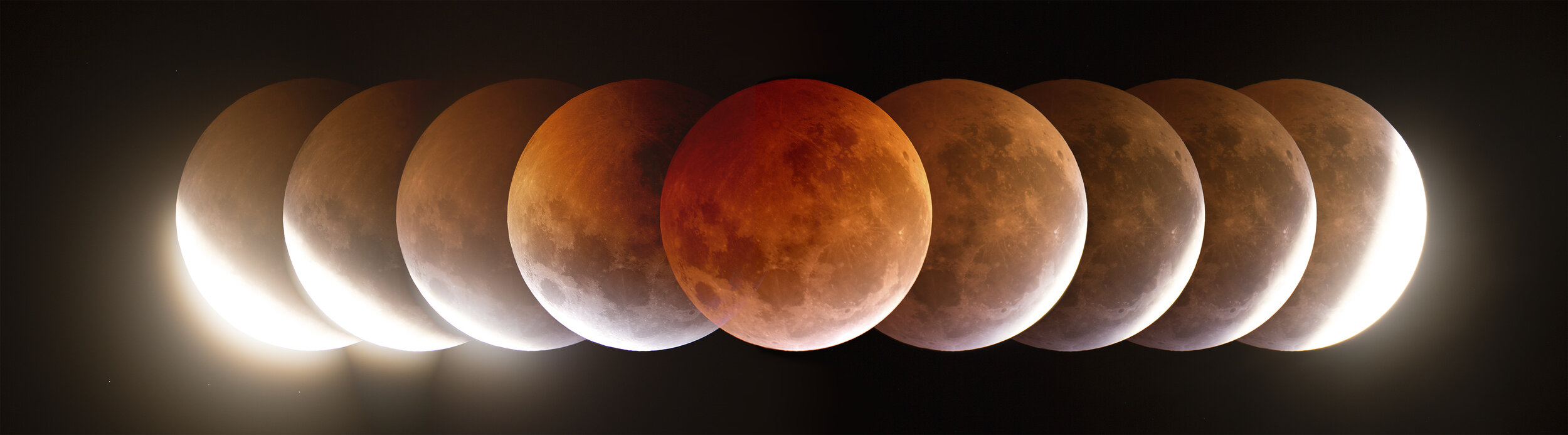
Lunar Eclipse (2019)
This is a sequence of the lunar eclipse 2019.
Santiago de Chile.
Reading from left to right, you can see how the Earth's shadow cone covers the lunar surface, until it is completely submerged in a reddish copper color. This particular color of lunar eclipses is due to the shadow cast by the sun on the earth, generating a scattering effect of the light refracted by its atmosphere.
Canon T6i
Telescope: Explore Scientific Triplet Aprochromatic Refractor ED 102 mm
Mount: IOptron iEQ 30 Pro
f/7
714 mm focal length
Multiple exposures: 1, 4 and 8 seconds
ISO 200 - 400
Software:
PIPP for align and Registax for stacking best frames.
Photoshop for sequence.
Copyright: Luis Rojas M.
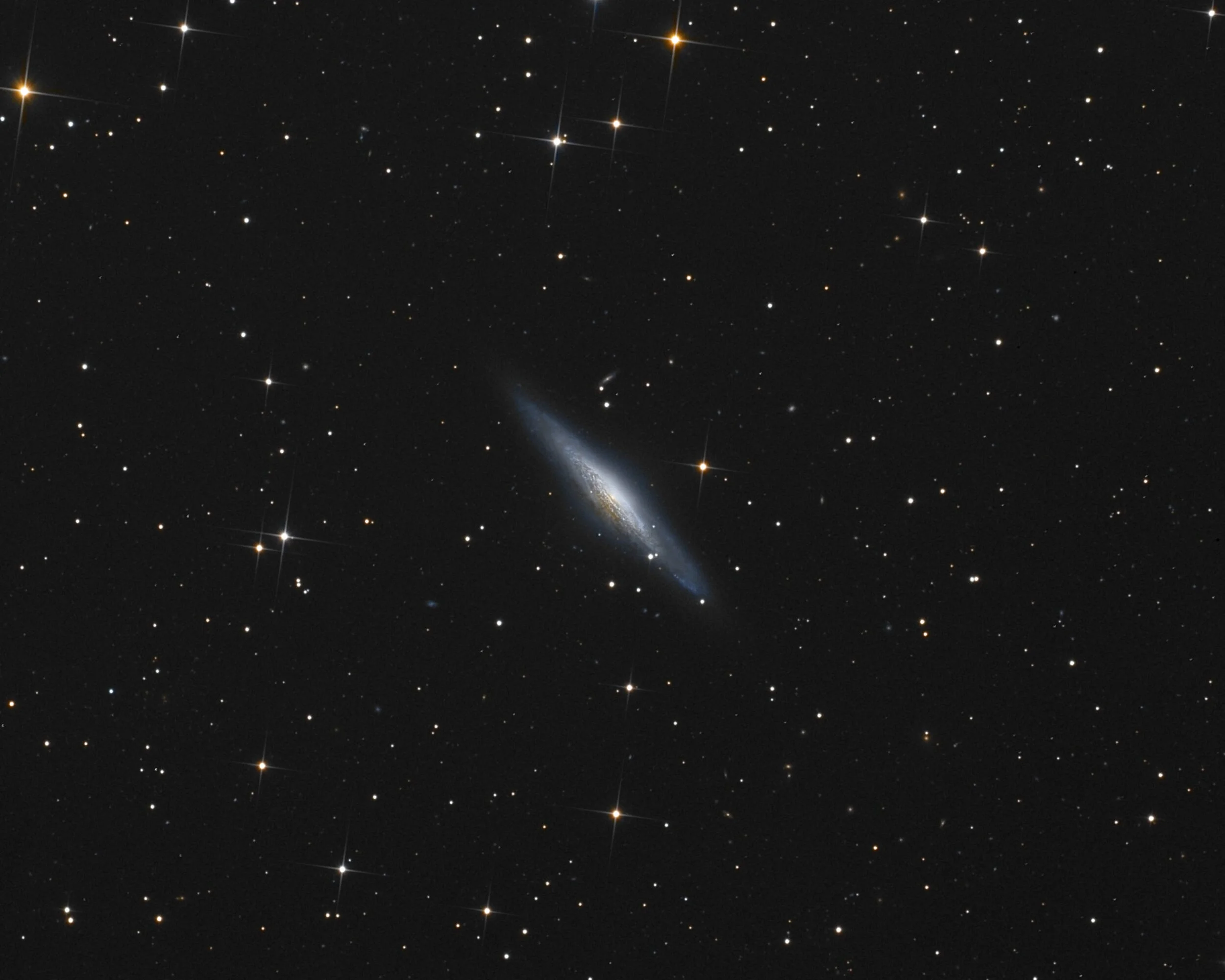
NGC2683
Instrument: UNC 254mm f / 4 Astrograph Telescope
Imager: QSI 540WSG CCD Camera at -25 °, Atik GPE Guidance
Exposure: 20 exposures of 300 sec at -25 ° in Luminance
Preprocessing: 8 Dark / 8 Flat / 8 Offset
Processing: Prism 10, Photoshop CS3
Notes First test of the new telescope
Description GNC 2683 is a spiral galaxy of type Sb located in the constellation of the Lynx, at a distance of 16 million light years. It has an apparent angular dimension of 9.3 'by 2.2' of angle. Its magnitude is 10.6.
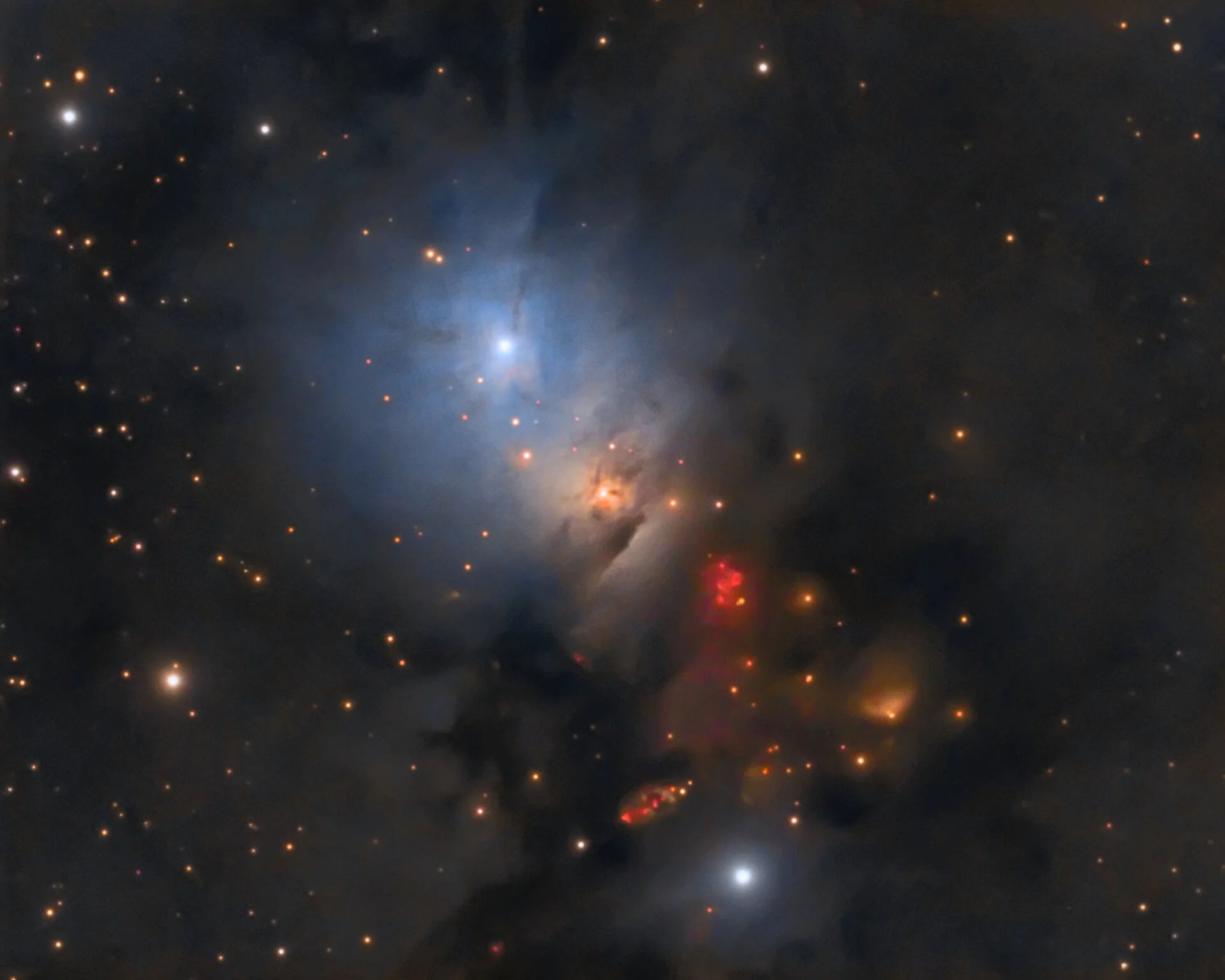
NGC 1333 Embryo Nebula
NGC 1333 Embryo Nebula in the constellation Perseus.
The NGC 1333 reflection nebula and its associated dark cloud L1450 (also known as Barnard 205) are located at the northern end of a degree-long, north-south ridge of CO emission in the Perseus region at the west side of a large cavity in the Perseus molecular cloud.
L-channel - 36 x 600 sec. bin 1x1;
R-channel - 25 x 600 sec. bin 1x1;
G-channel - 25 x 600 sec. bin 1x1;
B-channel - 25 x 600 sec. bin 1x1.
Total integration time - 18:30 hours.
My setup: Telescope 8" Celestron Schmidt-Cassegrain (SCT) CPC800 GPS (XLT) on the equatorial wedge, focal reducer Starizona 0.75x, Feq.= 1626mm, camera Starlight Xpress Trius SX694, SX mini filter wheel, filters Astrodon LRGB E-series gen.2 .
Capture and processing software: MaxIm DL6, PHD2, PixInsight, StarTools, Photoshop CC, Zoner photo studio 14.
North at the top.
Copyright: Boris Vladimirovich
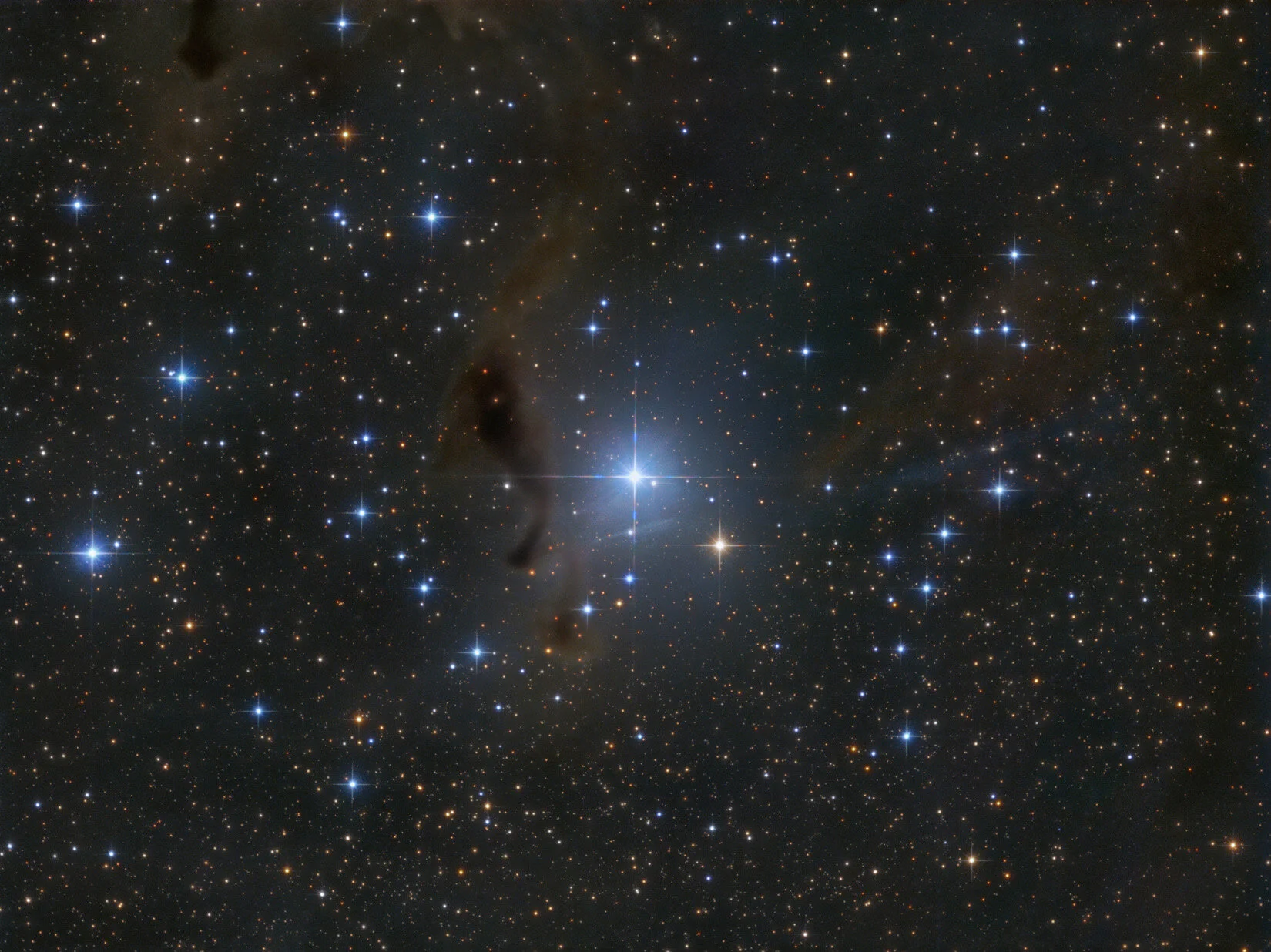
vdB 9 + LDN 1357
Telescope: 10" Lacerta Newton
Camera: SBIG ST8300M with Baader filters
Exposure times: L:102x8min RGB:16x8min each
Exposure time total:20h
Mount: 10Micron GM1000 HPS
Location. Erdweg/Germany
Date: 2018-10-10+11+12+13
Copyright: Michael Deger

Sharpless 171
Acquired in suburban backyard Magnolia, TX USA, June 28-October 23, 2019
Equipment: Sky-Watcher Esprit 150mm ED APO, FLI ML16200, Astro-Physics 1100GTO
Chroma Ha 3nm, Chroma OIII 3nm, Chroma SII 3nm
Software: Sequence Generator Pro, PHD2, PixInsight
Resolution: 4402x3517
Integration: 59.2 hours
Ha: 78x900" -25C 1x1
OIII: 79x900" -25C 1x1
SII: 80x900" -25C 1x1
Pixel scale: 1.148 arcsec/pixel
Field radius: 0.898
Copyright: © John Renaud
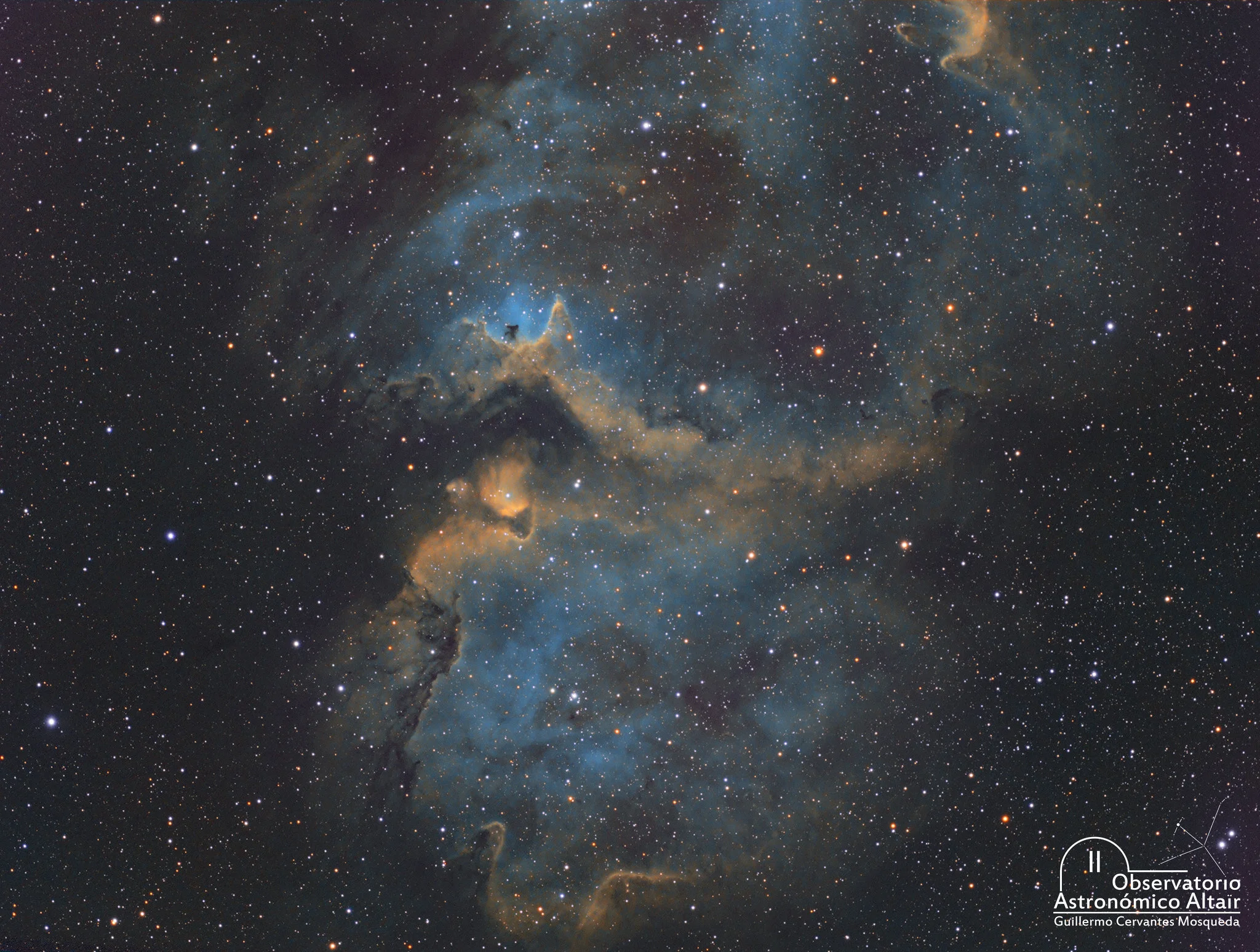
IC 1848: The Soul Nebula
Takahashi FSQ106 EDX3
ZWO ASI1600MM-C
Baader Ha (7nm), OIII (8.5nm) SII (8nm)
Guia 50 mm. + Orion Starshoot Autoguider
Celestron CGEM
Ha: 60x300s
OIII: 60x300s
SII: 40x300s
Temperatura Sensor: -10°C
F: 5
Captura: Sequence Generator
Procesado: Pixinsight 1.8 + Darktable
Guillermo Cervantes Mosqueda
Observatorio Astronómico Altaír
Poncitlán Jalisco México
Copyright: Guillermo Cervantes Mosqueda
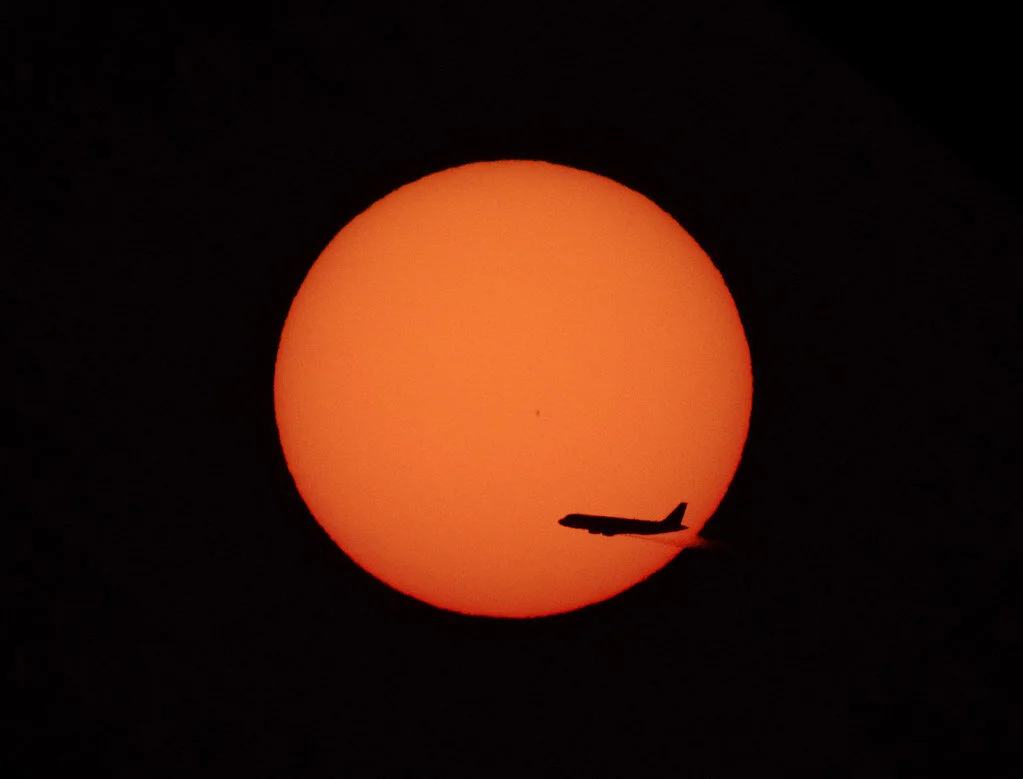
Summer flight
An airplane flies in front of the solar disk while the Sun begins to awaken its activity with AR 2757 in the center; a small sunspot, small in apparent size but as large as Earth.
To take this picture, the summer season is expected and the sunset and takeoff of the planes are calculated (every 10 minutes).
Santiago de Chile.
Telescope: Explore Scientific Triplet Aprochromatic Refractor ED 102 mm
Mount: IOptron iEQ 30 Pro
Solar filter Spectrum Telescope
f/7
714 mm focal length
1/500
ISO 800
Copyright: Luis Rojas M.
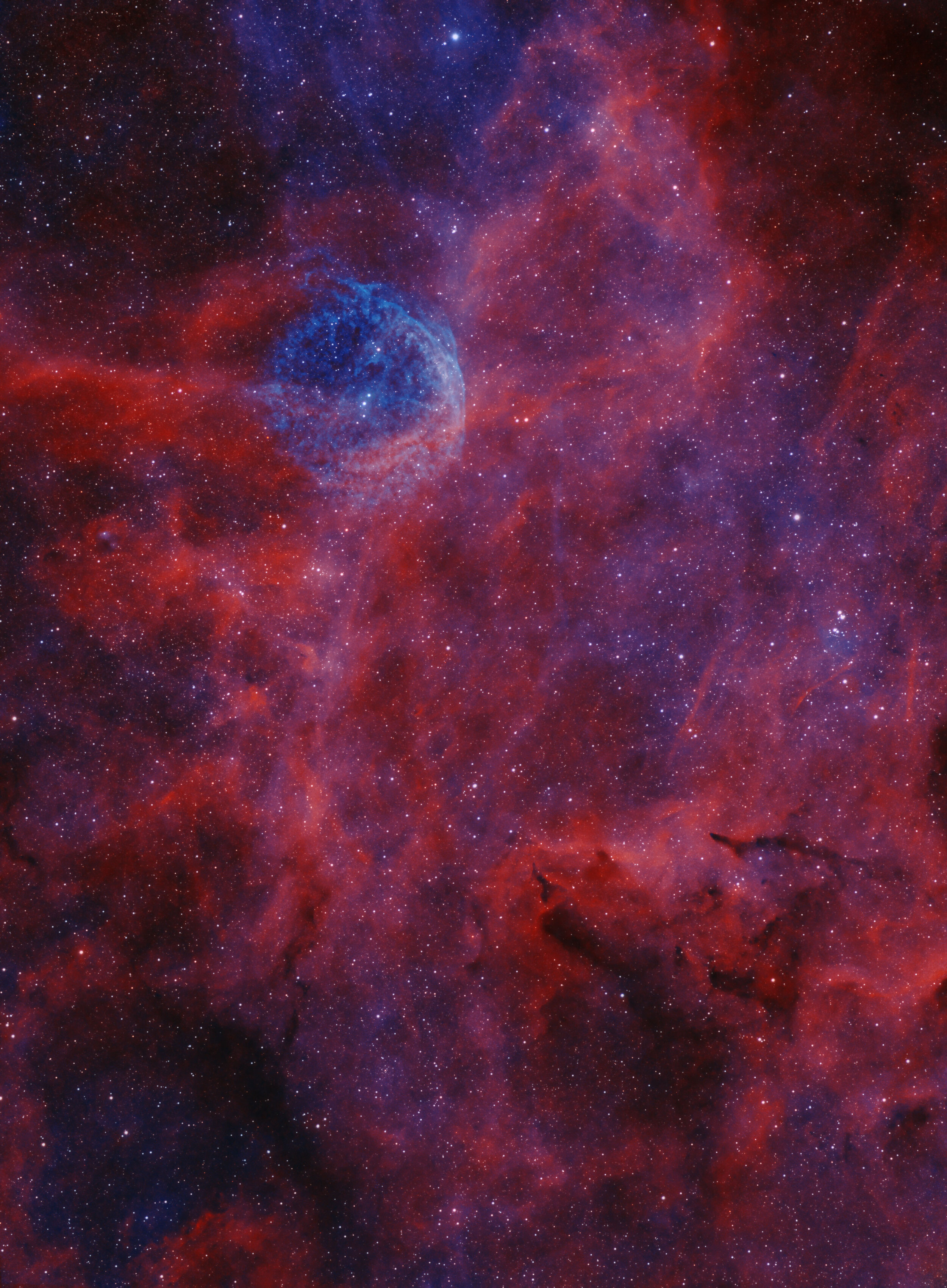
WR134 - Full Shell
EQUIPMENT DATA:
Telescope: Borg 101ED f/4
Mount: Skywatcher HEQ5 (Rowan Belt Mod)
Camera: QHYCCD 163M
Filters: Optolong HORGB + IDAS LPS-P2 + WO VR1
Guide Scope: DIY Guidescope 43mm f/3
Guide Camera: QHY 5R-II
ADQUISITION DATA:
Location: Castillo de Villamalefa & Barcelona
Date: Summer 2019
Resolution: 1.87″/pixel
Guiding Performance: 1” RMS (average)
Exposures: (Gain 174 / Offset 77 / Bin 1×1)
H: 7.5h (91x300s)
O: 26.5h (319x300s)
R: 2.5h (81x120s)
G: 2.5h ( 81x120s )
B: 2h ( 66x120s )
Sensor Temperature: -10C
50 Flats (From Library)
50 Darks (From Library)
No Bias
Total Integration Time: 41h
Copyright: Alberto Ibañez
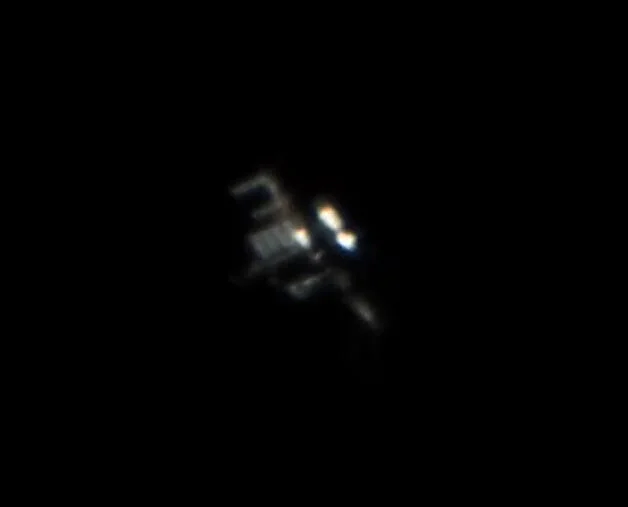
International Space Station Flyover
International Space Station captured on 20.1.2020 just after the sunset.
Elevation was roughly 50 degrees above the horizon so it was decent enough to get some sharp views, In this video, you can see the change of its orientation from SouthWest to North East, as it changes all the parts are clearly visible including solar panels and Modules
As usual, I tracked it with Edge HD 11" manually with my hand and stabilized the video in PIPP.
Equipment : Edge HD 11" - Zwo 290MC
Location: Mleiha, UAE
Copyright: Prabhu S Kutti
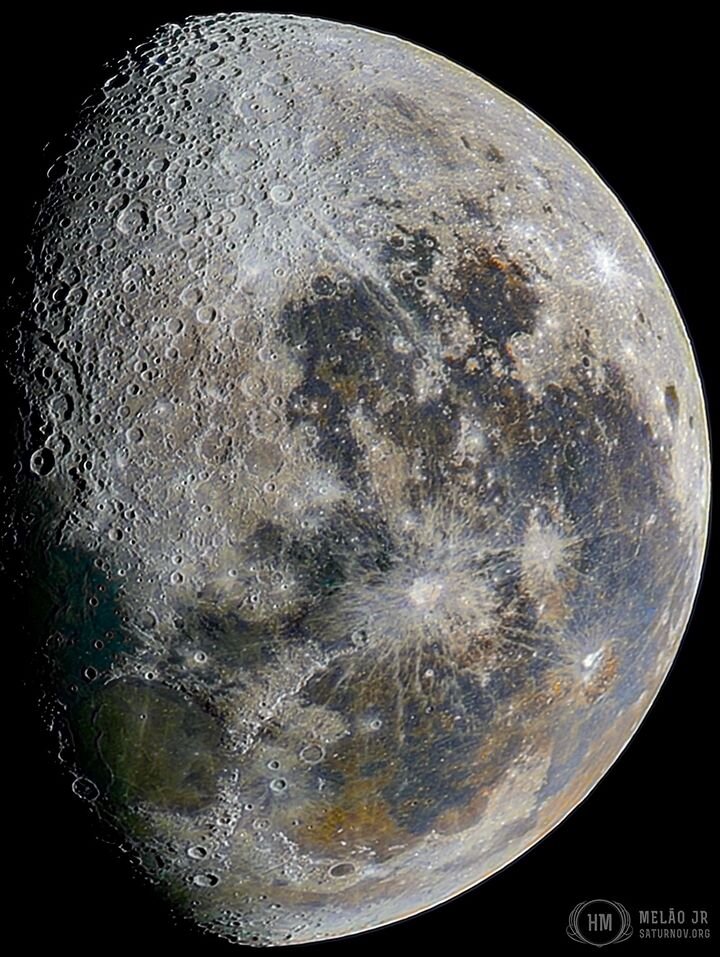
Colors of the Moon
Image Description and Details :
Celestron 102 GT
Sony A7R II
Teleconverter Kenko 3x
40 frames ISO 50, 1/40s,
Copyright: Hindemburg Melao Jr