
AAPOD2 Image Archives
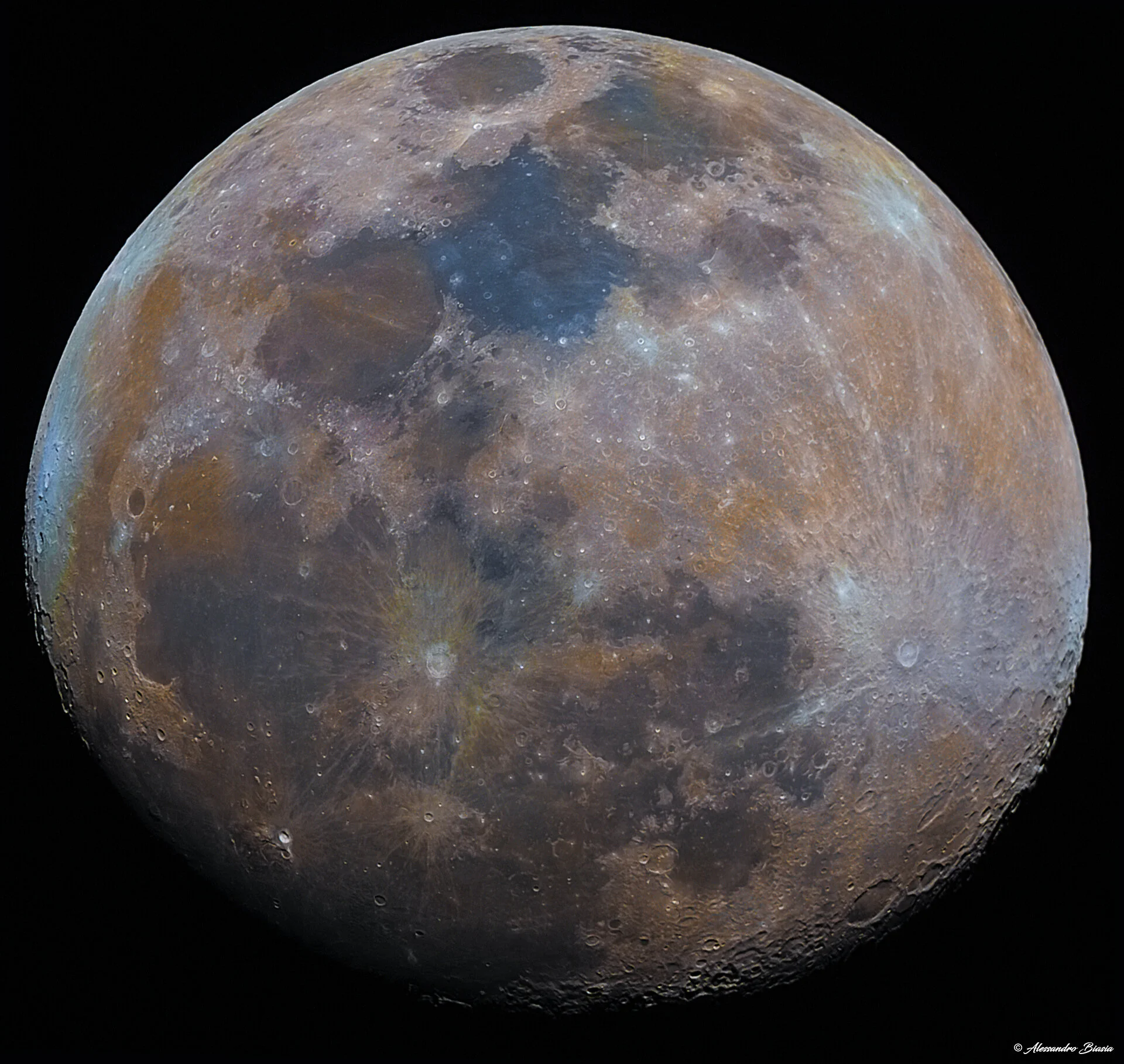
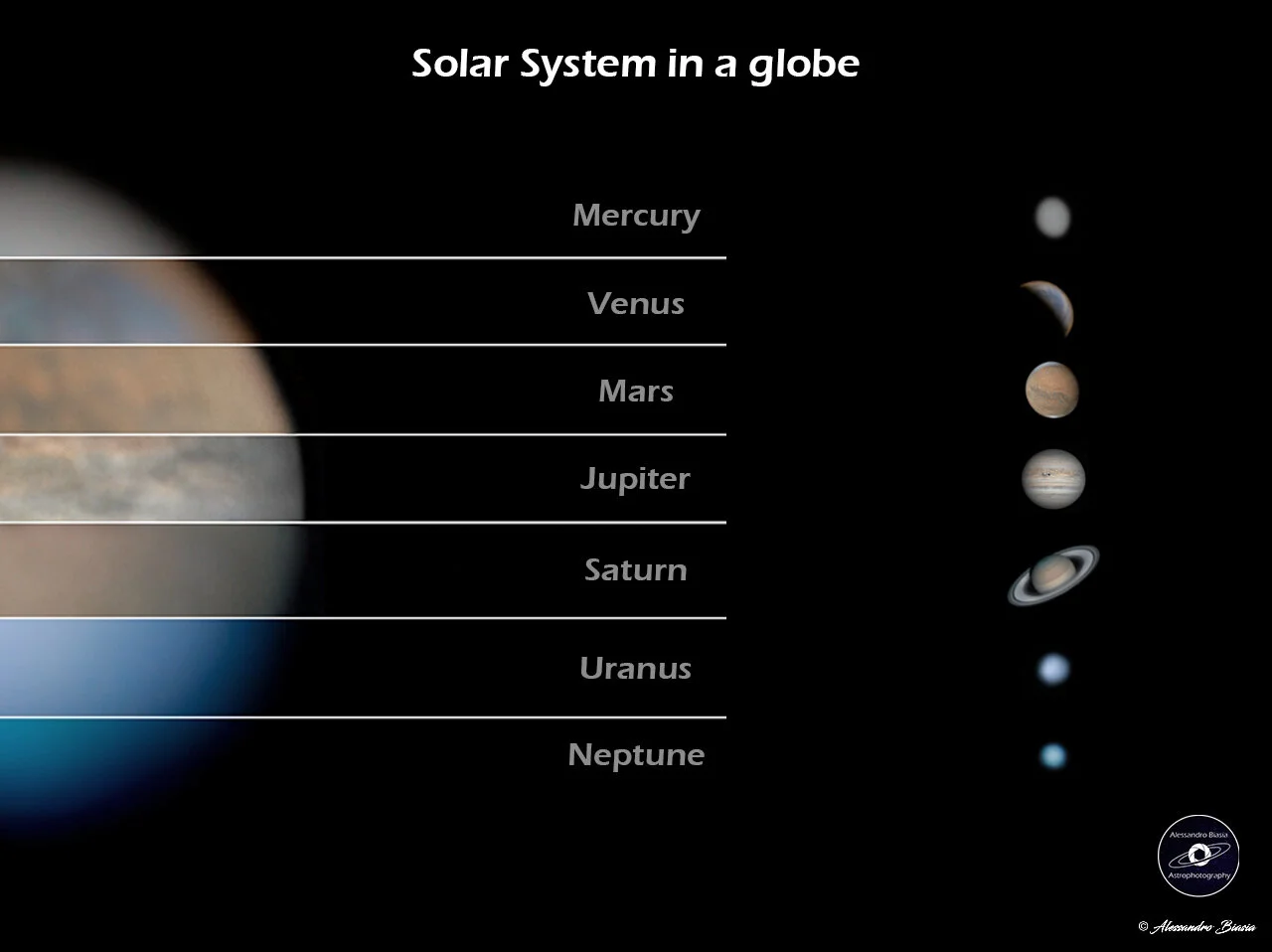
Mineral Moon
Image Description and Details : Sky-Watcher 200/1000HEQ5 Pro SynScanCanon EOS 450DISO 1001/1000Stacked 31 photo
Copyright Information: Alessandro Biasia

Mars Approach 2020
Mars sequence for 2020 so far! Mars has spent the year approaching Earth, it's now closer than it will be for the next decade. Less dust than in 2018, it's more about watching spring headed into summer for Mars' southern hemisphere. Images go from February to the end of September.
All images Celestron C14 & ZWO ASI290MM camera.
Copyright: Andy Casely

The flowering of Castelluccio di Norcia
Image Description and Details : The flowering of Castelluccio di Norcia in Italy is an annual appointment for all nature and landscape enthusiasts. Every year tourists from all over the world come to admire the spectacle of flowering. But flowers are not the only show in Castelluccio di Norcia. At night, above the silence of the valley, the Milky Way reveals itself in all its splendor, giving visitors a breathtaking spectacle. Shooting Data:This 180° panoramic shot was taken on the night of 29 June 2020. It is the result of 8 wide-angle shots for the panorama and 8 astro-tracker shots for the sky. Made with 12-24mm and Nikon D750, assembled and developed with Camera Raw and Photoshop 2020.All shots were taken strictly at night, including those of the terrestrial panorama. No blue hour or daytime shots were used.Castelluccio di Norcia | Italy | Bortle 4 / SQM 21.50
Copyright Information: Luca Fornaciari
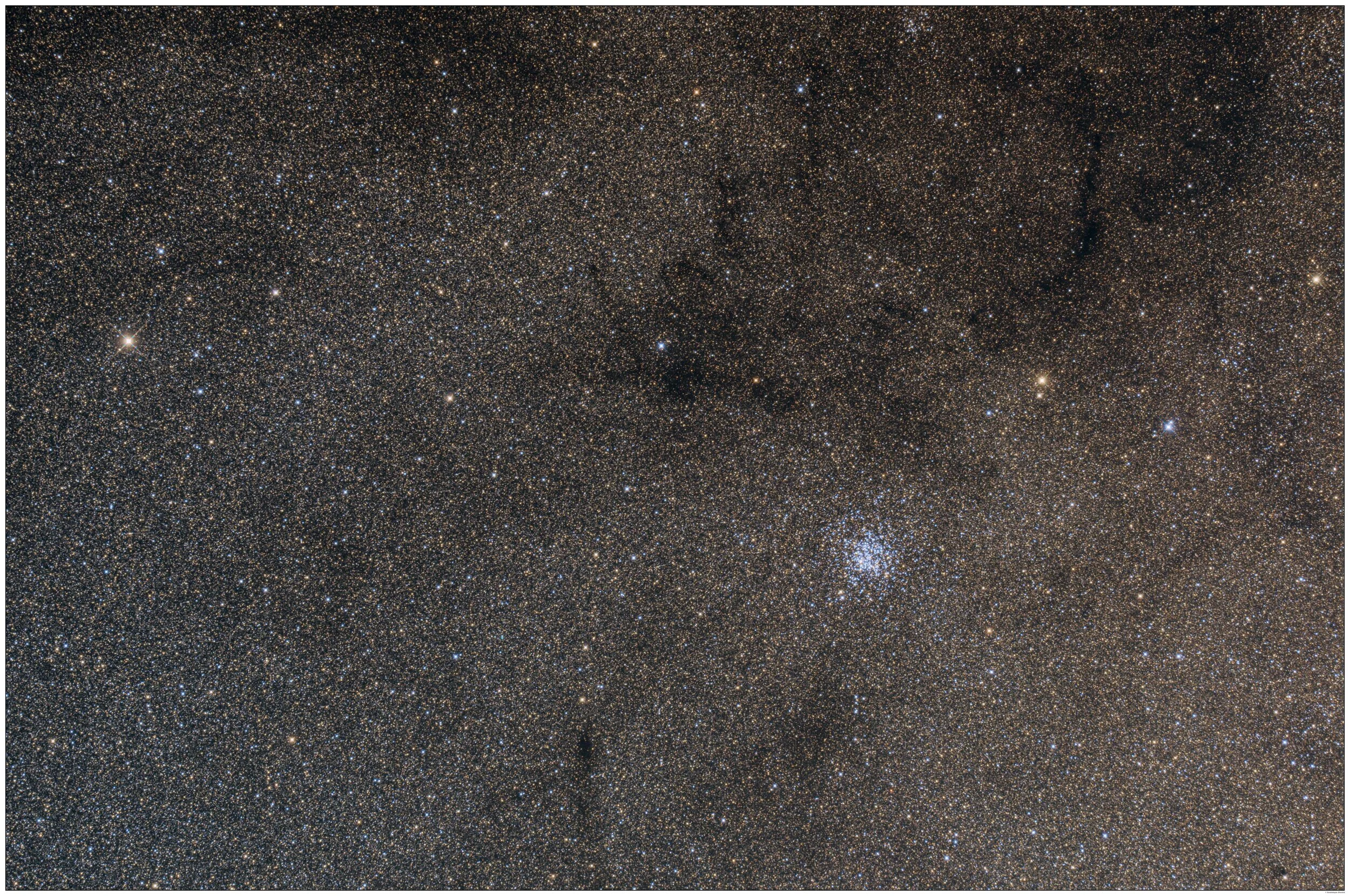
M11 - Wild Duck Cluster
Messier 11, the Wild Duck open star cluster in the Scutum cloud of our Milky Way.
Takahashi Epsilon 180ED, ASI2600MC camera
40 x 180s
Copyright: Dominique Dierick
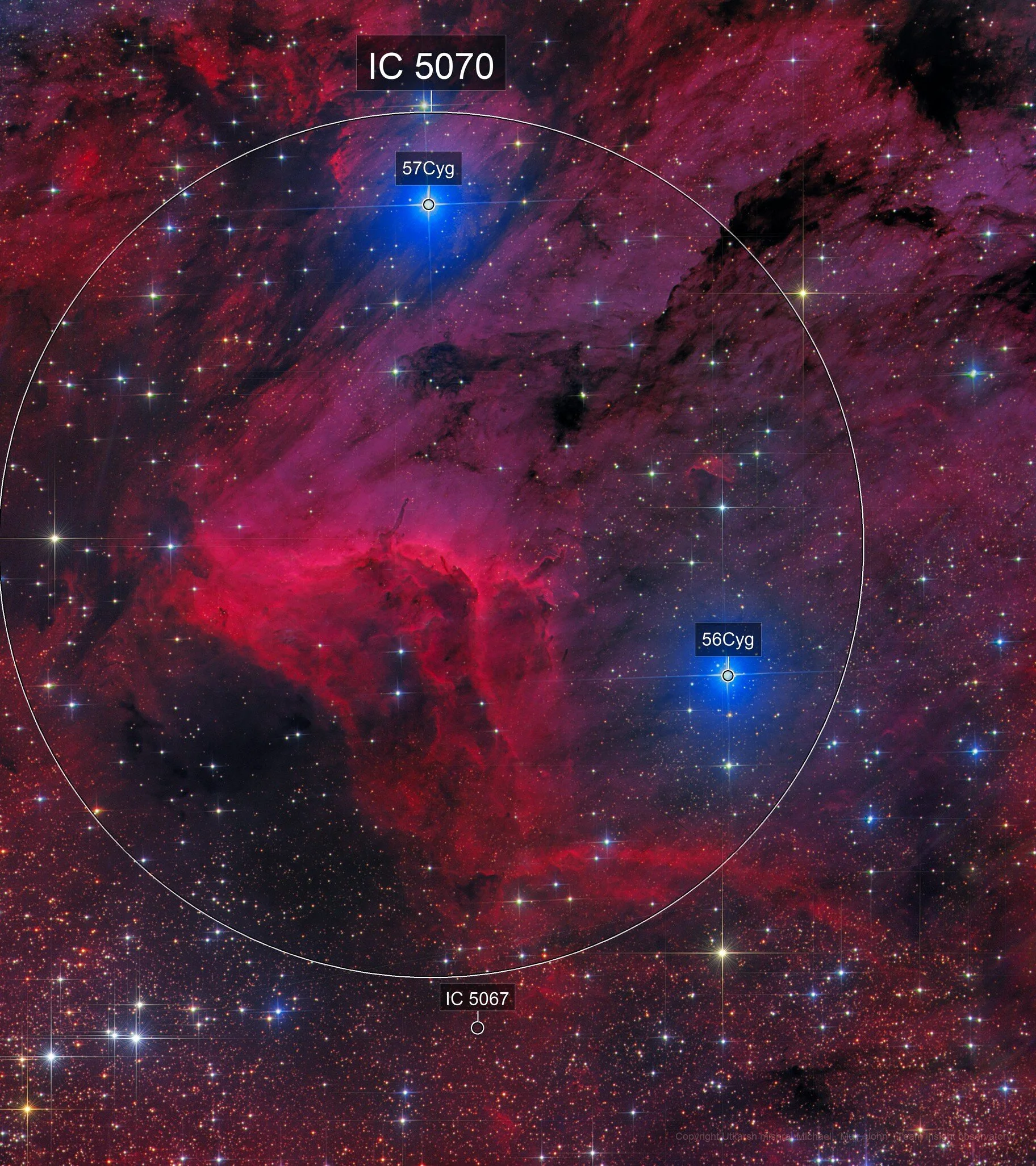
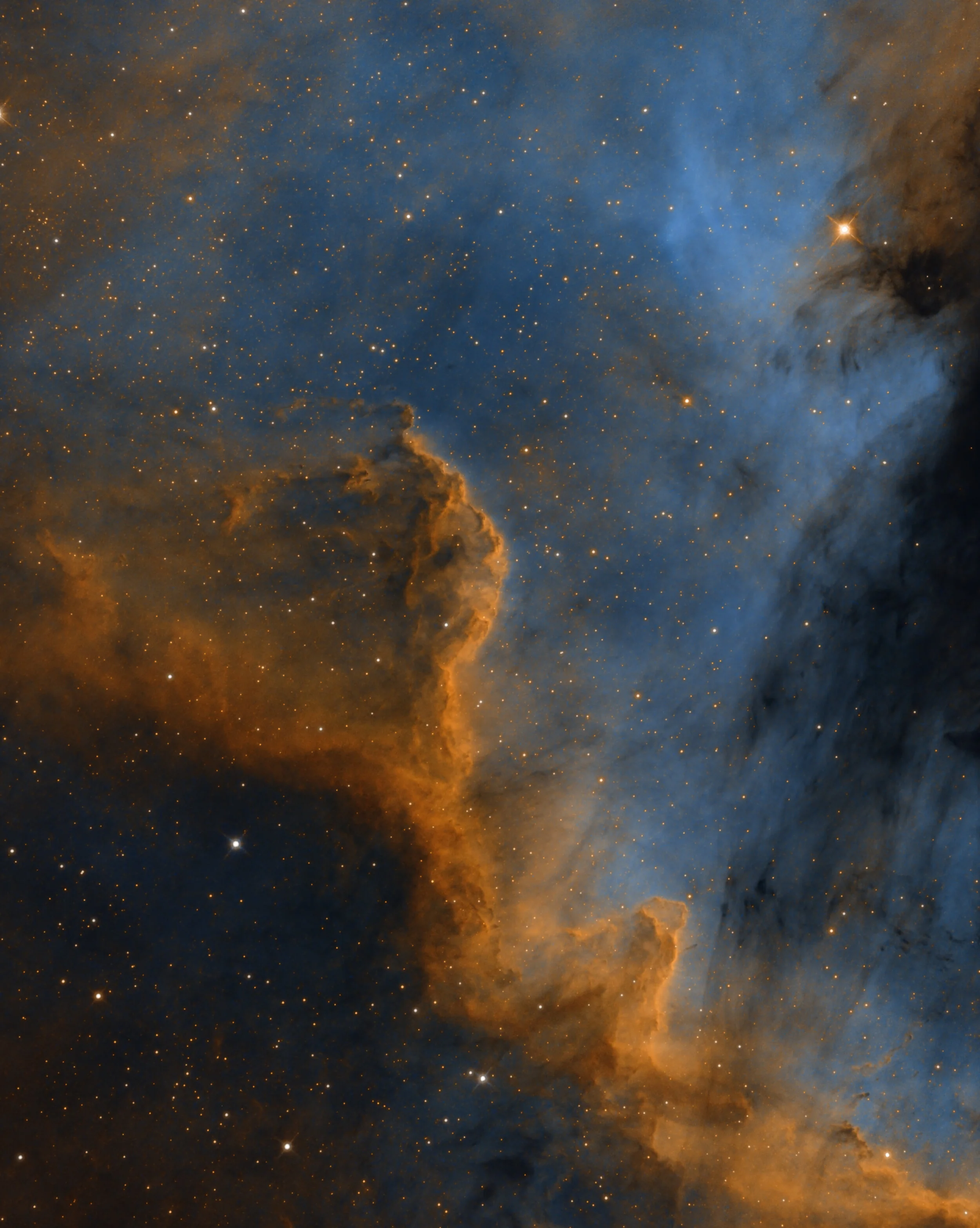
IC 5070
IC 5070, the official designation, is divided from the larger North America Nebula by a molecular cloud filled with dark dust. The Pelican, however, receives much study because it is a particularly active mix of star formation and evolving gas clouds. The featured picture was produced in three specific colors -- light emitted by sulfur, hydrogen, and oxygen -- that can help us to better understand these interactions.
Shot through 16"f3.7 16803CCD L-HaRGb for around 9hrs from B1 SKIES
COPYRIGHT: TEAM INSIGHT
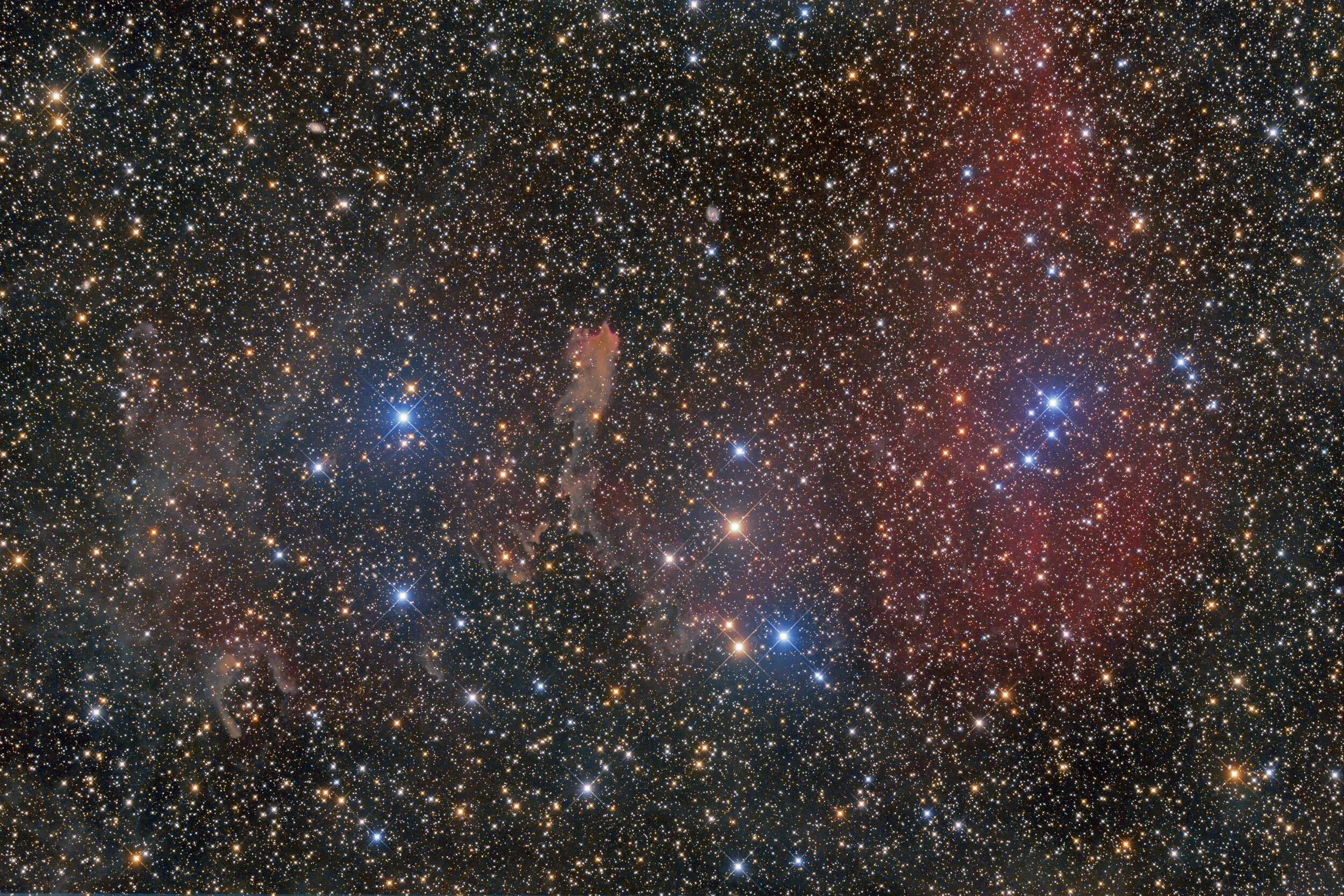
LBN438
LBN438 is a galactic dark nebula in Lacerta. It is the molecular cloud shown in the middle of the image. Above, a nice spiral galaxy, PGC 69439 can be seen.The bright red nebula on the right side is SH2-126, a large emission nebula. LBN440, LBN435 are also in view. Image taken on September 24-26 2020 at the remote observatory at the E-Eye site in Spain.
The image is composed of 296*180 seconds with a ZWO ASI-2600MC using a Takahashi Epsilon 180 ED Astrograph, riding on a Paramount ME II.
Copyright: Maarten Vlh