

AAPOD2 Image Archives
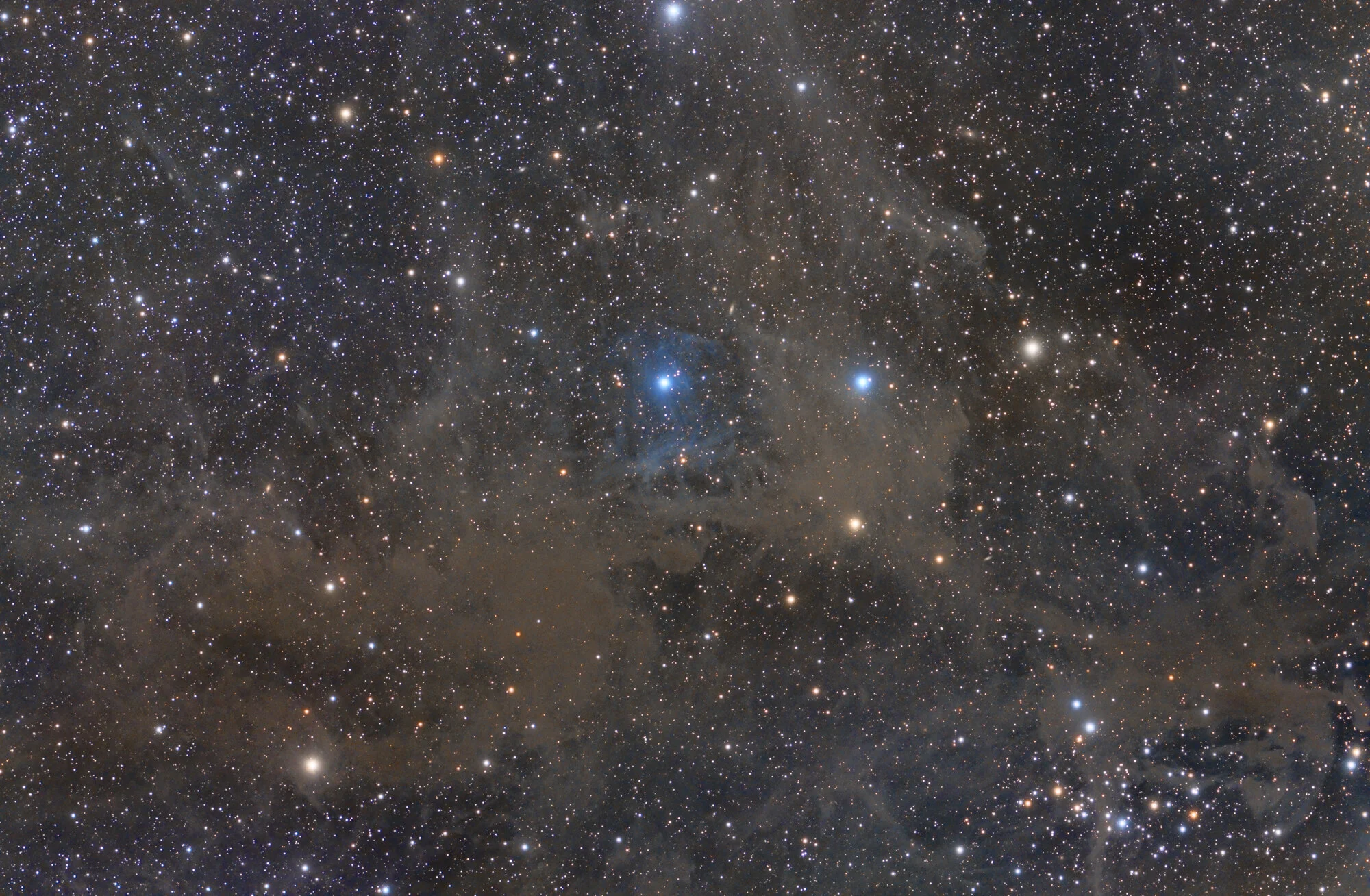
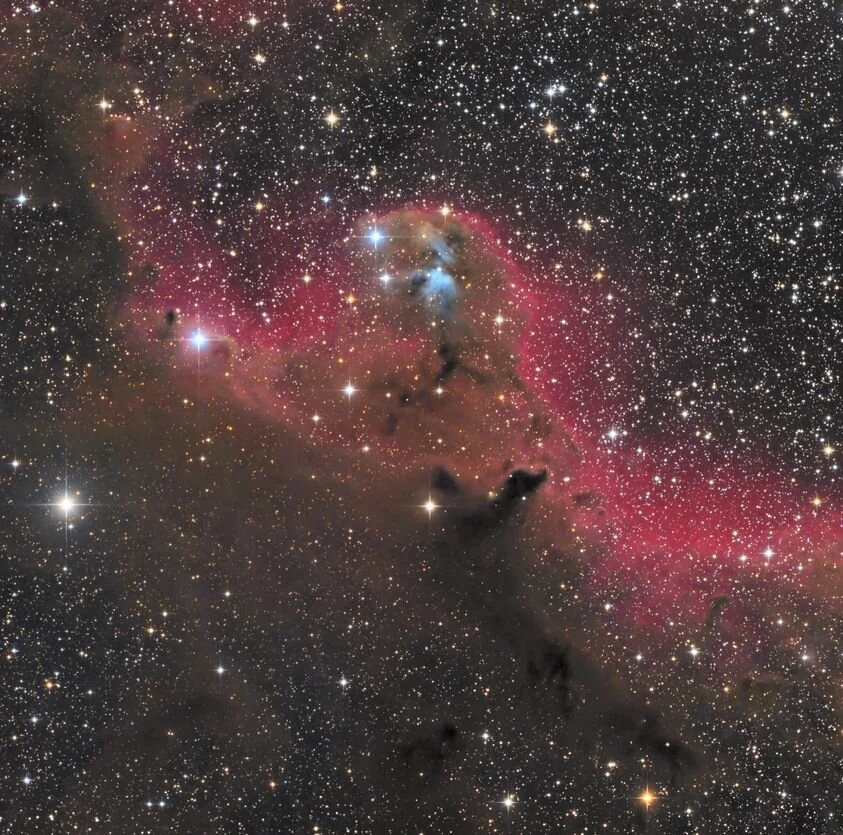
van den Bergh 18 in Perseus
Image Description and Details :
Situated on the edge of the Perseus molecular cloud, van den Bergh 18 is a small, faint reflection nebula (blue, center). It is surrounded by various LDN and LBN dark nebulae, as well as several PGC galaxies and the open star cluster NGC1342, (bottom right). This image consists of LUM + one shot color data simultaneously captured from two scopes: a CFF 135mm APO refractor with a ZWO ASI6200MM CMOS camera, and a CFF105mm APO refractor with a ZWO ASI2600MC CMOS camera. In total, there is 26 hours of data for this image, processed with PixInsight.
Copyright: Joel Short
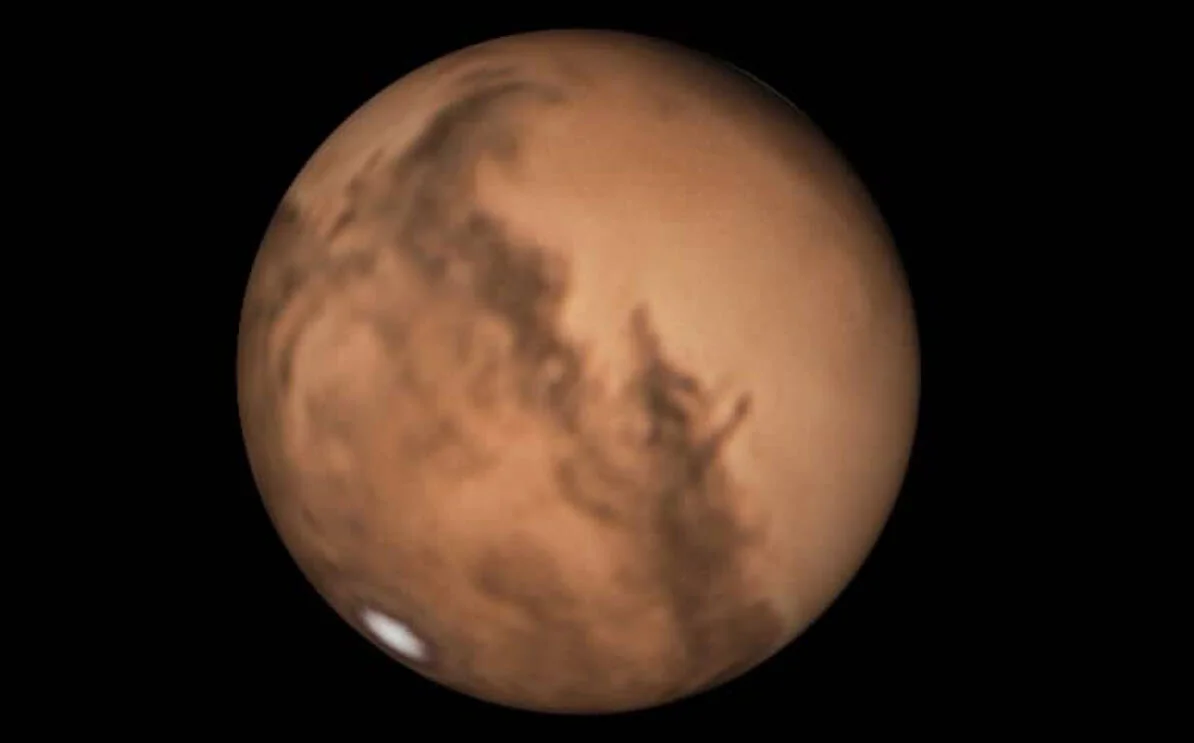
Mars Near Opposition
This map rotation is approximately 13 of Mars's 23.5 hrs rotation.
asi120mc 0SC
Meade 10" Newtonian EQ. Starfinder series
5x Powermate
Copyright: John Cox
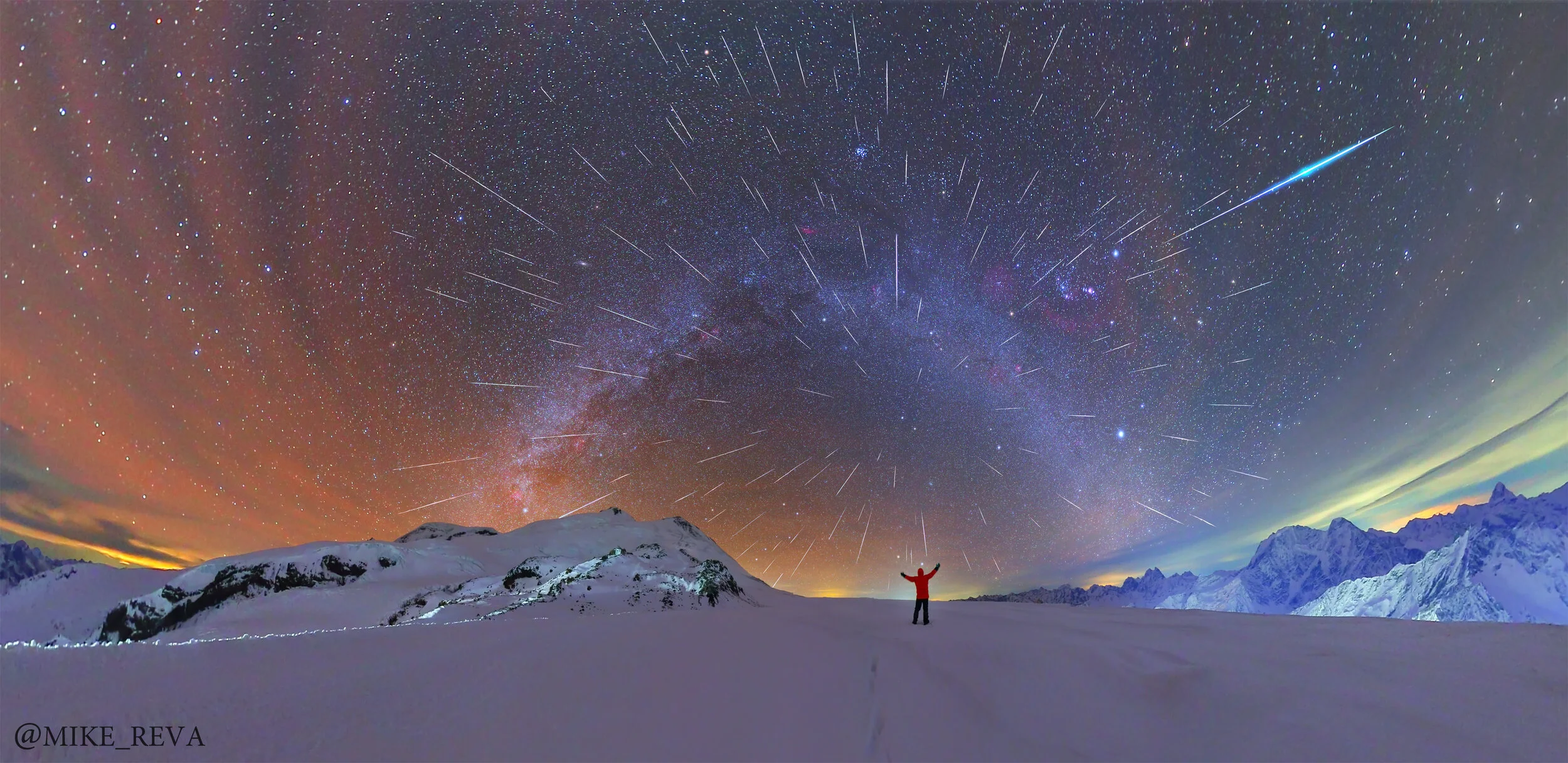
Make a wish
Image Description and Details :
Geminids 2020 meteor shower composite panorama. This years maximum night was really crazy for me. I spent 10 hours on the slope of Elbrus mountain at an altitude of 4000m with completely clear sky and fascinating transparency of the atmosphere. Luckily the weather was calm with modest wind and just -15C degrees.I was lucky to witness ~720 Geminid meteors, catching ~150 of them in frames as my cameras made continiously 1300+ shots. Was easily the most impessive meteor shower i've seen so far with, thanks to unique observing conditions. Canon 6Da + Tamron15-30 f2.8 iso5000 20s - 16shots pano for the sky is stereographic projectionContinious shooting on 2 cameras for meteors:Canon 6Da + Tamron15-30 f2.8 iso6400 30s - 720 shots.Canon 5D2 + Samyang 24 f2.0 iso5000 20s - 600 shots.
Copyright: Mike Reva
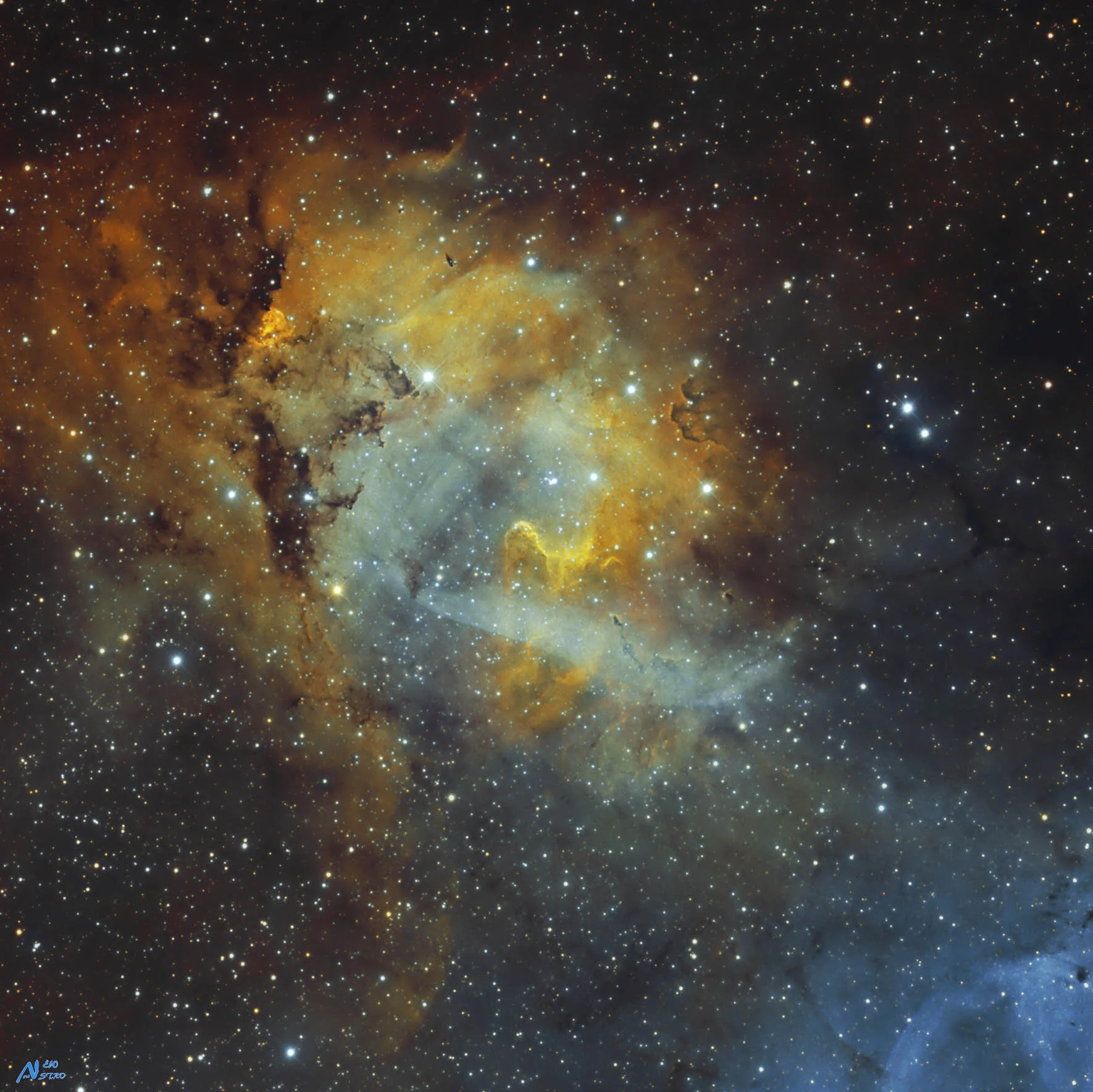
Sh2-132 HOO
Image Description and Details :
Sh2-132 in HOOrvb made by Team AstroNew in France in the region of Normandy (Perche) and in Lorraine (côtes de Meuse) . This Team is composed of Francis Bozon, Stéphane Gueyraud.Sh2-132 is a large emission nebula visible in the constellation of Cepheus. It is located on the southern edge of the constellation, on the border with the constellation Lacerta, along the plane of the Milky Way.These acquisitions were made with Newton telescopes (250-900 F/D 3,6), on Eq8 mount and Moravian G2 4000 camera.The exposure times are as follows:Ha= 53X20'O3=50X20' Red= 9x5'Green =23x5'Blue=15x5'That is a total time of about 38,25 hours.
Copyright: Francis Bozon, Stéphane Gueyraud
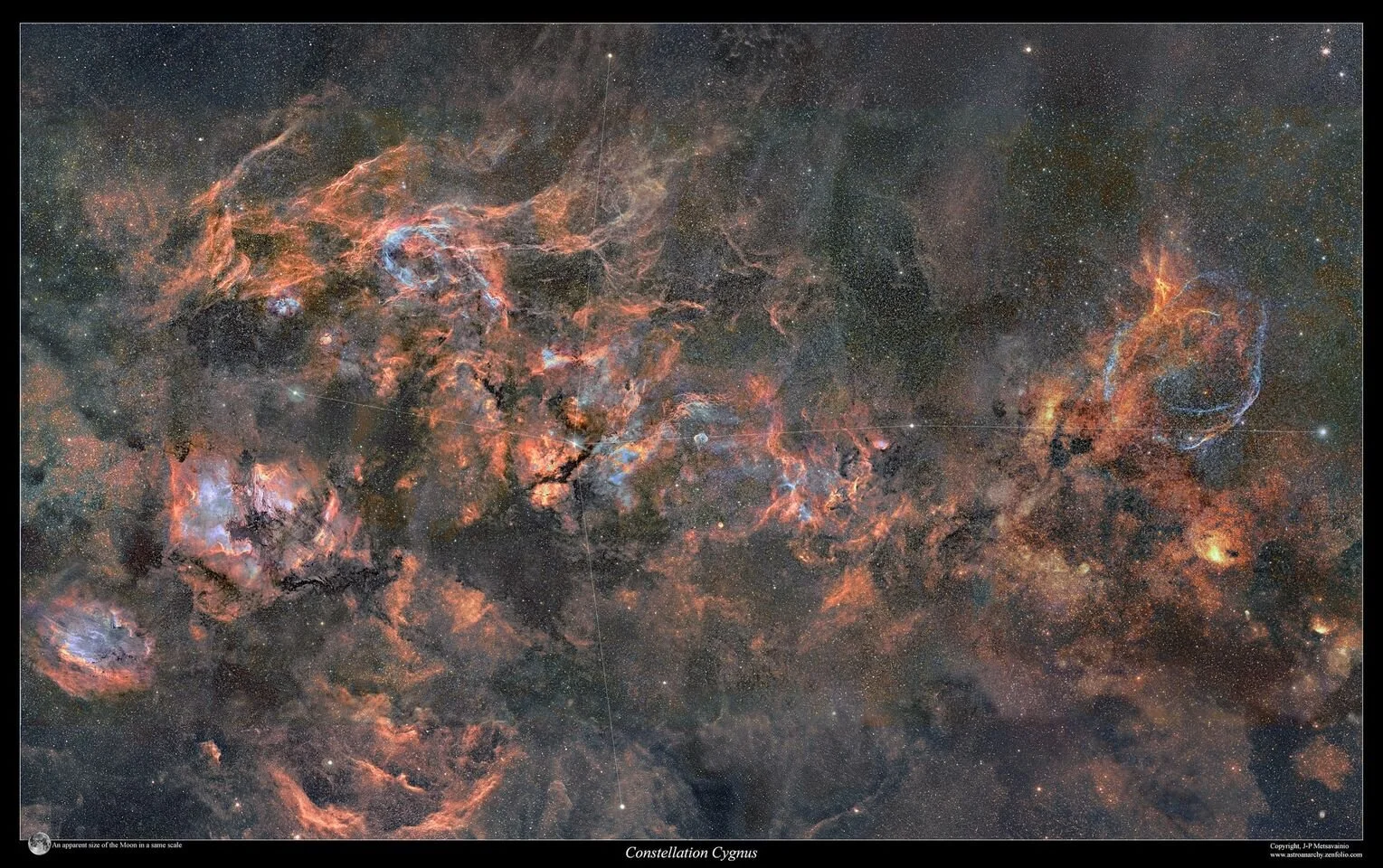
cygnus mosaic
I have started this imaging project back at 2010. My aim was to make a high resolution mosaic covering the constellation Cygnus. Work like that takes time and patience, especially since I have worked so, that many of the individual sub mosaics or frames have been published as an individual artworks. Here is a poster format presentation about all of longer focal length images used for this mosaic beside wide field panels.
As a result I have now a huge 37 panel (And 58 long focal length sub-panel) mosaic panorama covering 28 x 18 degrees of sky. I have collected photons way over 600 hours during past ten years for this photo. The full size mosaic image has a size of about 25.000 x 15.000 pixels.
In the orientation image above, there are three large supernova remnants visible, first the Cygnus Shell W63 , bluish ring at upper left quarter, secondly the large SNR G65.3+5.7 at utmost right and finally the third is a brighter SNR, the Veil nebula just outside of field of view at bottom center. (Image is partly overlapping with large mosaic but I didn't want to include it yet due to artistic composition.)Beside three supernova remnants there are two Wolf Rayet stars with outer shell formations. NGC 6888, the Crescent Nebula at center of the image and the WR 134, it can be seen as a blue arch just right from the Crescent Nebula, near the Tulip nebula.Next to the Tulip Nebula lays a Black hole Cygnus X-1, it's marked in small closeup image of the Tulip Neula at center right in orientation image above.
There are 37 base panels with shorter focal length tools (300mm f2.8 Tokina and 200mm f1.8 Canon) There is also 59 sub-panels used, they are shot with my old 12" Meade and 11" Celestron Edge scopes.
Copyright: J-p Metsavainio

NGC 1365
Barred spiral galaxy NGC 1365 is truly a majestic island universe some 200,000 light-years across. Located a mere 60 million light-years away toward the chemical constellation Fornax, NGC 1365 is a dominant member of the well-studied Fornax galaxy cluster. This impressively sharp color image shows intense star forming regions at the ends of the bar and along the spiral arms, and details of dust lanes cutting across the galaxy's bright core. At the core lies a supermassive black hole. Astronomers think NGC 1365's prominent bar plays a crucial role in the galaxy's evolution, drawing gas and dust into a star-forming maelstrom and ultimately feeding material into the central black hole.Location/Date – El Sauce, Chile, December 2020Imaging System – Planewave 17” CDK, 10 Micron GM3000, FLI ML16803 Chroma FiltersExposure – LRGB, 9 hoursProcessing – Pixinsight
Credit/Copyright – Casey Good / Good Astronomy

VdB 158
Image Description and Details :
Telescope: Takahashi FSQ106EDX (f/5)Mount: Takahashi EM-400 Temma2Camera: Atik 16200 (KAF-16200)Guider: Lunático EZG-60 + SXLodestarFilters: Astrodon Gen2 LRGB I-Series 50,8mm + IDAS LPSFocuser: RoboFocus Rev3.1Capture: MaxIm DL + AstroMaticProcessing: PixInsight Core + Photoshop CC 2019Esposure:L: 71x600s bin1RGB: 30x300s bin2Total: 19h 30mPlace: Las Inviernas and Montejo de Tiermes, Guadalajara, España
Copyright: Alvaro Ibañez Perez
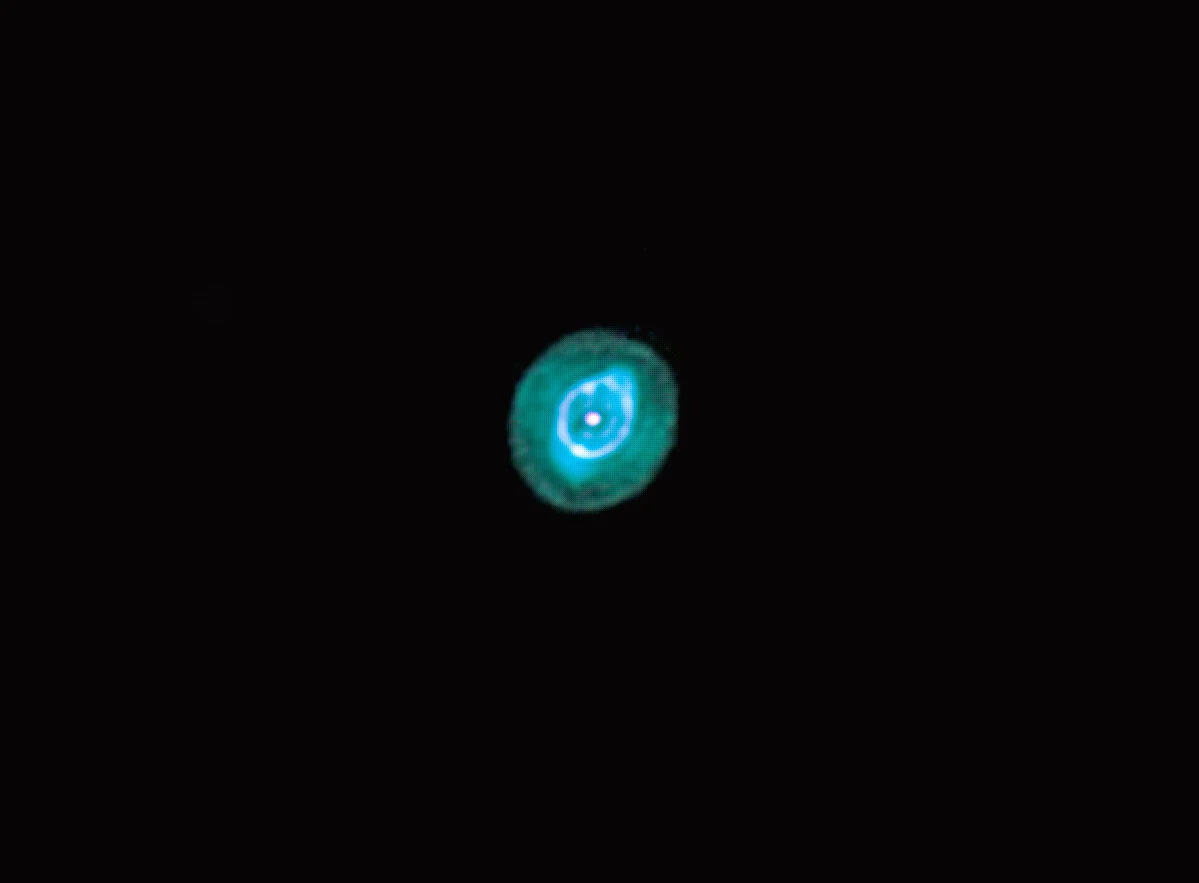
The Ghost Of Jupiter A.K.A The Eye Nebula (NGC3242)
Image Description and Details :
I did a Live stack with Gain 50 and Gain 120 each with ASI294MC-Pro, and drizzle-integrated.Place: Backyard East Pattaya Thaiand (Bortle Class 6, Moon Phase 82.9%)Date:23nd / Feb / 2021 1:24(UTC+7)TS TSRC10T Carbon Truss Prime Focus (250mm F/8 f/2000mm)CCD: ZWO ASI294MC ProFilter: Optolong L-ProMount :iOptron CEM70G
Copyright: Taro Seki Astropical.uk

Stellar Nursery in Perseus
Our Milky Way is actually full of dust, but hidden in the black starry background, it is not easy to see. Only by accumulating a long time of exposure, the dust that pervades the stars will show up, presenting rich details of intricate complexity.
This large patch of dust in the picture is part of the Perseus molecular cloud, located at the junction of Taurus, Aries, and Perseus, about 1,000 light years away from the Earth. The dust with a total mass equivalent to 10,000 suns is gathered in clusters or twisted into twists. The thick areas are dense and opaque, and darker than space itself.
In this darkest corner, new light is gestating.
The dust near the center, a little red light came out from it, that was a star cluster forming in it. Beside this dust, a newborn star dispelled the haze, illuminating the surroundings with bright light, and became the brightest deep sky object in this area.
In the new Chinese year of the ox, may the world sweep away the dust, dispel darkness, and reappear light.
Location: Hebei Kangbao Galaxy Observatory
Filming time: November 7, 2020-February 4, 2021
Telescope: Sharpstar 150 2.8 HNT
Camera: QHY268C
Mount: Aton iOptron CEM70/CEM60
Guide : QHYCCD OAG-M
Guide camera: QHY5L-II-M
Number of shots: 130×1000 seconds, 70×300 seconds
Cumulative exposure: 41.9 hours
Shooting software: APT
Processing software: PixInsight, PhotoShop
Copyright: Steed Yu

M83 The Southern Pinwheel galaxy
Another nice project made with Olivier Désormières from the SADR Team (acquisition Arnaud Peel and Olivier Désormières, processing Arnaud Peel): a complete new version with new RGB in bin 1x1 this time: I tried to keep as much as possible the faint details in the Hapha globules and enhanced the spiralSo thanks a lot to Olivier for the acquisition of a great Luminance and RGB with the Sadr association setup , Newton 14'' in Chile.I select the best FWHM subs for the luminance.60s subs were made not to burn the center of the galaxy.Red 20 subs@300s -20°C bin 1 gain highBlue 20 subs@300s -20°C bin 1 gain highGreen 20 subs@300s -20°C bin 1 gain highLight 30 subs@60s -20°C, gain highLight 39 subs@300s -20°C, gain highLight 81 subs@600s -20°C, gain highHalpha 45 subs@300s -20°C, gain highTotal exposure : 26h05
Copyright: Arnaud Peel
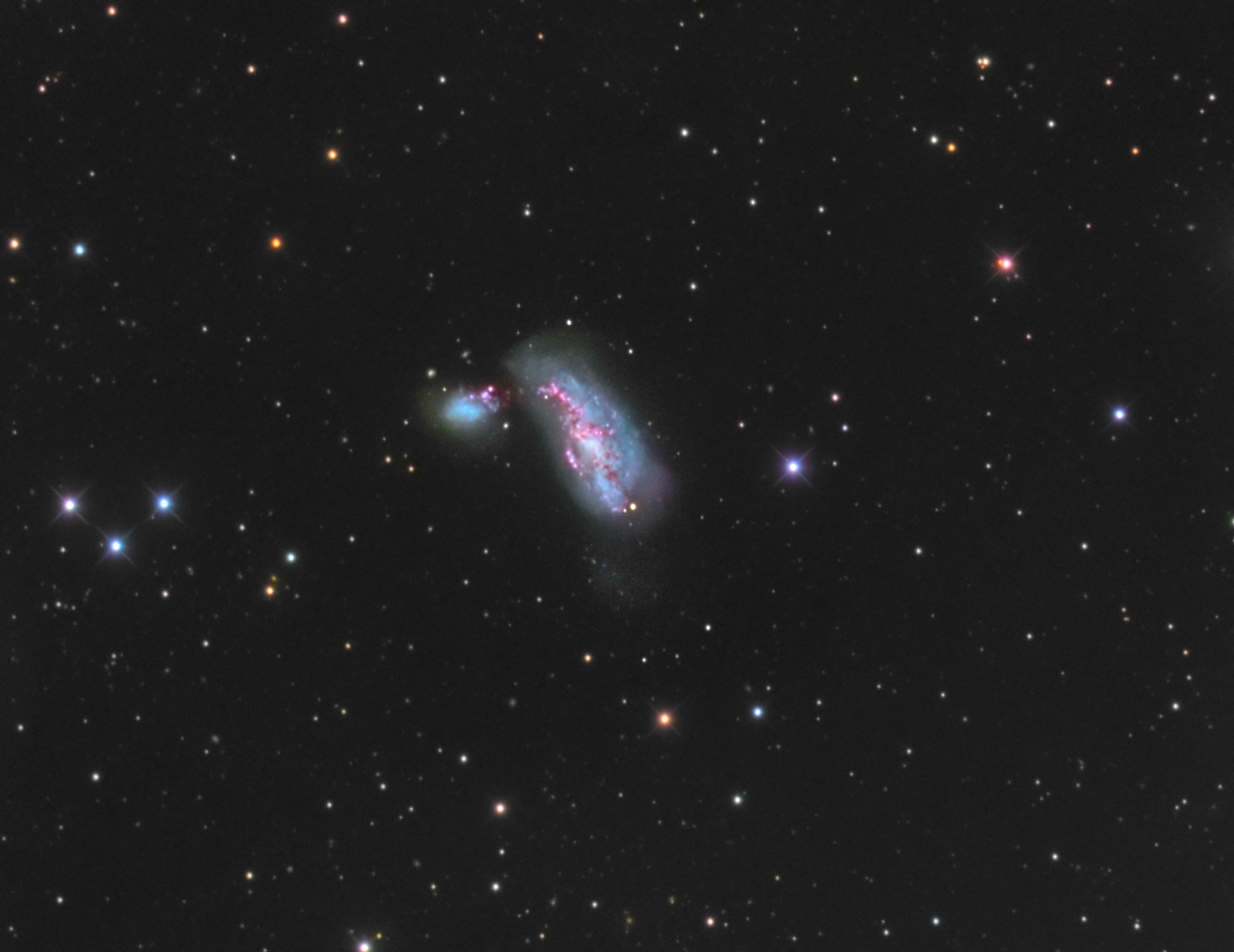
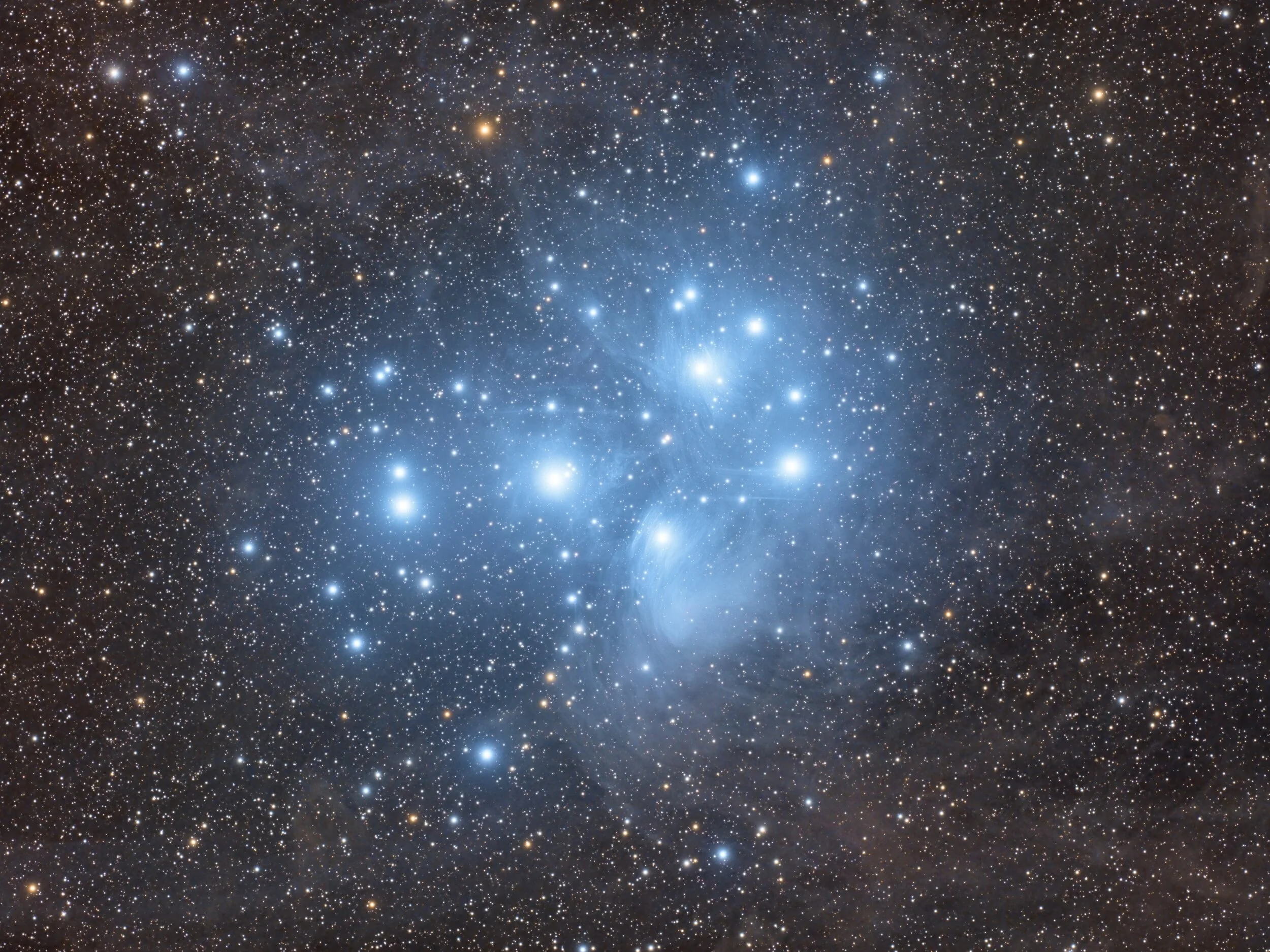
Seven Sisters in a Dusty Veil
Image Description and Details :
Visible to the naked eye, the Seven Sisters, or the Pleiades, is one of the best known open clusters. The blue reflection nebula around it is a popular target for imagers. Very deep images, like this one, show the surrounding faint clouds and tendrils of dust as well as some red H(II) emission regions.Acquisition, focusing, and control of Paramount MX mount (unguided) with TheSkyX. Focus with Optec DirectSync motor and controller. Automation with CCDCommander. Equipment control with PrimaLuce Labs Eagle 3 Pro computer. All pre-processing and processing in PixInsight. Acquired from my SkyShed in Guelph. Average transparency and average seeing. Data acquired December 6, 2020 – February 9, 2020 under a moonless sky.Takahashi FSQ-106 ED IV @ f/5 and QHY367C Pro one-shot colour camera with Optolong UV/IR filter.123 x 5mTotal: 10hr15m Image scale 1.9 arcsec per pixel.
Copyright: Ron Brecher
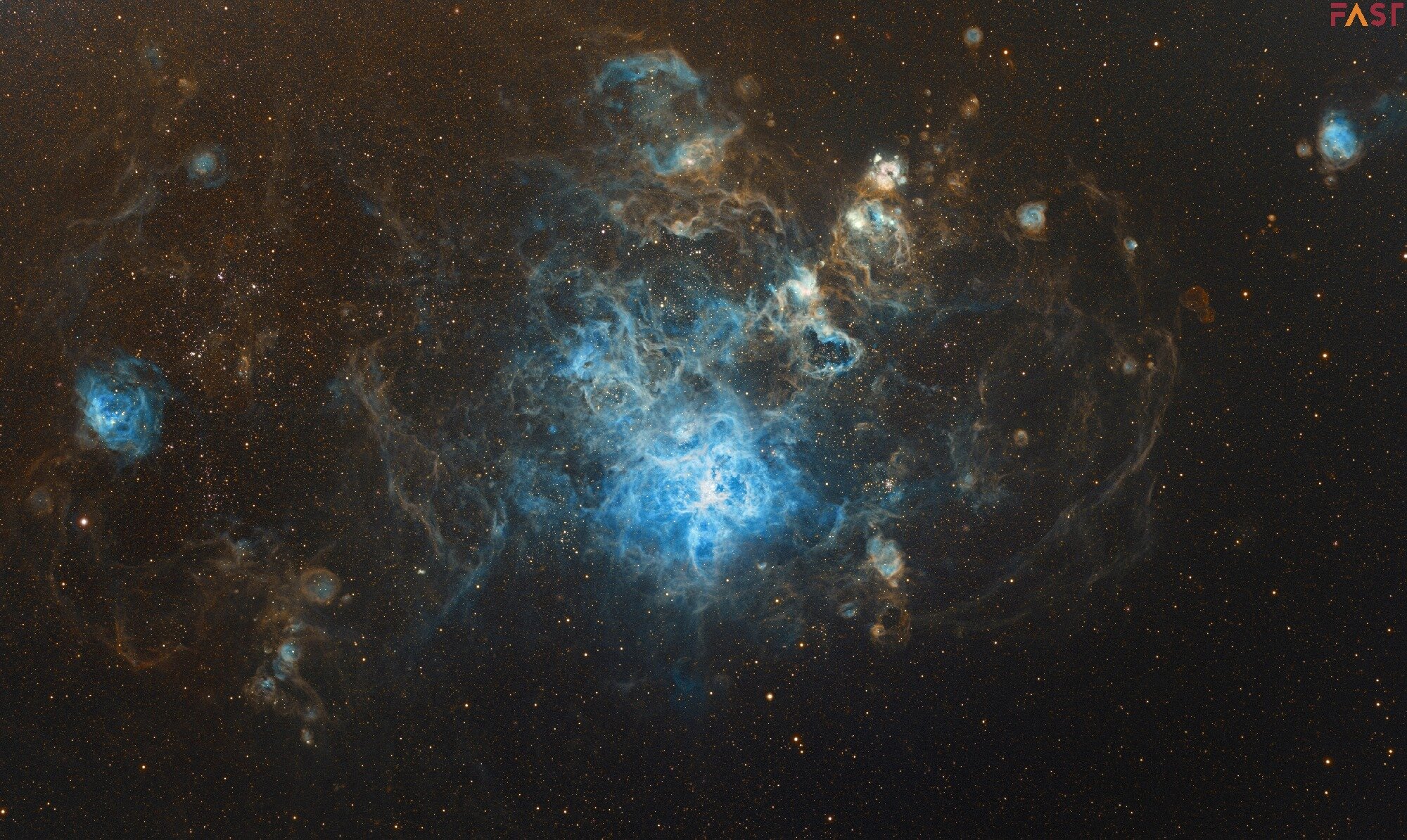
Tarantula nebula and beyond
Session automated with #FAST
Takahashi FS60c
ASI1600MM Pro
7 Position FW, 36mm
Feather Touch Starlight
Pegasus Astro
EQ6
Astronomik Ha 6nm: 140 ∙ 420s (gain: 139.00) -10C bin 1x1
Astronomik Ha 6nm: 10 ∙ 600s (gain: 139.00) -10C bin 1x1
Astronomik S2 6nm: 86∙ 420s (gain: 139.00) -10C bin 1x1
Astronomik O3 6nm: 96 ∙ 420s (gain: 139.00) -10C bin 1x1
Total exposure: ~39 hours
Location:
Colombari's Terrace, Belo Horizonte, Minas Gerais, Brazil
FAST · PSCS5 · Pixinsight
September - October - November - December 2020
January 2021
Copyright: Roberto Colombari
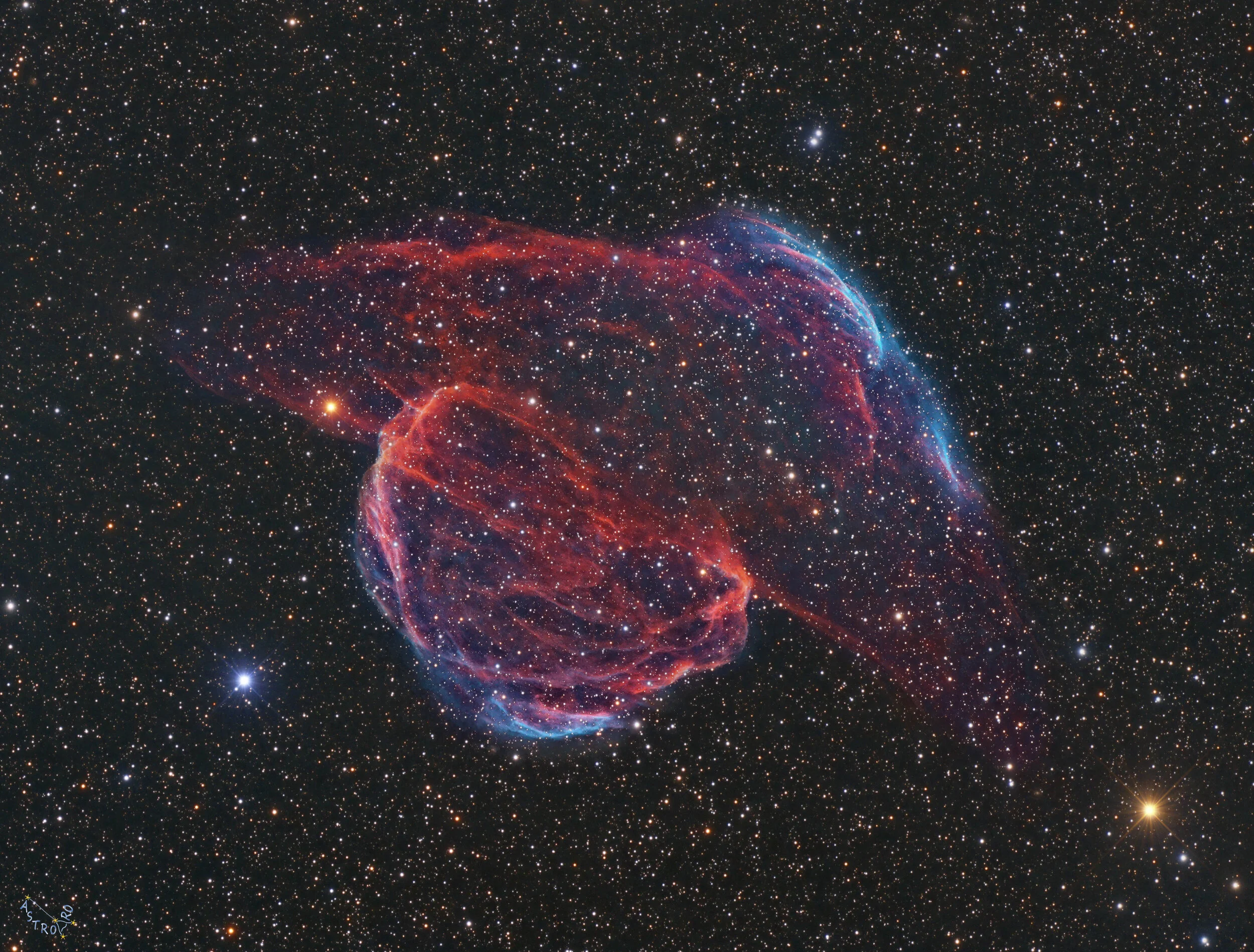
Sh2-224
Image Description and Details :
Sh2-224 in HOOlrvb made by Team ARO (astroaro.fr website) in Southern Portugal, Dark Sky Alqueva area. Francis Bozon, Jean-Luc Gangloff, Stéphane Gueyraud. Sh2-224 is a very weak supernova slash in the constellation of the Auriga, with an unusual shape.The acquisition of this photo was made with a Fsq 106 scope on ArEq6 Pro mount and Asi 1600MM camera.
The exposure times are as follows:Ha= 219X300''S2=112x300''O3=179X300''Luminance= 19x60''Red= 21x90''Green =20x60''Blue=23x60''That is a total time of about 33 hours
Copyright: TEAM ARO (Francis Bozon, Jean-Luc Gangloff, Stéphane Gueyraud.)
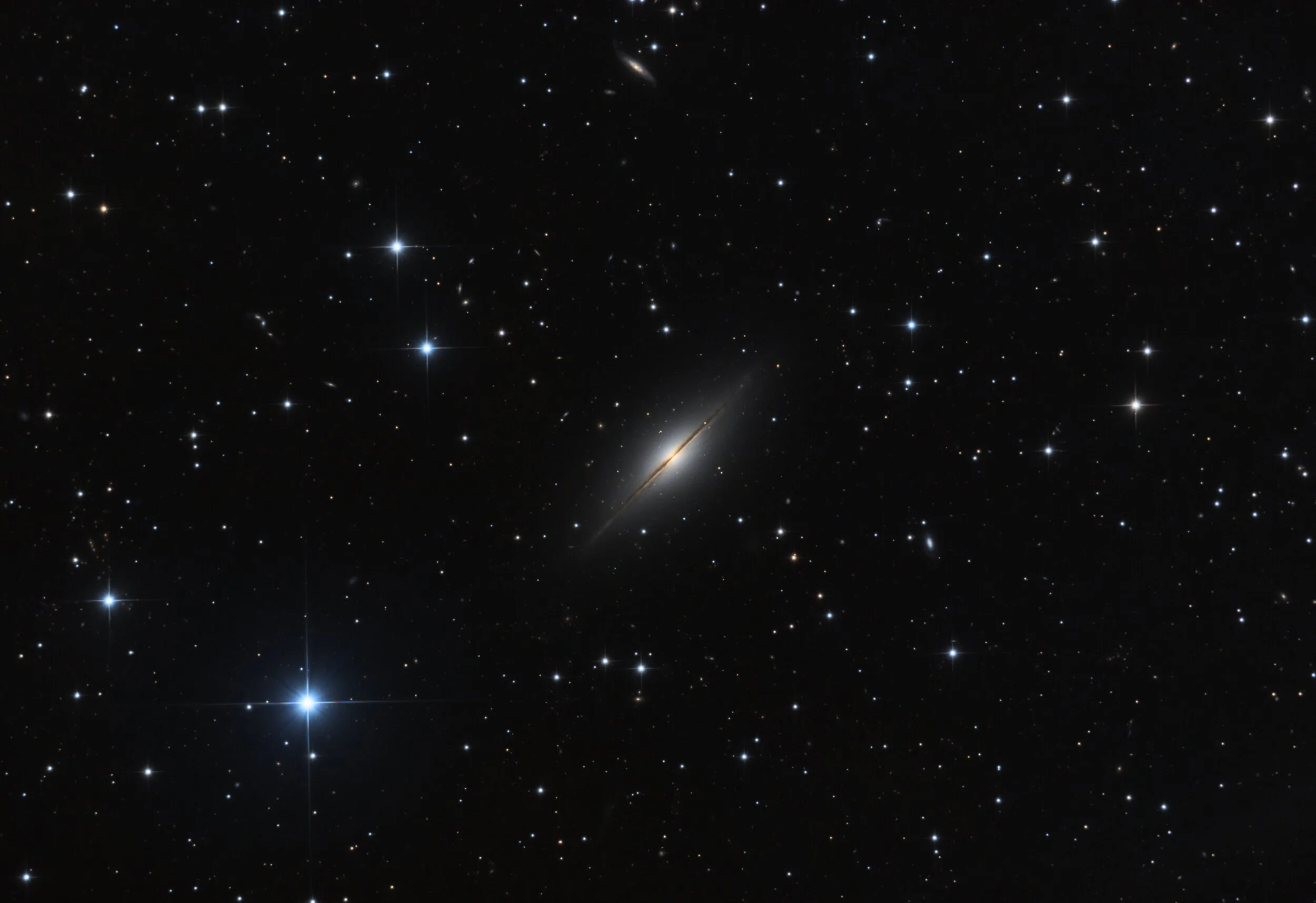

NGC 6888 Crescent Nebula
Image Description and Details : I photographed this composite image during July-August 2020 in my private observatory (Russia, Moscow region, Makeikha SQM 20.70 mag./arc sec2; Bortle class 4).Technical Data:Telescope: SkyWatcher Quattro 8SShooting Camera: ZWO Optical ASI 1600-MM COOLEDMounts: SkyWatcher EQ 8 PRO MountTelescope Guides: SkyWatcher EvoGuide 50EDGuide camera: ZWO ASI ZWO 120mm miniFocus Reducers: TeleVue Paracorr Type-2Program: Ivan Ionov Fitstacker · by Christian Buil Iris 5.59 · Fitswork 4 · Adobe Photoshop CS 5.1Filters: Astronomik LRGB 1.25 "the Type IIc · Baader Planetarium OIII 1.25" 8.5nm-CCD · Baader Planetarium H-alpha 1.25" CCD 7 nmFrames:Astronomik B (type 2c): 10x180" -20C bin 1x1Astronomik G (type 2c): 10x180" -20C bin 1x1Astronomik R (type 2c): 10x180" -20C bin 1x1Baader Planetarium H-alpha 1.25" CCD 7 nm: 105x600" -20C bin 1x1Baader Planetarium OIII 1.25" CCD 8.5nm: 60x600" -20C bin 1x1Accumulation: 29.0 hoursDark frames: ~ 15Flat field frames: ~ 15Offset Frames: ~ 15
Copyright: Sviatoslav Lips

The owl nebula - m97
The Owl Nebula, also known as Messier 97 (M97, NGC 3587, PN G 148.4+57.0), is a planetary nebula located in Ursa Major.
L-channel - 20 x 300 sec. bin 1x1;R-channel - 14 x 600 sec. bin 1x1;G-channel - 14 x 600 sec. bin 1x1;B-channel - 14 x 600 sec. bin 1x1;OIII- 40 x 900 sec. bin 2x2.Total integration time about 18:40 hours.
My setup: Telescope 8" Celestron Schmidt-Cassegrain (SCT) CPC800 GPS (XLT) on the equatorial wedge, focal reducer Starizona 0.75x, Feq.= 1626mm, camera Starlight Xpress Trius SX694, SX mini filter wheel, filters Astrodon LRGB E-series gen.2, Astrodon OIII 3nm.Capture and processing software: MaxIm DL6, PHD2, PixInsight, StarTools, Photoshop CC, Zoner photo studio 14.North at the top.
Copyright: Boris Vladimirovich
Ced 51
Ced 51 is an interesting juxtaposition of dark and light, containing dense dark nebula in the foreground abs curing portions of the greater hydrogen nebula flowing in red. Right in the middle is an active star forming region birthing new bright blue stars. Part of the greater lambda orionis ring (head of orion), this nebula complex is approximately 5000 light years from earth in the constellation of Orion, the hunter.
Technically, this was a challenge as to do the area justice, we shot a 4 panel mosaic to frame it right.
Imaging System: Planewave CDK14, Paramount ME2, FLI 16803/Chroma filters; Stellarvue SV130, Paramount Mx+, ZWO ASI533MC
Exposure – LHa/OSC, 42.7 hours
Location/Date - Fort Davis, Texas / December 2020
Credit/Copyright – Good Astronomy/Steve Timmons

Wishing Well Cluster
Image Description and Details :
Imaging telescopes or lenses: Astroworx® 12 F4 Truss Tube NewtonianImaging cameras: QHYCCD 600M ProMounts: ioptron CEM60-ECGuiding telescopes or lenses: Astroworx® 12 F4 Truss Tube NewtonianGuiding cameras: QHY5L-IISoftware: Starkeeper.it VOYAGERFilters: astrodon RGB Gen2Accessory: Nexdome ObservatoryDates:Feb. 17, 2021Frames: 40x120"Integration: 1.3 hoursAvg. Moon age: 5.36 daysAvg. Moon phase: 29.11%Data source: Backyard
Copyright: Diego Colonnello