

AAPOD2 Image Archives
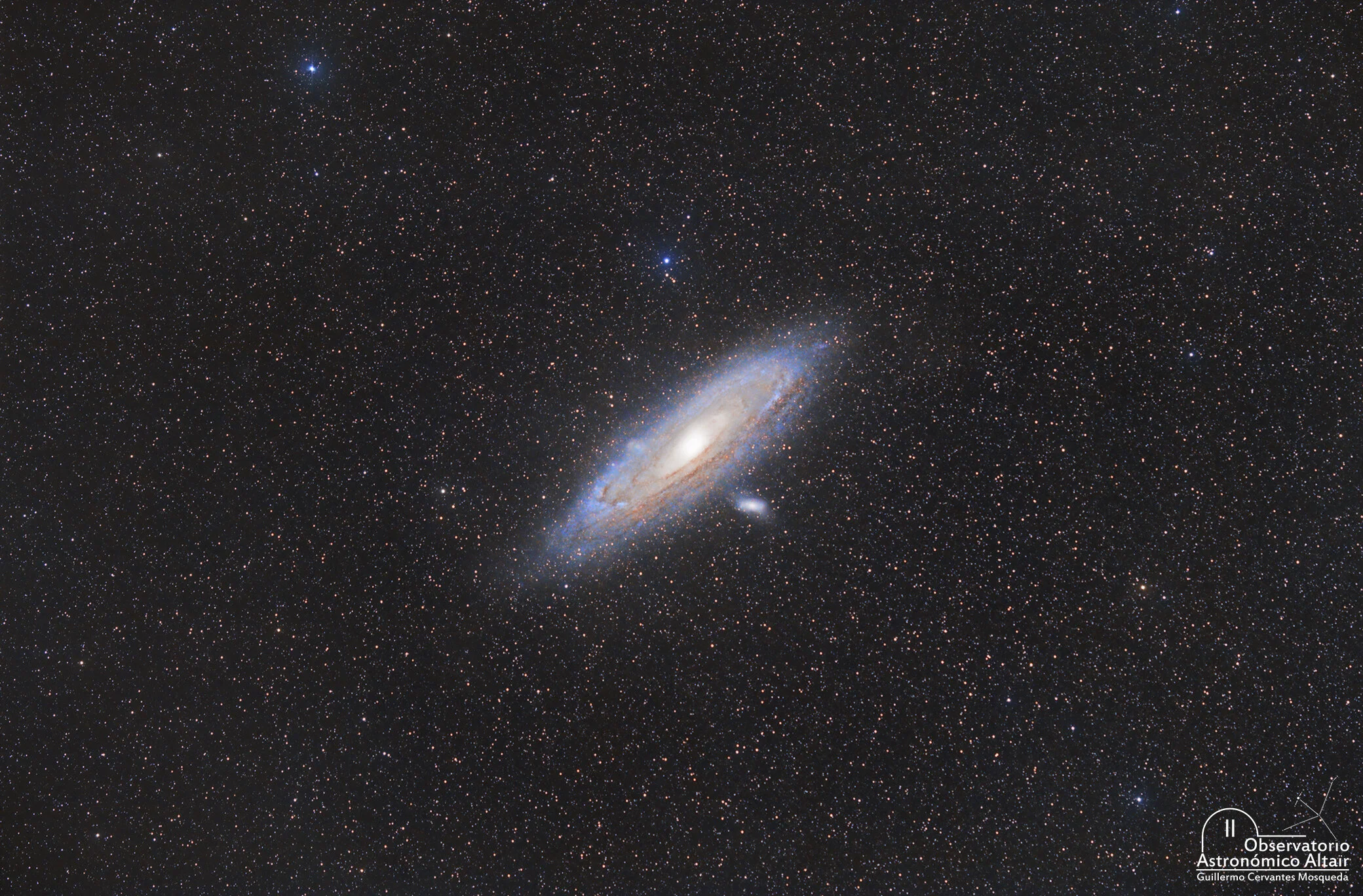
Andromeda Galaxy Complex
Image Description and Details :
Canon T3i (Dr. Caos)Samyang 135Sky Watcher Star AdventurerIntervalometroTomas: 60x60sIso: 1600F: 2.2Pixinsight 1.8Guillermo Cervantes MosquedaObservatorio CeCuCiMixtlán Jalisco México
Copyright Information: Guillermo Cervantes Mosqueda
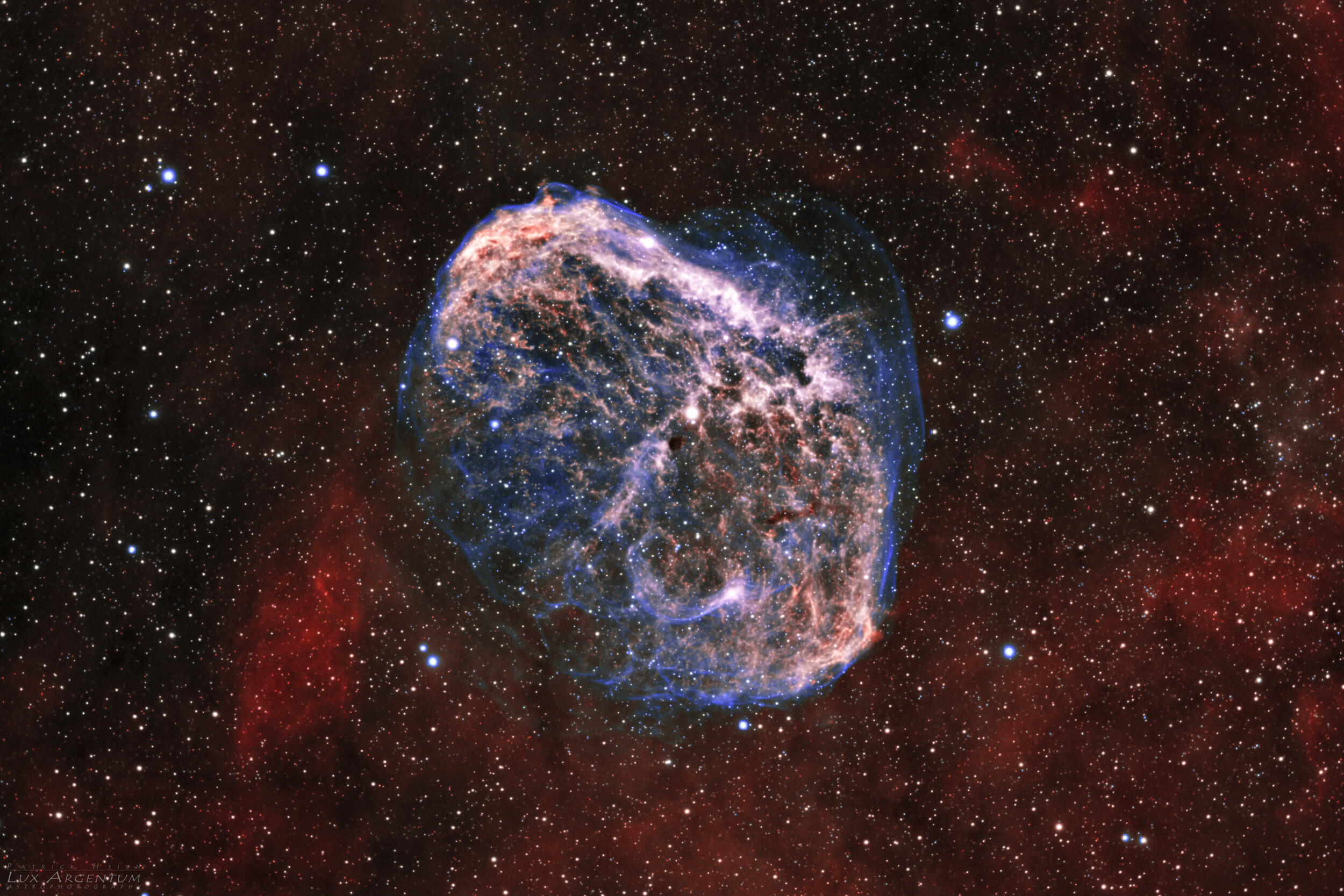
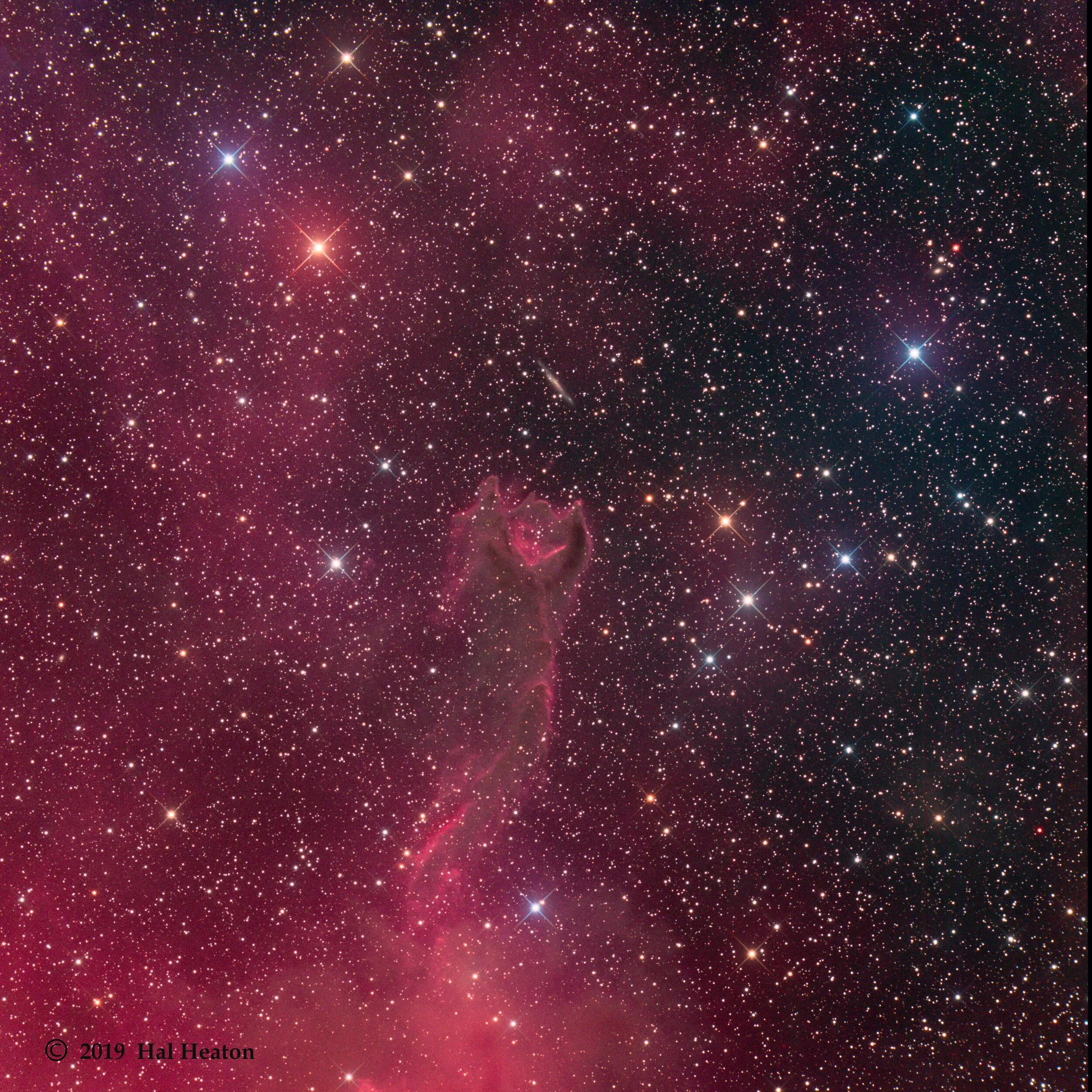
The Enchanting Cometary Globule CG4 in Puppis
Image Description and Details :
More than 30 cometary globules (CG) have been found in the Gum Nebula since the late 1970’s that generally have dense, dusty heads and long faint tails pointing away from the center of the Vela OB2 association. The intricate structure evident in this Ha-enhanced RGB image of CG4, render it as one of the most striking examples. The serendipitous appearance of the nearly edge-on background galaxy ESO 257 – G019 (PGC 21338) pointing to a tight circlet of stars about 9-arcmin above the center of the globule’s head adds to the drama of the image, as does the presence of the bright star-forming cloud Sa 101 beneath the globule’s tail. Located in Puppis approximately 1300 lys away, the head of CG4 spans nearly 2.9 lys at its greatest projected width on the sky. East is up and north is to the right on this image whose slightly cropped square-degree field-of-view spans 23.3 lys on a side at the assumed distance.
The data used to make this image were obtained by an FLI Proline 16803 CCD camera on Chilescope’s 0.5-m Telescope 2 (f/3.8) on the nights of March 30th and April 26th of 2019. A series of 10-min long unbinned exposures were taken through red, green, blue and H-alpha filters that were integrated for 40, 50, 50 and 50-mins, respectively, over the 65 x 65 arcmin2 field-of-view. Subsequent processing, which included preparation of a synthetic Luminance frame, was performed using CCDStack v.2 and Photoshop CC 2018.
Copyright Information: Hal Heaton
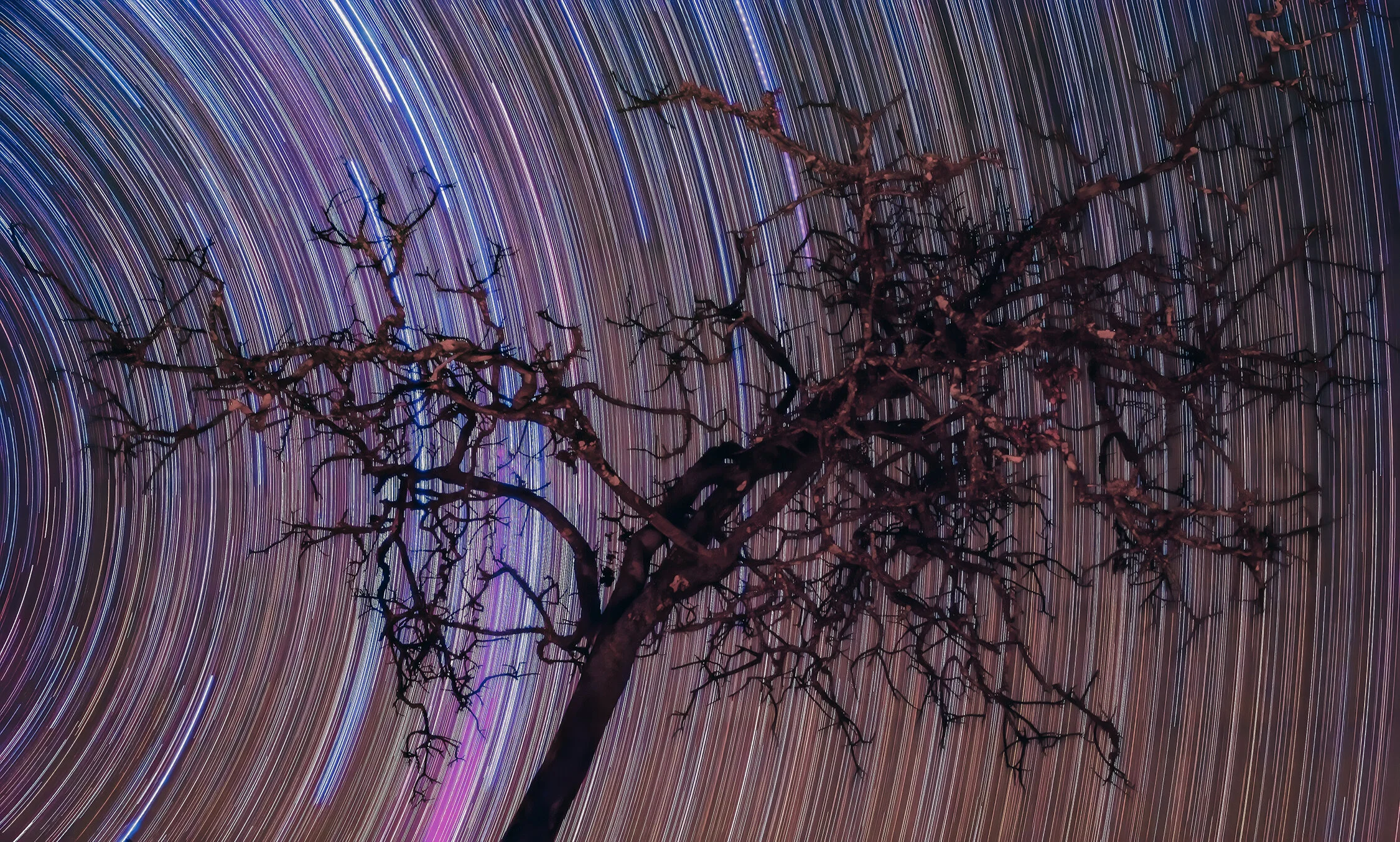
Star trail - Dry Tree
Image Description and Details : Startrail - dry treeVarjão de Minas / MG - São Gonçalo do Abaeté/MG07/11/2020 - 20h to 22hCanon Eos 6D modifiedBower 35mm F1.4, open in F460x120s, ISO 800
Copyright Information: Samuel Moitinho
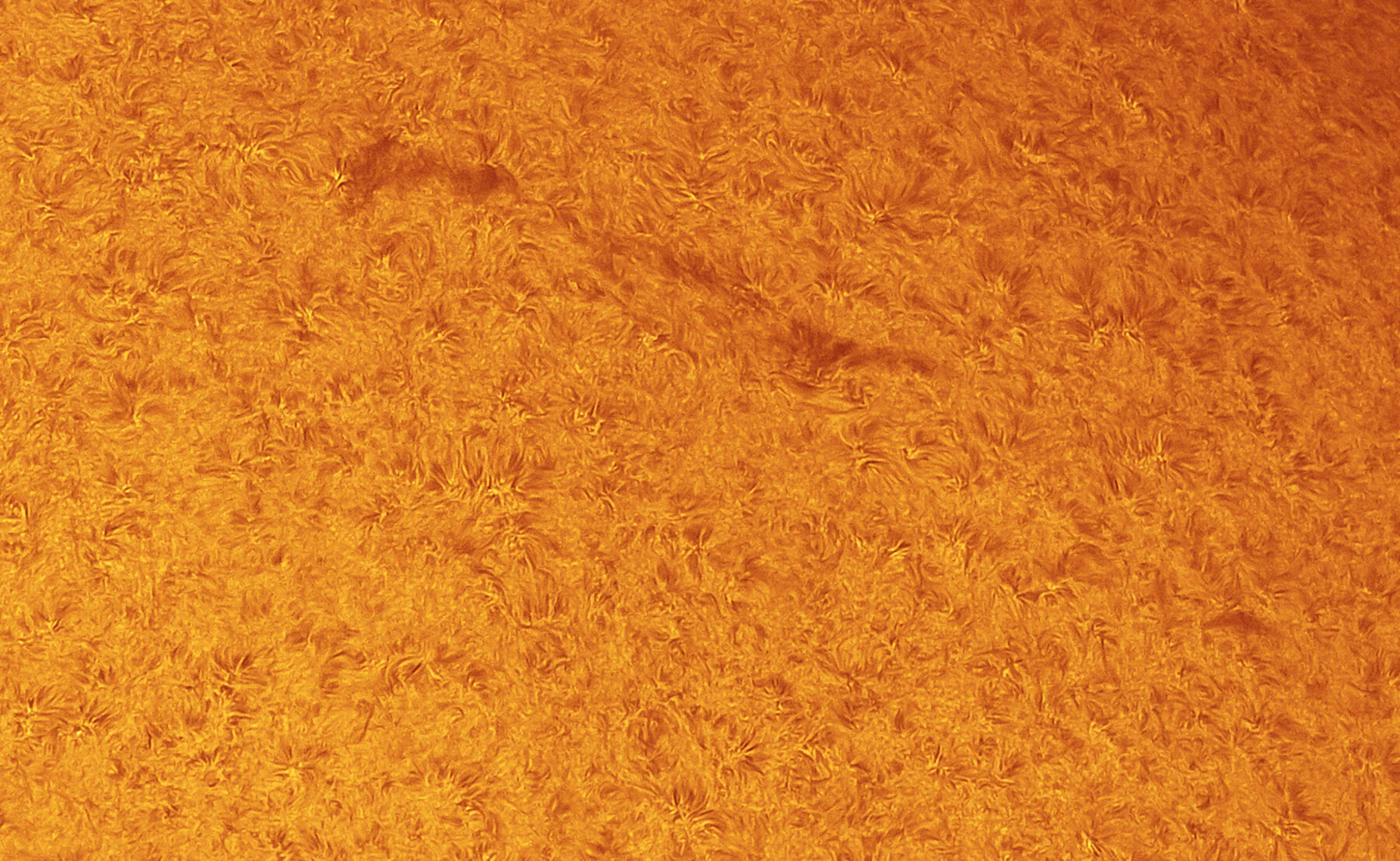
Solar filament in h-alpha
Image Description and Details :
The picture, taken on August 6th 2020 from Casalgrande (Italy), shows a large filament in the chromosphere
Telescope: Tecnosky acro 152/900mm at 3600mm of focal length Mount: Sky Watcher NEQ 6 ProCamera ZWO ASI 174MMFilter: Daystar Quark Chromosphere Average seeing and transparency conditions
Copyright: Alessandro Carrozzi

NGC 1398
NGC 1398 is an isolated barred spiral galaxy with an interesting double ring structure and feathery spiral arms positioned further out. It is located 65 million light years from the Earth, in the constellation of Fornax and has an estimated diameter of 135,000 light years, making it around 35 percent larger than the Milky Way. Over 100 billion stars are in the galaxy. Imaged in LRGB on our Officina Stellare RiDK 700 at El Sauce, Obstech, Chile Image Processing: Mike Selby System Control Software: Voyager by Leo Orazi
Copyright: Mike Selby
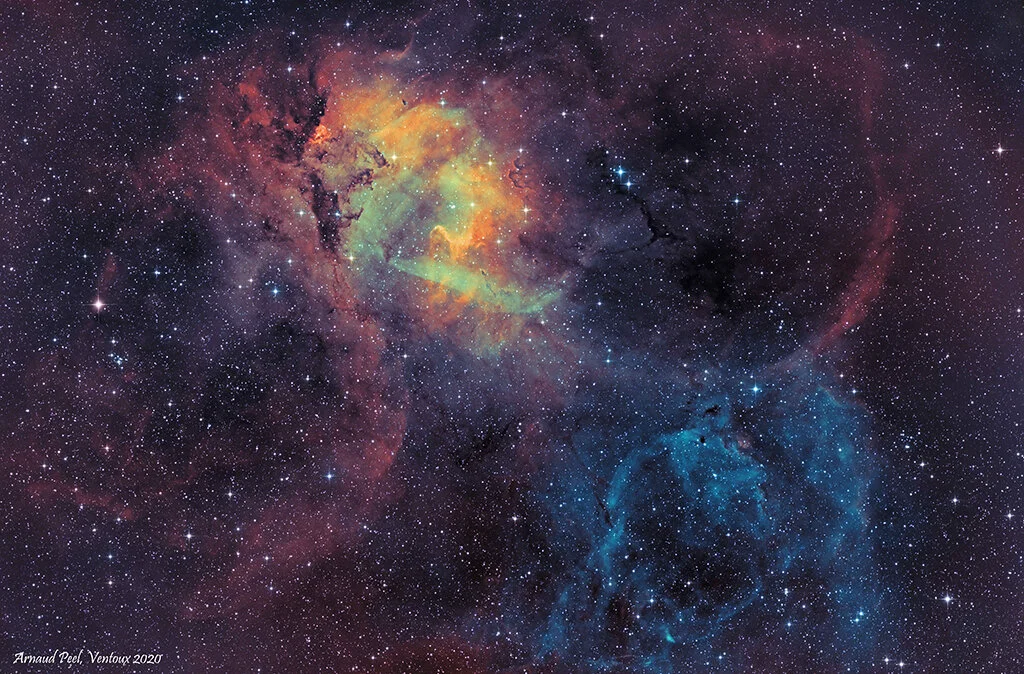
Lion 's Head SH2-132 in HOO
Image Description and Details :
Taken in the South of France , near Ventoux mountain
Newton 300mm F4 with the ZWO ASI6200, mix SHO and RGB stars
50 H-alpha subs @300s gain 100 and -15°C50
OIII subs @300s gain 100 and -15°C20
Blue subs @60s gain 100 and -15°C20
Green subs @60s gain 100 and -15°C20
Red subs @60s gain 100 and -15°C
Total exposure more than 9 hours
Copyright Information: Arnaud PEEL

Ptolemaeus, Alphonsus and Arzachel (PAA)
Image Description and Details :
Moon 1 day and 8 hours before the third quarter, September 9, 2020. All the majesty of the icon of the lunar surface structures - Ptolemaeus, Alphonsus and Arzachel (PAA). Faint shadows accentuate the relief of the craters. In Alphonsus Crater, a "web" of clefts with several dark halo craters (DHC) is an artifact of ancient lunar volcanism. The young Arzachel crater, the depth of the expressiveness of the terraced slopes and the impressive central hill, shows that it is the youngest of the three; above it a small Alpetragius with a dome in the center, on the left "budding" Thebit, further Rupes Recta (Straight Wall) and Rima Birt, on the right two large craters - Albategnius and Hipparchus. Two chains of craters - Catena Davy and Catena Abulfeda - are perfectly visible near Ptolemy.Achromatic refractor TS152/900, Barlow Celestron Ultima 2x (F eq. 2270mm), ASI290MM, Baader Halpha 35nm filter, EQ-ATM, FireCapture2,6, Autostakkert!3 (250/2000), Registax6. Multistacking.
Copyright Information: Jerzy Łągiewka "Loxley"
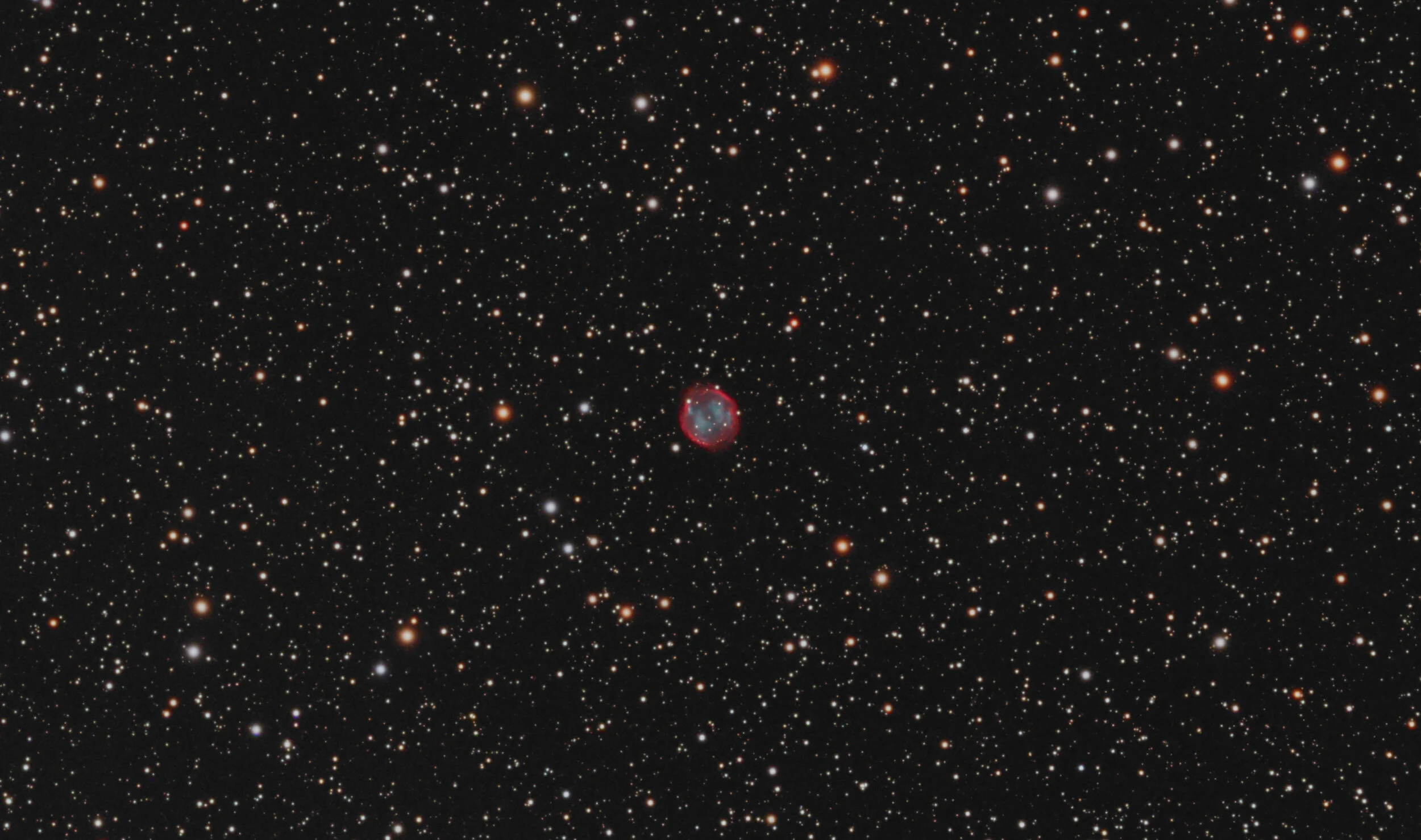
NGC 7139 captured by a full moon
Image Description and Details :
NGC 7139 is a bright planetary nebula in the constellaton of Cepheus. Image captured on my dual rig in Spain during full moon.Scopes: APM TMB LZOS 152 RefractorsCameras: QSI6120wsg8Mount: 10Micron GM2000 HPSExposures:Ha 7x1800" and 48x900"OIII 48x900"Blue 20x300"Green 17x300"Lum 59x300"Red 16x300"Total Integration: 36.8 hours
Copyright: Peter Goodhew
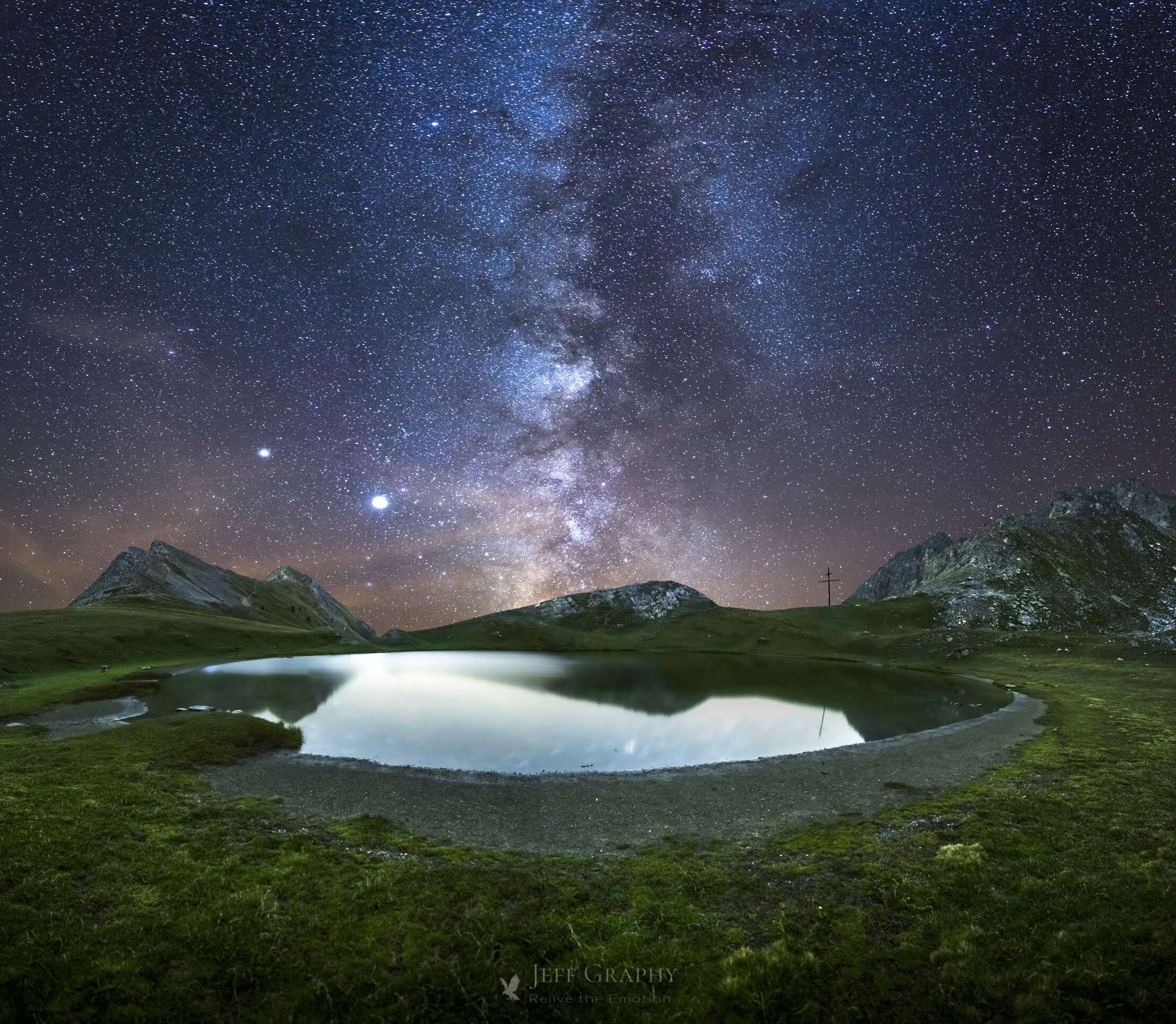
The Eye of the Queyras
Image Description and Details : Perched at an altitude of 2492m, this lake is located in an environment of dolomitic sedimentary rocks (composed of at least 25% dolomite).Downstream of this lake, the slopes are made up of glossy shales testifying to the presence of the bottom of an ocean more than 3000m deep 150 million years ago.Moreover, on the Pic of Rochebrune located not far from this lake, it is possible to find fossils of ammonites reflecting the presence of a hot so shallow!Today, this lake is a must-see destination for families wishing to have a picnic after an hour-long stroll! Technical :This is a panoramic view of 12 photos.Foreground : each photo is stacking of 5 photos with exposure of 1"30 @ 2000 iso.Milky Way : each photo is stacking of 9 photos with exposure of 13 seconds @ 4000 iso.I used a Canon 5D MKIII and lens Samyng 24mm f/1.4 (@ f/2.5) on tripod.Place : Lake of Shoes (Hautes-Alpes France). Copyright Information: Jeff Graphy
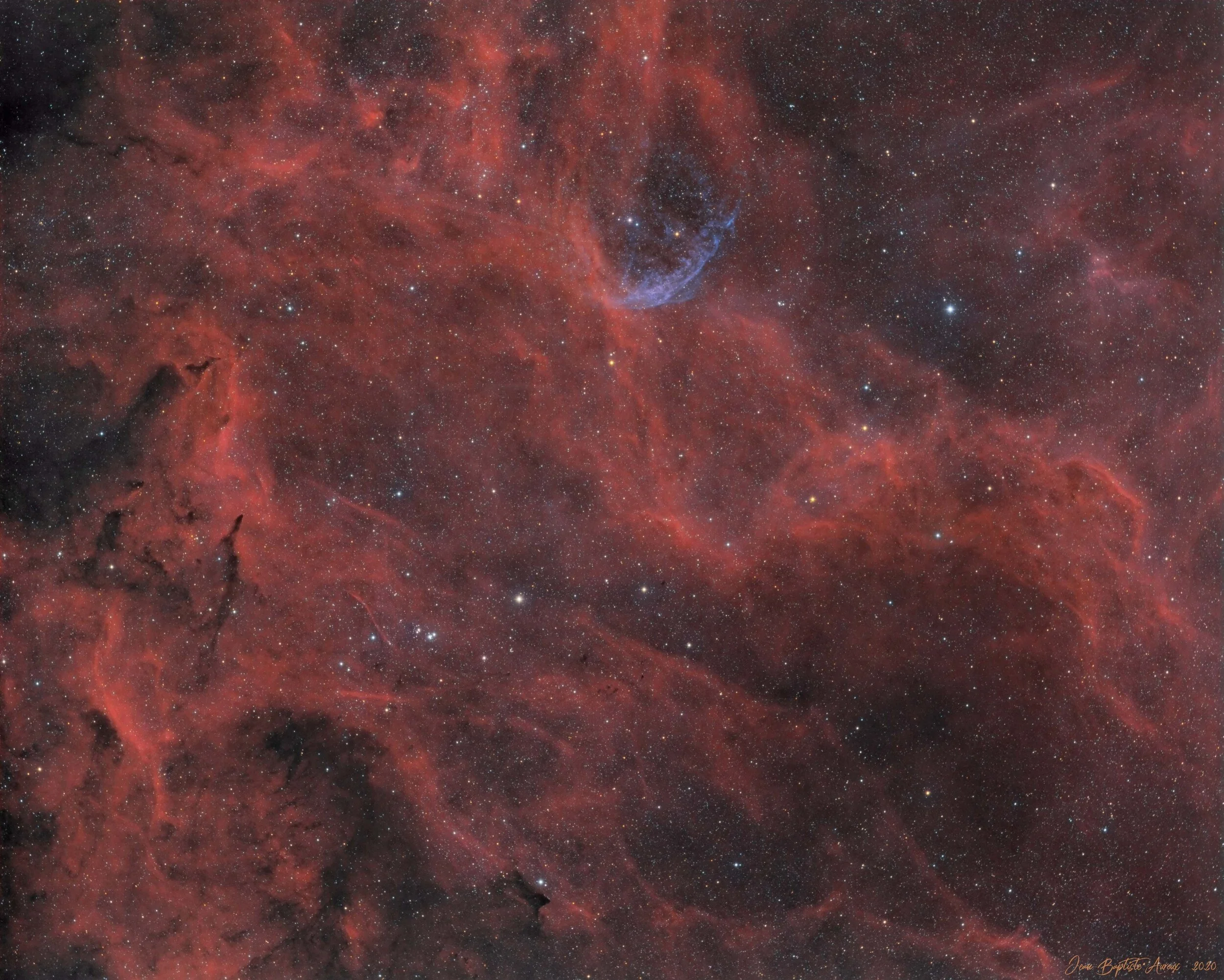
WR 134 Nebula
Image Description and Details :
WR 134 is a variable Wolf-Rayet star located around 6,000 light years away from Earth in the constellation of Cygnus, surrounded by a faint bubble nebula blown by the intense radiation and fast wind from the star. The bubble nebula is essentially visible in OIII. Image made in HOO mixing + RGB for the star colors. TSA102 - AZEQ6 - CCD Atik 16200Filters Baader ultranarrowband Ha 3,5nm & OIII 4,5nmGuiding : OAG + Atik GPHa : 68 x 900s bin1 OIII : 20 x 900s bin1 + 58 x 600s bin2 RGB : 36 x 300sTotal integration : 35h Processing : Pixinsight, Starnet++, Photoshop 2020
Copyright Information: Copyright : Jean-Baptiste Auroux

LDN 673 in Eagle
Astrograph 250/1000About 071 PRO.
Expo: 125 x300s.
Czech republic.
Copyright: Libor Richter
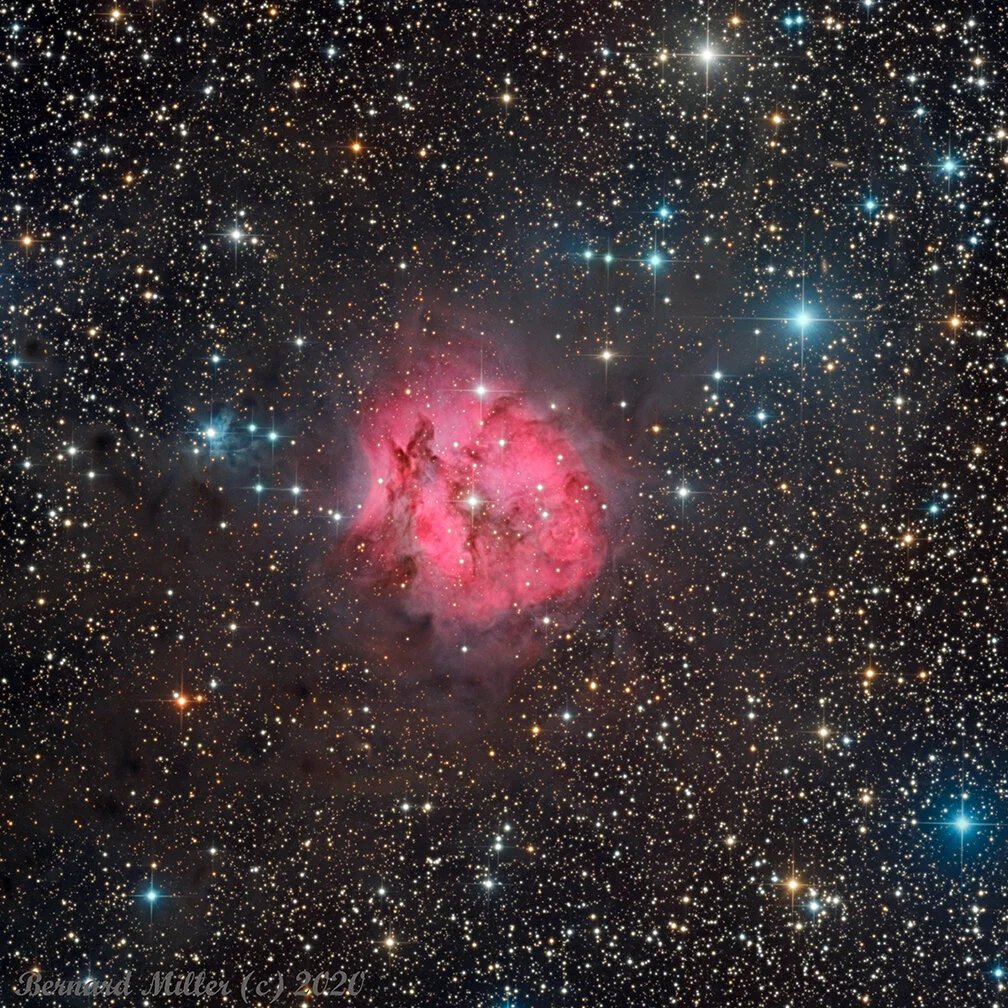
IC5146 - The Cocoon Nebula
Location: Dark Sky New Mexico
Telescope: Planewave CDK-17
Camera: FLI PL16803
Mount: Paramount ME
Luminance: 21x20 minutes (binned 1x1)
Red: 12x15 minutes (binned 1x1)
Green: 12x15 minutes (binned 1x1)
Blue: 12x15 minutes (binned 1x1)
COPYRIGHT: Bernard Miller

IN PROFUNDIS CASSIOPEIA
IN PROFUNDIS CASSIOPEIA - 24 panels mosaic - hybrid palette
Full resolution : https://www.astrobin.com/full/wsrzps/0
27066x8821 pixels = 228 megapixels
26°18m x 8°34m = FOV
Ha 143 x 20m = 47h40m
OIII 39 x 20m = 13h
SII 55 x 20m = 18h20
Red 24 x 5m = 2h
Green 24 x 5m = 2h
Blue 23 x 5m = 1h55m
Red 439 x 3m = 21h57m
Green 432 x 3m = 21h36m
Blue 418 x 3m = 20h54m
Ha 35 x 10m = 5h50m
Total exposure = 155h12m
Captured from my backyard in 2015, 2019 and 2020 with Takahashi FSQ106 modified @f/5
The entire capture process was done with SkySurveyor with full frame autoguiding and autofocus
COPYRIGHT: David Lindemann
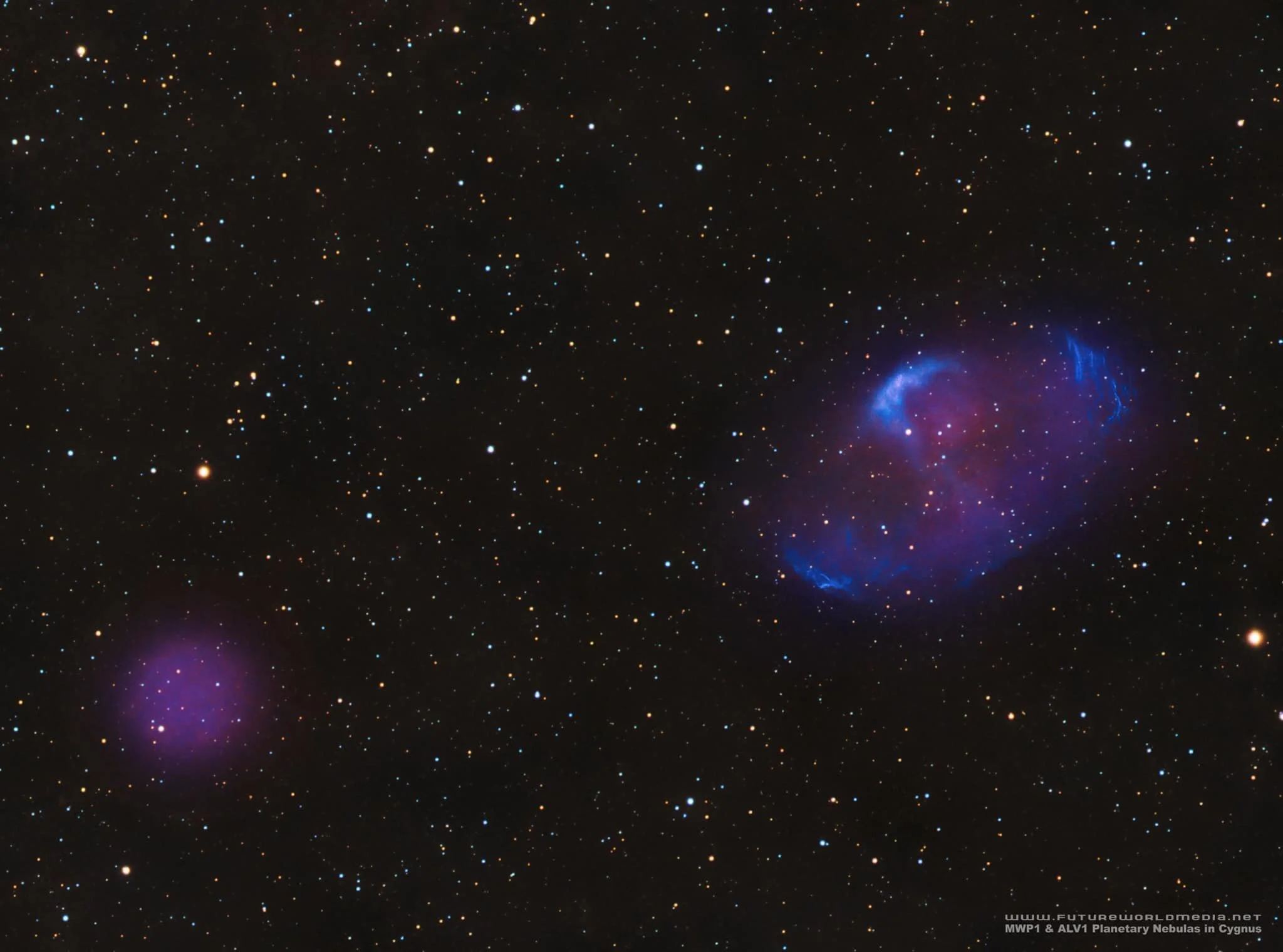
MWP1 & ALV1 Planetary Nebulas
The large and older planetary nebula, PK 080-10.1, was just discovered in the 90s of the last century by Motch, Werner and Pakull (hence the name MWP, which was formed from the initials of the discoverers' names. When they examined a weak X-ray source in the swan. The X-ray source turned out to be the central star of a planetary nebula. The central star is not a normal white dwarf, but a pulsating star of the type GW Vir. GW Vir stars pulsate with periods of less than one hour through non-radial gravity waves.
Imaging telescopes or lenses: Stellarvue SVX102T-R & Explore Scientific 152 mm Carbon Fiber
Imaging cameras: ZWO ASI1600MM-PRO & ZWO ASI1600MM-Cool
Mounts: Astro-Physics Mach 1 GTO & Orion Atlas Pro AZ/EQ-G
Guiding telescopes or lenses: Orion 80mm Short Tube & ZWO 60mm Guidescope
·
Guiding cameras: · Starlight Xpress Lodestar x2
Software:
Adobe Photoshop CS5.5
· PHD2
· Sequence Generator Pro
· PixInsight
Filters: · Astronomik ·
Accessory:
Hotech 2" SCA Self-Centering Field Flattener · QHYCCD PoleMaster · ZWO 8x 1.25" Filter Wheel (EFW) · MoonLite CFL 2.5" Large Format Focuser
Frames:Astrodon Ha 5nm: 639x120" (gain: 200.00) -20C bin 1x1Astrodon OIII 3nm: 778x120" (gain: 200.00) -20C bin 1x1Astronomik Deep-Sky B: 60x60" (gain: 0.00) -20C bin 1x1Astronomik Deep-Sky G: 60x60" (gain: 0.00) -20C bin 1x1Astronomik Deep-Sky R: 60x60" (gain: 0.00) -20C bin 1x1
Integration: 50.2 hours
COPYRIGHT: Douglas Struble
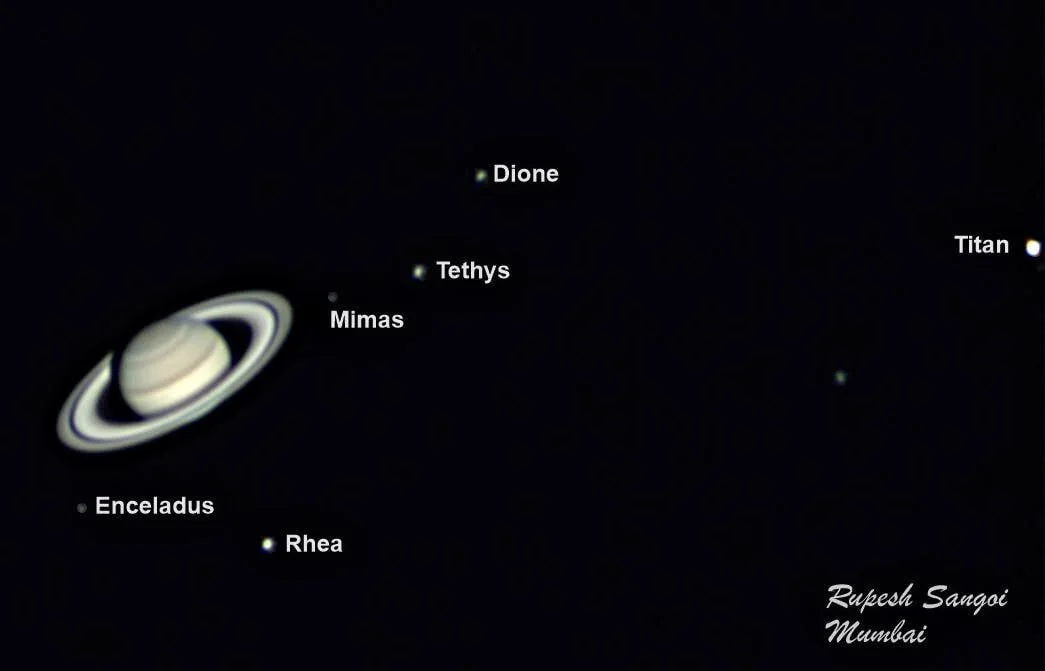
Saturn and its moons
Saturn and its moonsImaged from Mumbai yesterday Celestron Nexstar Evolution Edge HD8 ZWO 294MC PRO, 2X barlow Processed in AS2 R6
COPYRIGHT: Rupesh Sangoi
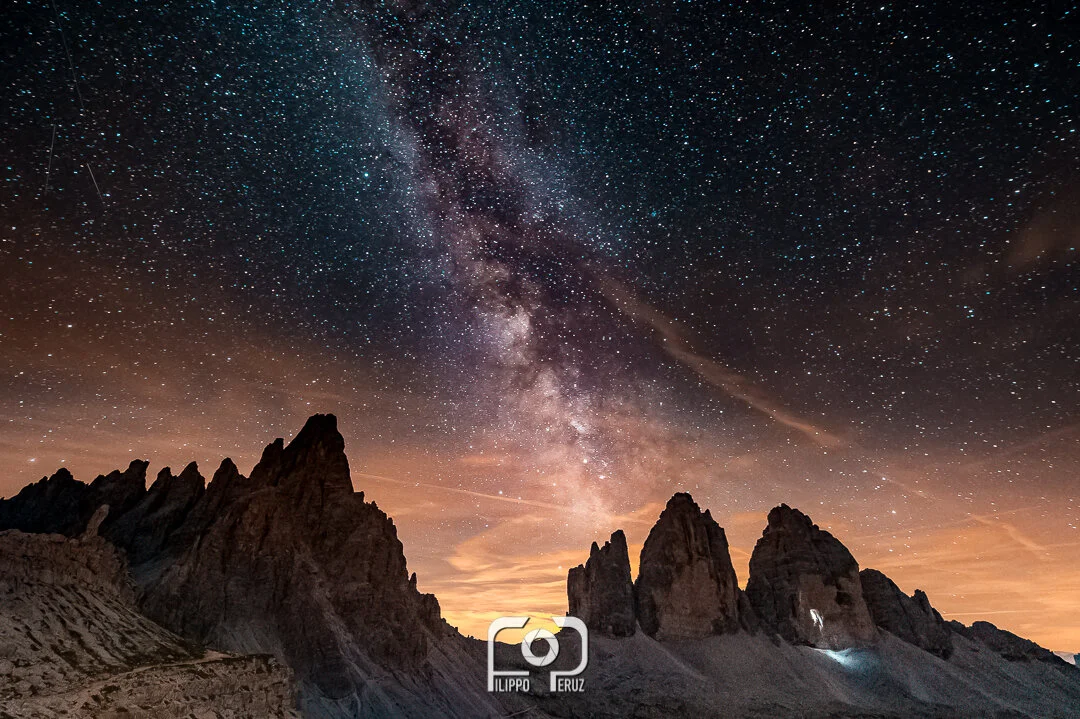
Milky Way and Tre Cime di Lavaredo
I shot it with a Nikon D4 with a Tamron 15-30 f2.8.
Here the exif data:
F2.8
30"
15mm
iso10000
It's a single shot and post producted with Lightroom.
Copyright Information: Filippo Peruz Photography
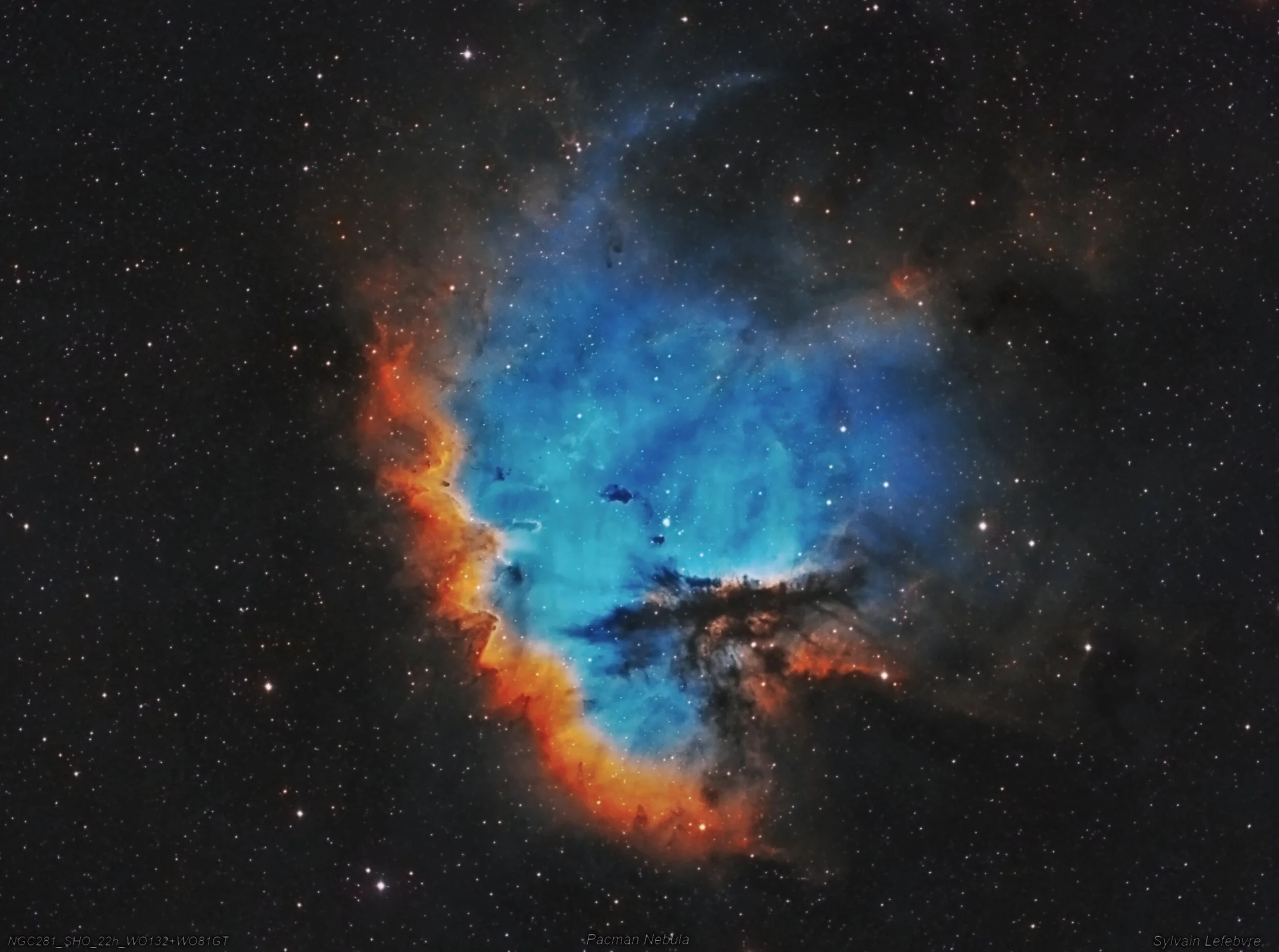
Pacman Nébula
SII_68x10min __ William Optic 81GT Ha_38x10min OIII_33x10min WO132FLT William Optic 132FLT +reducer flattener .8x SBIG STF-8300 -25c_ Chroma filters 5nm William Optic 81GT +reducer flattener .8x ASI183MM. Pro -25c. Badder filters guide scope _William Optics 61 GS /APO _. ASI290MM - Ioptron Commander -Focus cube2 SGP,PHD2, ,NINA ,APP, PIXINSIGHT
Copyright Information: Sylvain Lefebvre
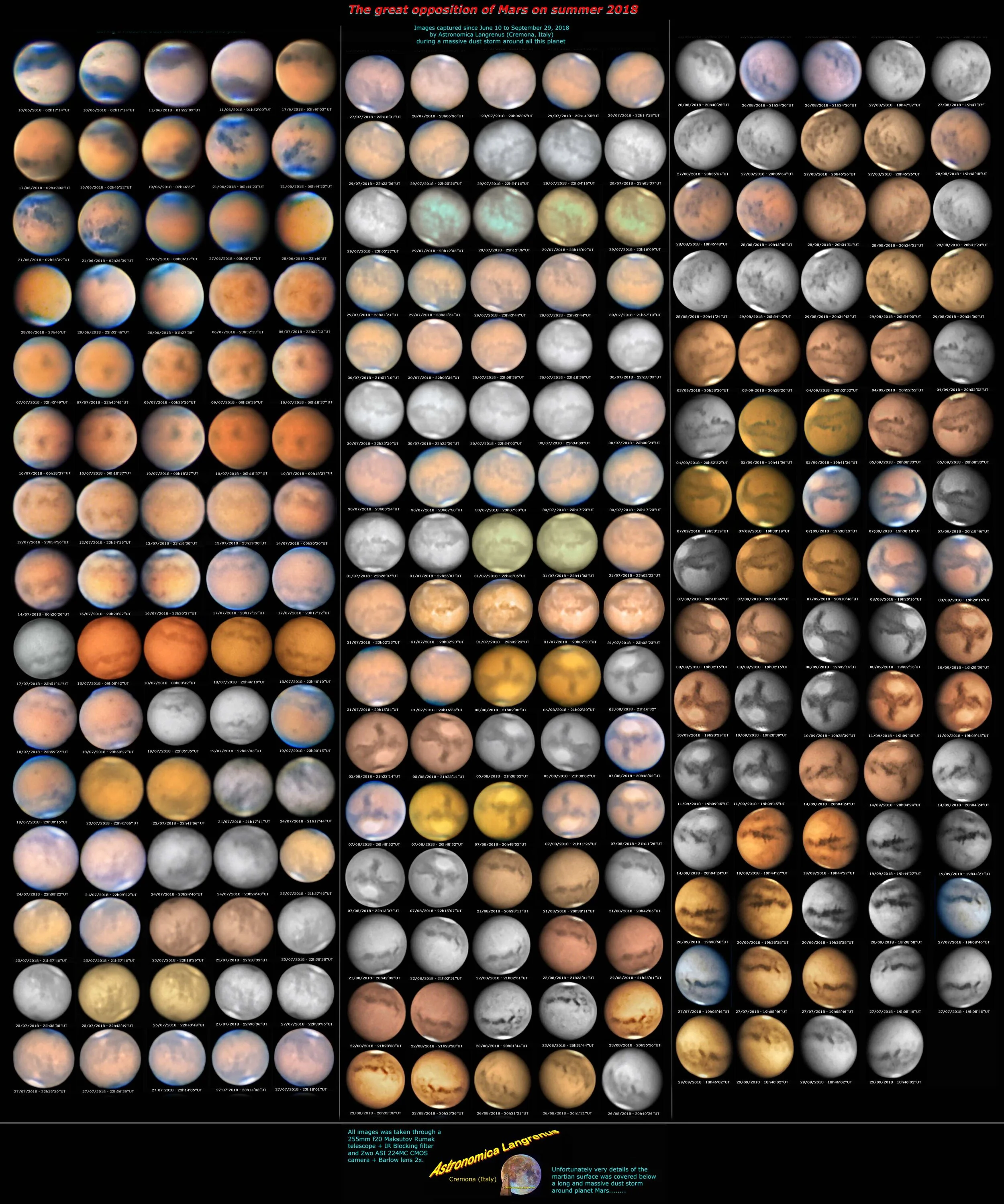
2018: The great opposition of Mars during a long and massive dust storm around this planet
Image Description and Details :
During summer 2018 the planet Mars was unfortunately covered by a long and massive dust storm. These images was taken since June 10 to September 29, 2018 through a 255mm F20 Maksutov Rumak telescope + IR Blocking filter + Zwo ASI 224MC CMOS camera and Barlow 2x.
Copyright Information: Francesco Badalotti

North America complex
Image Description and Details :
Imaging telescopes or lenses: TSAPO65Q TS - Optics TS APO65Q , Astro Tech AT106LEImaging cameras: ZWO ASI294MC Pro , QHYCCD QHY183MMounts: SkyWatcher EQ6 belt-modded , SkyWatcher EQ3 Pro SynScan GoToGuiding telescopes or lenses: Skywatcher 9x50 finder guider , Astro Tech AT106LEGuiding cameras: QHYCCD QHY 5 II L M , QHYCCD 5Focal reducers: TS-Optics TSFlat2 FlattenerSoftware: Astro Pixel Processor Astro Pixel Precessor , Adobe Phosotshop CC 2019 , Stellarium 0.19.1 , Sequence Generator PRO , PixInsight , SharpCap proFilters: Baader Planetarium O3 1.25" 8.5nm , Astronomik 6nm Ha Clip-In Filter , Baader 1.25" Ultra-narrowband 3.5nm Ha , Altair Astro tribandAccessory: Starlight Xpress USB filter-wheel 7x1.25" , Rigel Systems GSUSB nStep Focuser , Moonlite 2.5 inch Focuser with high resolution stepper motor , Pegasus Astro FocusCube , TS OAG 9mm , QHYCCD PolemasterFrames:
Astronomik 6nm Ha Clip-In Filter: 450x300" (gain: 200.00) -15C bin 1x1Baader Planetarium O3 1.25" 8.5nm: 450x300" (gain: 11.00) -20C bin 1x1Baader 1.25" Ultra-narrowband 3.5nm Ha: 450x300" (gain: 11.00) -20C bin 1x1Altair Astro triband: 450x300" (gain: 200.00) -15C bin 1x1
Integration: 150.0 hours
Copyright Information: Emil Andronic