

AAPOD2 Image Archives
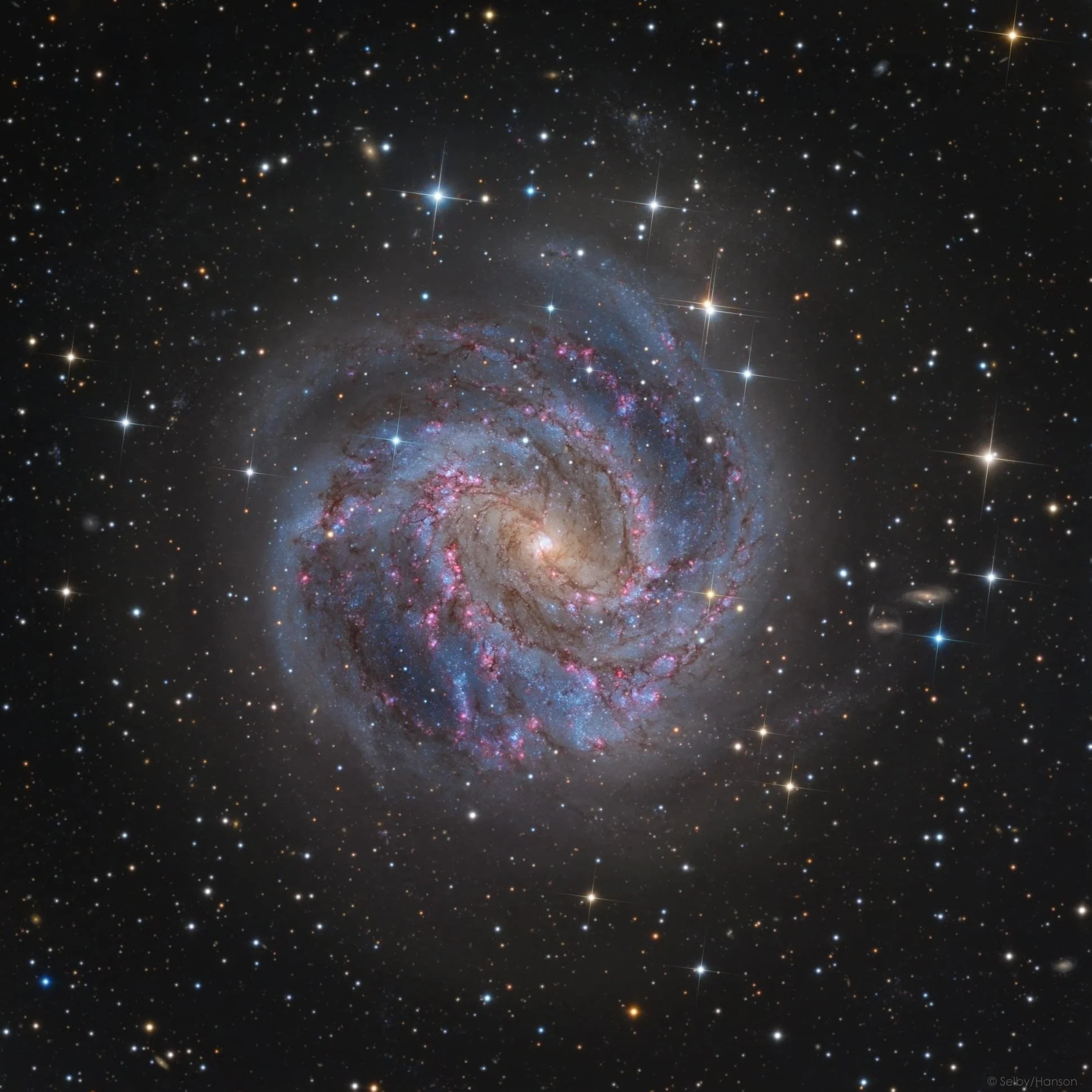
M83
One of the highlights of the Southern sky, M83 is often referred to as the Southern Pinwheel. It is a colorful barred spiral starburst galaxy located only 15 million light years away in Hydra.
M83 has an unusual double nucleus and houses a super massive black hole at its center apparently surrounded by an asymmetric disc of stars. It has also been the home of at least six observed supernovae and nearly 300 supernovae remnants have been identified.
Imaged in LRGB and H alpha on our PlaneWave CDK 1000 at Observatorio El Sauce, Chile.
Copyright: Mike Selby and Mark Hanson
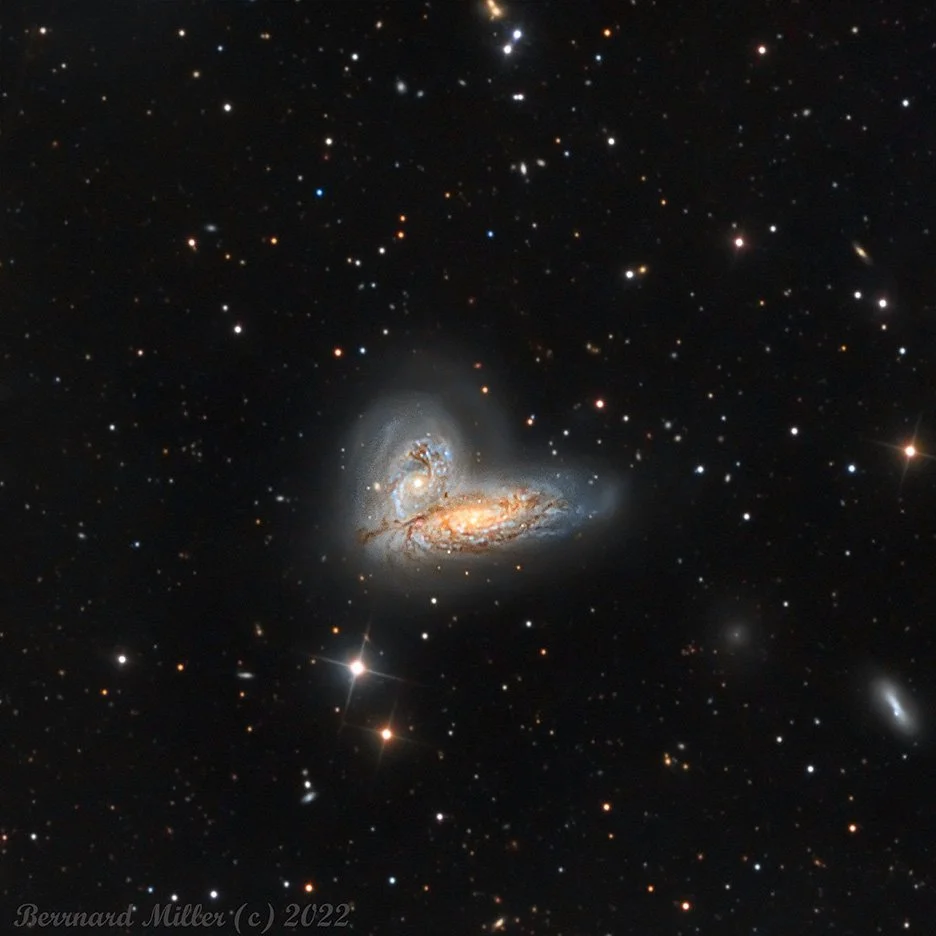
The Siamese Twins Galaxies
This is an image of NGC 4567 and NGC 4568, also known as the Siamese Twins or Butterfly Galaxies. They are a set of unbarred spiral galaxies about 60 million light years away in the constellation Virgo. They are in the process of colliding and merging with each other with high star formation where they overlap.
March 10 - April 4, 2022
Location: Dark Sky New Mexico
Telescope: Planewave CDK-17
Camera: FLI PL16803
Mount: Paramount ME
Luminance: 27x20 minutes (binned 1x1)
Red: 16x15 minutes (binned 1x1)
Green: 16x15 minutes (binned 1x1)
Blue: 16x15 minutes (binned 1x1)
Copyright 2022 Bernard Miller

NGC 4725
Image Description and Details :
Telescope: Celestron C11
Focal length: 1800mm @ f6.3
Starizona SCT Reducer/Corrector
Mount: CGX
Camera: ASI294MC-P
Filters: Optolong L-eNhance/UVIR cut
Autoguiding: Celestron OAG
Guide camera: ASI174mm mini
Integration time: 8 hours
Exposure time: 120 seconds
Calibration: 50 Darks, 30 Flats/Dark Flats
Bortle 5
Software:
NINA
PHD2
PixInsight
Copyright: Ralph MacDonald
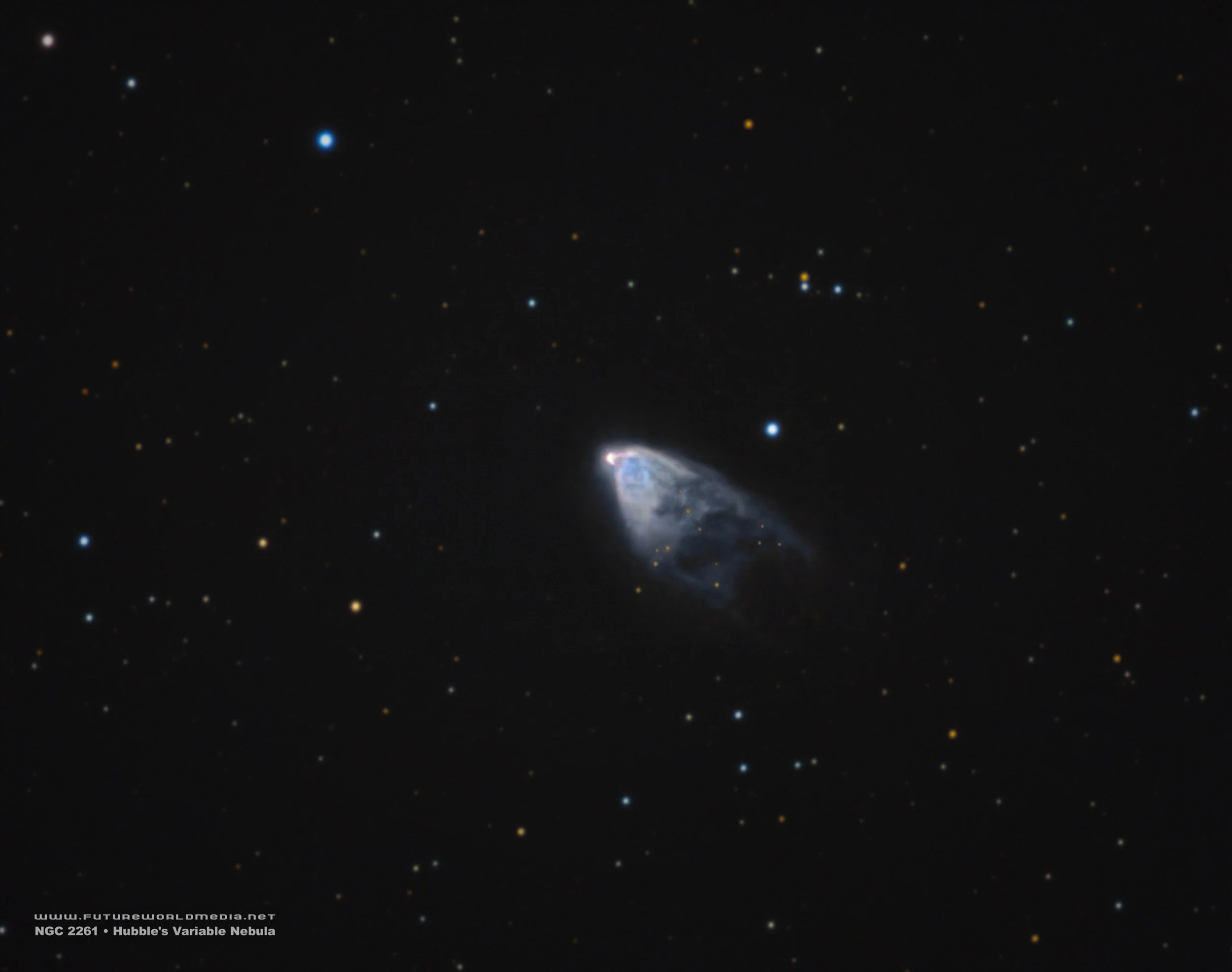
NGC 2261 • Hubble's Variable Nebula
Image Description and Details : This is the first time processing an image in over a couple months. It has been a horrible winter, like I am sure for many out there. This is also the first broadband image I have captured in over a year, as I typically do mostly narrowband given my light pollution. I know it changes in a matter of weeks and probably could of gotten it a bit shaper if I had more clear nights. I also wanted to capture a lot more RGB, but focusing mostly on the detail of the luminance.
The star R Monocerotis has lit up a nearby cloud of gas and dust, but the shape and brightness slowly changes visibly even in small telescopes over weeks and months, and the nebula looks like a small comet.
One explanation proposed for the variability is that dense clouds of dust near R Mon periodically block the illumination from the star. This casts a temporary shadow on the nearby clouds.
Copyright: © Douglas J Struble
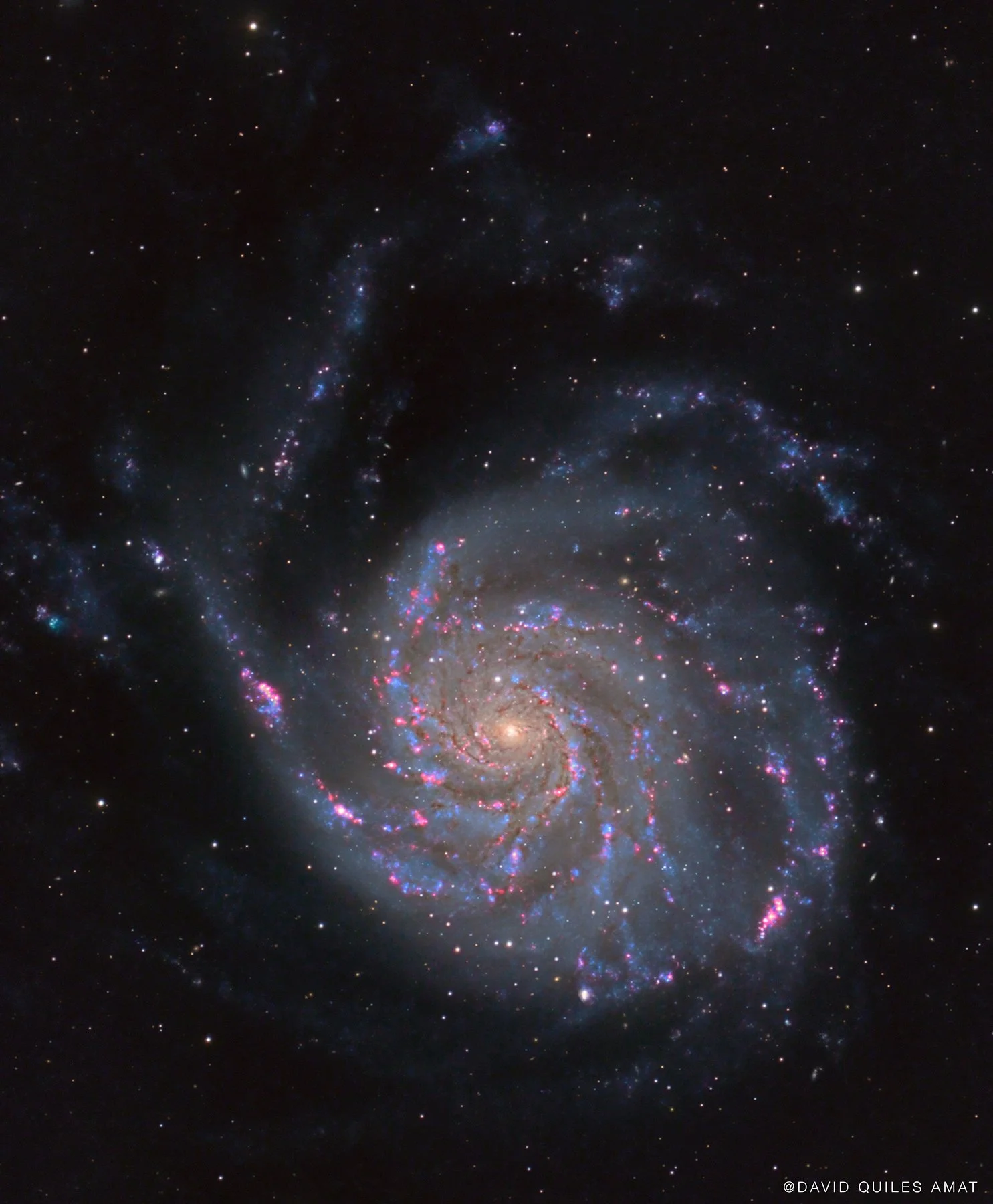
M101 - Pinwheel Galaxy
Image Description and Details : Celestron EDGE HD 8"
Ioptron CEM60
ZWO ASI 2600MM
Baader CMOS Filters
Pleiades Pixinsight
H-alpha: 14x600" (2h 20')
H-alpha: 15x1200" (5h)
Blue: 20x180" (1h)
Blue: 15x500" (2h 5') (gain: 100.00)
Green: 20x180" (1h)
Green: 16x500" (2h 13' 20")
Red: 21x180" (1h 3')
Red: 16x500" (2h 13' 20")
Luminance: 62x500" (8h 36' 40")
Integration time: 25h 31' 20"
Copyright: David Quiles Amato
Kronberger 131 - A mysterious planetary nebula in Auriga
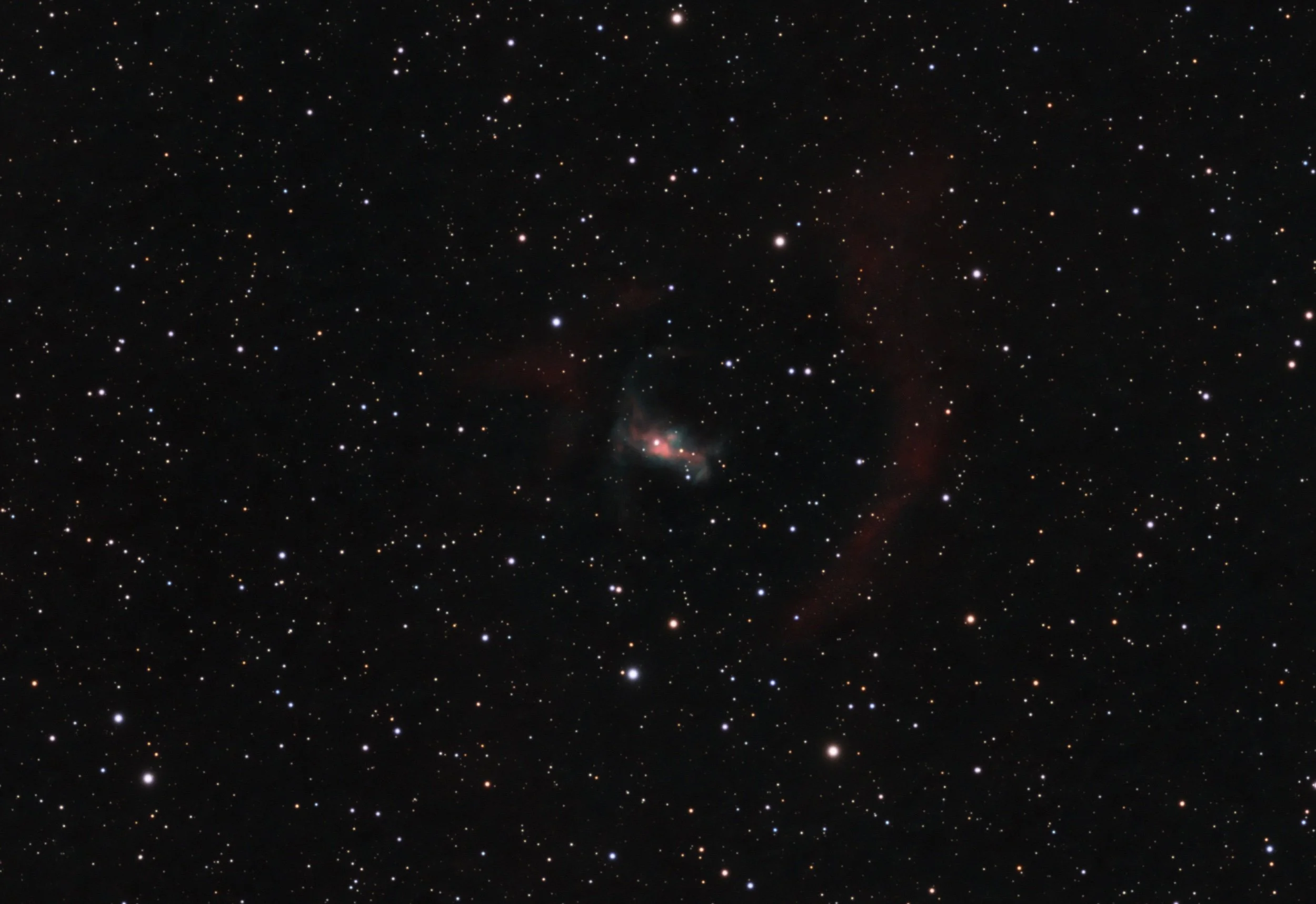
Image Description and Details : Here is a planetary nebula you probably never heard of. Kronberger 131 (Kn131), also known as PN G162.9-01.6 is a mysterious and unusually shaped planetary nebula in the constellation Auriga. Kn 131 is a small and very faint bipolar planetary nebula about 4x3 arc min in size. It has faint wing like appendages on each end and contains HII and OIII emission. Exposed in RGB one would not know something is even here. To the east and west of the nebula is a really faint area of HII emission. Kn131 is also cataloged as PN G162.9-01.6. Looking around the web one can not find any images of this object. This may be the first amateur image. The image is a full resolution crop of the area around the nebula. The image is a HOO image with RGB stars. The image resolution is .62 arcsec/pixel.
Copyright: Jonathan Talbot
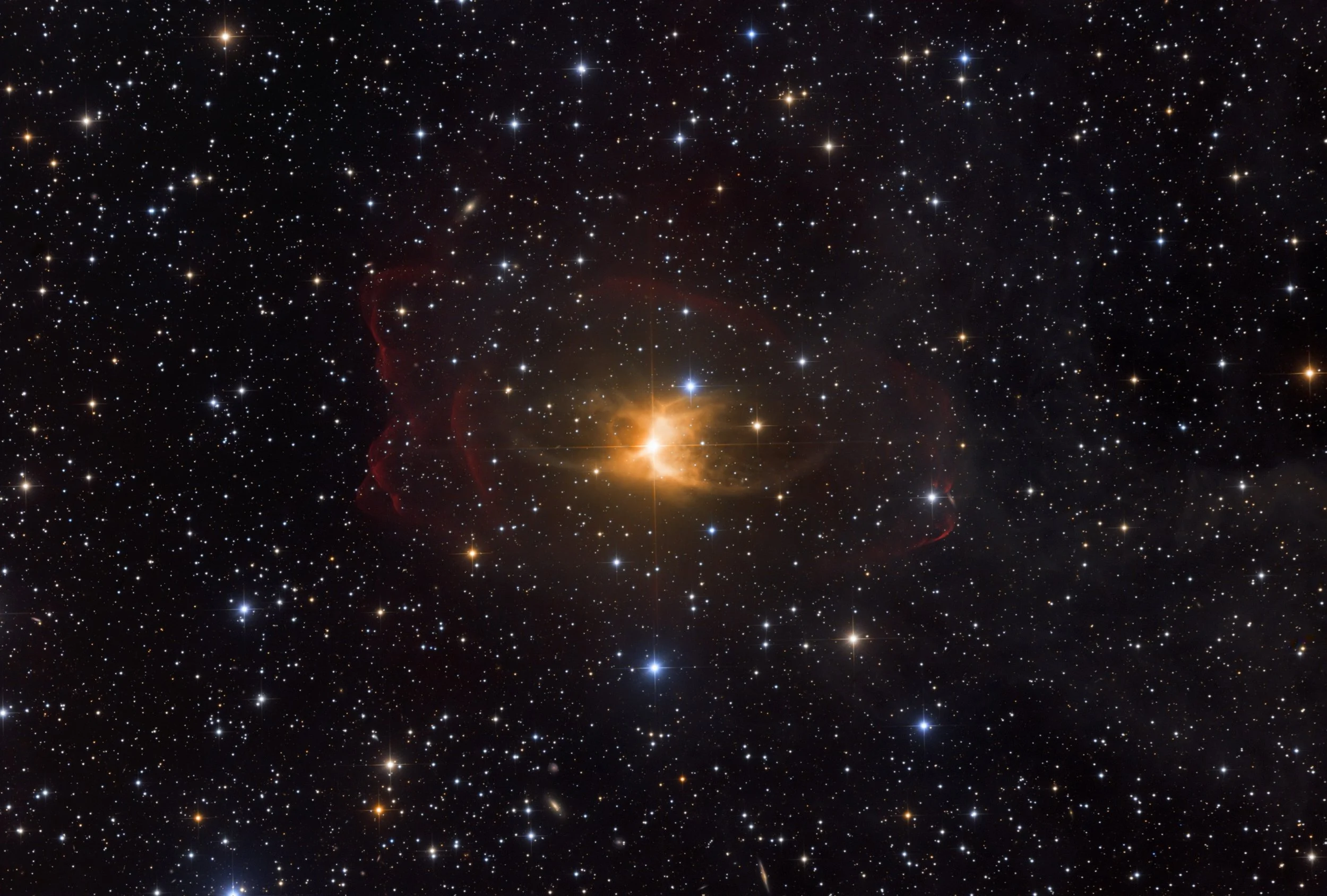
The Heart of Hydra
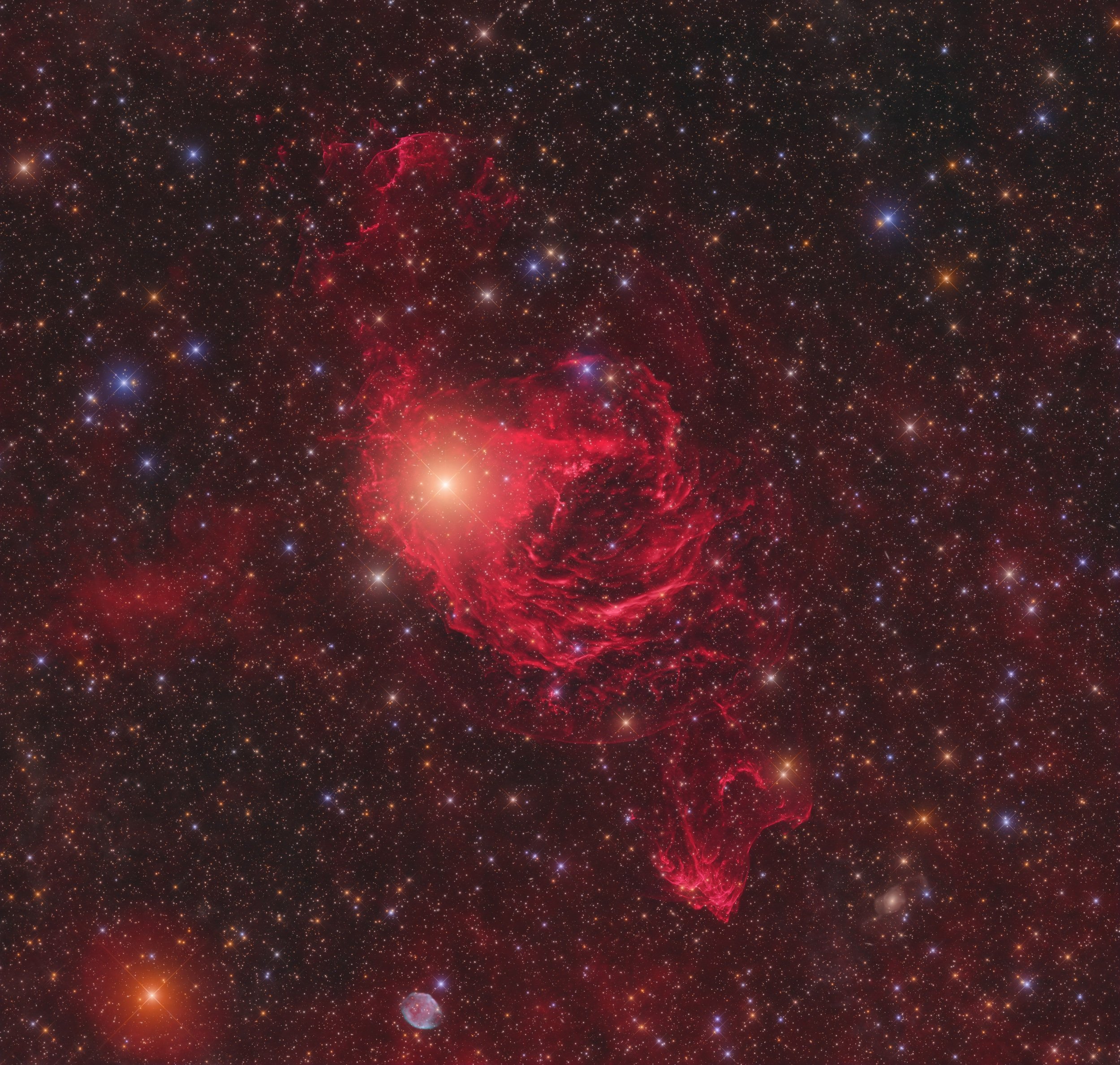
Image Description and Details : For the first time, amateurs and scientists have succeeded in detecting a fully developed envelope of a so-called "common envelope" system, by which is meant the phase of the common envelope of a binary star system.
Object: The Heart of Hydra (The star YY Hya / Strottner-Drechsler Object 20)
Coordinates: 09 26 20.596 -22 23 38.38
Diameter: 1.7 degrees
Constellation: Hydra
Data
360 hours total exposure
H-Alpha: 890x1200" (296h 40')
OIII: 15x1800" (7h 30')
RGB: 672x300" (56h)
Equipment
Telescope: T1 ASA RC 1000, Chilescope
Telescope: T2 ASA 500mm Newton, Chilescope
Telescope: T3 ASA 500mm Newton, Chilescope
Camera: FLI Proline 16803
Copyright: Marcel Drechsler and Xavier Strottner
M78
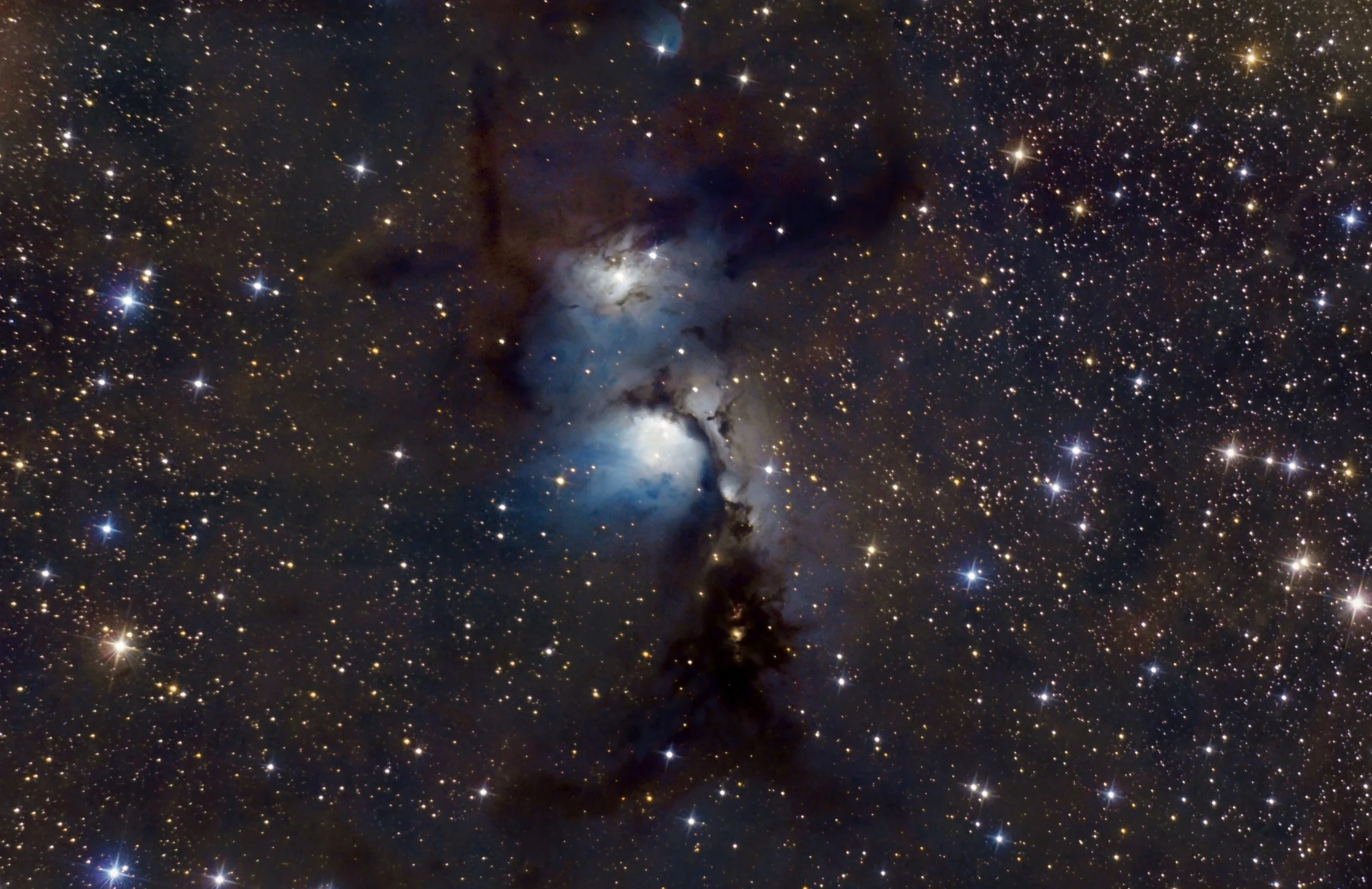
This image is the deepest I have ever taken and by far, it is the farewell to my precious Canon as the main camera, the end of a chapter in the hobby, the culmination of an era that has lasted 6 years.
It's 46 hours of integration
125x600s + 300x300s
With modified Canon Eos 600D and newton Ts Photon 154/600 f3.9
Baader Mpcc coma corrector and Baader Bcf filter.
On Skywatcher neq6 pro2 mount guided off-axis with Zwo Asi 290mc.
Made remotely from the Dark Energy Observatory, Àger, Lleida, during January and February 2022
Copyright: Gerard Tartalo Montardit, Dark Energy Observatory, Ager. Societat Astronomica de Lleida
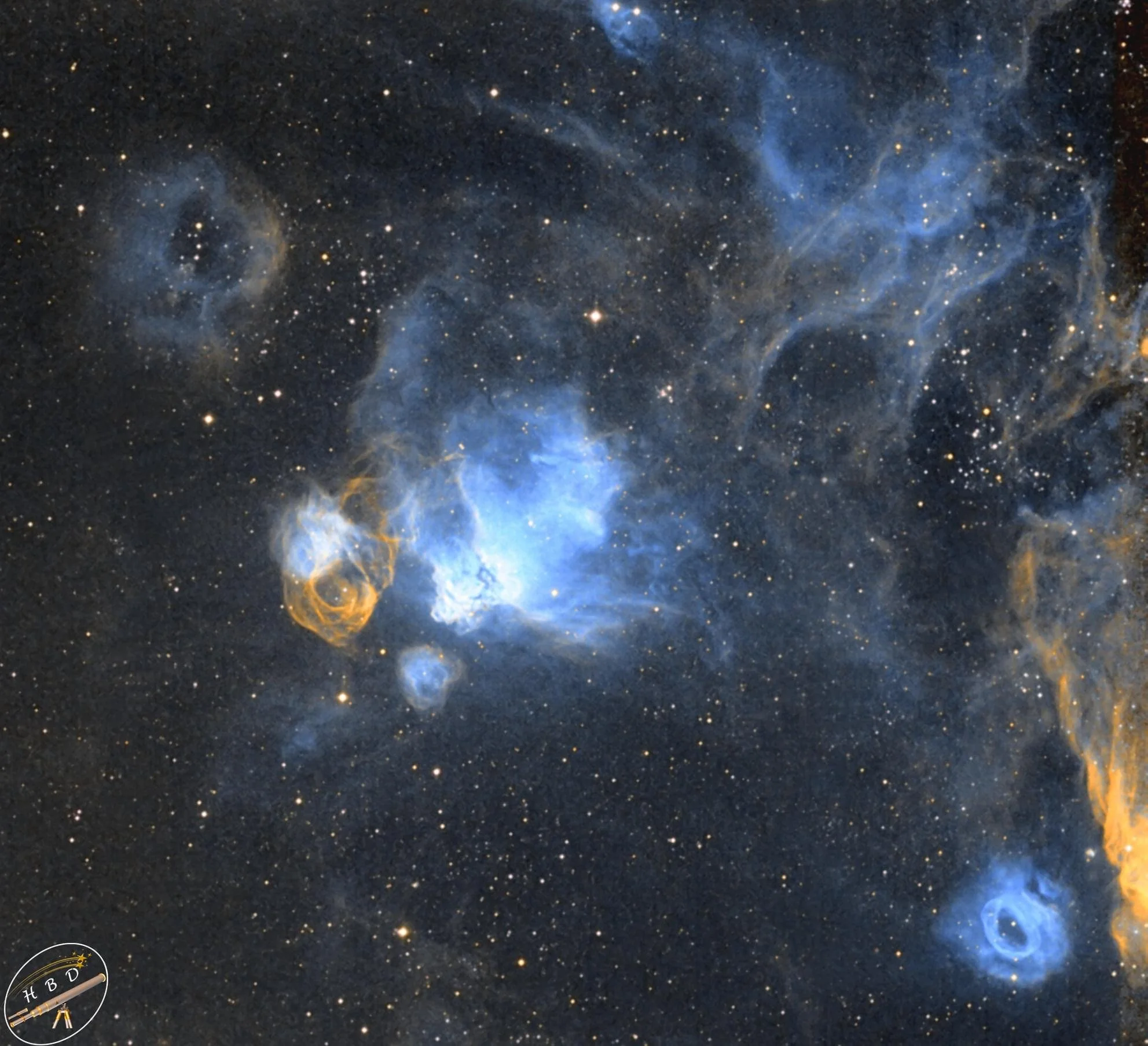
NGC 2032, 2035 & 2029
In the Great Magellan Cloud there are many impressive fogs, here there is a collection of smaller samples. On the right we see NGC 2032, next to NGC 2035 and NGC2029. The explorer was John Herschel on 02 again. November 1834 during his stay in South Africa.
Setup: Planewave CDK, 60 cm, f 6,5
Kamera FLI PL 9000
Time: 8hrs
Processed in Hubblepalette with Fitswork, PixInsight and PS
Copyright: Hans Bernd
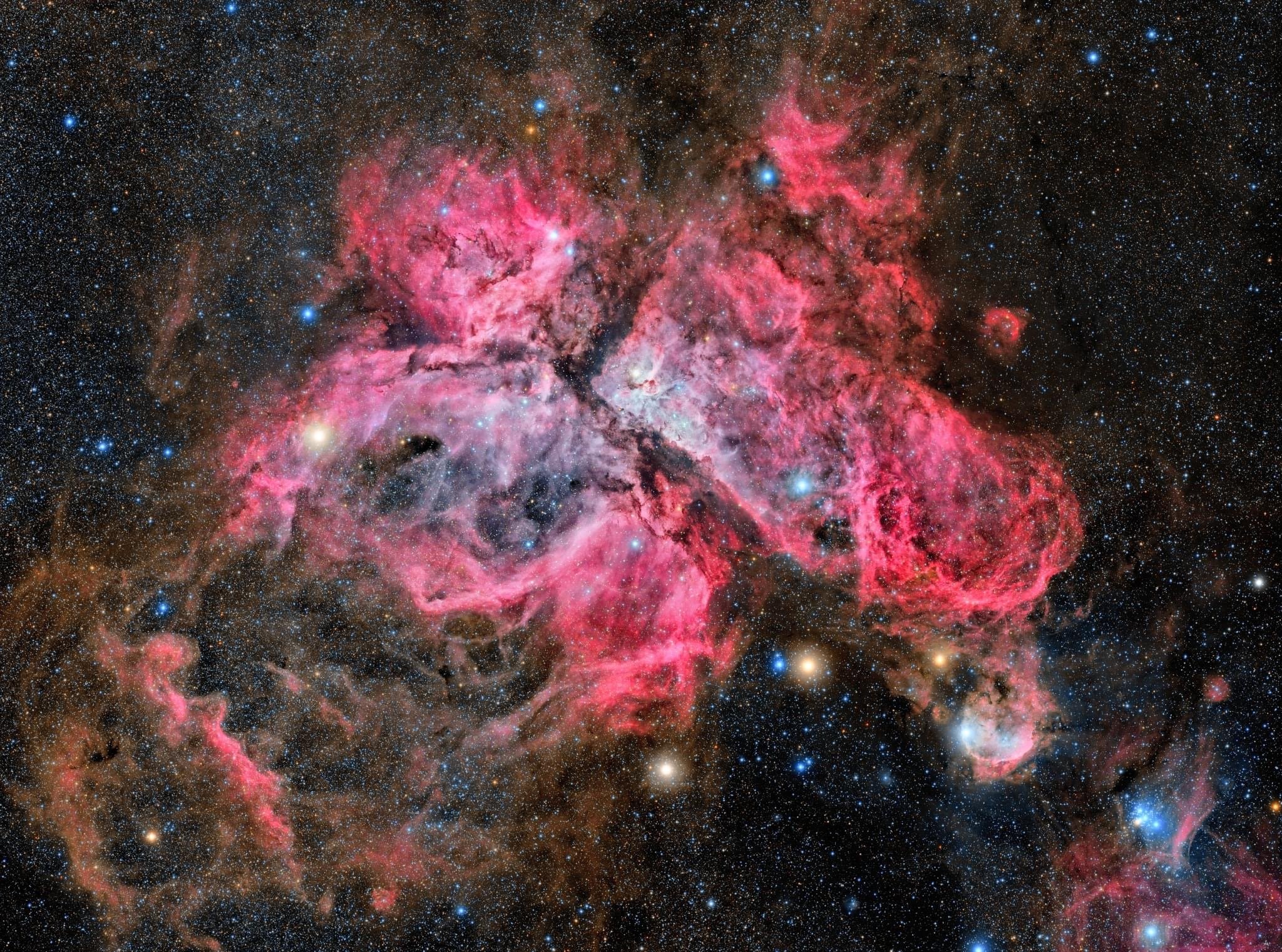
Carina nebula
Imaging Telescopes Or Lenses
Takahashi FSQ -106N FSQ -106N
Imaging Cameras
Apogee U8300 U8300
Mounts
EQ5 Mount EQ5
Filters
Astrodon Ha 5nm · Astronomik Red ·Astronomik Green · Astronomik Blue
Software
PHD · Starkeeper Voyager Voyager · Adobe Photoshop CC, Photoshop CC · Software Bisque TheSkyX Imaging · PI · APP
Guiding Telescopes Or Lenses
Takahashi FSQ -106N FSQ -106N
Guiding Cameras
Lodestar Autoguider
Copyright: Jose Mtanous
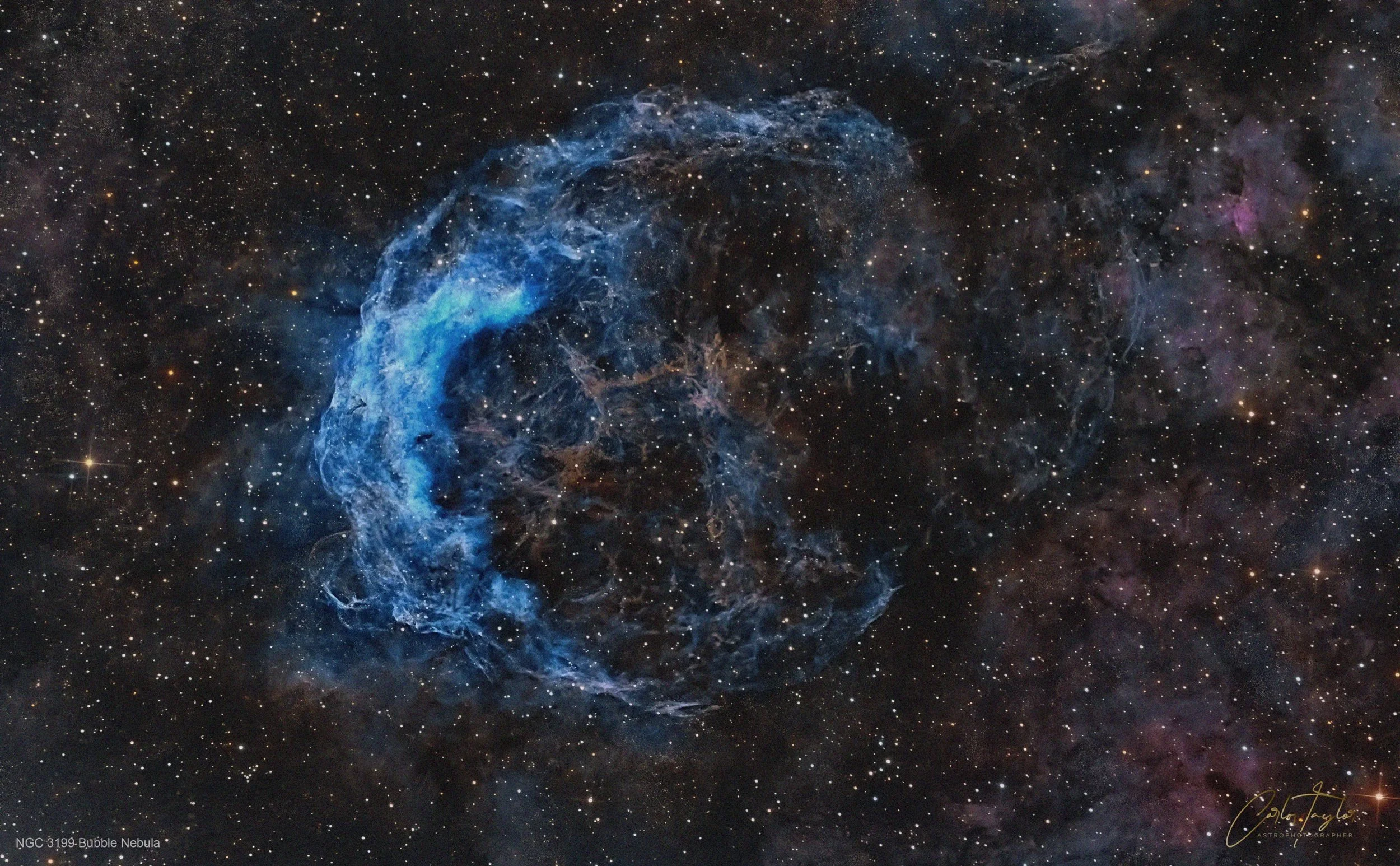
NGC 3199 The Banana Nebula
Image Description and Details : NGC 3199 or more commonly known as the Banana Nebula is a crescent-shaped cocoon of dust and gas approximately 12,000 light-years away in the southern constellation of Carina. The banana/crescent shaped nebula is a 'bow shock' associated with a Wolf-Rayet star (HD 89358)
79 x 600s subs shot @-10C taken over 3 nights using 3nm narrowband filters for an integration time of 13.2 hours.
Equipment used:
Skywatcher 10" f4 Newtonian 250P
Skywatcher F4 Aplanatic Coma Corrector
Skywatcher NEQ6 Pro Hypertuned by Astronomy Academy Perth
Primaluce Sesto Senso2 Electronic Focuser
ZWO ASI183MM Pro Cooled Camera
ZWO Off Axis Guider
ZWO ASI290MM Mini Guide Camera
ZWO Electronic Filter Wheel
Antlia 3nm Narrowband 36mm unmounted filters
Rollon rolloff modified shed observatory
Bortle 5
Data acquisition software: NINA Astronomy Software
Processing software: PixInsight and Photoshop CC
Copyright: Carlos Taylor
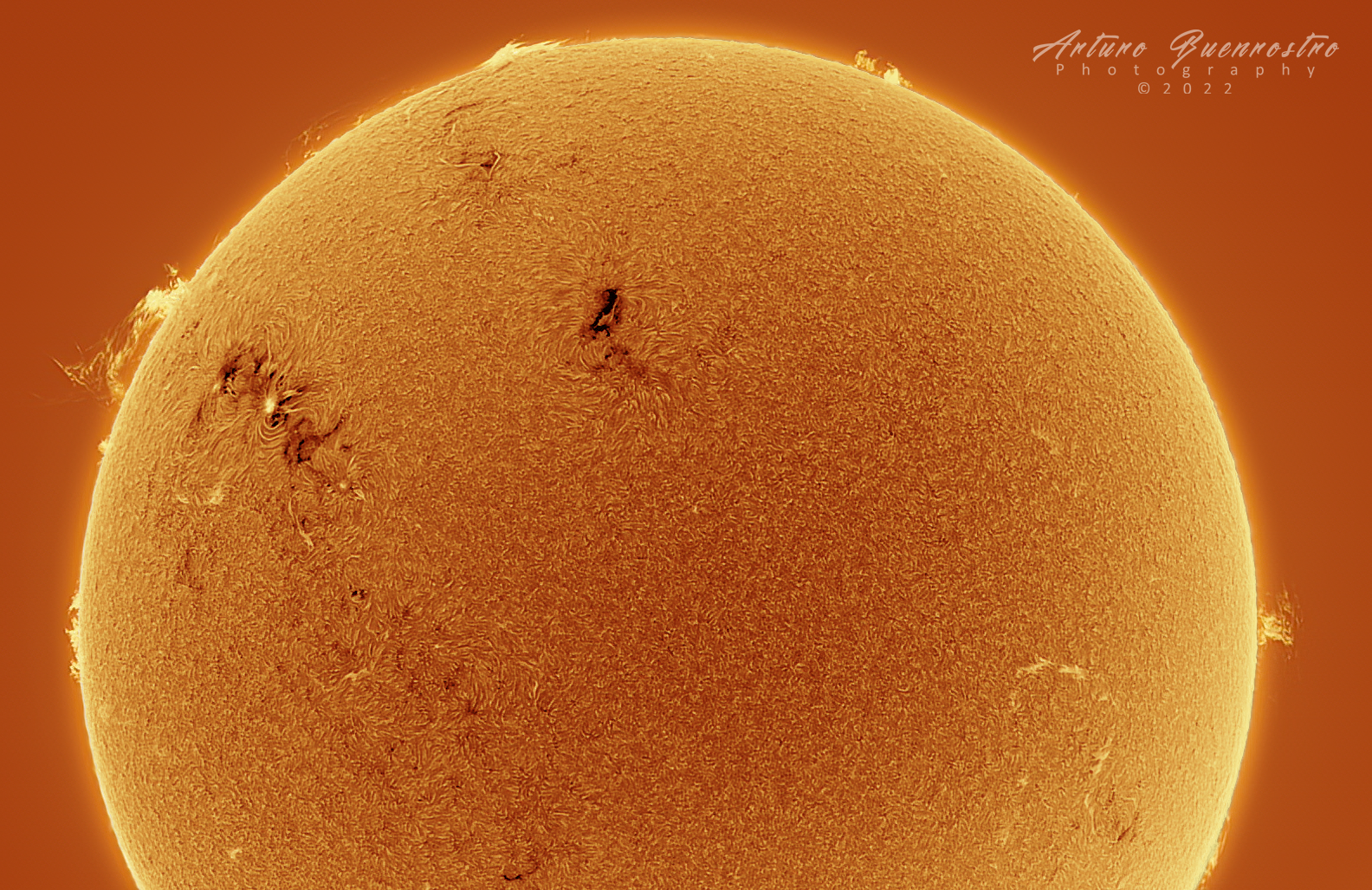
THE SUN FROM TEXAS
Image Description and Details : Here we can appreciate the fantastic solar landscape, with the great solar activity that we are having in this solar cycle number 25, this activity that can be seen in the photograph and was captured with a Lunt 60mm double stack telescope and with a 174mm zwo camera. and was taken from Dallas, Tx.
Copyright: ARTURO BUENROSTRO
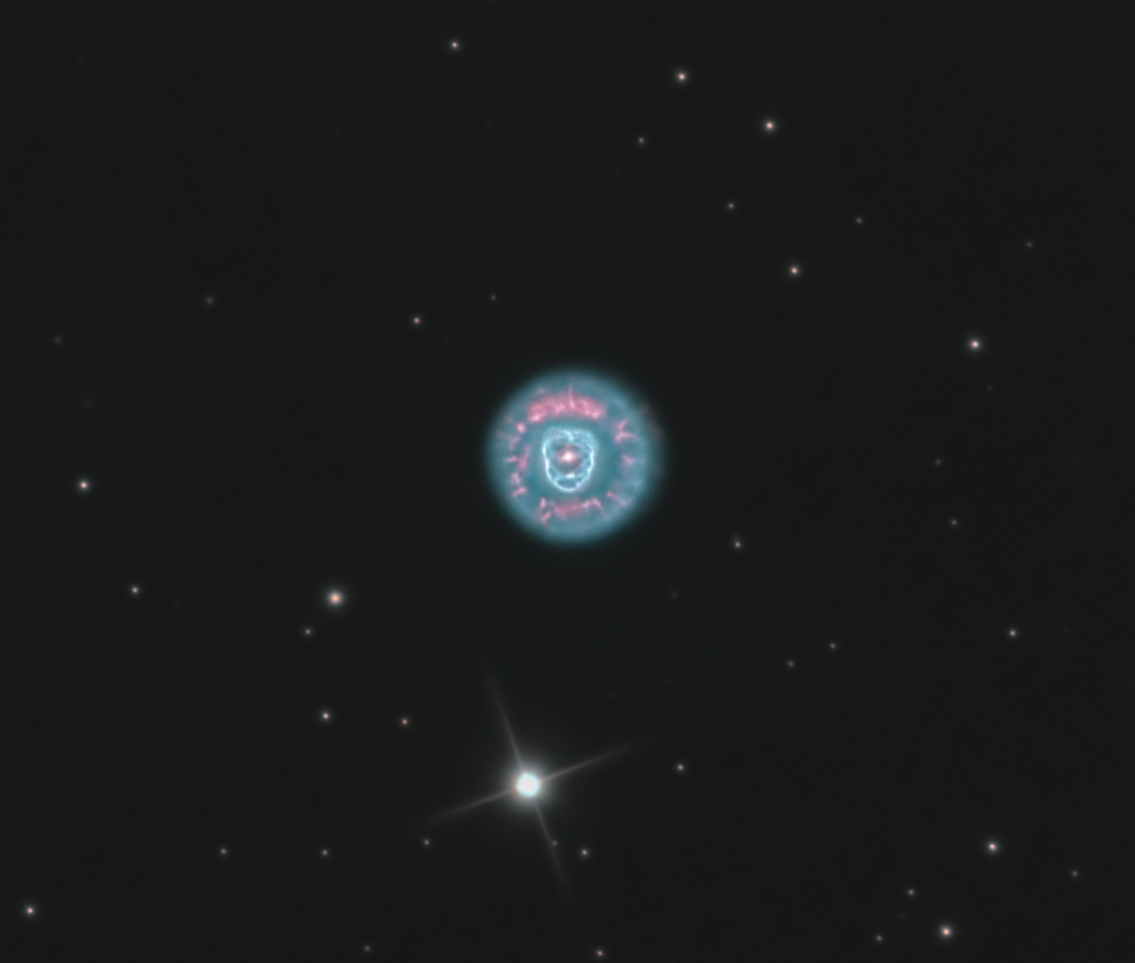
NGC2392
Image Description and Details : This is a LRGB composition with about 12.000 1 sec frames for the luminance to which I added the color obtained from about 8.000 images in H-alpha and as many in OIII (R/Ha - G/40%Ha-60%OIII - B/OIII). Then I added the H-alpha and the OIII channels to compose the L-RGB-Ha-OIII.
Dobson 600mm f3.8
StellarCAT - Nexus DSC
ASI2600MM
L 12.000 x 1 sec. bin 1 -10°
R (H-alpha) 8000 x 1 sec. bin 1 -10°
G (40% H-alpha/60% OIII)
B (OIII) 8000 x 1 sec. bin 1 -10°
Astronomik L2 filter 2" mounted
Astronomik H-alpha 12 nm filter 2" mounted
Astronomik OIII 12 nm filter 2" mounted
Dark x 200
Paracorr type 2
Falcon derotator
SharpCap - SiriL - PixInsight - PS - AstroSurface
Bortle 8
Copyright: Filippo Scopelliti
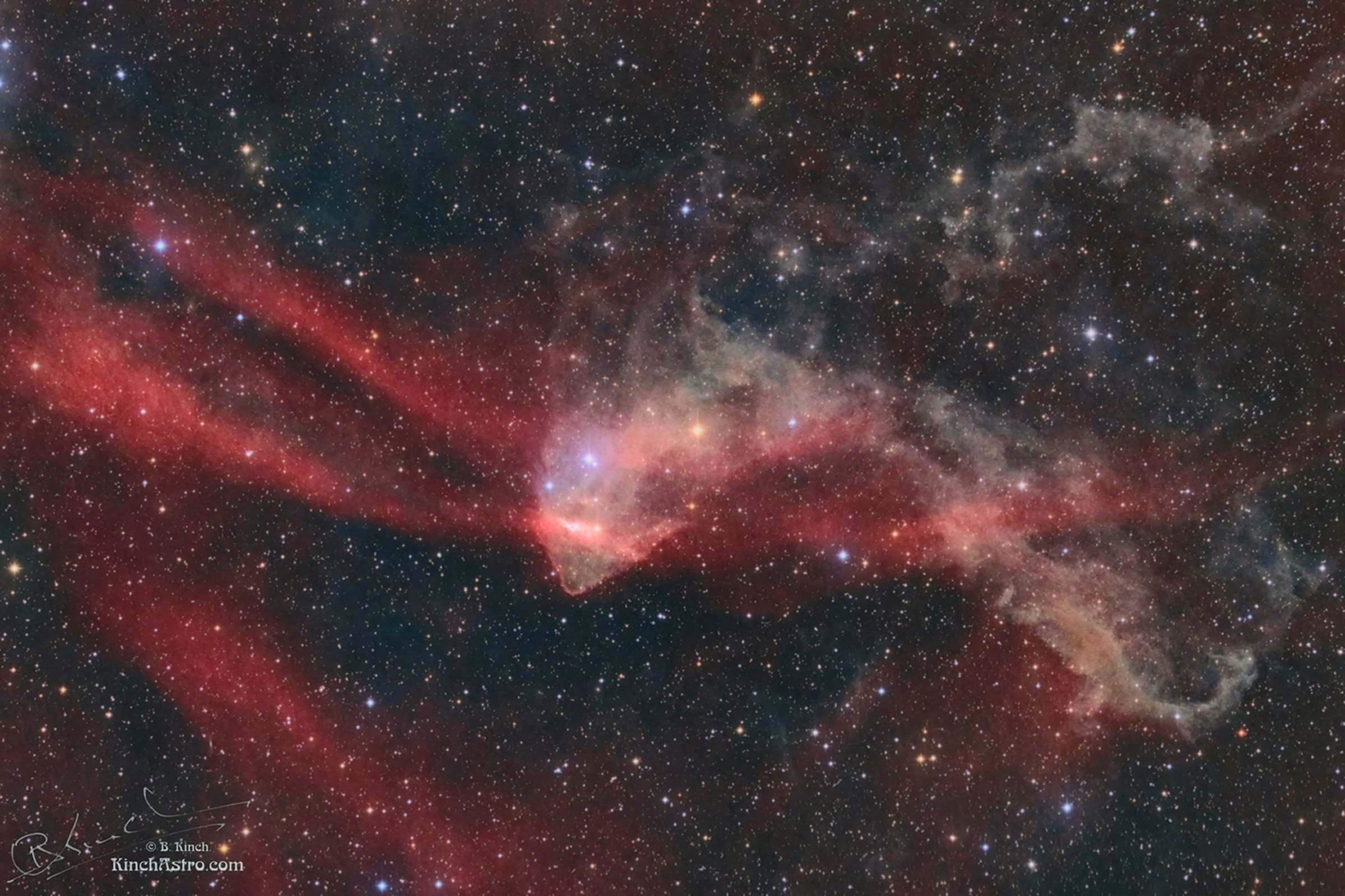
LBN 437 (SH2-126)
Image Description and Details : Data reprocessed under cloudy skies in March '22
LBN 437 is a molecular cloud in the constellation Lacerta. It is located at the edge of the much larger emission nebula Sh2-126 and the star forming region Lacerta OB1. The densest part of LBN 437 (centre) is associated with some bright young stars, among which the variable star V375 Lacertae, which is an Herbig object, with strong Hα-emission. This star is also responsible for the excitation of some bipolar Herbig-Haro-Objects situated in the nebula (HH 808, HH 809, HH 398).
Imaging telescope: Takahashi FSQ130ED
Imaging cameras: FLI ML16200
Mounts: Takahashi EM 400 Temma 2M
Guiding cameras: QHY CCD QHY 5 II
Focal Extender / Reducer: Tak QE 0.73x
Software: PHD 2, Astro Pixel Processer, PixInsight , Sequence Generator Pro SGP
Filters: Astrodon Ha + Astrodon RGB
Accessories: ATIK EFW3
Dates: Oct 4 - Oct 9, 2021
Frames:
Astrodon Ha: 18 x 600"
Astrodon R: 26 x 180"
Astrodon G: 26 x 180"
Astrodon B: 28 x 180"
Astrodon L: 57 x 180"
Integration: 8 Hours 51 Mins.
Copyright: Brendan Kinch
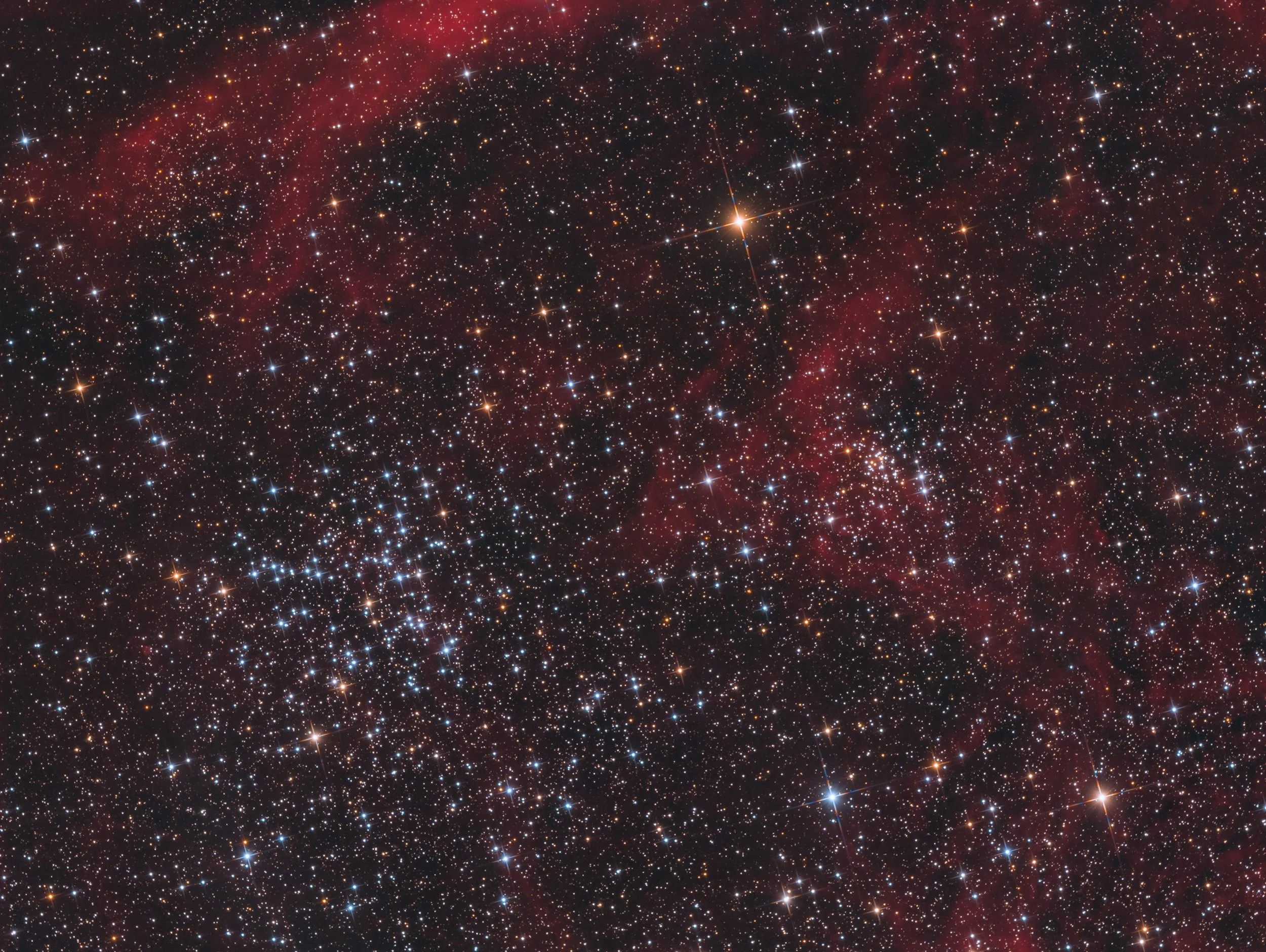
M38 & NGC1907
Image Description and Details : Image was taken over 6 Nights in Marchz with192 Singelframes a 300 Secounds with my QHY268c and my ASI1600pro for Ha
Lacerta 800mm Newton
Mgen3
Lacerta Mfoc
EQ6R
N.I.N.A, Pixinsight, Photoshop.
Copyright: Jan Schubert
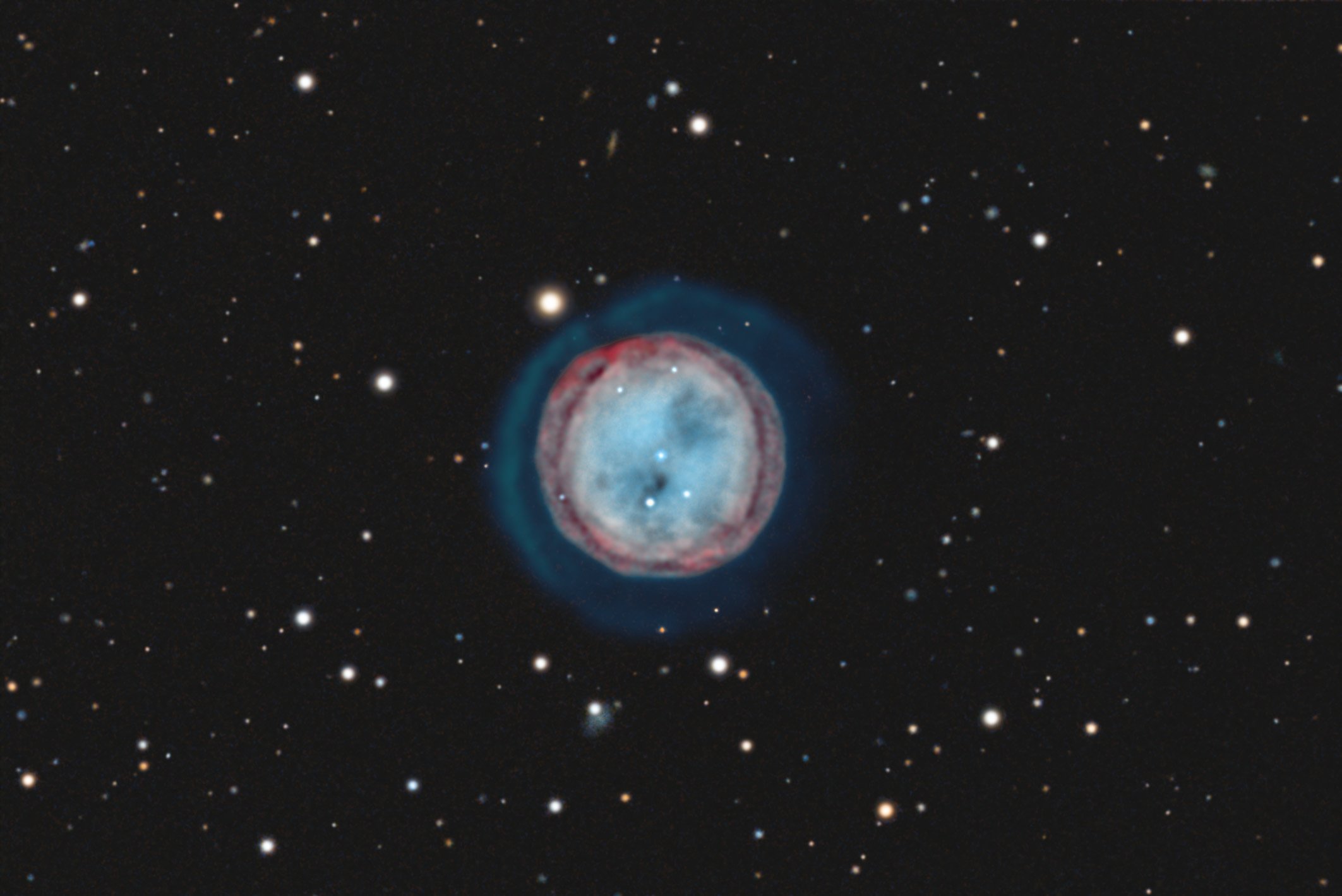
An Owl with a Halo
Image Description and Details : Messier 97 - a planetary nebula in Ursa Major sporting its faint OIII Halo. It is approximately 2,030 light years from Earth.
I was pleased to be able to tease out some of the structure of the faint outer OIII halo - especially as most of the OIII data was captured from my Bortle 8 sky in London because Spain has been clouded out for the past month.
Image captured on my remote dual rig at Fregenal de la Sierra in Spain and my C11 telescope in London between 14 January - 24 March 2022.
Scopes: APM TMB LZOS 152 Refractors, C11 reflector
Cameras: QSI6120wsg8, QSI683wsg8
Mounts: 10Micron GM2000 HPS, 10 Micron GM1000 HPS
A total of 48 hours 55 minutes image capture (HaOIIILRGB)
Copyright: Peter Goodhew
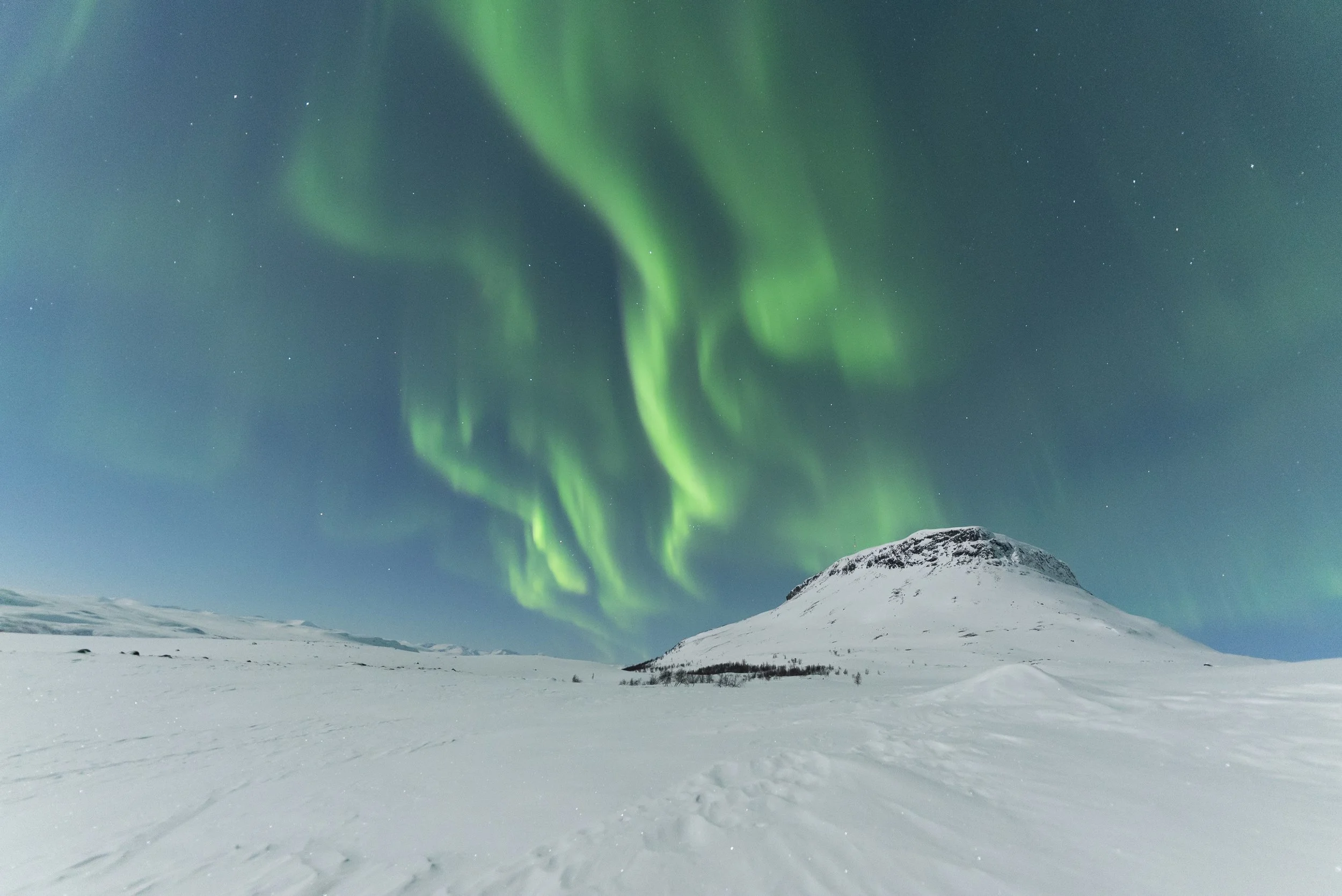
Auroras over Saana
Image Description and Details :
I booked a small holiday trip to Kilpisjärvi, Finland with a friend of mine. We walked around the nearby lake just in front of the saana fell (1029m) and waited around 4 hours to some auroras to appear. The parameters were quiet, but still had some minor activity and I was confident that it would spark a small show which is why we waited so long. Around midnight the wait was rewarded with a great half-sky display. Sony A7S, Sigma art 14mm f/1.8.ISO 4000, 0.5 seconds
Copyright: Dennis Lehtonen

Messier 106
Tierra del Sol, CA (San Diego Astronomy Association's dark site)
70 East of San Diego
Telescope: Celestron C11
Focal length: 1800mm @ f6.3
Starizona SCT Reducer/Corrector
Mount: CGX
Camera: ASI294MC-P
Filters: Optolong L-eNhance/UVIR cut
Autoguiding: Celestron OAG
Guide camera: ASI174mm mini
Integration time: 20 hours (10 each filter)
Exposure time: 120 seconds
Calibration: 50 Darks, 30 Flats/Dark Rlats
Bortle 5
Software:
NINA
PHD2
PixInsight
Copyright: Ralph MacDonald