

AAPOD2 Image Archives

Jupiter, IO and GRS
Image Description and Details : A long awaiting window of good seeing finally transpired over my home observatory in Pembroke Pines, Florida early on Sunday morning July 3rd. The image is the result of 120 seconds capture at 13ms exposure, and stacked the best 46% of the frames. Europa and the Great Red Spot adding to the field of view. Hardware used: Celestron C11 Edge HD QHY 5-III 462c Camera ZWO Atmospheric Dispersion Corrector TeleVue 2.5 Powermate Primalucelab Eagle2 Pro Seeing conditions 4/5 Captured at 10:00 UT 07/03/2022 CM1=122.5 CM2=28.5 CM3=296.4 Earth distance at time of capture - 4.790 AU
Copyright: Varney Observatory
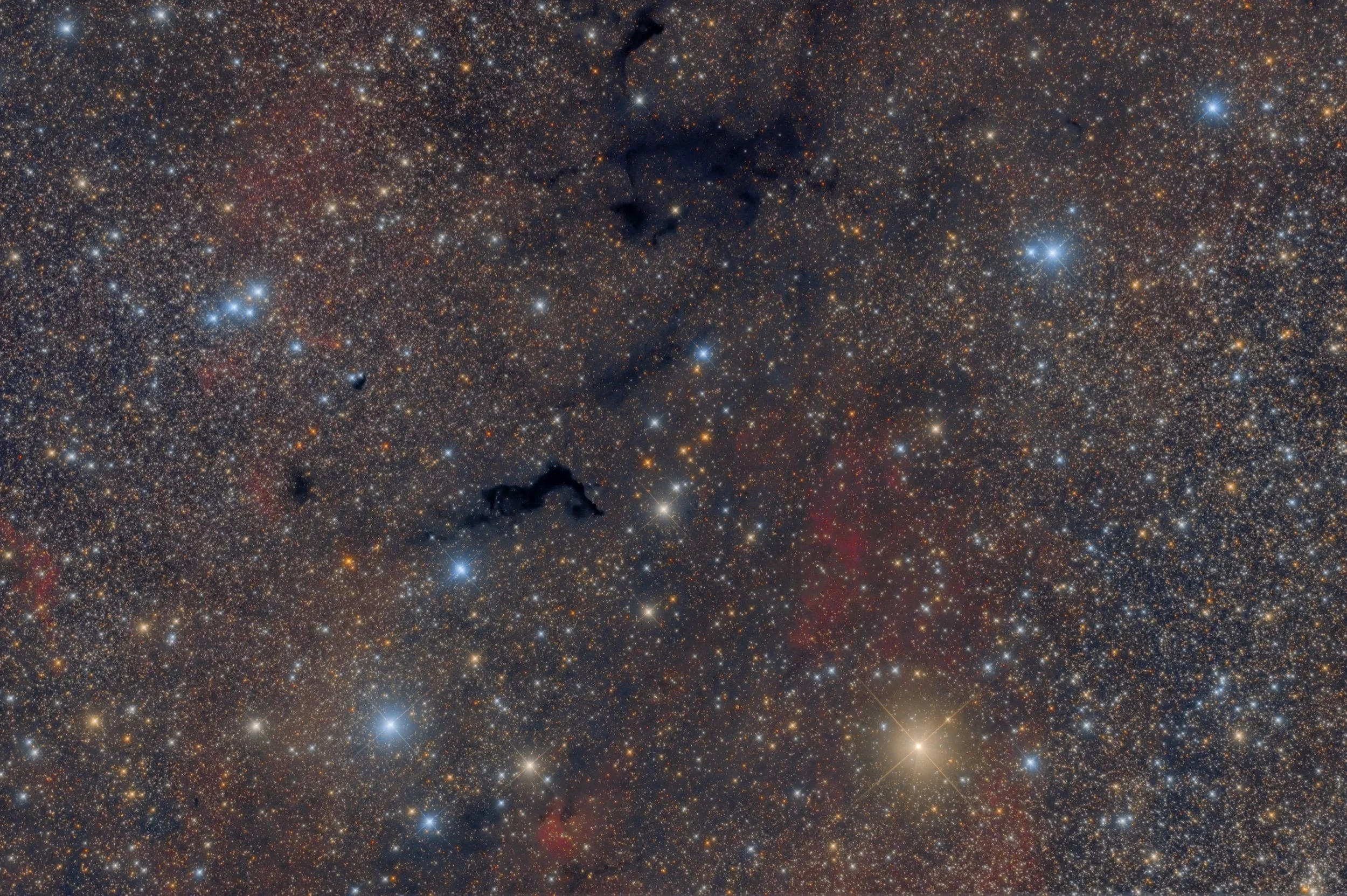
Barnard 174 complex
Image Description and Details:
Barnard 174 (=LDN1164) is a very dense dark nebula, which absorbs starlight behind the nebula. Infrared observations show many young stars in this region. Thus, B174 is an active star-forming region. Barnard 174 is a dark nebula in the constellation Cepheus. Dark nebulae or "fog" as they are sometimes called are clouds of cold gas, at temperatures near absolute zero (-273°C), located in cold, dense areas of larger molecular clouds . Their thickness obstructs the visible spectrum of stars or anything in its path. Only infrared and x-ray observations can be made through fog. The dark color is due to microscopic dust particles coated in frozen carbon monoxide and nitrogen, which block visible light. Equipment: TAKAHASHI Epsilon 130D Camera Zwo ASI2600MC CEM120 ioptron mount Acquisitions with NINA Pixinsight and Photoshop
Copyright: LAMAGAT Frédéric
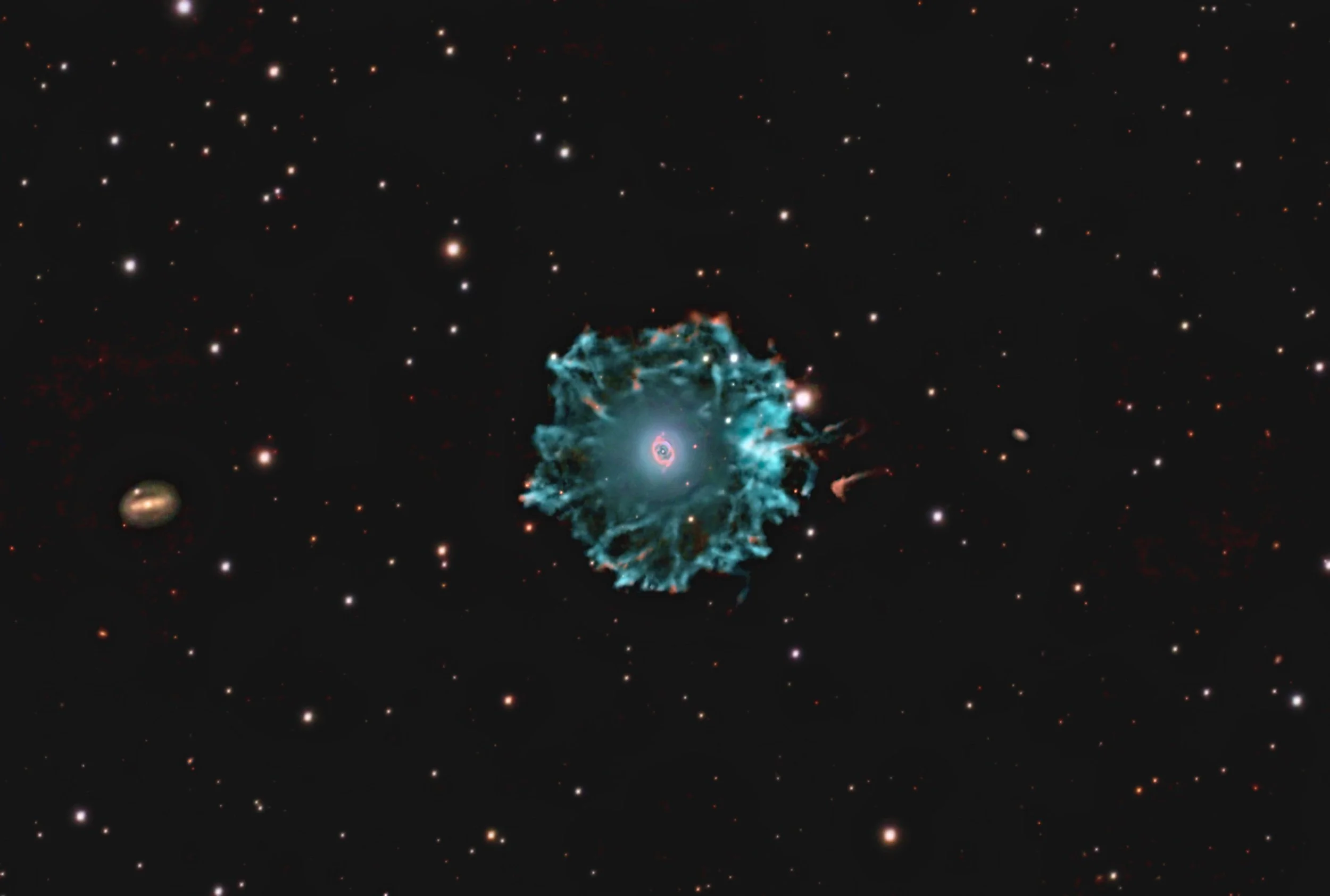
NGC 6543 - The Cat's Eye
Image Description and Details : NGC 6543 is a planetary nebula ~3,300 light years away in the Draco Constellation. This was shot from Bortle 8 Dallas-Fort Worth over eight nights in June 2022. Equipment: Celestron EdgeHD 1100 at full focal length 10Micron GM1000HPS mount ZWO ASI6200MM-Pro main camera Chroma LRGB and 3nm Ha and O3 filters
Integration: 25 hrs
Copyright: Timothy Martinh
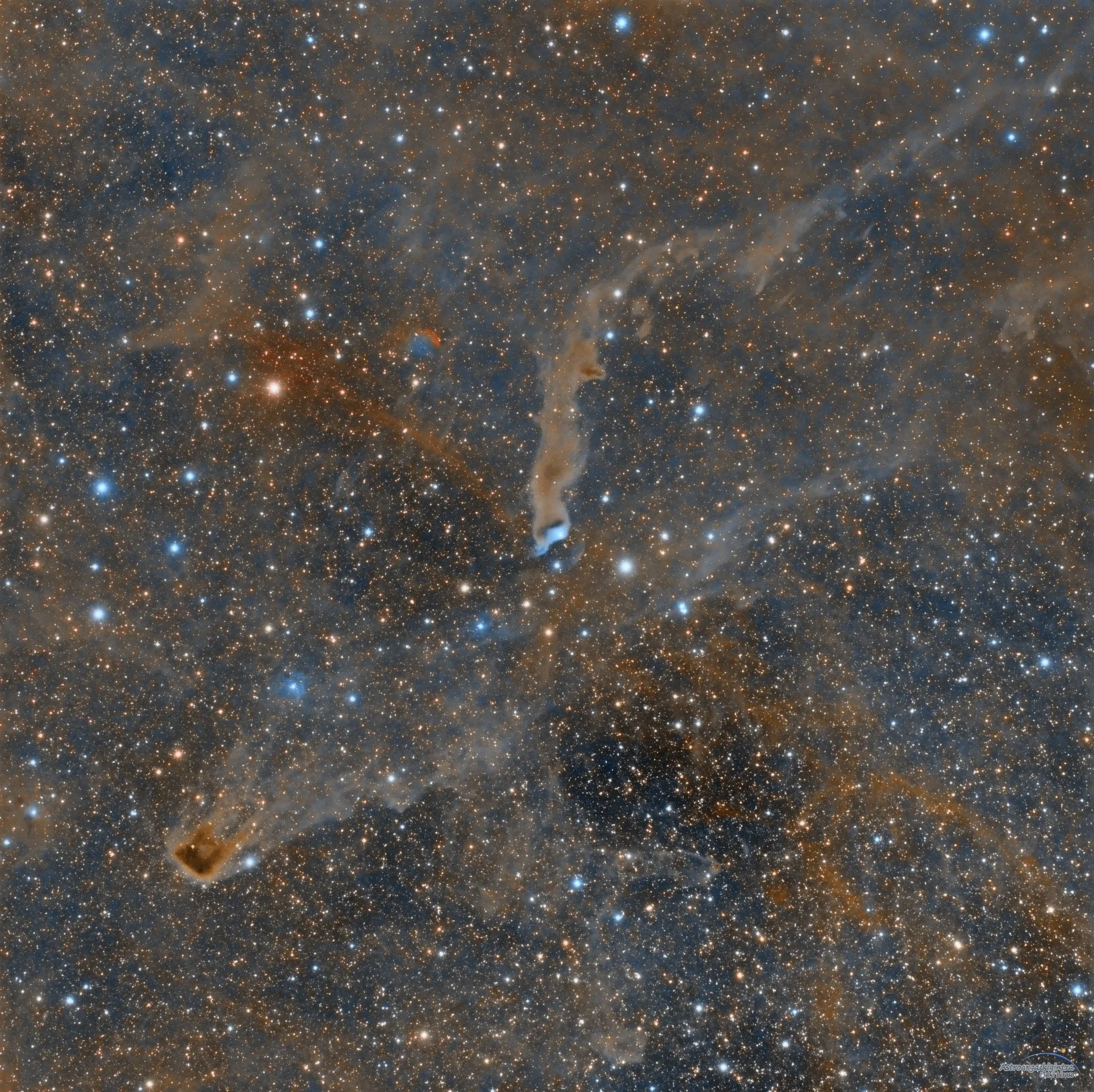
VdB 152 and its dusty field
Image Description and Details : Located in the Cepheus constellation at 1400 lights-years, Van den Berg 152 is a blue reflection nebula near the edge of a large molecular cloud with full of interstellar dust and a star in the embedded region (BD+69 1231) giving to the edge of the molecular cloud the blue color. LDN1221 and a large tail of dust crosses the field like a comet. Image acquired through Takahashi FSQ-106EDX3 on EM-200Temma2M and Andor Apogee U16M / AFW-50-7S ccd. Guiding: FS-60CSV, QHY-5, PHDguiding. Processing by PixInsight Core 1.8. Date: 27th of June 2022.
Copyright: Iñaki Lizaso
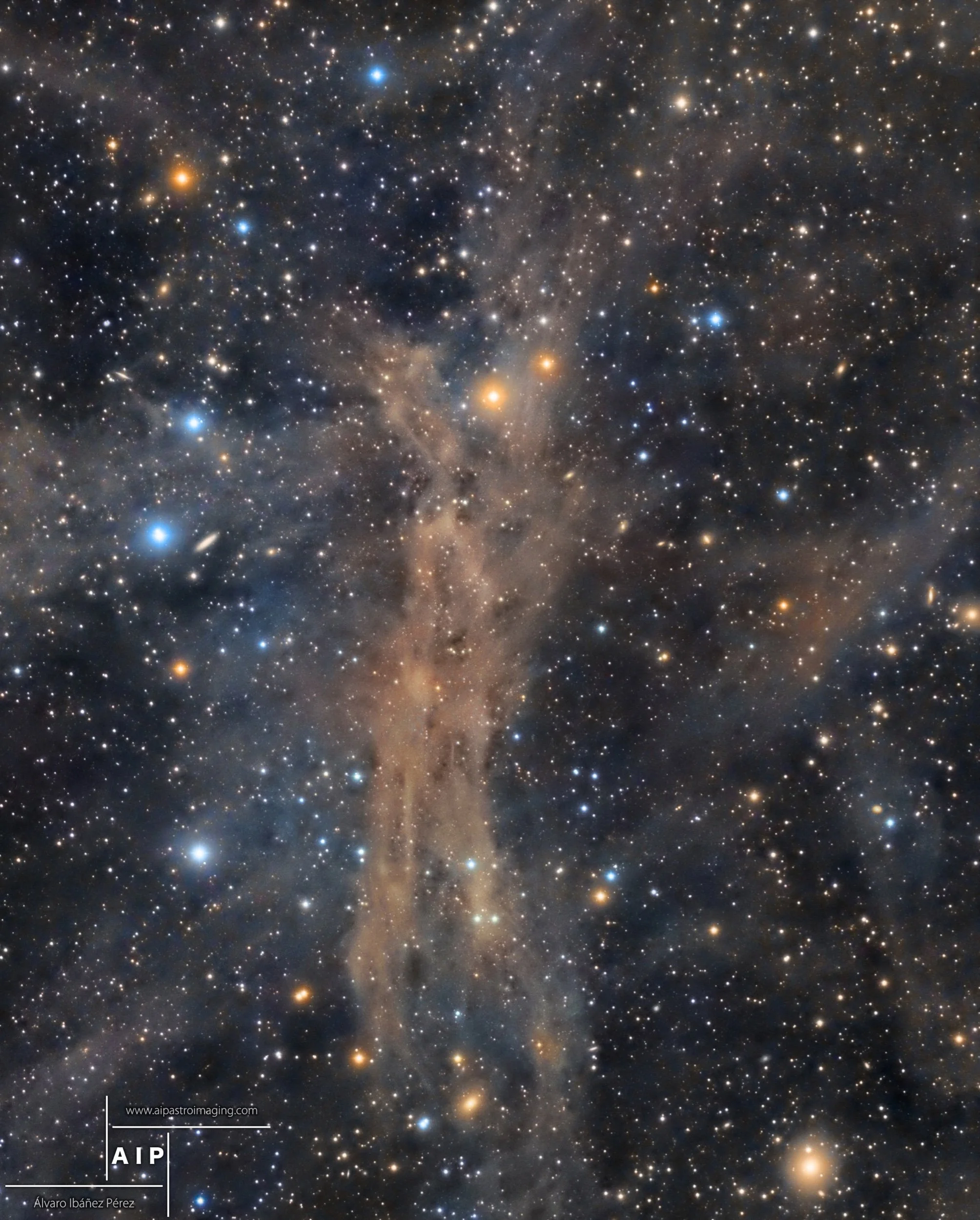
Mandel Wilson 2 - Angel Nebula
Image Description and Details : Telescope: Takahashi FSQ106EDX f/5 for RGB and f/3,6 for L Mount: Takahashi EM-400 Temma2 Camera: Atik 16200 for RGB and Atik 460ex for L Filter Wheel: SX USB Filter Wheel 5x50,8mm Guider: Lunático EZG-60 + SXLodestar Filters : Astrodon Gen2 LRGB 50,8mm and Baader Focuser: RoboFocus Rev3.1 Flat panel: RB Focus eXcalibur Power Box: RB Focus Balinor Pro Adquisition: N.I.N.A. and Astromatic Date: May 2017 – June 2022 Place: Navas de Estena, Ciudad Real, Spain Processing: PixInsight Core + Photoshop CC 2019 Exposure: L: 32x900s bin1, RGB: 34x300s bin2 Total exposure: 16h 30min
Copyright: Alvaro Ibañez Perez
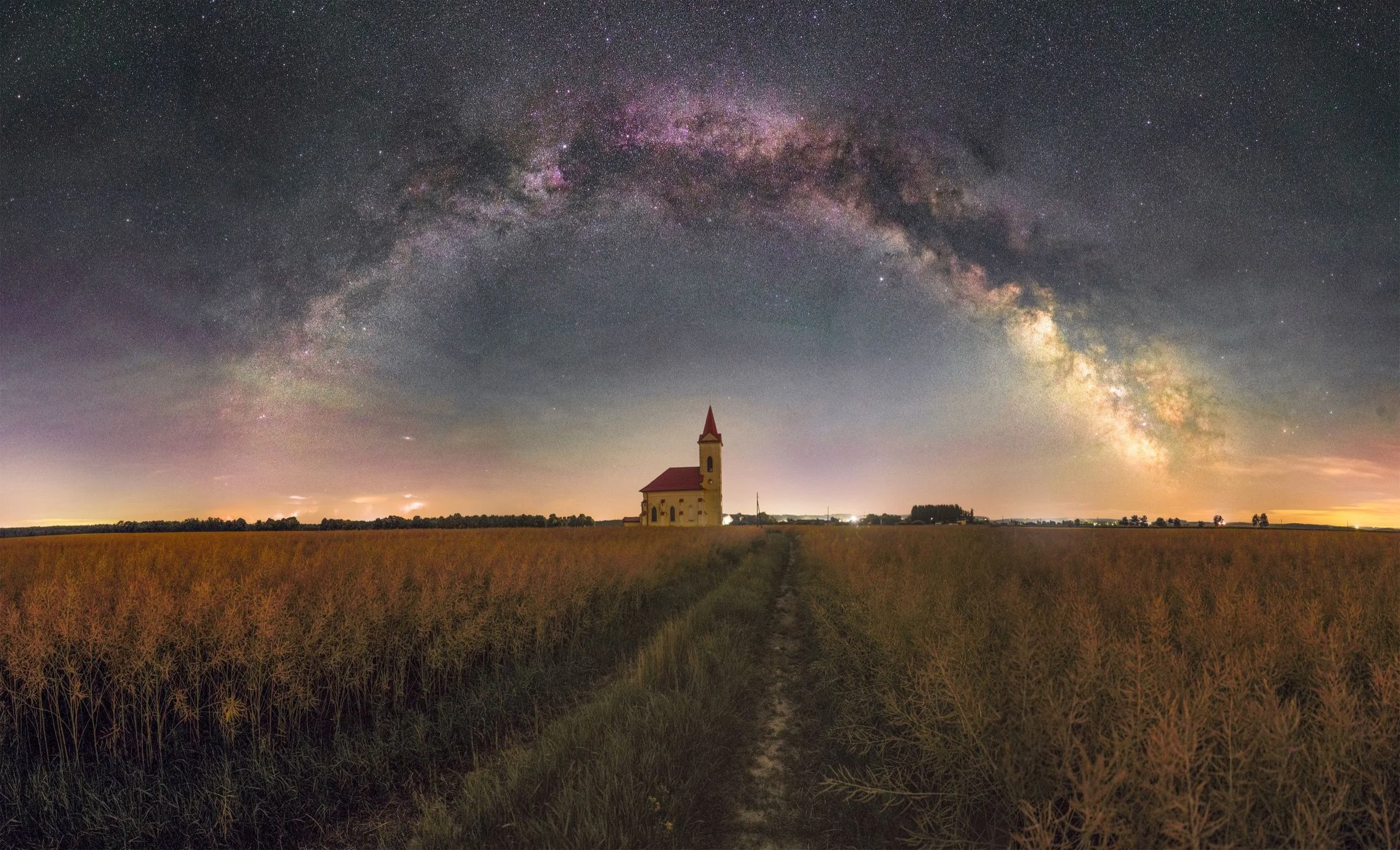
Church in the Light of the Summer Milky Way
Image Description and Details : EXIF: Canon 6D & Samyang 20mm F/1.8 & SWSA 2i 18x60s ISO-1600 F/3.2 for the sky 8x80s ISO-1600 F/3.2 for the foreground 2022 06 25 0:30 Zalaháshágy,Hungary
Copyright: Makár Dávid
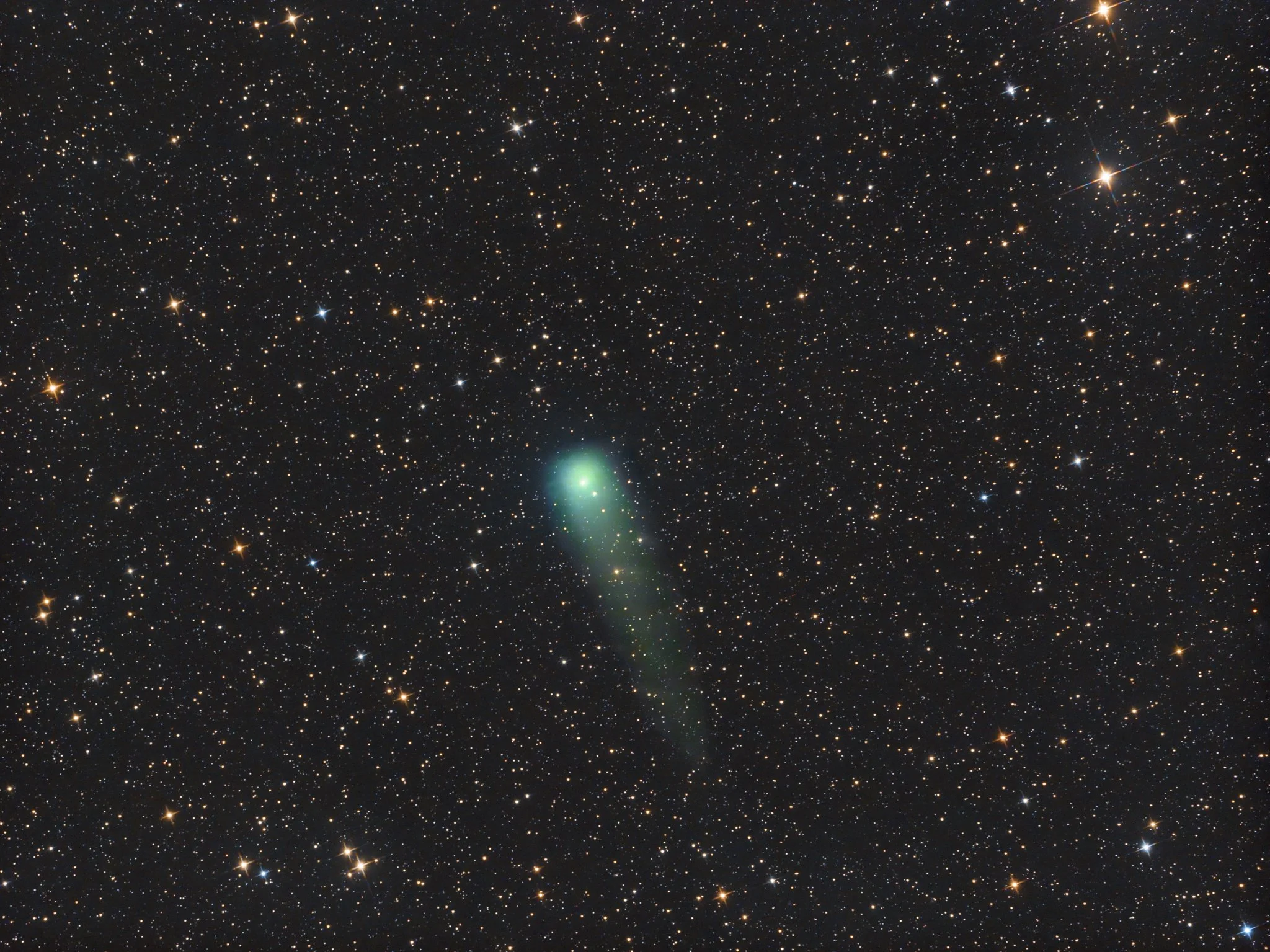
C/2017 K2 (PANSTARRS) - Across the Universe
Image Description and Details : On Charles Messier's birthday, I honored him by photographing comet C/2017 K2 (PANSTARRS) as it traveled through our solar system in constellation of serpens. Distance at time of recording was 281 Mio. km. I recorded the image from my Garden at Schwabach (Bavaria), Germany at Bortle 5 Class. Equipment: Telescope: Skywatcher 150/750 PDS Mount: Skywatcher EQ5-Pro Camera: QHY163C (Gain 120, Offset 50, -15°C) Guiding: ZWO ASI 120 MC-S, PHD2 Recordingsoftware: N.I.N.A Exposure: 138 x 30s Lights Total exposure time: 1,09 Hours 50 Darks, 30 Flats, 30 Darkflats Stacking: Astropixelprocessor Image Editing: Adobe Photoshop, Adobe Lightroom
Copyright: Michael Kraus
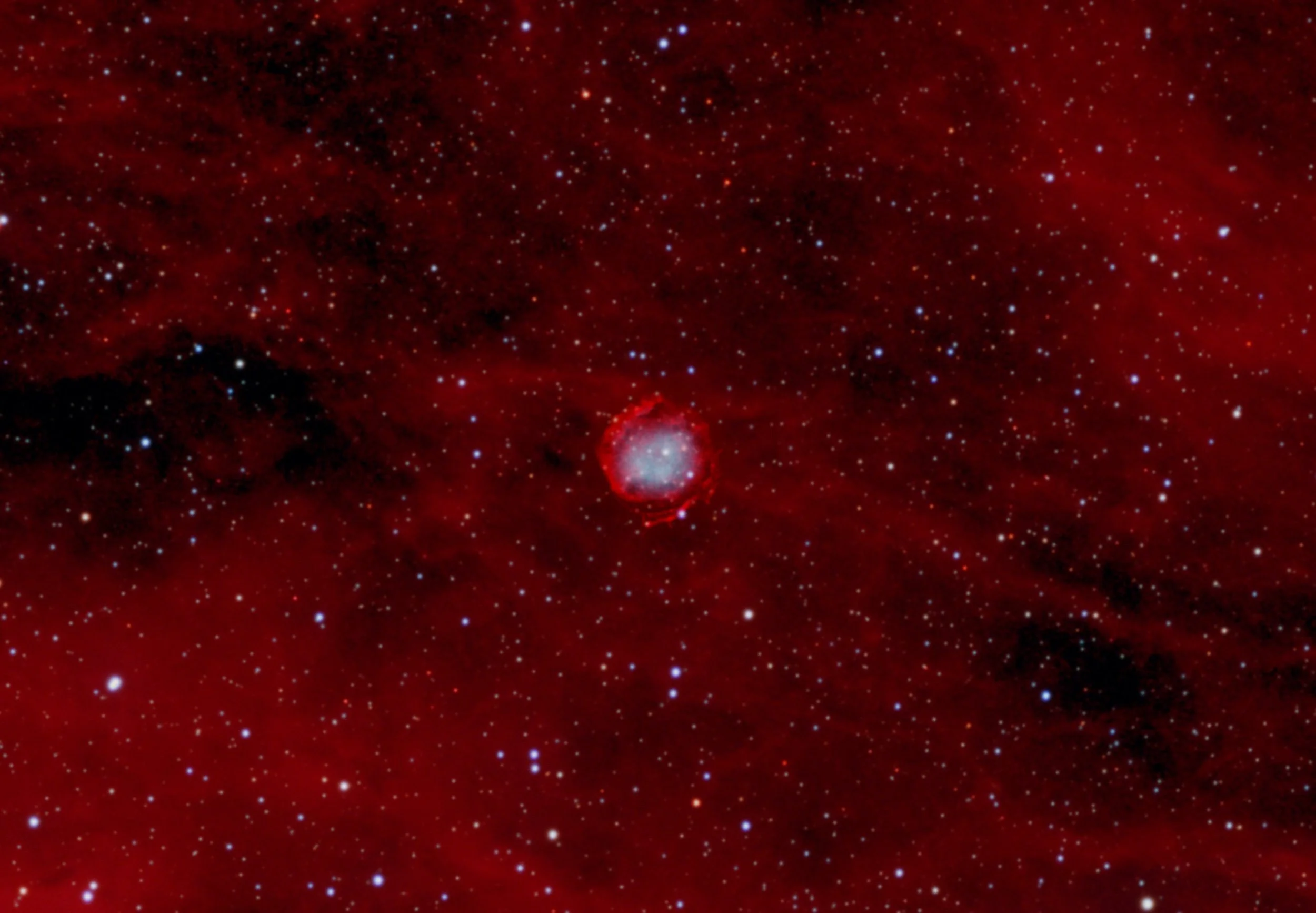
Abell 71
Image Description and Details : Abell 71 is a faint planetary nebula in the constellation Cygnus. It has a diameter of 168 arc seconds and is 2,400 light years from Earth. The background nebulosity is part of SH2-116. This was a joint project with my good friend Sven Eklund, with data captured on both my dual rig of 6" refractors and his C14 EdgeHD - all located at Fregenal de la Sierra in Southern Spain. Data captured between 7-21 June 2022. Scopes: APM TMB LZOS 152 Refractors and Celestron C14 Edge HD Cameras: QSI6120wsg8 and ZWO ASI1600MM Pro Mounts: 10Micron GM2000 HPS and iOptron CEM120 A total of 51 hours 30 minutes (HaOIIIRGB)
Copyright: : Peter Goodhew
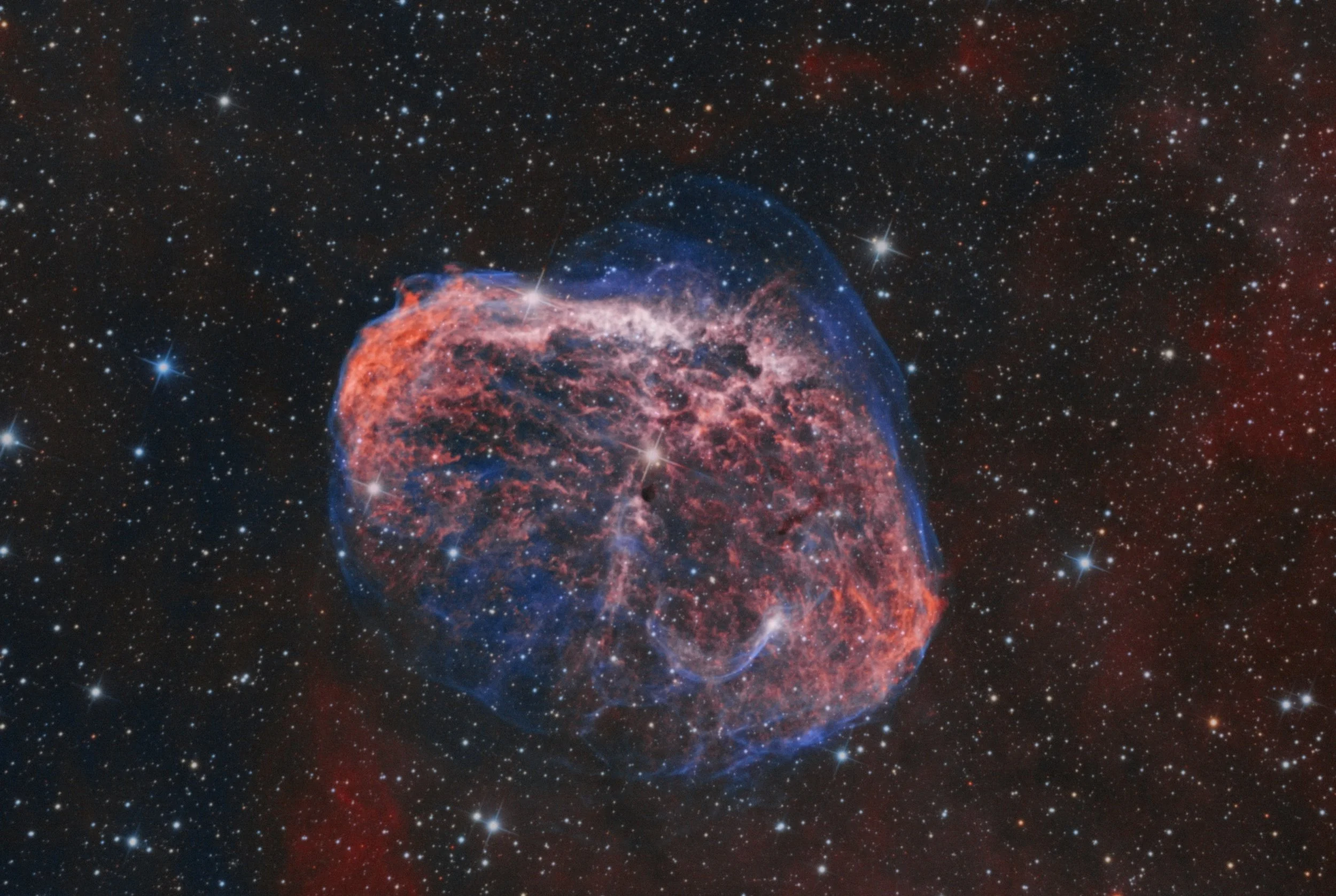
NGC 6888 Crescent Nebula HOO
Image Description and Details : I took the Image over severla Nights from Bortle 5 Germany. 56x600s H2 Gain 120 -15C 56x600s O3 Gain 120 -15C Scope : TS-Optics 200mm/8" Ritchey-Chrétien Pro Main Cam : ZWO ASI294MM Mount: Sky-Watcher EQ6 Filter: Astronomik OIII CCD 6nm · Baader H-alpha 6.5nm (CMOS-Optimized) ZWO EFW 7 x 36mm Guiding: TS-Optics Guide Scope 80/600mm Guide Cam: ZWO ASI120MM N.I.N.A · PHD · PixInsight.
Copyright: Asgartt Pix ( Frank Föhles)
Name
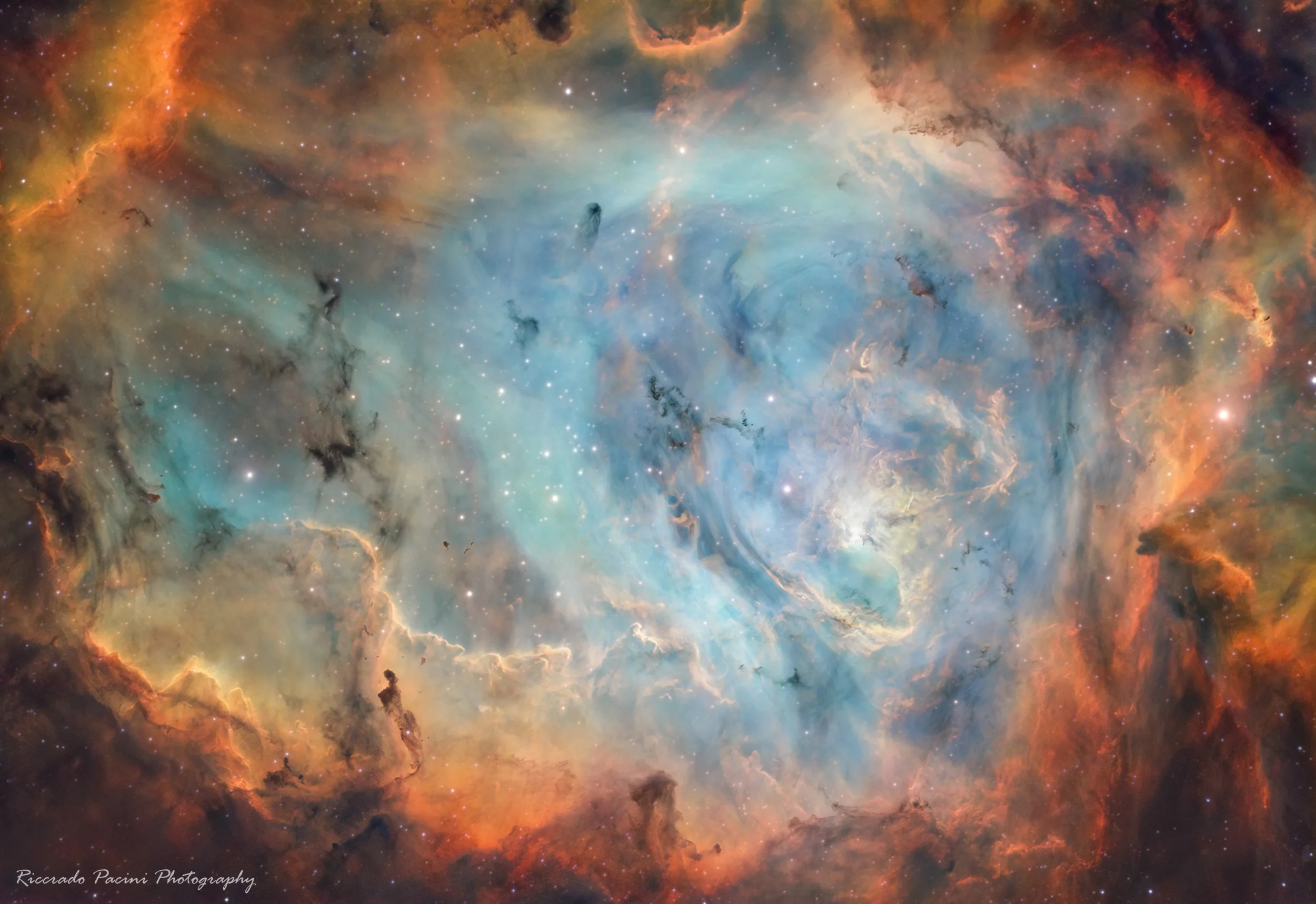
Dive into the lagoon
Image Description and Details : Inage captured between the 6th and 8th of June From bortle 9 area. Target at its highest reached 27° above the horizon Gear used Celestron edgehd 8 reduced 0.7x As294MM pro Antila 3nm SHO filters Processed in astropixel processor and finished in photohsop Total integration time little less than 12h
Copyright: Riccardo Pacini
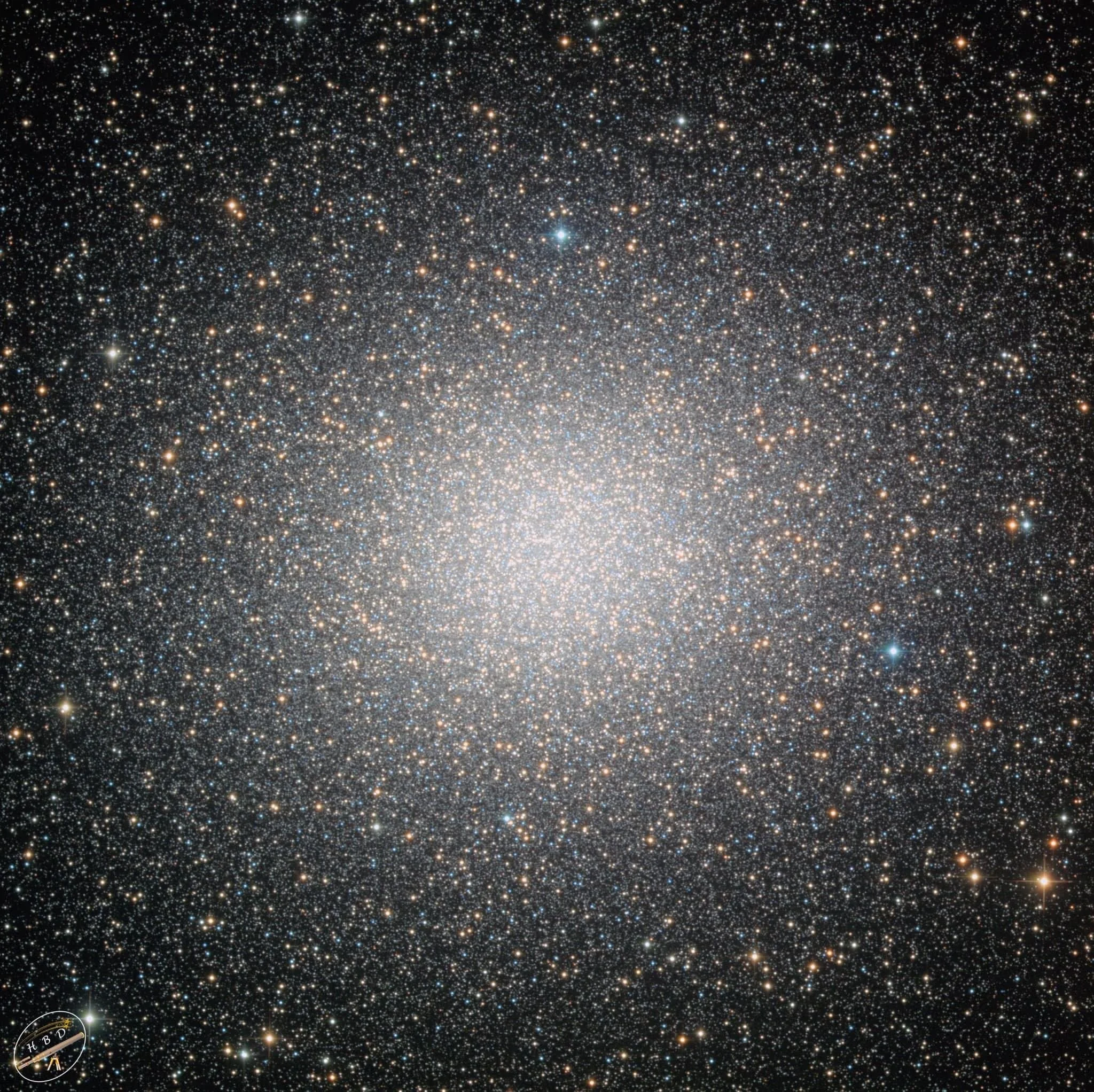
NGC 5139
Today we see a shot of the spherical constellation Omega Centauri, NGC 5139, which can be found at the same time on www.astronomie.de with professional explanations by Peter Riepe as the astrophoto of the week. Of course, there is a comparison on Saturday, because a new picture of Fuerteventura from early June was successful in good conditions.
Setup: Planewave CDK 24, 60 cm, f 6,5
Camera FLI PL 9000 with Filterrad
Mathis Mount with Absolut Encoders
Exposure 8h 30 min.
LRGB with Fitswork, PixInsight und PS
Copyright: Hans Dorfeldt
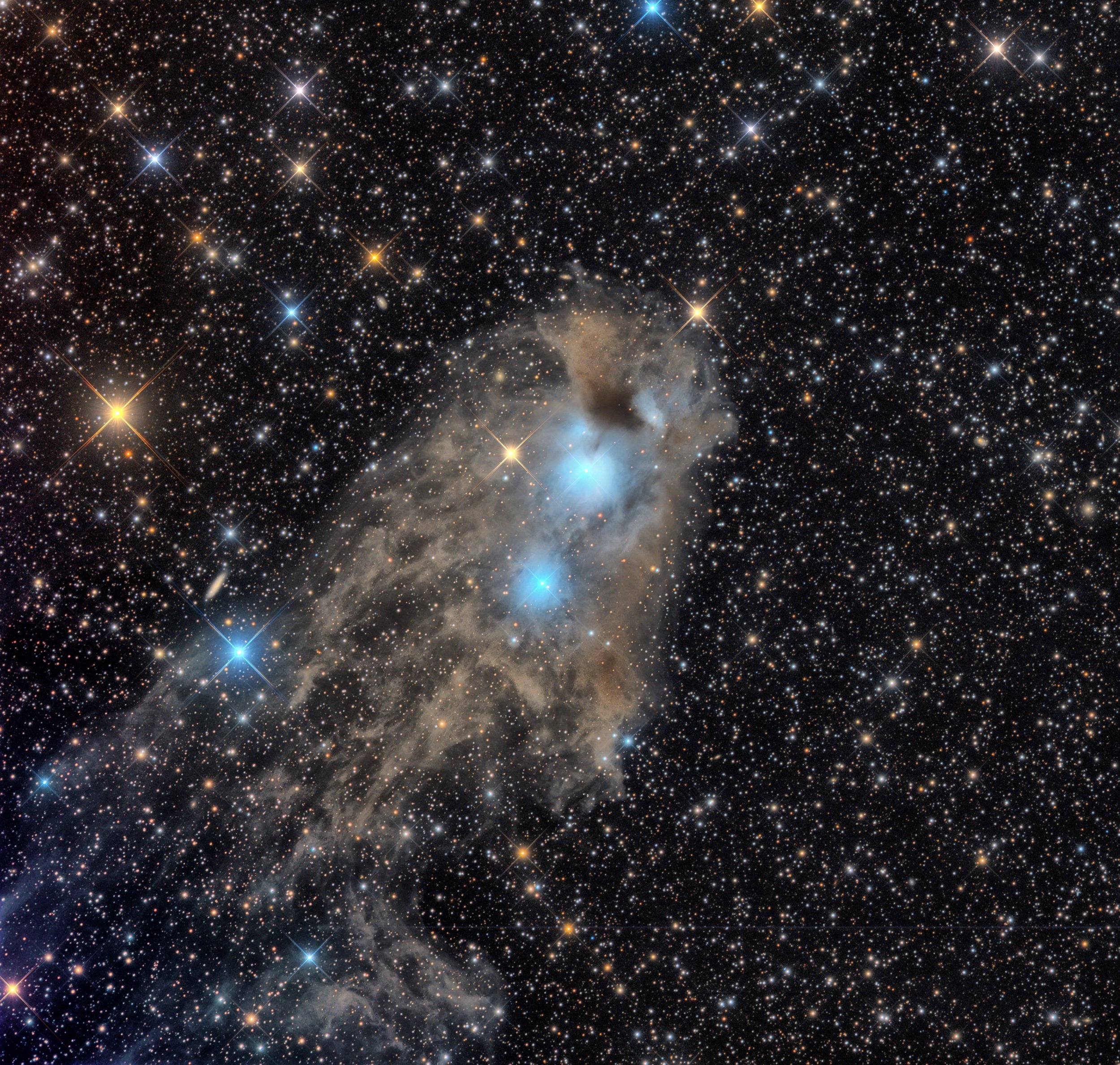
NGC 5367
Image Description and Details : Details: NGC 5367 and Barnard 146E are an interesting mixture of bright and dark nebulosity in Centaurus. The brightest portion is the reflection nebula NGC 5367 surrounding a 9th magnitude star. A second fainter portion is visible in an 8" telescope, a little southeast of the brightest portion, surrounding a 10th magnitude double star. This would be an interesting region for a visual observer with a large telescope. Exif : L = 6 x 600 seconds , R = 6 x 600 seconds , G = 6 x 600 seconds , B = 6 x 600 seconds , f/3.8 , 1900 mm Equipment: FLI PL16083 camera, ASA 500N a 50-cm F3.8 corrected Newtonian telescope, ASA DDM85 equatorial mount with direct drives Filters: Astrodon LRGB 2GEN Softwares used: Deep Sky Stacker, PixInsight, Photoshop Location: El Sauce Observatory. Río Hurtado, Coquimbo Region, Chile Image acquired via Telescope Live
Copyright: Copyright: Diptiman Nandy
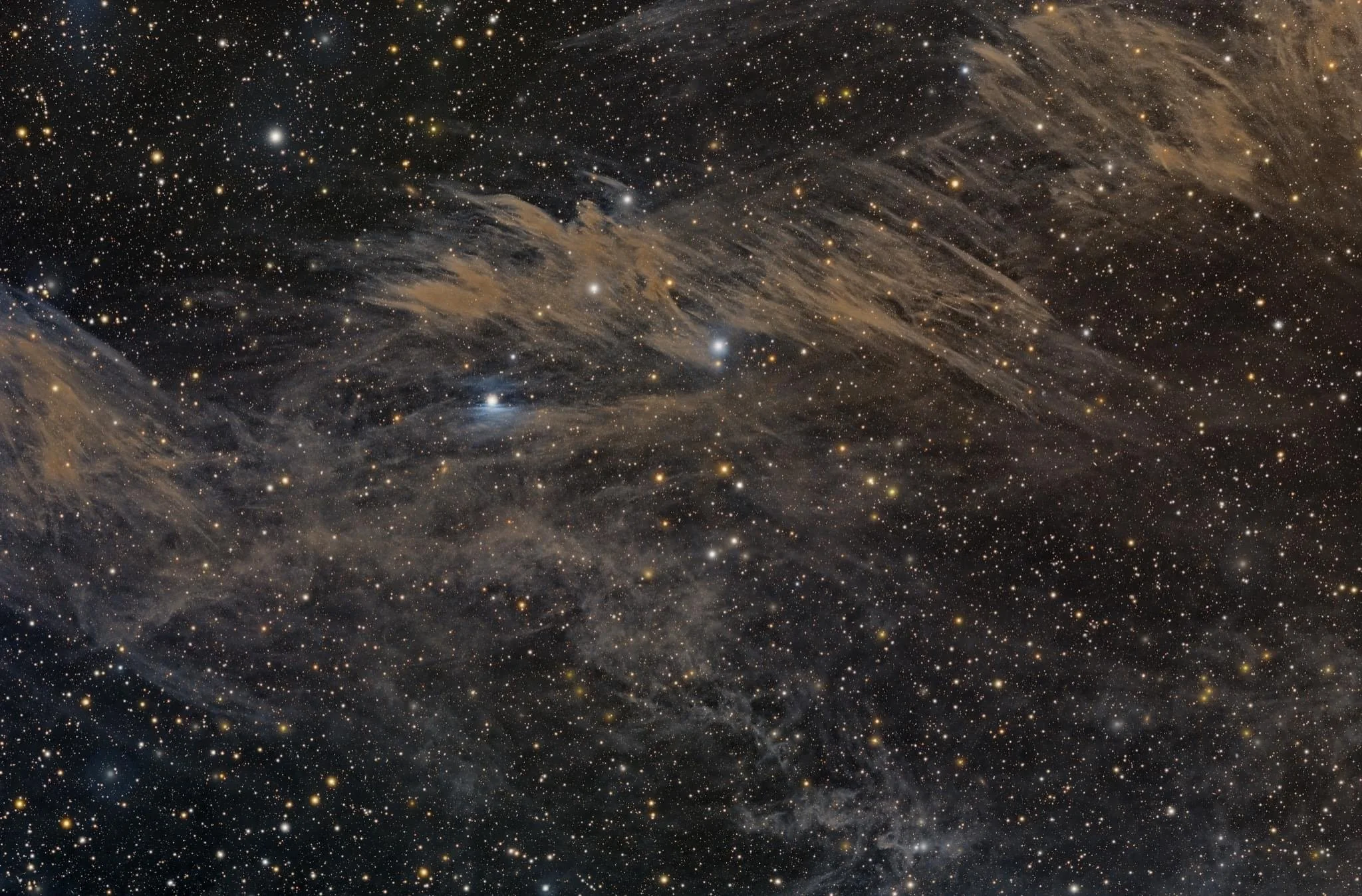
Inside The South Celestial Serpent
The South Celestial Serpent is a large integrated flux nebula (IFN). IFN are composed of diffuse dust particles, hydrogen and carbon monoxide and other elements. Unlike reflection nebula’s which are lit by proximate stars, IFN are illuminated by the glow of the Milky Way Galaxy and are much fainter than most reflection nebulae. IFN were only identified quite recently in great part due to improvements in the sensitivity of imaging sensors. They are very prominent in the direction of both the north and south celestial poles. The large IFN nebula close to the south celestial pole is MW9 and is commonly termed the South Celestial Serpent.
Imaged in RGB on our RH 350 at Observatorio El Sauce, Chile.
Image Processing: Mike Selby and Mark Hanson
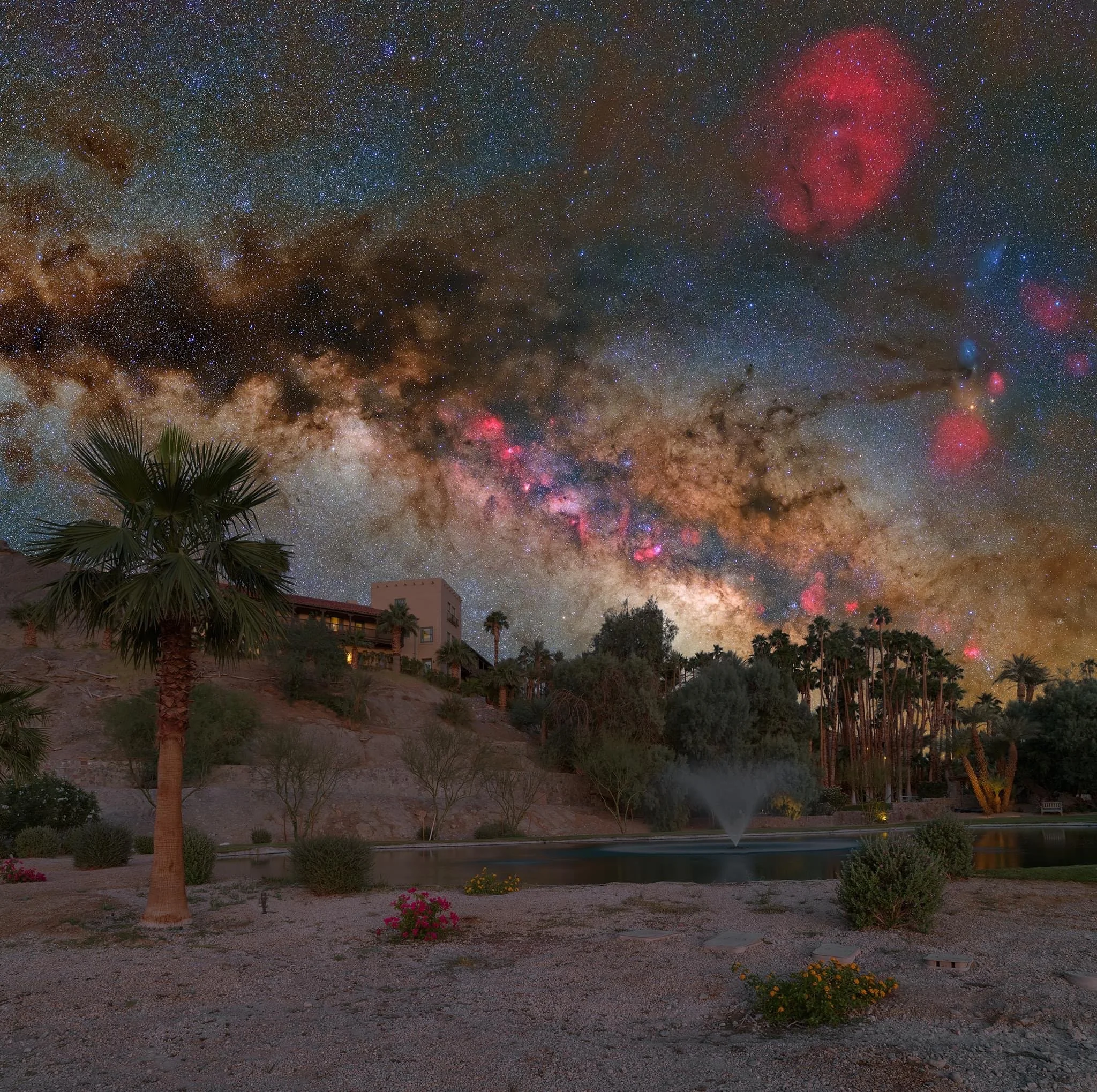
The well
Image Details:
"What makes the desert beautiful is that somewhere it hides a well." - Antoine de Saint-Exupéry
My favorite poet certainly didn't have such a luxurious fountain in mind, when he wrote those words in his famous novella "The Little Prince", but when I saw it during my visit to Death Valley National Park in May, I knew I had to return to shoot it with the rising Milky Way.
EXIF
Canon EOS R, astro-modified
Sigma 28mm f/1.4 ART @ f/2
IDAS NBZ filter
iOptron SkyTracker Pro
Sky:
Stack of 6x 45s @ ISO1600, unfiltered & 5x 10⁵s @ ISO6400, filtered
Foreground:
Focus stack of 5x 4s @ ISO100 during blue hour
Copyright: Ralf Rohner
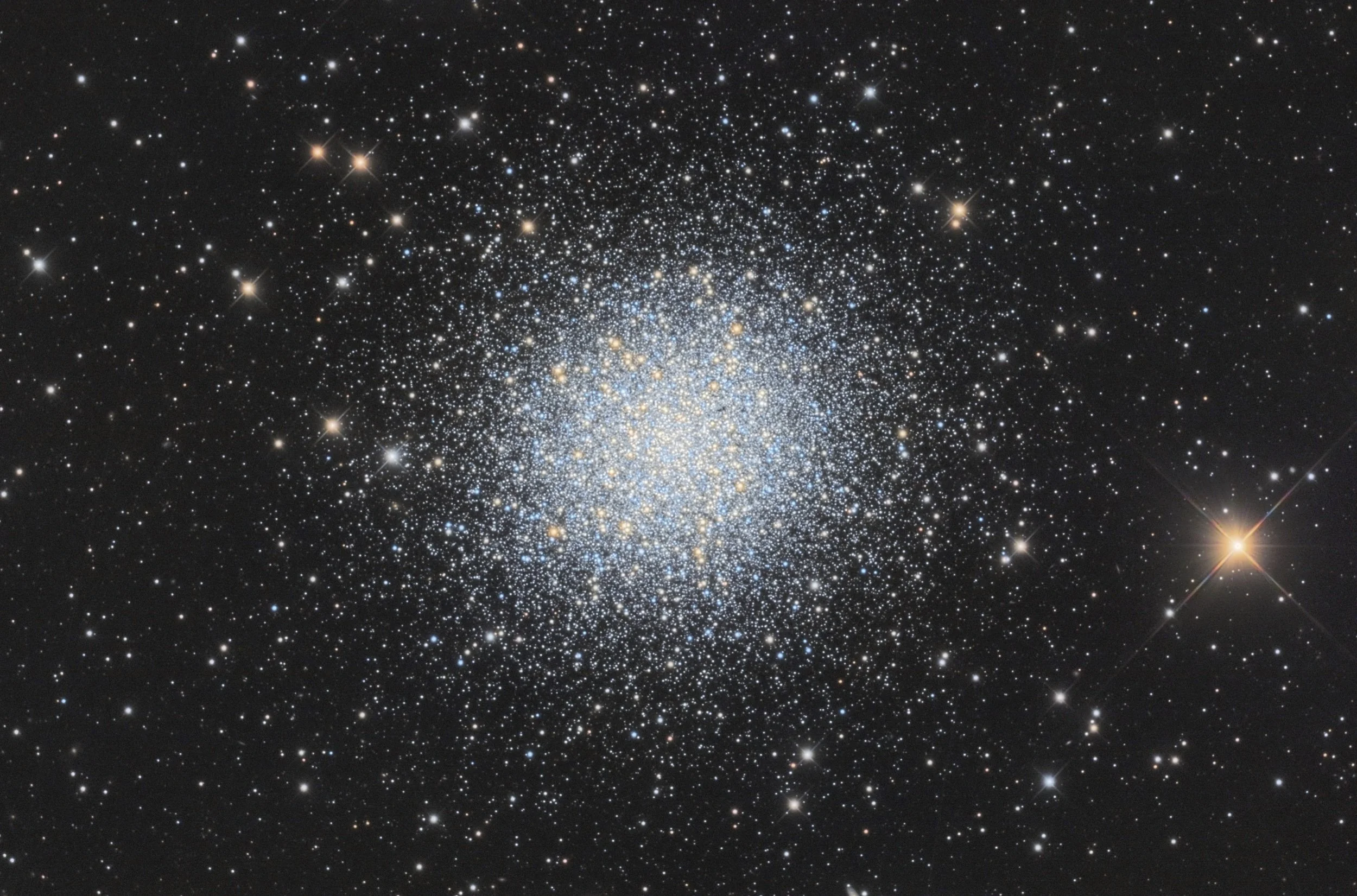
Hercules Globular Cluster - M13/NGC6205
Image Description and Details : The Globular Cluster of Hercules or Messier 13 or even NGC 6205 is a globular cluster visible in the constellation of Hercules. It is the brightest globular cluster in the northern hemisphere and is also visible to the naked eye. The estimated distance from the solar system is just over 25,000 a.l. Acquisition details: 2 x GSO RC8" Carbon 2 x QHYCCD 183M camera 2 x StarPi (Stellarmate) LRGB Baader Filters LRGB Optolong Filters SkyWatcher N-EQ6 mount iOptron CEM70 mount L bin1x1 137x60s L bin1x1 119x300s R bin2x2 32x60s G bin2x2 32x60s B bin2x2 32x60s R bin2x2 16x300s G bin2x2 16x300s B bin2x2 16x300s For a total of 17 hours and 48 minutes
Copyright: Acquisition by Giosi Amante & Alessandro Pensato Processing by Giosi Amante exclusively with Pixinsight
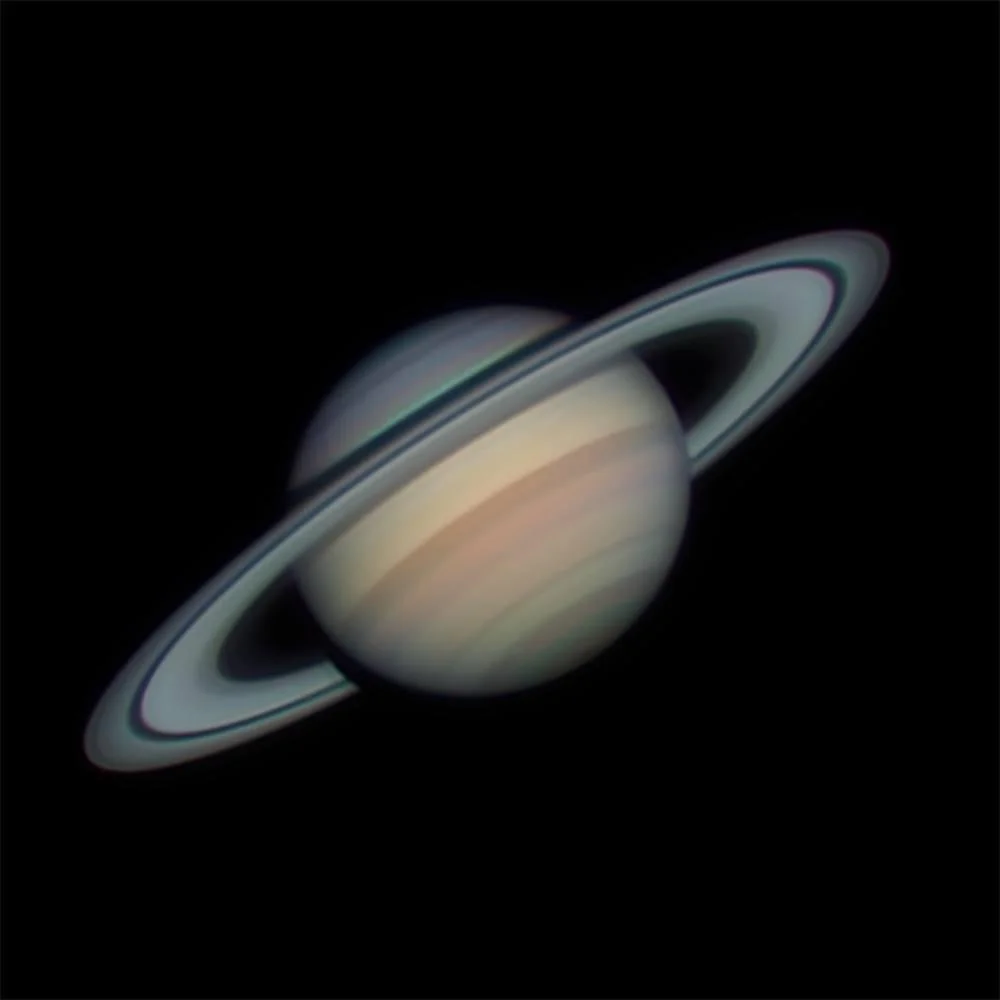
Saturn
Saturn, with the resplendent colours of its southern hemisphere.
I had superb seeing for this session and that has resulted in a lot of detail being resolved in the planet's atmosphere.
There is a large storm cell in the NNTeZ on the p side of the Central Meridian, which could be seen in both the RGB and IR images. On its f side a series of small ovals can be observed.
This is the first image I have captured where there is clearly discernible activity in the southern hemisphere now that the ring tilt is allowing us to see that. On the northern side of what I think is the SSTeB, there is quite a dark feature on the f side of the Central Meridian nearer to the limb, again clearly discernible in RGB and IR. On the p side of this feature is a line of small ovals and festoons.
OTA: C14 EdgeHD
Camera: ZWO ASI 178MM
Mount: Paramount MX+
Barlow: Siebert UV 1.5X...giving a 7m focal length
Image scale 0.07 "/pxl
RGB captures: 90 secs per colour channel, 11 runs
Frames stacked: 87,000
Frame rate: 72 fps
Exposure 13ms
Copyright: Niall Macniell
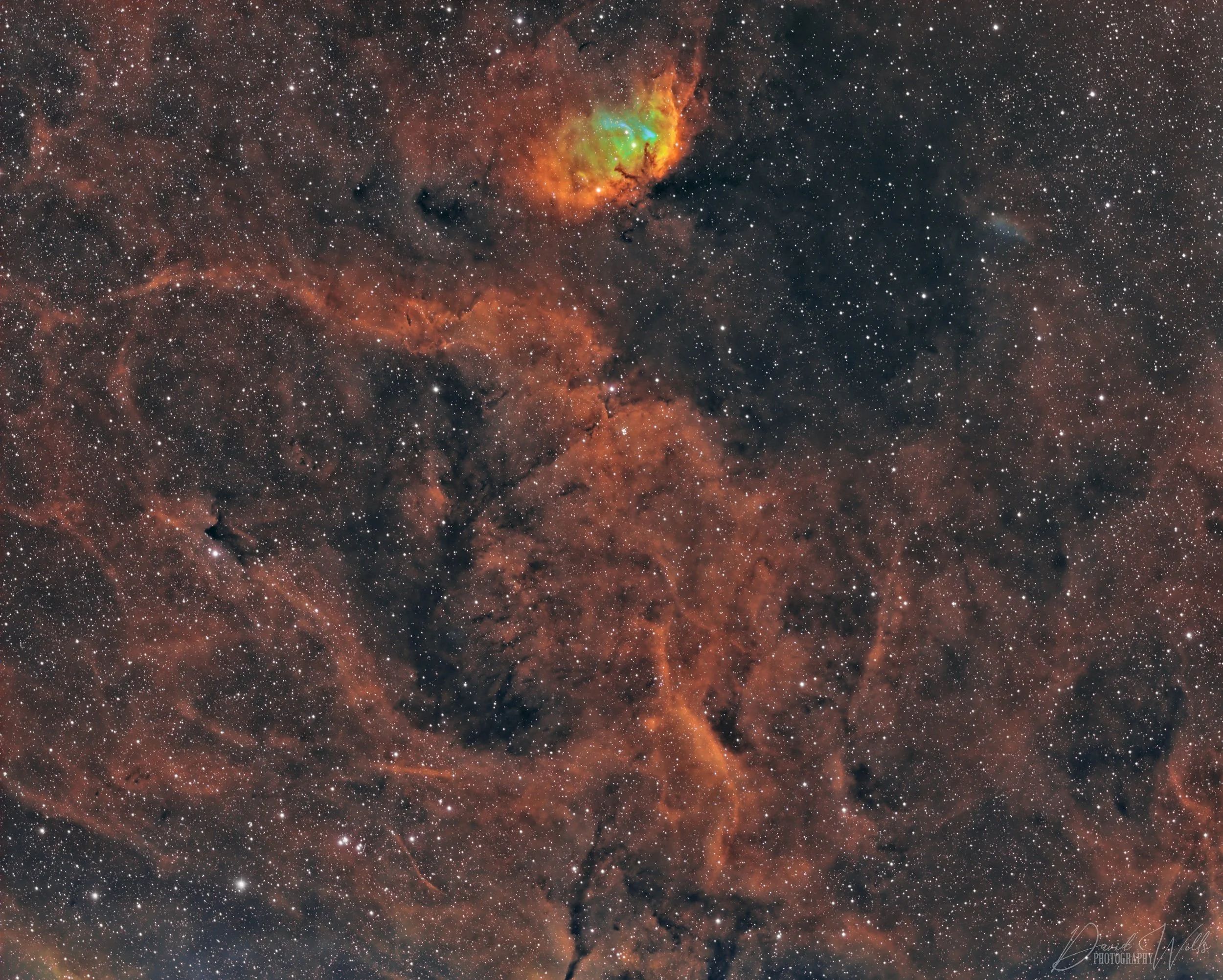
LBN168 Tulip Nebula
Image Description and Details : Tulip Nebula captured by David Wills at PixelSkies, Castillejar, Spain Ha 80 x 300s OIII 80 x 300s SII 105 x 300s 22 hrs 5 mins in total. Equipment used: Telescope: Takahashi Baby Q FSQ-85ED F3.9 Camera: Xpress Trius SX-694 Pro Mono Cooled to -10C Image Scale: 2.08 Guiding: OAG Filters: Astronomik Ha,OIII,SII Mount: iOptron CEM60 "Standard" GOTO Centre Balanced Equatorial Mount Image Acquisition: Voyager Observatory control: Lunatico Dragonfly Stacking and Calibrating: Pixinsight Processing: Pixinsight 1.8, Photoshop CC
Copyright: David Wills
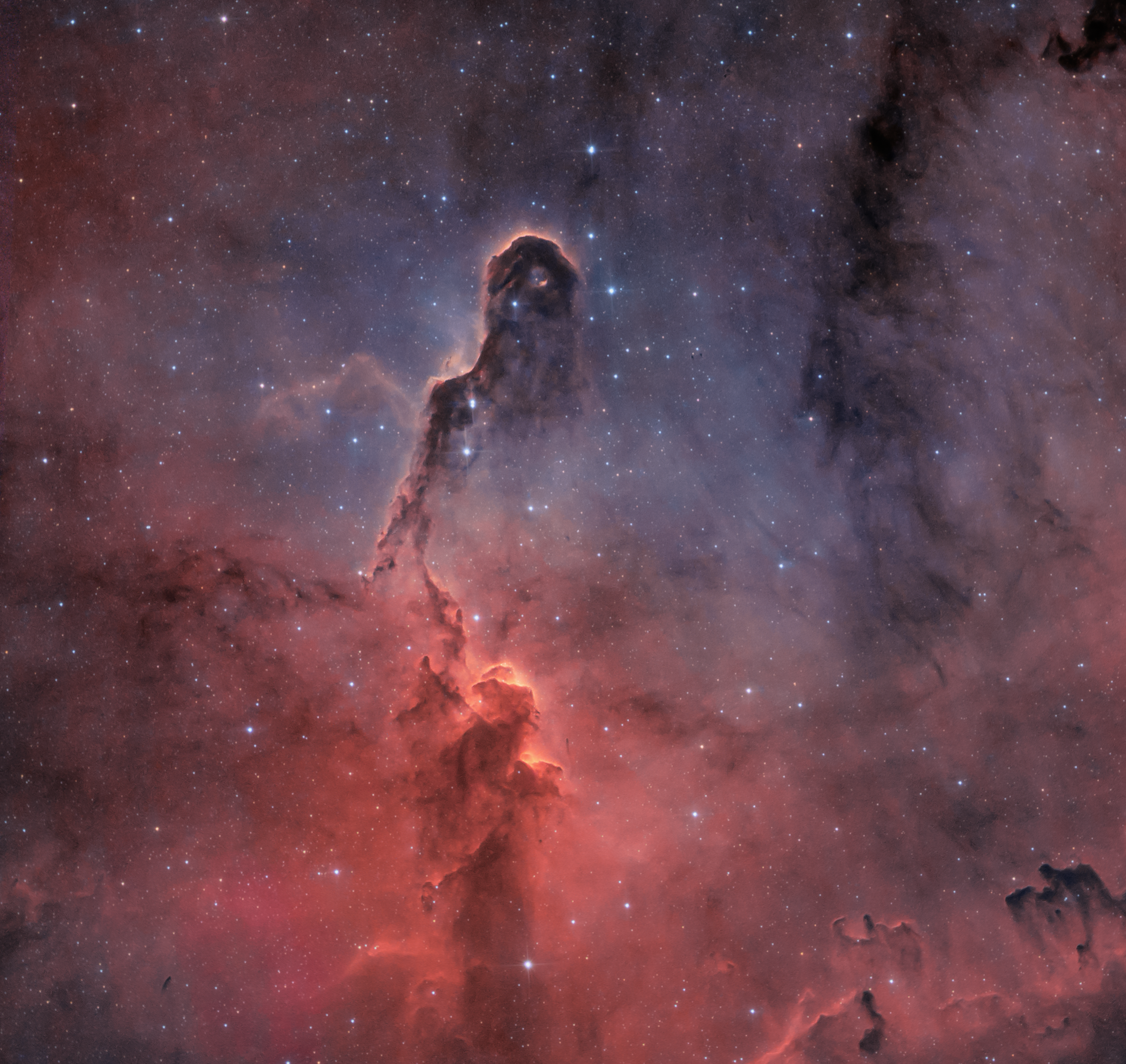
Elephant`s Trunk Nebula
Image Description and Details : 69x180s in Ha 40x180s in Oiii 10x60s in R/G/B (stars) Zwo Asi 533mm pro 6" Newt (570mm F3.8) iOptron gem28 DSS, PS, APP, B7
Copyright: Kilian Kittner
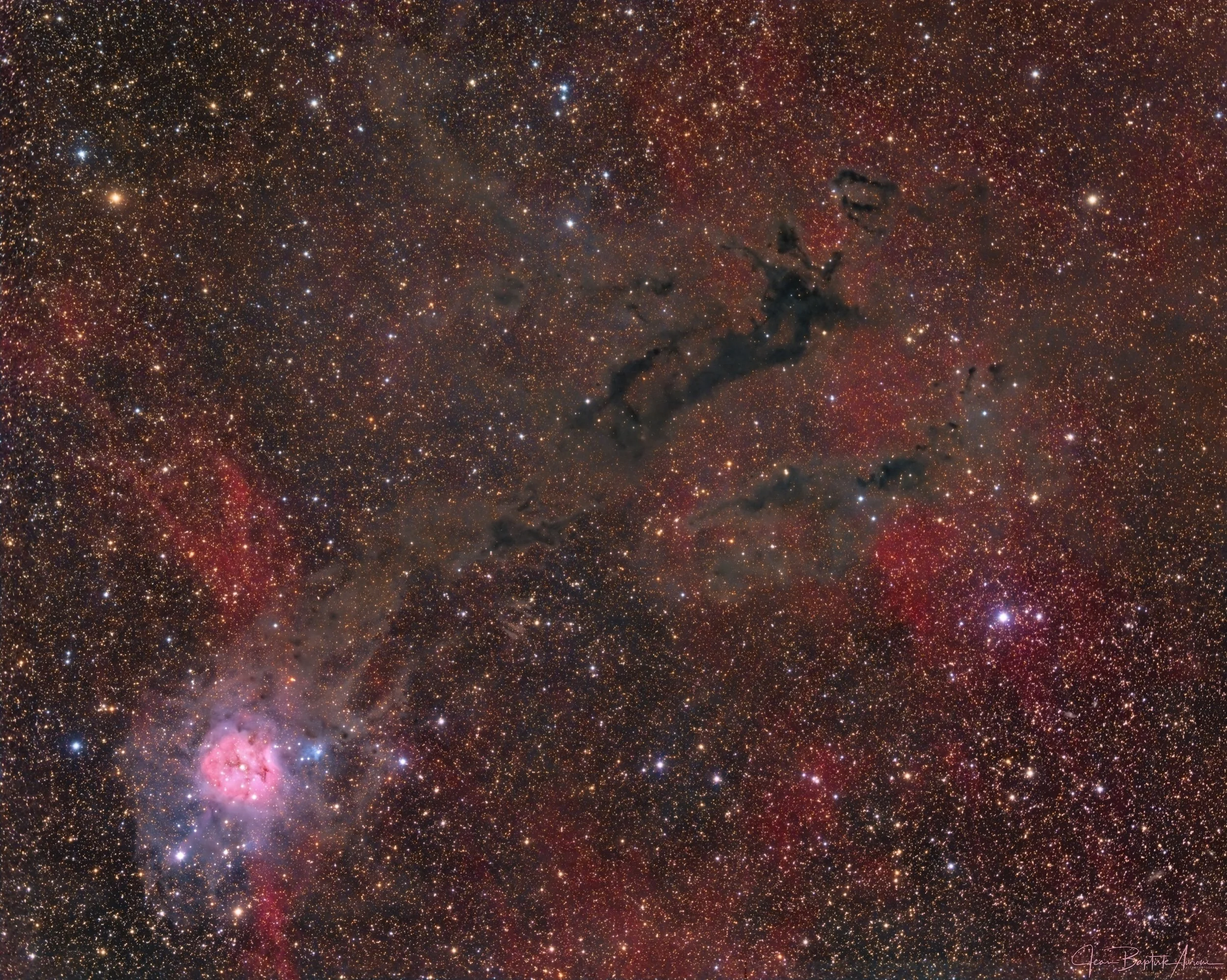
IC 5146 - Cocoon nebula (LRGB-Ha)
Image Description and Details : The "Cocoon" nebula is aptly named: it is a magnificent nursery of stars, located about 3500 light-years away in the constellation Cygnus. The "Cocoon" is home to a small open cluster (called "Collinder 470") that reveals about 20 stars. If it does not have the generous apparent dimensions of other well-known star-forming places, such as the Orion or Lagoon nebulae, the Cocoon nebula is nevertheless the seat of a sustained activity of star creation, the great majority of which are actually hidden behind the dark dust bands. The Cocoon Nebula also has a "bluish" zone around the edge of the ionized zone, which does not result from the same physical mechanism. In this zone, the light does not result from the absorption of stellar radiation by the gas and its re-emission at a lower energy (red zones), but from a simpler "reflection" of the light by the surrounding dust clouds. Takahashi TSA102 - AZEQ6 - Atik 16200MM Filters Baader LGRB-Ha (3,5nm) L : 62 x 900s bin1 Ha : 37 x 900s bin1 + 20 x 600s bin2 RGB : 108 x 300s bin2 Processing: Pixinsight & Photoshop (8 nuits) Corse & Fouras (17).
Copyright: Jean-Baptiste Auroux
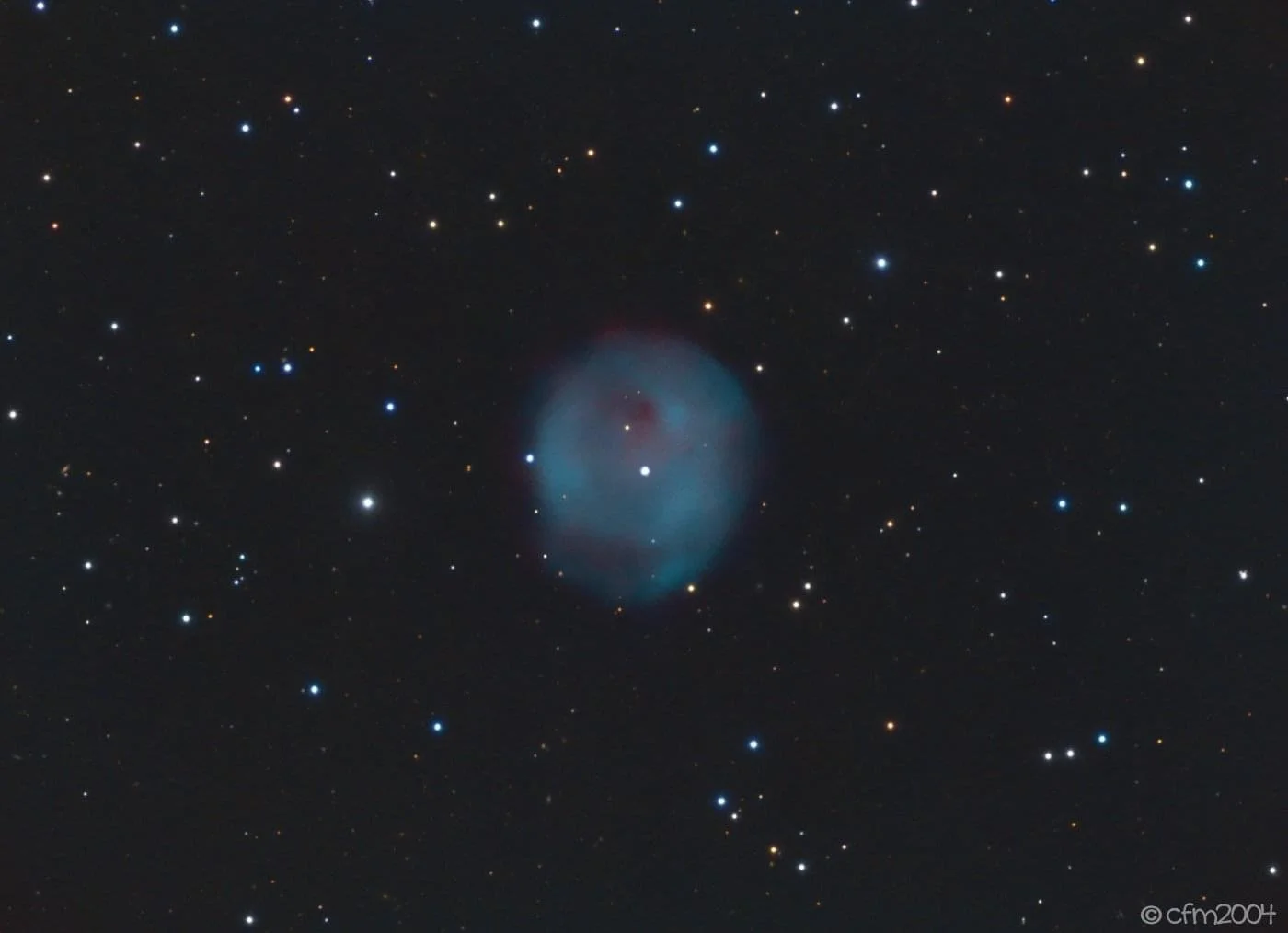
LoTr5
LoTr5 is a large, weak planetary nebula in the constellation of Chioma Berenice. LoTr 5 has the highest galactic latitude of any known planetary nebula, being only 1.5 degrees from the Galactic North Pole.
March 2021/ March 2022
Location: San Romualdo - Ravenna
Technosky Apo 130/900
Avalon M1 - QHY5III 174M on OAG Celestron
CCD QSI 520wsi cooled -20
Astrodon RGB GenII I-Series and Narrowband 5nm Filters
HA-OIII-RGB: H-alpha 44x15min, OIII 35x15min, R 30x5min, G 26x5min, B 30x5min
Acquired: MaximDL5 - Calibrated with Dark, Bias and Flat.
Processing: MaximDL5, Astroart8,Starnet2, Paint Shop Pro2022, Plugin Topaz and Nik.
Copyright: Cristina Cellini