

AAPOD2 Image Archives
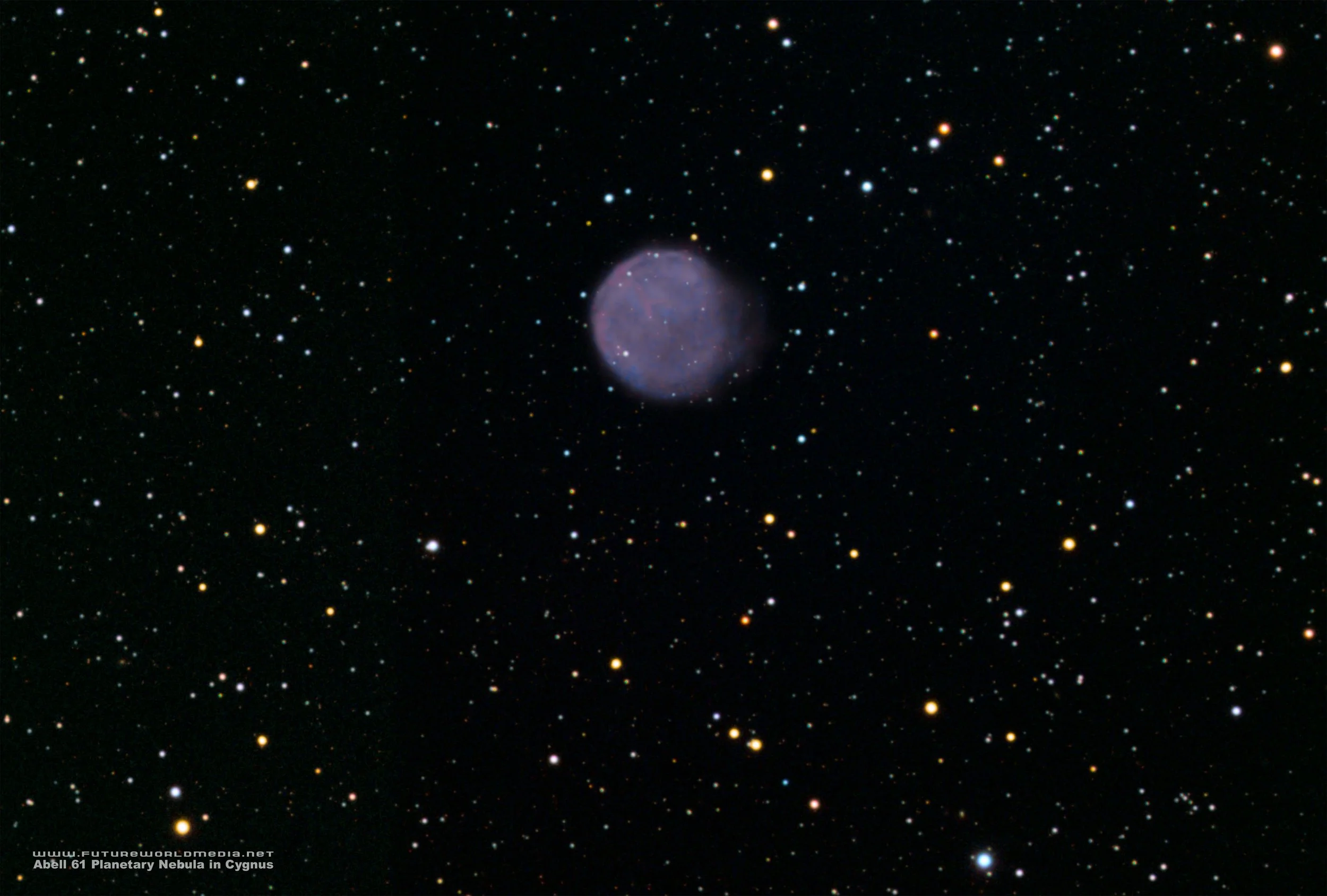
Abell 61 Planetary Nebula
Abell 61 is a planetary nebula situated in the constellation Cygnus. As a remnant of a dying star's outer layers, it showcases a spherical shell of ionized gas, illuminated by the central white dwarf star. The intricate structures within the nebula are a testament to the star's final stages of evolution. Abell 61's presence in the night sky allows astronomers to delve into the complex processes that occur during a star's demise, providing insights into the universe's continuous cycle of creation and transformation.
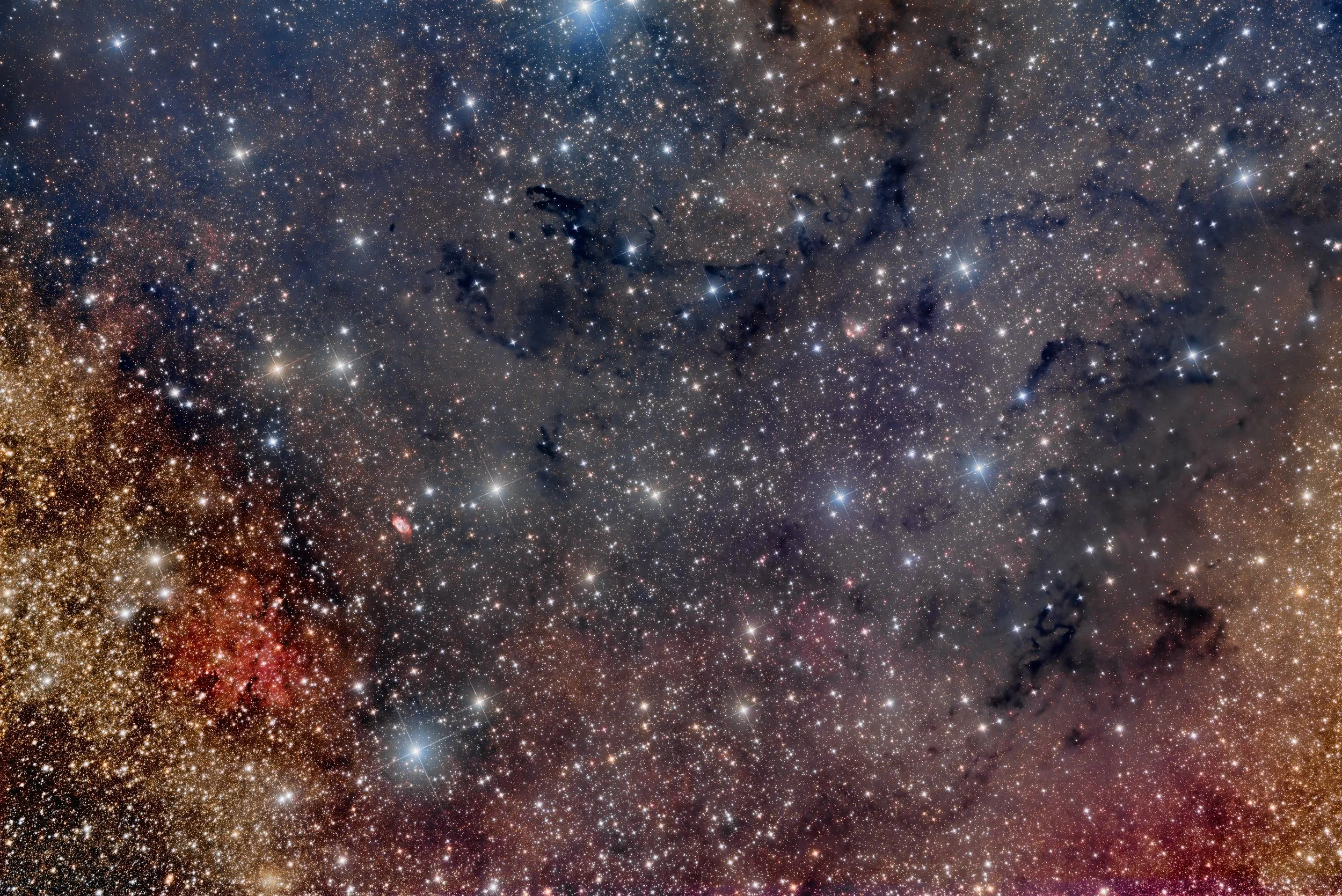
SH2-71 & SH2-72, dark nebula and IFNs Wide field
SH2-71 and SH2-72 are distinct emission nebulae found in the Milky Way's Sagittarius arm. SH2-71, also known as Gum 48, resides in Scutum and houses a cluster of young, hot stars that energize the surrounding gas, resulting in intricate structures shaped by their interplay. SH2-72, the Omega Nebula or Messier 17, in Sagittarius, showcases its iconic "omega" shape and serves as a fertile ground for star formation, revealing insights into the processes governing the birth of stars and their interaction with their cosmic surroundings.

M27 in HOO 100% view
M27, also known as the Dumbbell Nebula, is a planetary nebula situated in the constellation Vulpecula. This stunning celestial object is the result of a dying star's outer layers being expelled into space, forming a distinctive dumbbell shape. The central white dwarf star illuminates the surrounding gas, creating a breathtaking display of intricate structures and vivid colors. As one of the brightest planetary nebulae visible from Earth, M27 provides astronomers with a valuable opportunity to study the final stages of stellar evolution, shedding light on the destiny of stars like our Sun and the complex processes that shape the cosmos.
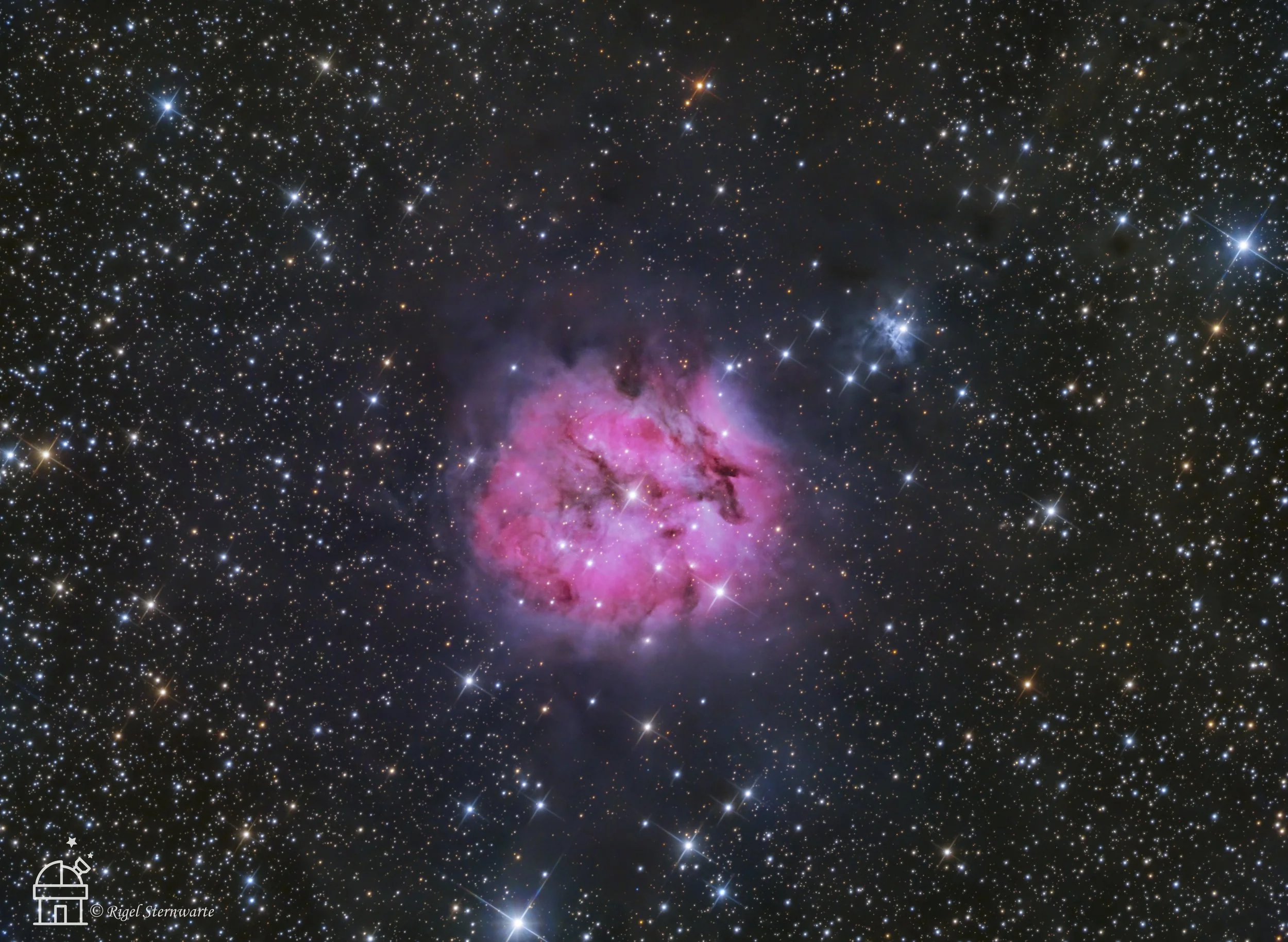
Cocoon Nebula
The Cocoon Nebula, designated as IC 5146, is a star-forming region residing in the constellation Cygnus. It's characterized by a dark cloud of interstellar dust and gas, which obscures background stars, and illuminated regions where new stars are emerging. The nebula's ethereal appearance resembles a cocoon, giving rise to its name. The young, hot stars within the nebula emit radiation that energizes the surrounding gas, causing it to glow. This interplay of dark and illuminated regions, combined with ongoing star formation, makes the Cocoon Nebula a fascinating laboratory for studying the birth and evolution of stars and the intricate interstellar environment in which they form.
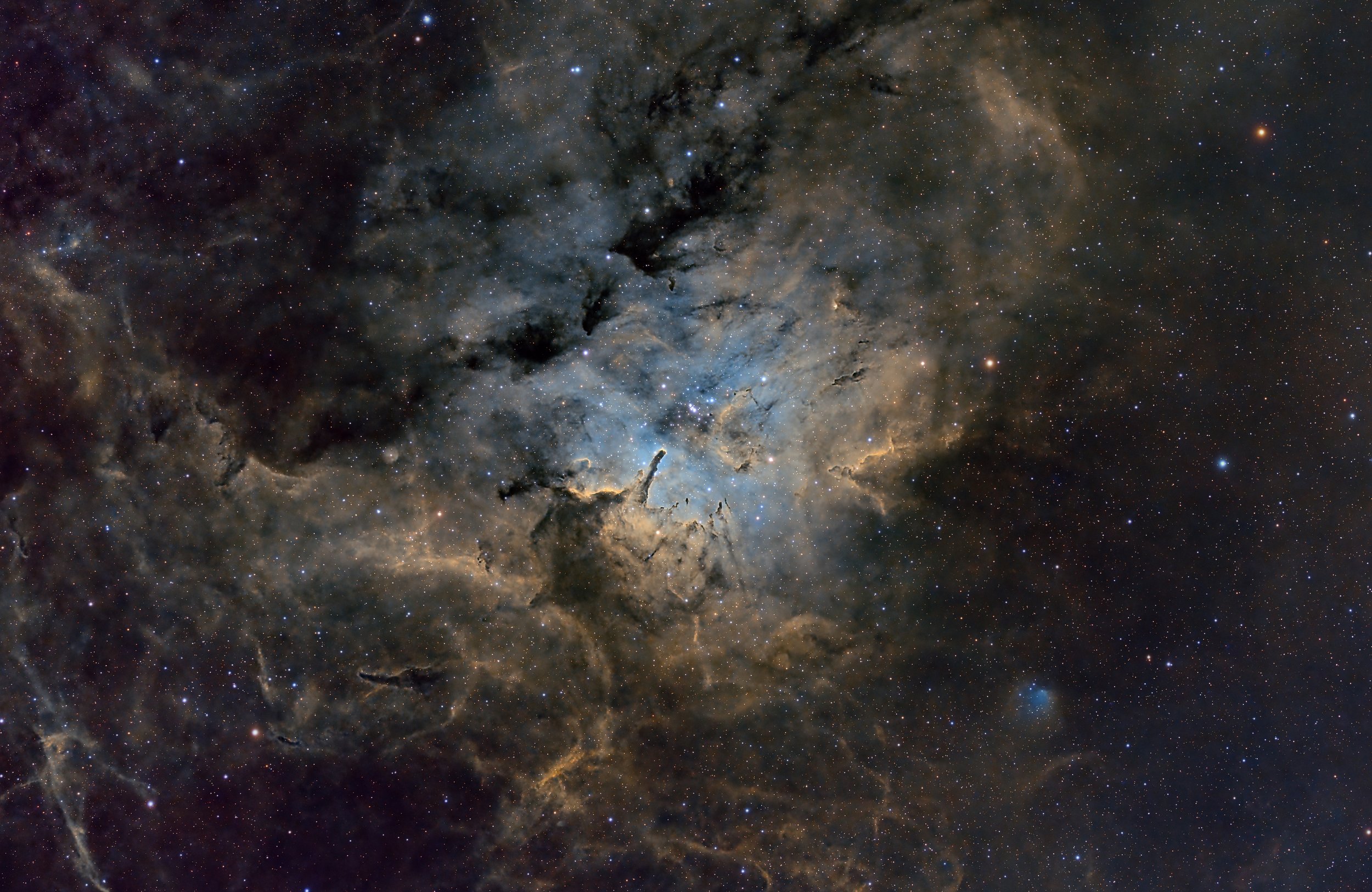
Sh2-86 and NGC6823
NGC 6823 is an open star cluster located in the constellation Vulpecula, surrounded by the intricate Sh2-86 emission nebula. This stellar nursery is populated with young, hot stars born from the same massive molecular cloud. These stars illuminate their surroundings, carving out captivating nebulous structures and actively shaping the region's dynamic landscape. NGC 6823 and its accompanying Sh2-86 nebula provide astronomers with a unique window into the complexities of star formation, evolution, and their intricate relationship with the cosmic environment, enhancing our understanding of the continuous cycle of creation and transformation in the universe.
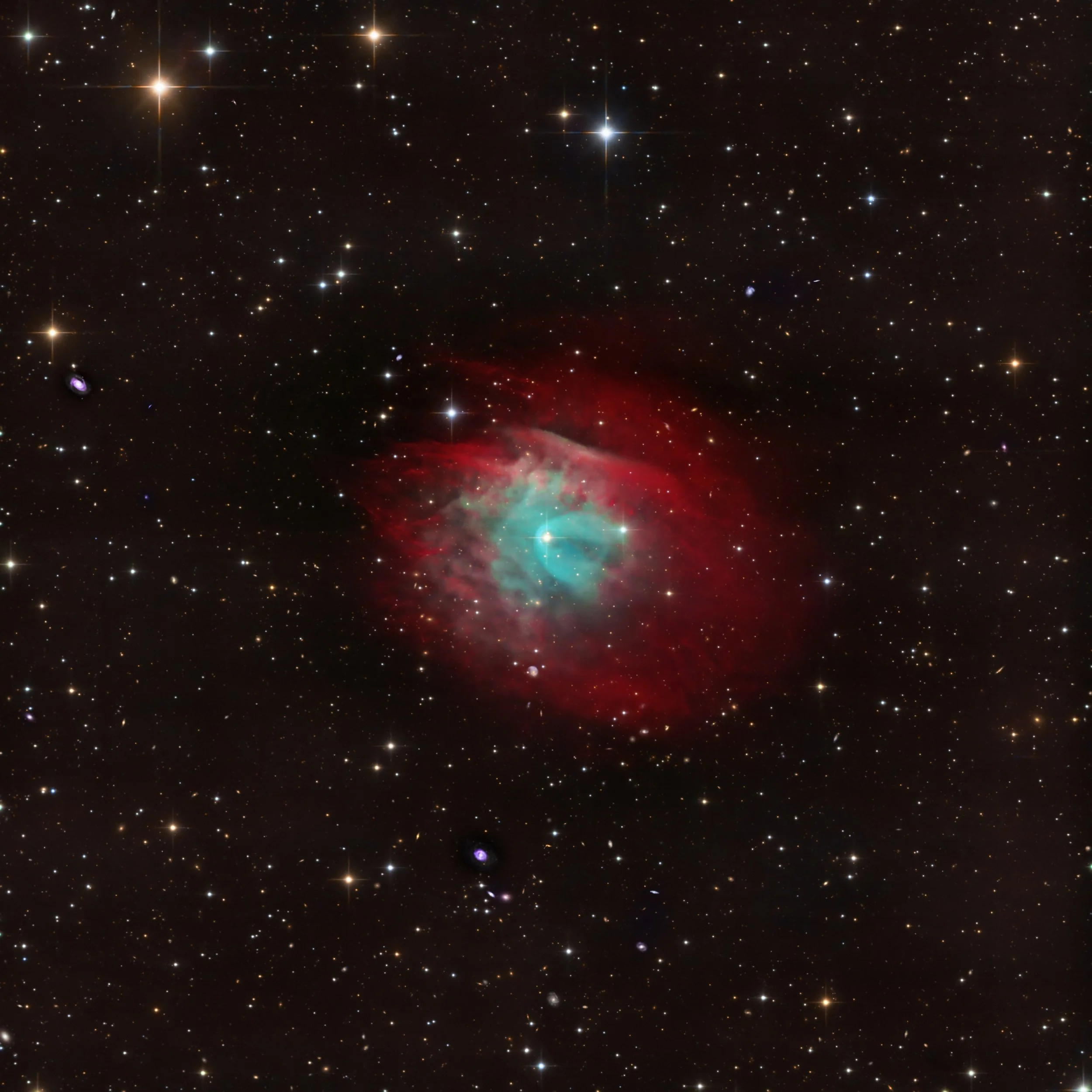
Abell 35
Abell 35 is a planetary nebula situated in the constellation of Hydra. This intricate shell of ionized gas is the result of a dying star's outer layers being expelled into space, illuminated by the central white dwarf star. Its distinct structure and intricate patterns offer insights into the late stages of stellar evolution. Abell 35's existence aids astronomers in unraveling the complex processes that occur when stars near the end of their lifecycles, enriching the cosmos with elements and showcasing the dynamic nature of the universe.
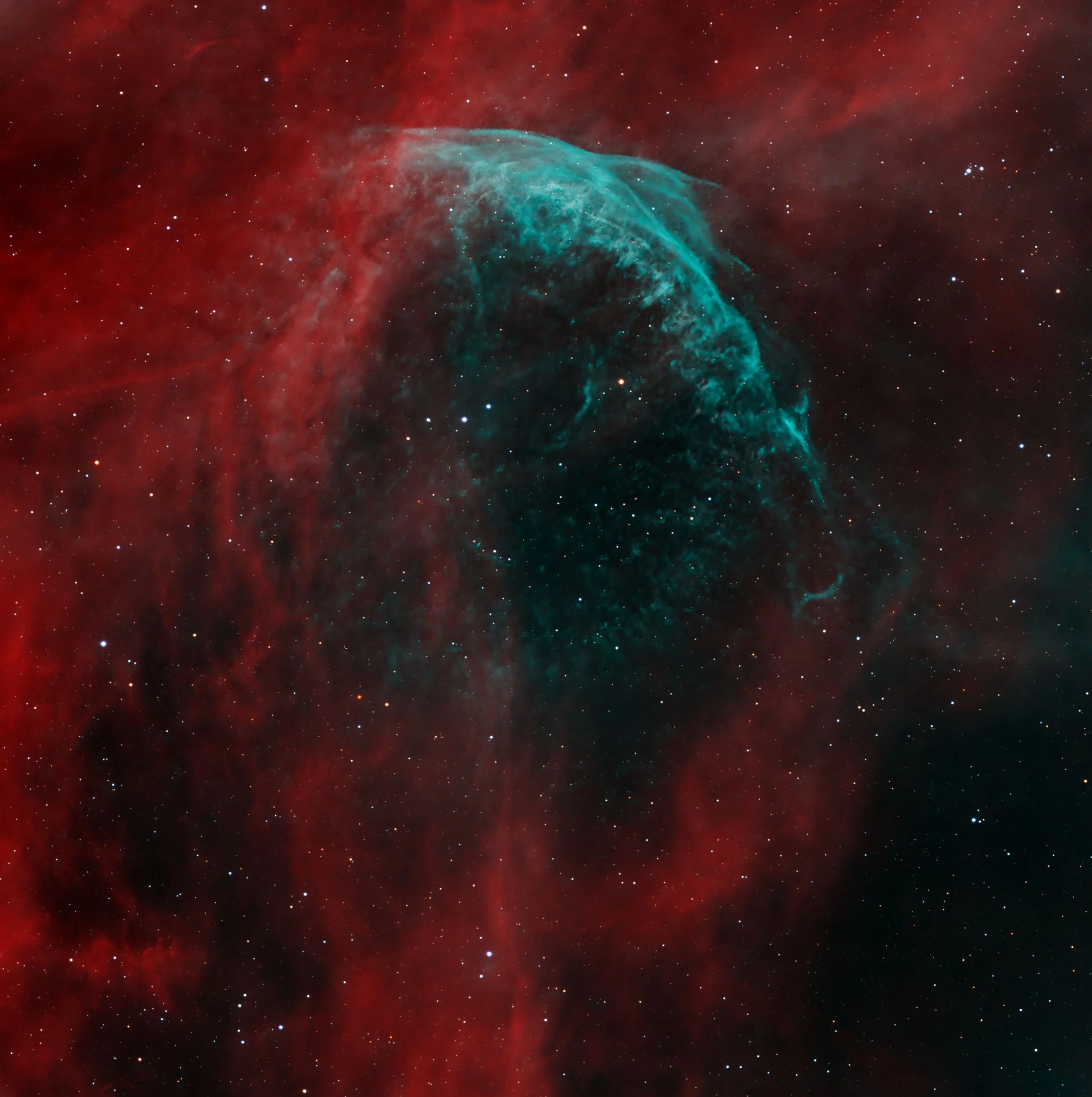
WR 134
WR 134 resides in the Cygnus constellation as a nitrogen-rich Wolf-Rayet star, belonging to a binary system. These massive stars are characterized by strong stellar winds that strip away their hydrogen envelopes, exposing their dense cores. WR 134's potent winds influence its binary companion and contribute to the galaxy's heavy element enrichment. As short-lived cosmic entities, Wolf-Rayet stars like WR 134 play a pivotal role in the stellar lifecycle, shaping interstellar environments and aiding in the creation of subsequent star generations.
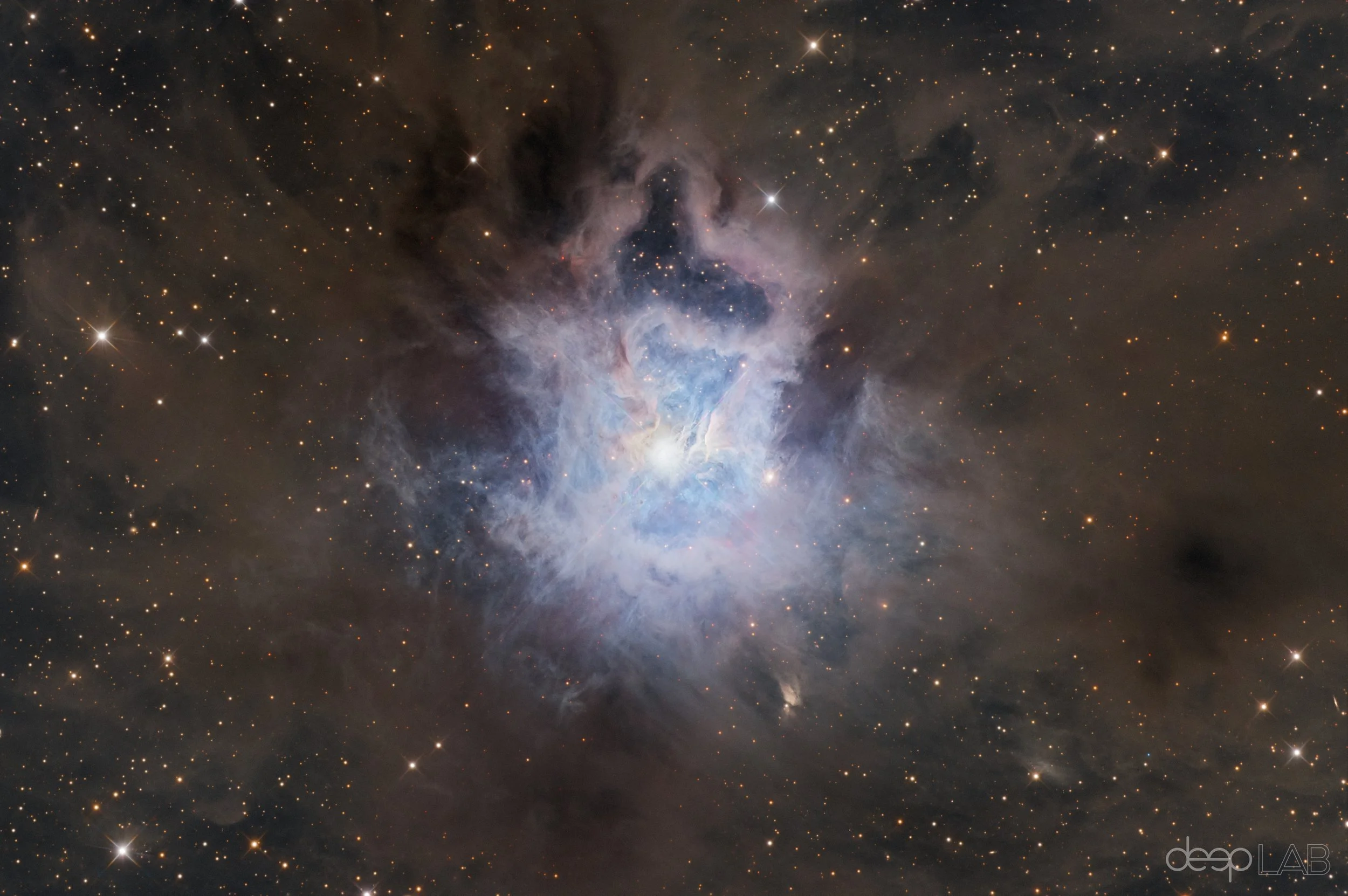
Iris Nebula
The Iris Nebula, also known as NGC 7023, is a stunning emission nebula located in the constellation Cepheus. Its intricate and colorful appearance is caused by the interplay of light reflecting off dust particles and ionized gases within the nebula. Interestingly, the Iris Nebula is illuminated by a variable star named V380 Cephei, which contributes to the dynamic nature of its luminosity.
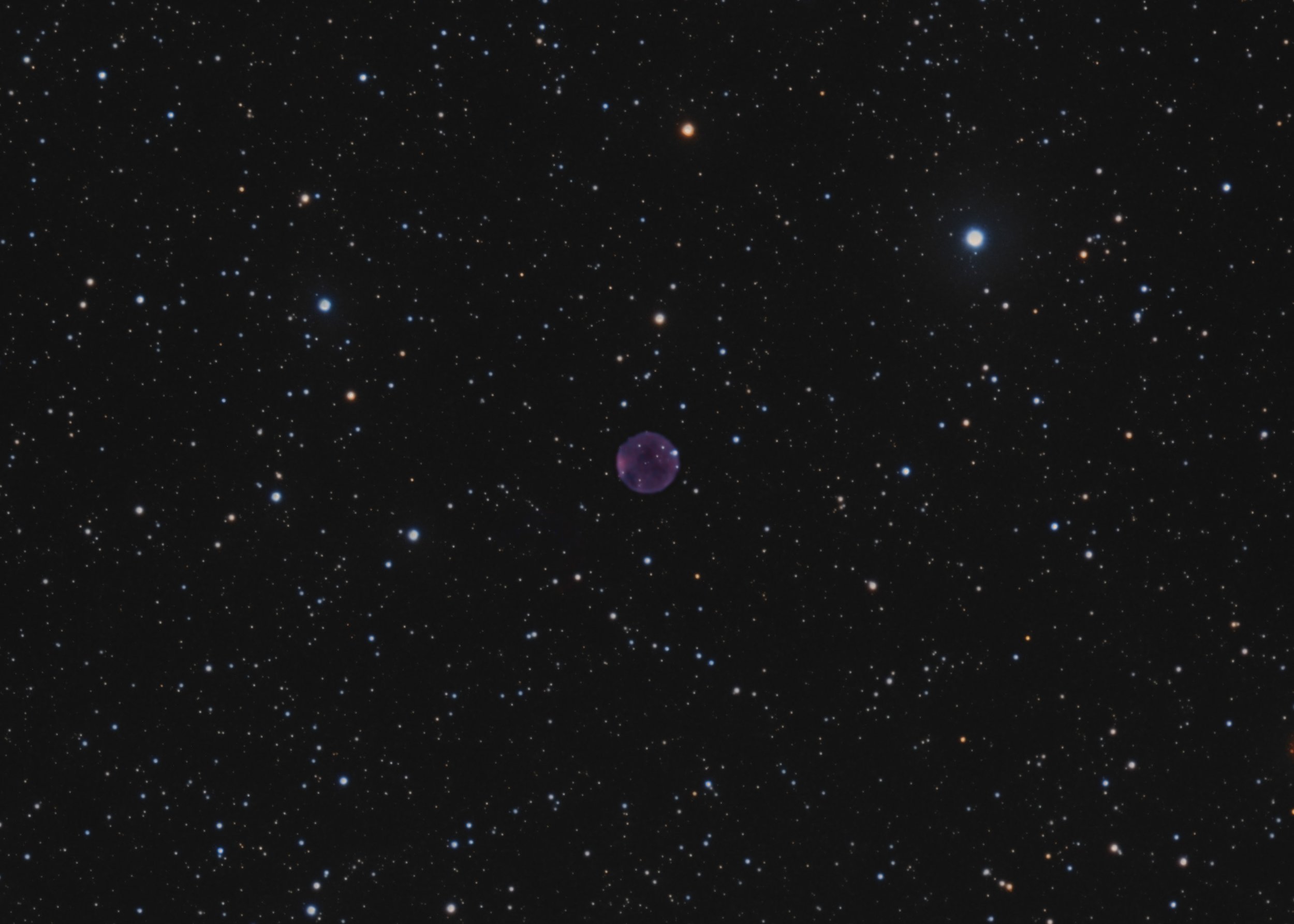
First image of planetary nebula Si 1-2
Observations of Si 1-2 and other planetary nebulae contribute to our understanding of stellar evolution, as well as the recycling of material within galaxies. The intricate shapes and structures of these nebulae showcase the dynamic interplay between stars and the cosmos, reminding us of the ongoing cycles of creation and destruction that shape the universe.

The Barnard's Galaxy and IFN
Barnard's Galaxy (NGC 6822) takes center stage in this image. Amidst a backdrop of scattered star clusters and other celestial marvels, this capture unveils an elusive wonder known as the Integrated Flux Nebula (IFN). This delicate luminosity originates from the interstellar medium within our own Milky Way galaxy. Capturing the IFN's faint presence stands as a substantial challenge, demanding precise processing techniques, and optimal conditions of a dark night sky. This image provides an opportunity to peer into the intricate interplay between stars, gas, and dust that fills the expanse of interstellar space.
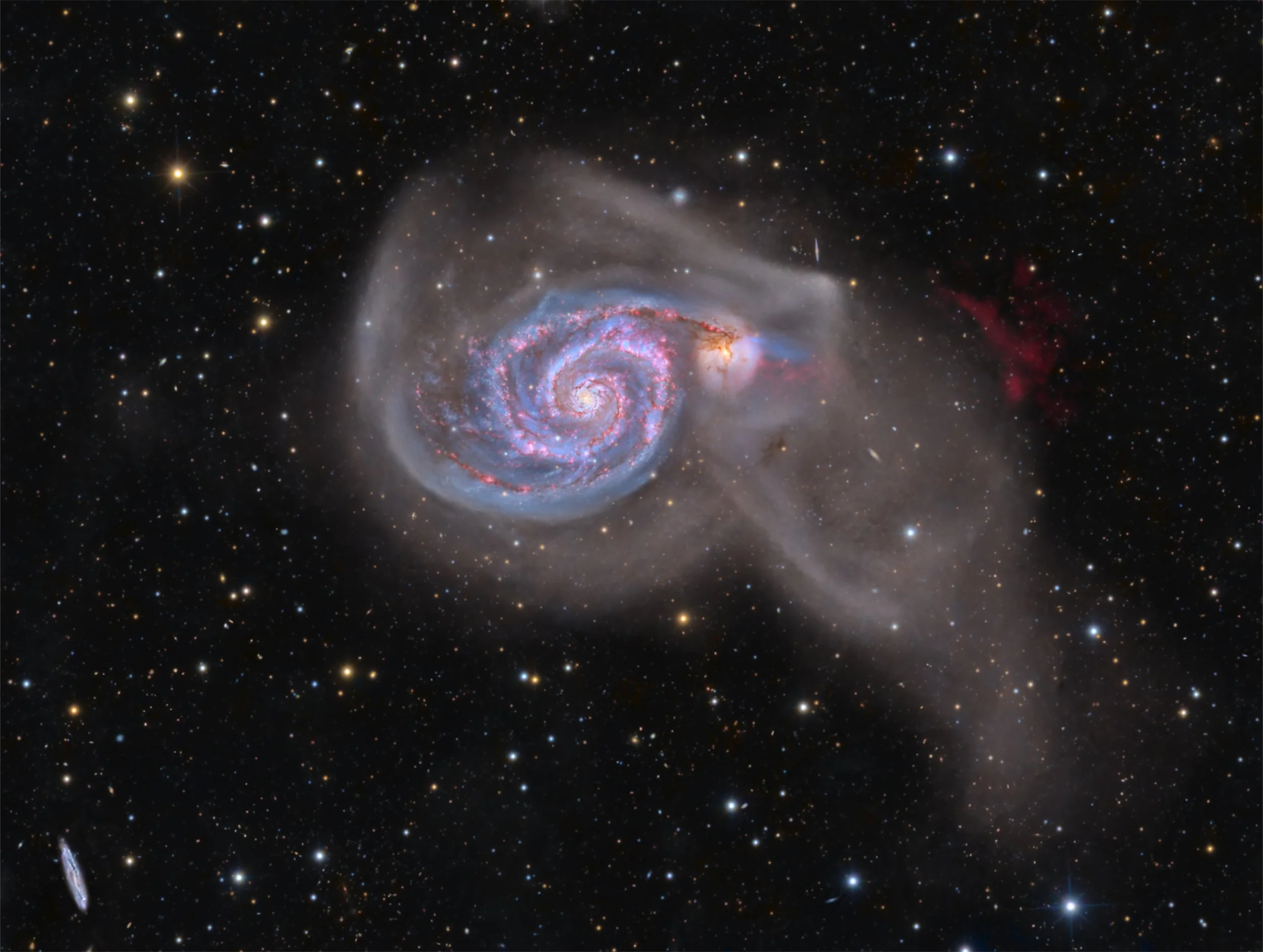
Unveiling hidden features in M51 using 255hours
In a mesmerizing display of cosmic interaction, the Whirlpool Galaxy, also known as M51, unveiled its spiraling arms and intricate features in a stunning astronomical photo that resulted from a 255-Hour Collaboration! This captivating galaxy, located in the constellation Canes Venatici, stood as a prime example of a grand design spiral, with its graceful arms adorned by bright knots of star formation. The exquisite interaction between M51 and its smaller companion galaxy, NGC 5195, was showcased in this image, demonstrating the profound influence of gravitational forces in shaping the evolution of galaxies. The intricate details of M51's structure offered a window into the marvels of galactic dynamics, inviting us to contemplate the vast and ever-evolving tapestry of the universe.
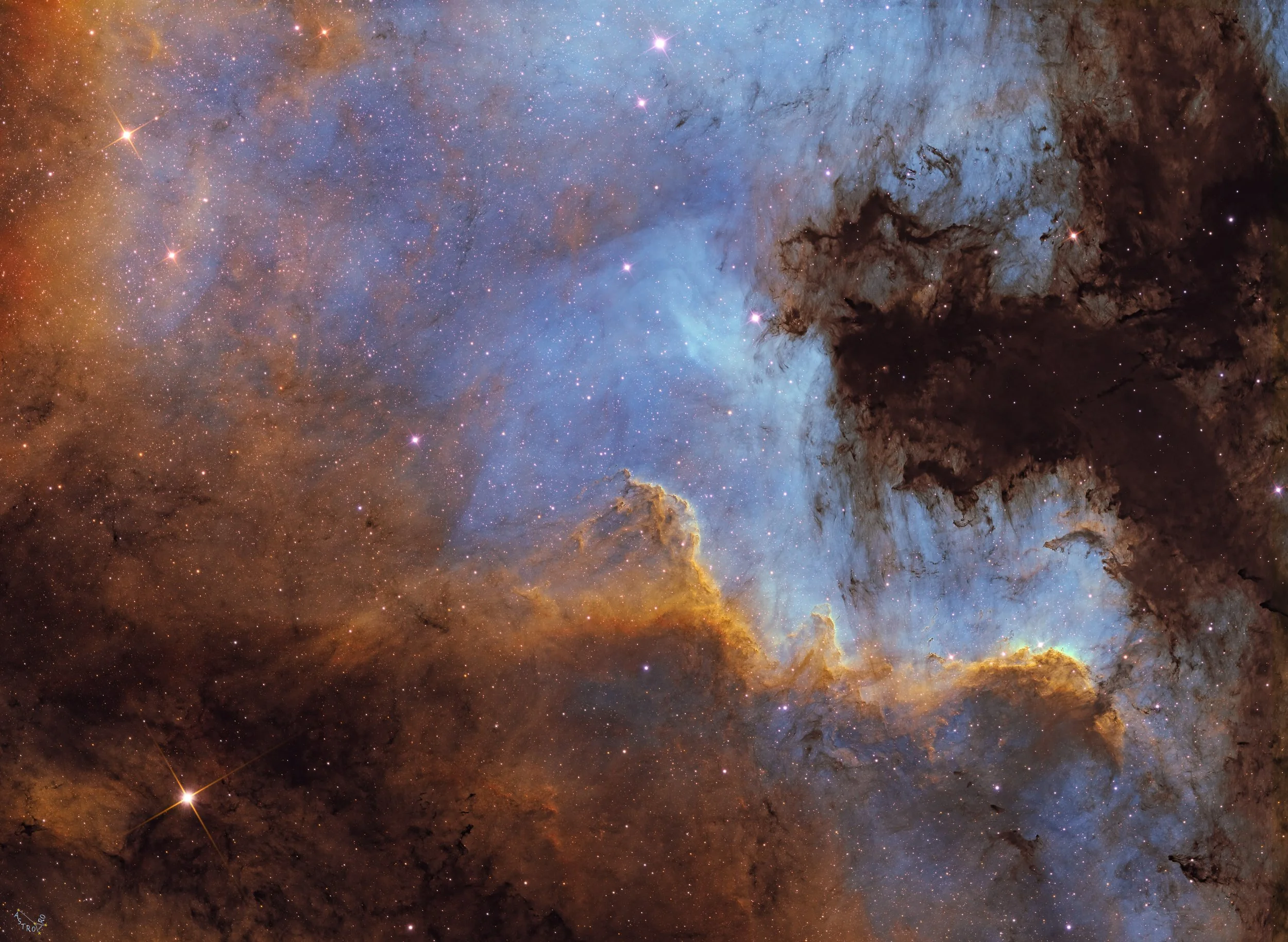
The Cygnus Wall
In a remarkable celestial portrait, the Cygnus Wall unveiled its stunning grandeur within the North America Nebula (NGC 7000). This colossal structure, resembling a jagged and intricate wall of gas and dust, bore witness to the relentless forces of star formation and stellar winds. Energetic young stars nestled within this cosmic tapestry emitted intense radiation, sculpting the wall's mesmerizing contours and cavities. The Cygnus Wall served as an astronomical canvas, illustrating the awe-inspiring interplay between the luminous processes of star-birth and the cosmic architecture that emerges from these dynamic stellar interactions.
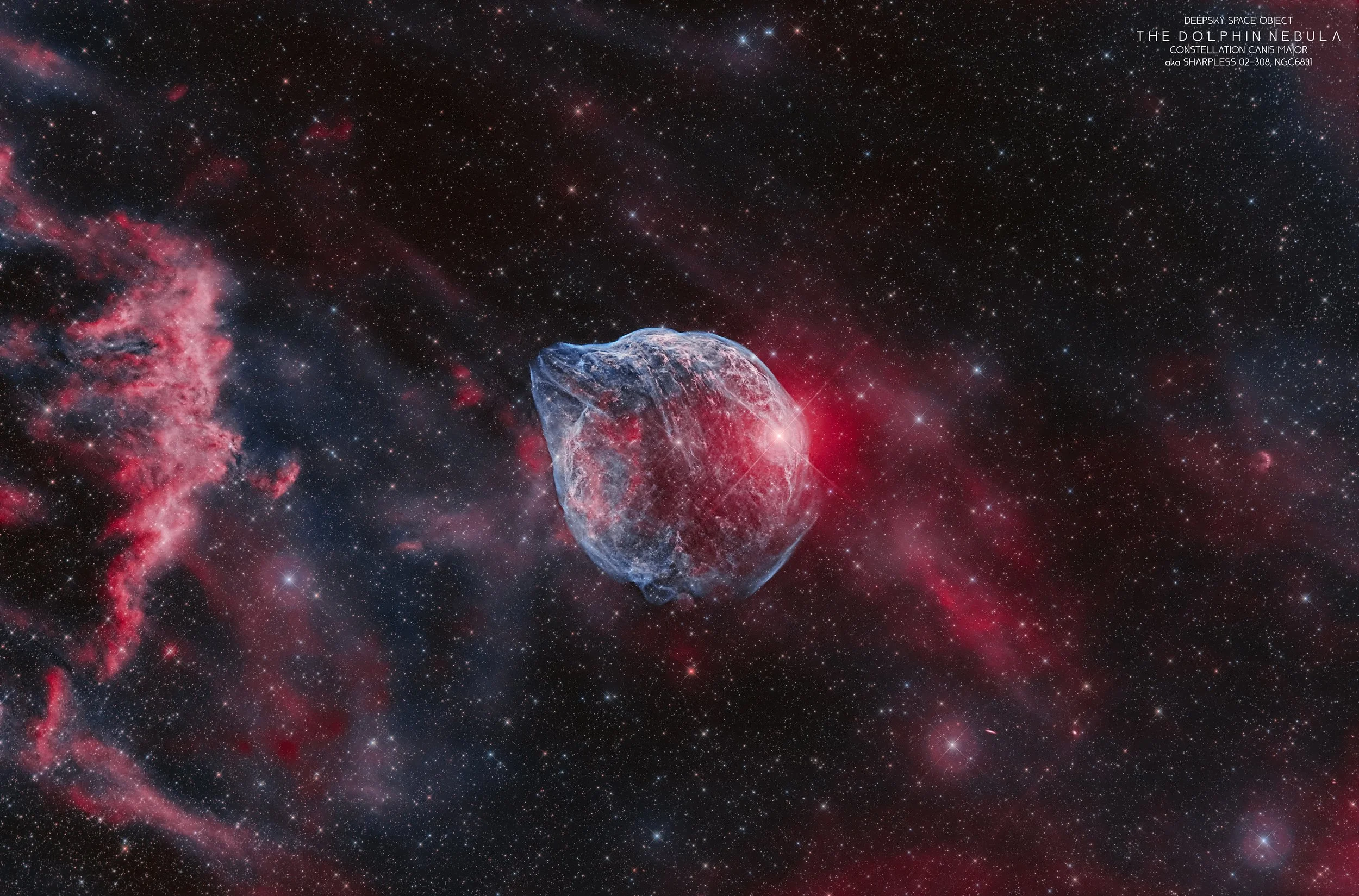
THE DOLPHIN NEBULA
In a captivating astronomical revelation, the Dolphin Nebula emerged as a radiant masterpiece against the backdrop of space. Located within the constellation Cassiopeia, this emission nebula's intricate tendrils of glowing hydrogen gas depicted a celestial aquatic scene reminiscent of a leaping dolphin. The intense radiation from nearby stars sculpted these ethereal formations, offering a mesmerizing testament to the profound interplay between stellar processes and the shaping of cosmic landscapes. The Dolphin Nebula stood as a poetic reminder of the artistry innate in the universe, weaving science and imagination into a single, breathtaking vision.

Thackeray's globules in IC 2944
The enigmatic Thackeray's Globules within the IC 2944 star-forming region were unveiled in remarkable detail in this astronomical image. These dense and dark interstellar clouds, shaped by the intricate dance of gravity and radiation, stood as cosmic incubators for new stars. As the vibrant emission nebula IC 2944 illuminated the surrounding space, the intricate contours of Thackeray's Globules came into focus, offering a unique glimpse into the ongoing process of star birth.

ISS Solar Transit
Description: Captured with extraordinary precision and timing, the image showcases the International Space Station (ISS) gracefully gliding across the blazing disk of the sun. Against the backdrop of the sun's fiery corona, the ISS appears as a delicate silhouette, a masterpiece of human engineering juxtaposed against the awe-inspiring forces of the universe.

W63 supernova remnant
In a striking astrophotograph, the W63 supernova remnant was unveiled in all its celestial splendor. This remnant stands as a testament to the cataclysmic end of a massive star. The structures of shockwaves and expanding debris showcased the forces unleashed during the supernova explosion, revealing insights into the dynamic processes shaping the cosmos.
With its intricate filaments and glimmering remnants, the W63 supernova remnant offered a glimpse into the intricate interplay between stellar life and death, underscoring the profound and ever-evolving nature of our universe.

The Unknown Whaler
In a remarkable capture taken near the Lighthouse of Pelican Point, an abandoned shipwreck took center stage against the backdrop of the remote landscape. However, it was the captivating beauty of the Milky Way that truly stole the show. With the celestial band of the Milky Way arching across the night sky, this cosmic display unveiled the intricate structure of our galaxy, a stunning tapestry of stars, dust, and gas. As the Milky Way's faint glow illuminated the shipwreck, the scene became a fusion of science and art, reminding us of our place in the vast cosmos and the profound connections between the universe and the stories of human history

M17 - The Omega nebula
M17, more famously known as the "Omega Nebula" or the "Swan Nebula," is a stunning emission nebula in the constellation Sagittarius, exhibiting intricate, swirling patterns resembling the graceful wings of a celestial swan.
This stellar nursery is a hotbed of ongoing star formation, with its colorful clouds of ionized gas and young, massive stars illuminating the surrounding space and drawing the fascination of both amateur and professional astronomers seeking to unravel the mysteries of stellar birth and evolution.
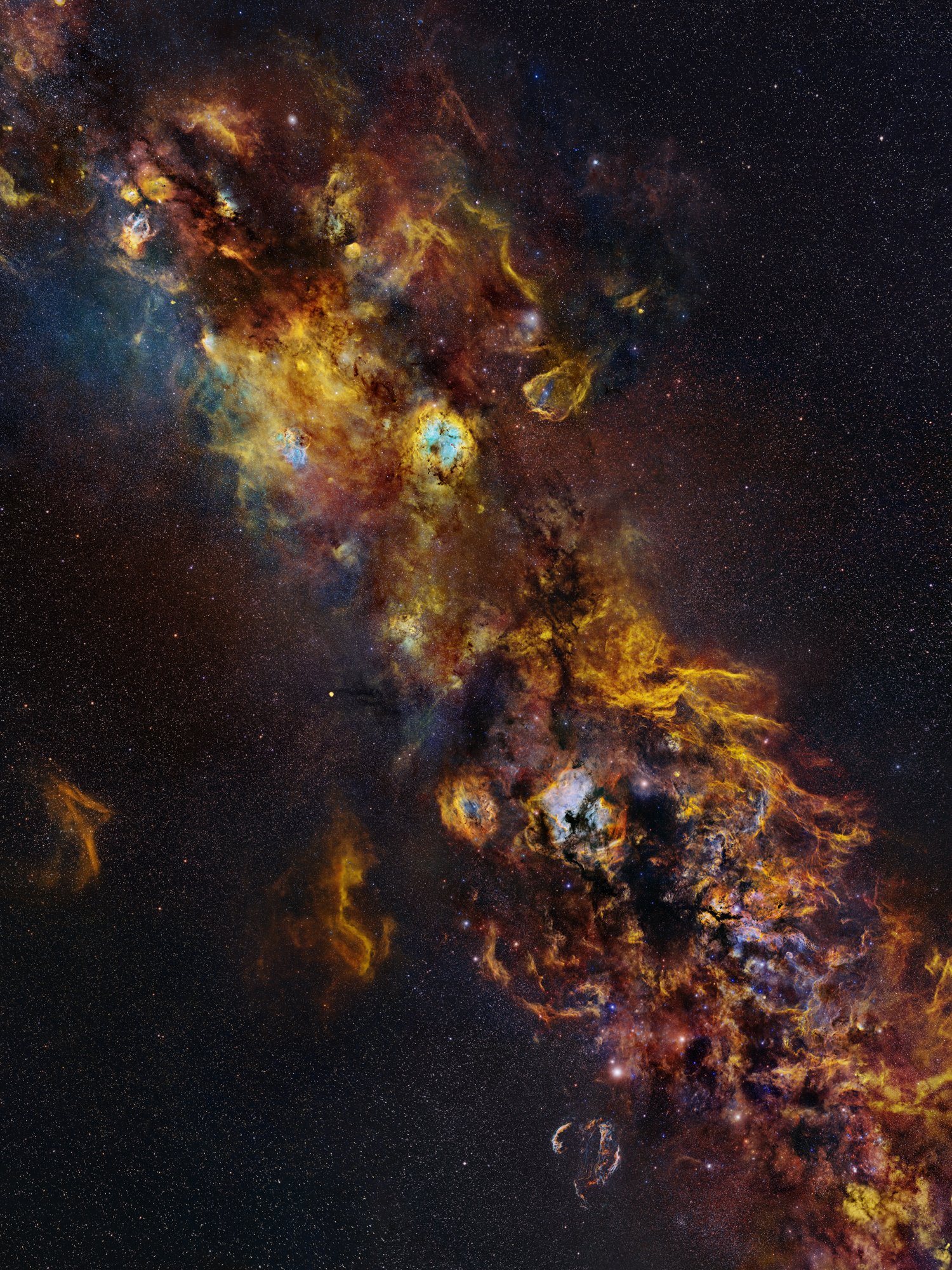
Cepheus and Cygnus
Cepheus, located in the northern hemisphere, boasts a remarkable emission nebula called the "Wizard Nebula" (NGC 7380), which exhibits a striking resemblance to a wizard casting a spell across the cosmos. Cygnus, also known as the "Swan," features the famous North America Nebula (NGC 7000), a vast cloud of gas and dust in the shape of the continent, captivating observers with its resemblance to the familiar shape of the North American continent.
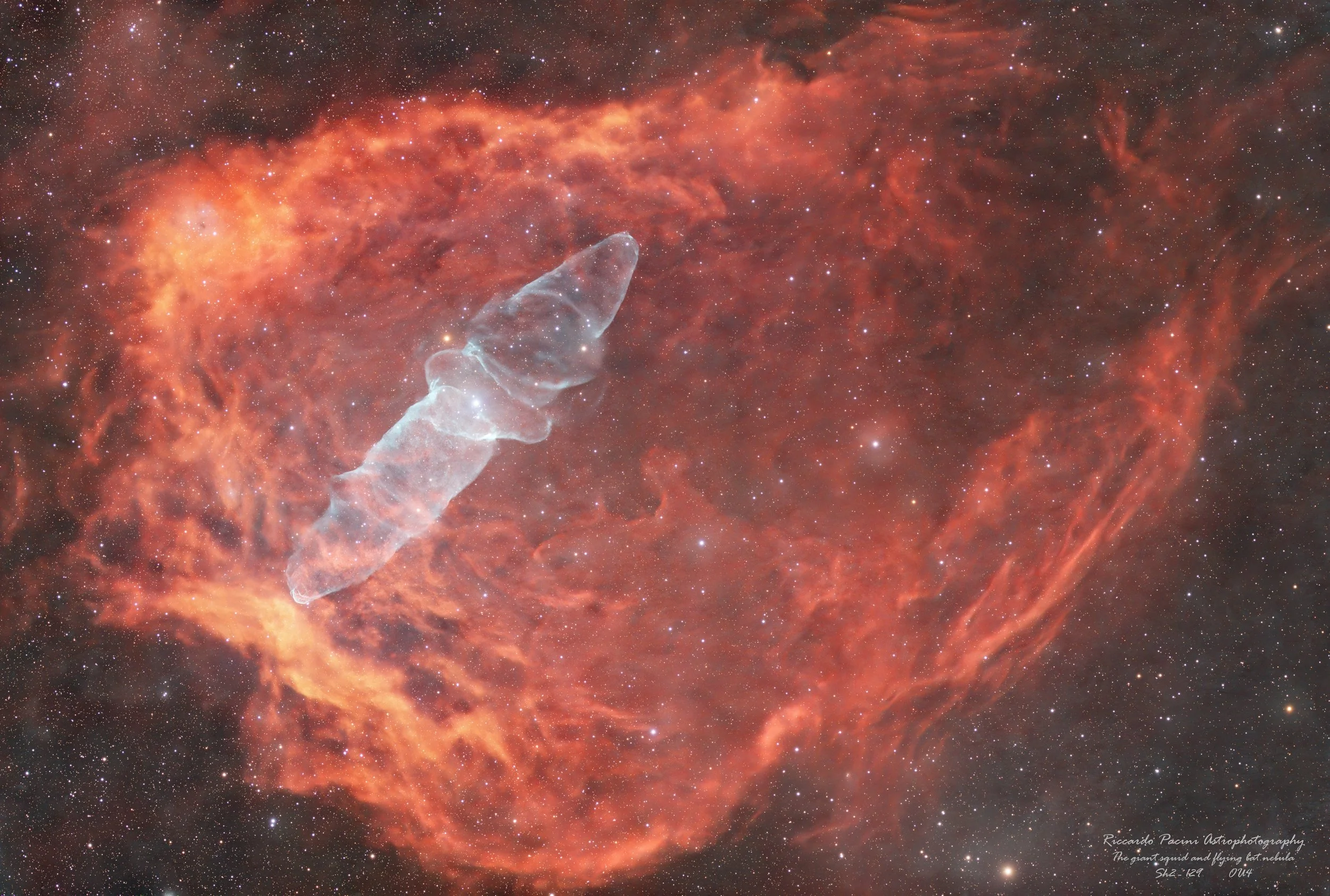
Flying bat and giant squid
The Squid Nebula, also known as Ou4, is a unique and peculiar planetary nebula located in the constellation Serpens. Unlike typical planetary nebulae with round or elliptical shapes, the Squid Nebula showcases distinctive tentacle-like structures, making it a fascinating object of study for astronomers and a captivating sight for astrophotographers.