

AAPOD2 Image Archives
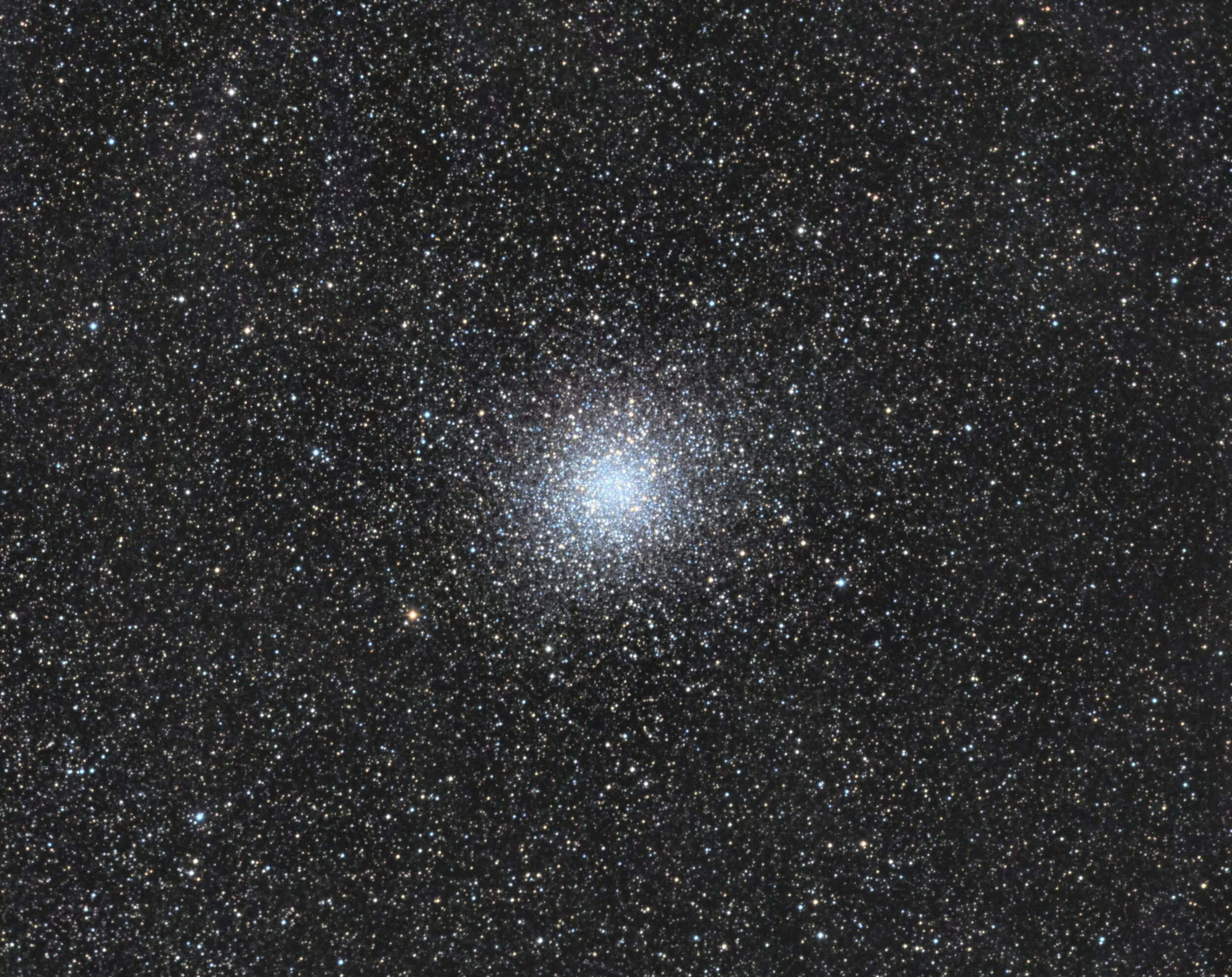
M22
Image Description and Details :
M22 might be the most famous northern globular cluster, if only it rose higher for people at mid-northern latitudes. It is beautifully set in the Milky Way in Sagittarius. It’s in the same league as M13 in terms of splashiness, even though it is dimmed by being so much lower in my sky. It’s among the nearest globulars, at around 10,600 light years from Earth, and it covers an area about the size of the full Moon in our sky. It is around 100 light years across and is pegged at around 12 billion years old.SBIG STL-11000M camera, Baader R, G and B filters, 10″ f/6.8 ASA astrograph, Paramount MX. Guided with QHY5 guide camera and 80 mm f/6 Stellar-Vue refractor. Acquisition, guiding and mount control with TheSkyX. Focusing with FocusMax. Automation with CCDCommander. All preprocessing and post-processing in PixInsight. Shot from my SkyShed in Guelph, Ontario. Acquired August 1-3, 2016. No moonlight, good to excellent transparency, and good to very good seeing throughout acquisition.8 x 5m R10x5m G10x5m BTotal: 2hr20m Image scale 1.1 arcsec per pixel
Copyright Information: Copyright Ron Brecher, 2020

Crescent & Soap Bubble Nebula
Image Description and Details :
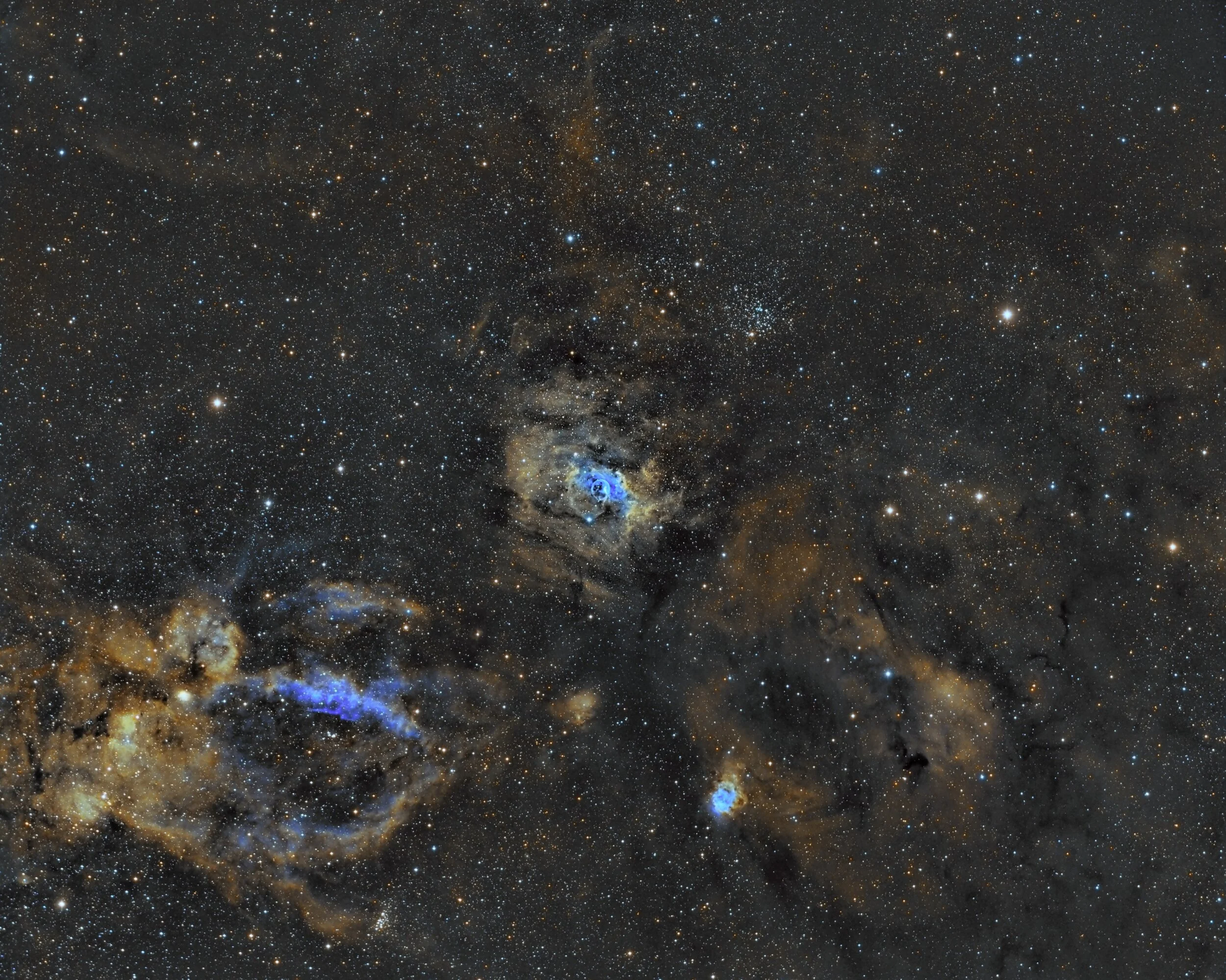
Part of the Cygnus constellation, the crescent nebula is located in the immediate vicinity of the star Sadr. Its atypical shape also gave it the name "Euro Sign Nebula" (currency).
On the left is visible the "Soap Bubble nebula", discovered only in 2007 by amateur astronomer Dave Jurasevich.
The image is a composition in the HOO palette, with an exposure time of 37 hours.
Setup DDM60 mount, Moravian G3-16200, Takahashi fsq85.
Copyright Information: Copyright: Emil Pera
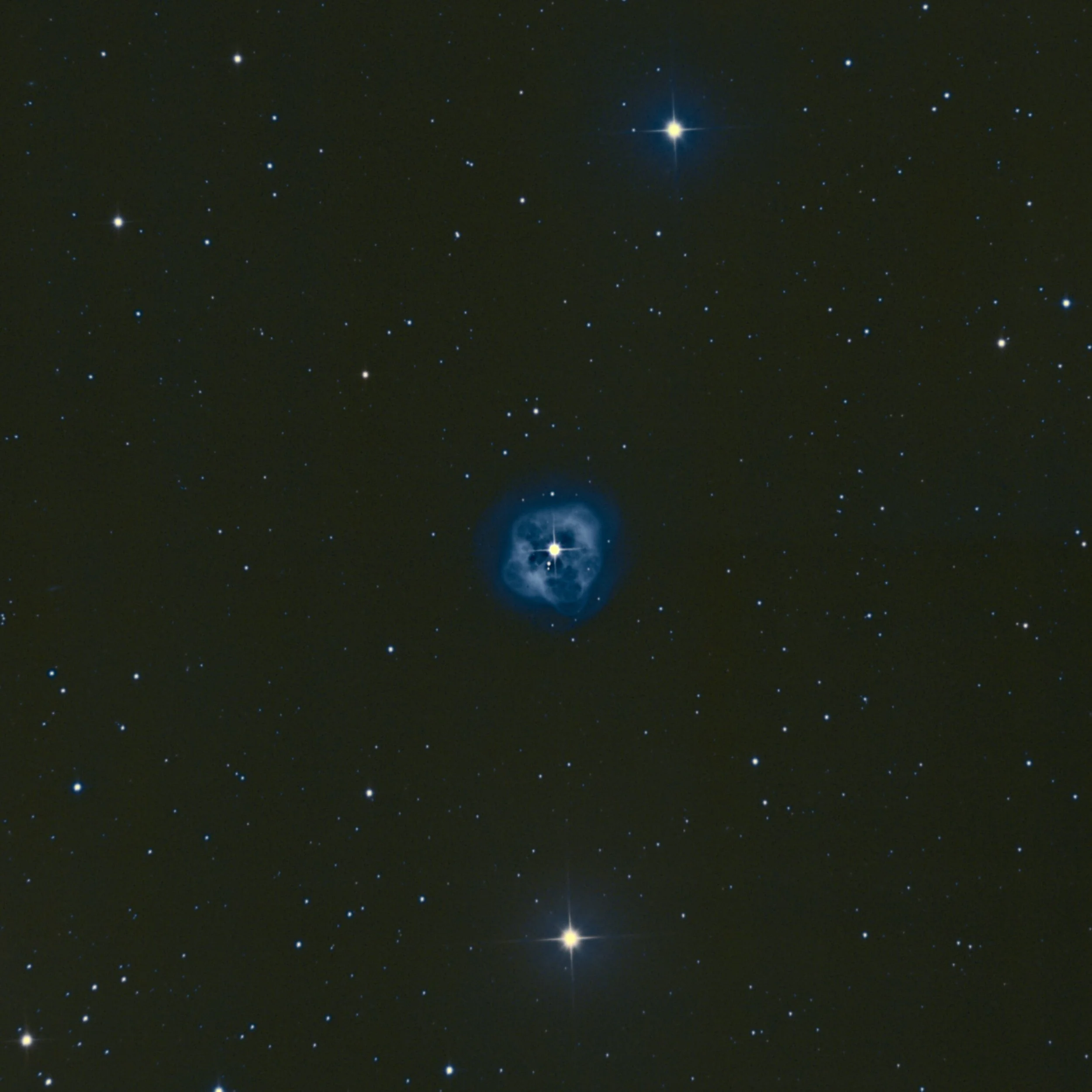
ngc 1514 Crystal ball nebula
Image Description and Details :
It was discovered by William Herschel on November 13, 1790, describing it as "a most singular phenomenon" and forcing him to rethink his ideas on the construction of the heavensTelescope Astrosib RC 20" + camera FLI Kepler 4040Total HaLRGB=32h57mn each frame 3mn,no guidingThe skyX + Pixinsight In remote from fregenal de la sierra (Spain)
Copyright Information: Georges Chassaigne
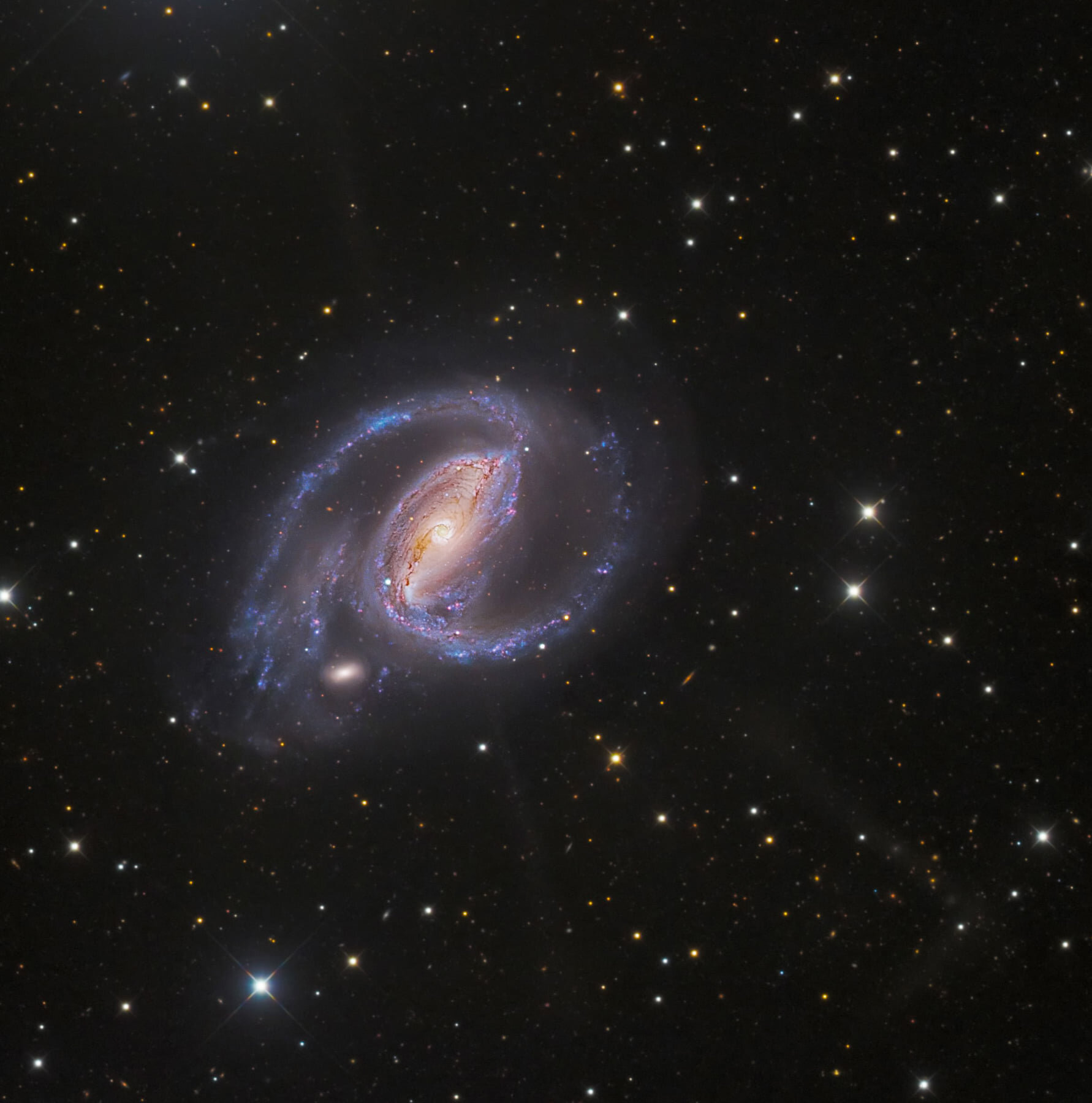
NGC 1097
Image Description and Details :
NGC 1097, done in LRGB with a CDK20, total frame 16Hrs , a Moravian CCD G4- 16000, on Paramount ME2 in Obstech - Observatory El Sauce in Chile.
Copyright Information: Copyright: Team CielAustral with JC Cannone, Georges Chassaigne, Nicolas Outters , Didier Chaplain, Philippe Bernhard , Laurent Bourgon
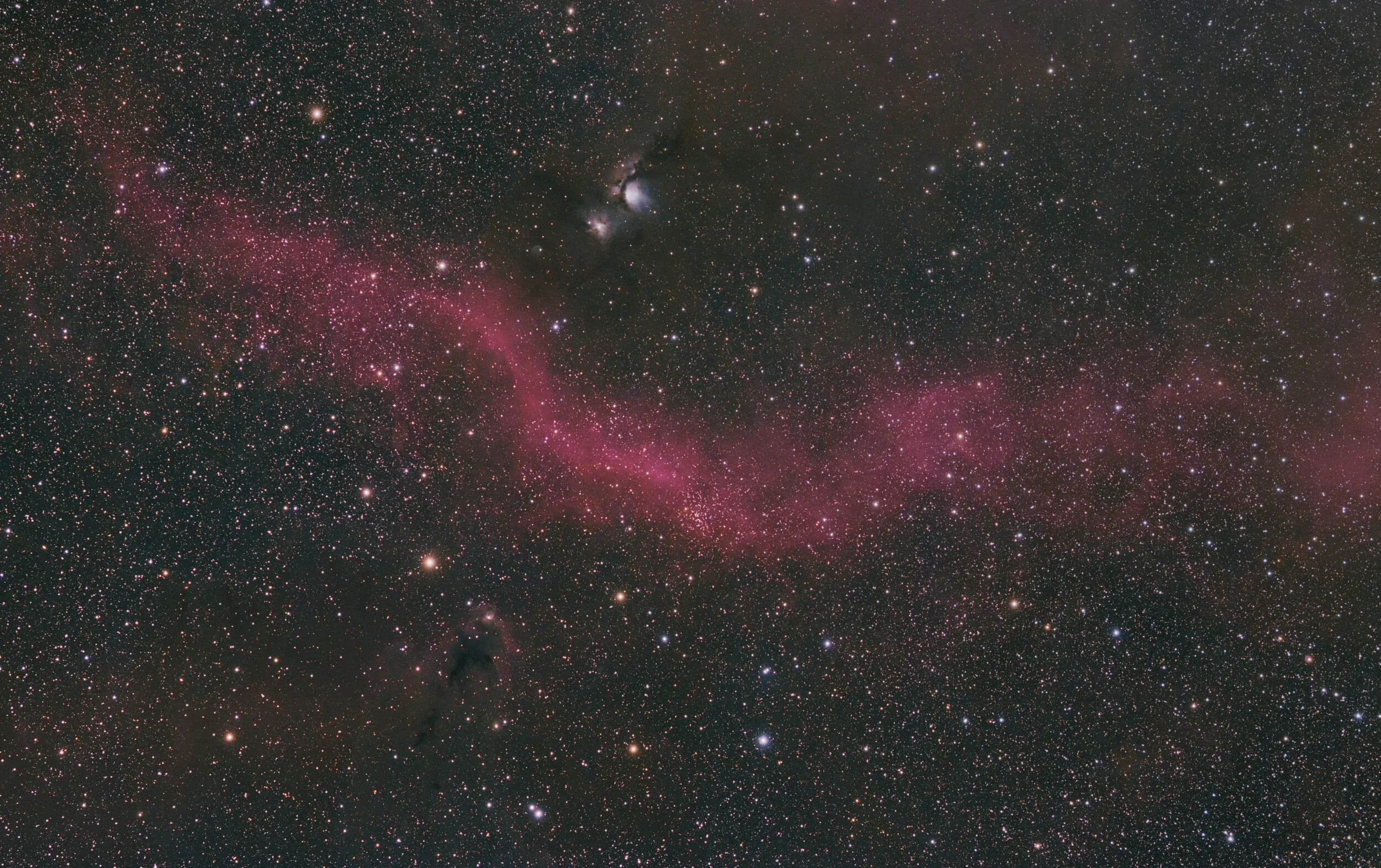
Red ribbon
Image Description and Details :
On the photo you can see the brightest part of Barnard's Loop and its environment. Above the loop there is the M78's fogginess, while the Boogie Man is below.
It was the first time I used the Samyang 135mm lens.
Camera: Canon 600D modded
Lens: Samyang 135mm @f2.8
Exposures: 226* 3min, iso800
Total integration time: 11,3 hours
Mount: SkyWatcher Star Adventurer
Guiding: Lacerta M-Gen Stand Alone AutoGudier
Location: Bicske, Hungary
Copyright Information: Mátyás Szűcs

Star trails of the Five-story Stone Pagoda
Image Description and Details :
Samyang 12mm F/2.8 (F/5)Nikon D800, ISO 400, 30sec x 399Manfrotto 055D
Copyright Information: Kim Young Dae
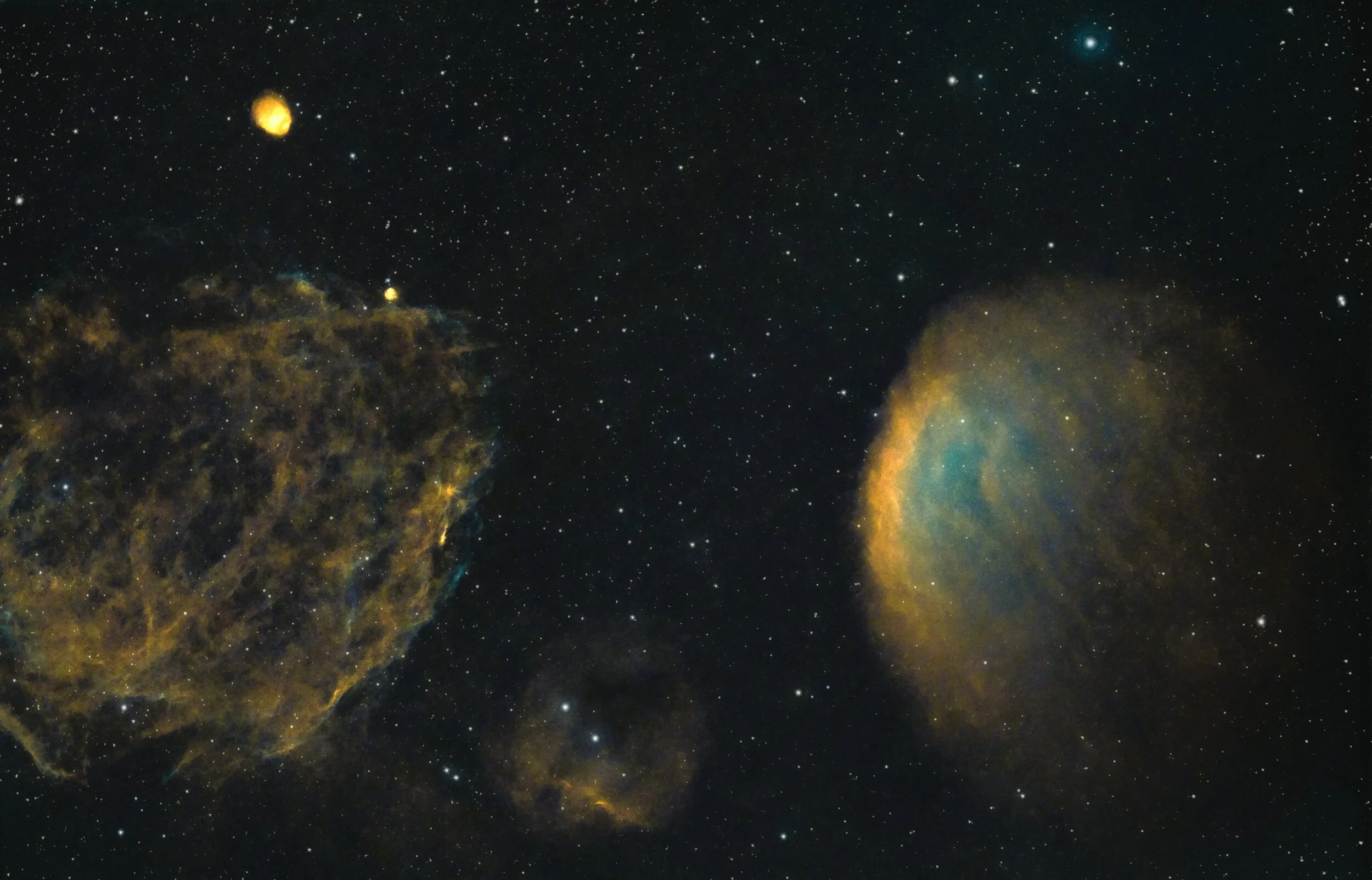
Sh2-216 & Sh2-221
Image Description and Details :
This is my first extensive long exposure project. Supernova remnant Sh2-221 is accompanied by Sh2-217 and Sh2-219 above. To the right is B25 and planetary nebula Sh2-216.
Acquisition details:
Subs: 244 x500sec
Telescope: Radian Raptor 61
Imaging Camera: ZWO ASI6200MC Pro
Mount: Sky-Watcher Eq6-r Pro
Guide Camera: ZWO ASI290mm mini
Filter: Radian Triad Quad Band Filter
Acquisition software: Sequence Generator Pro
Processing software: Pixinsight, AstroPixel Processor and Photoshop 2020
Copyright Information: Michael Massie 2020
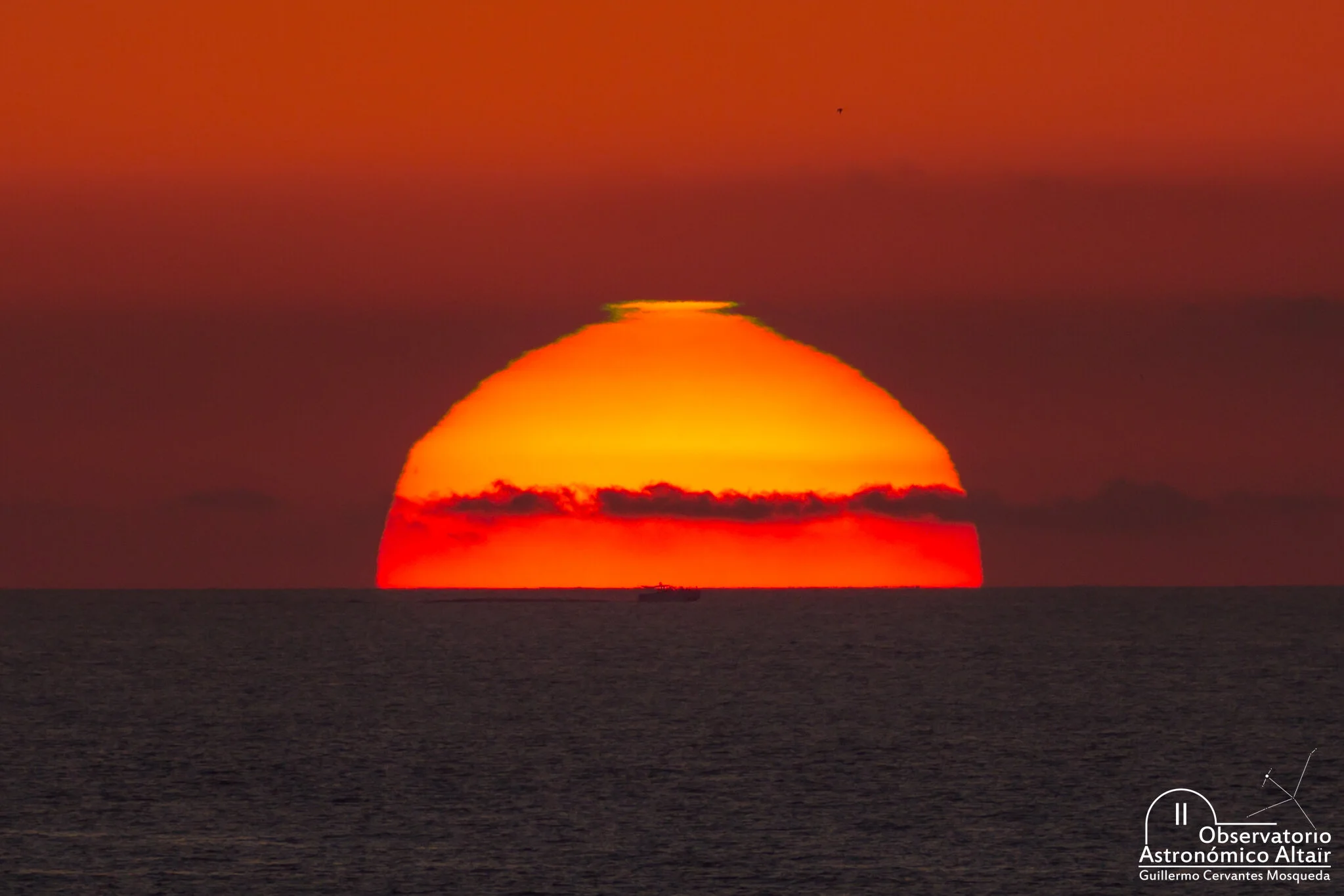
Sun’s Green Flash & Yacht
Image Description and Details :
Canon 60DWilliam Optics Zenithstar 70EDTripodeExp: 1/500sIso: 100LrGuillermo Cervantes MosquedaObservatorio Astronómico AltaïrPoncitlán Jalisco México
Copyright Information: Guillermo Cervantes Mosqueda
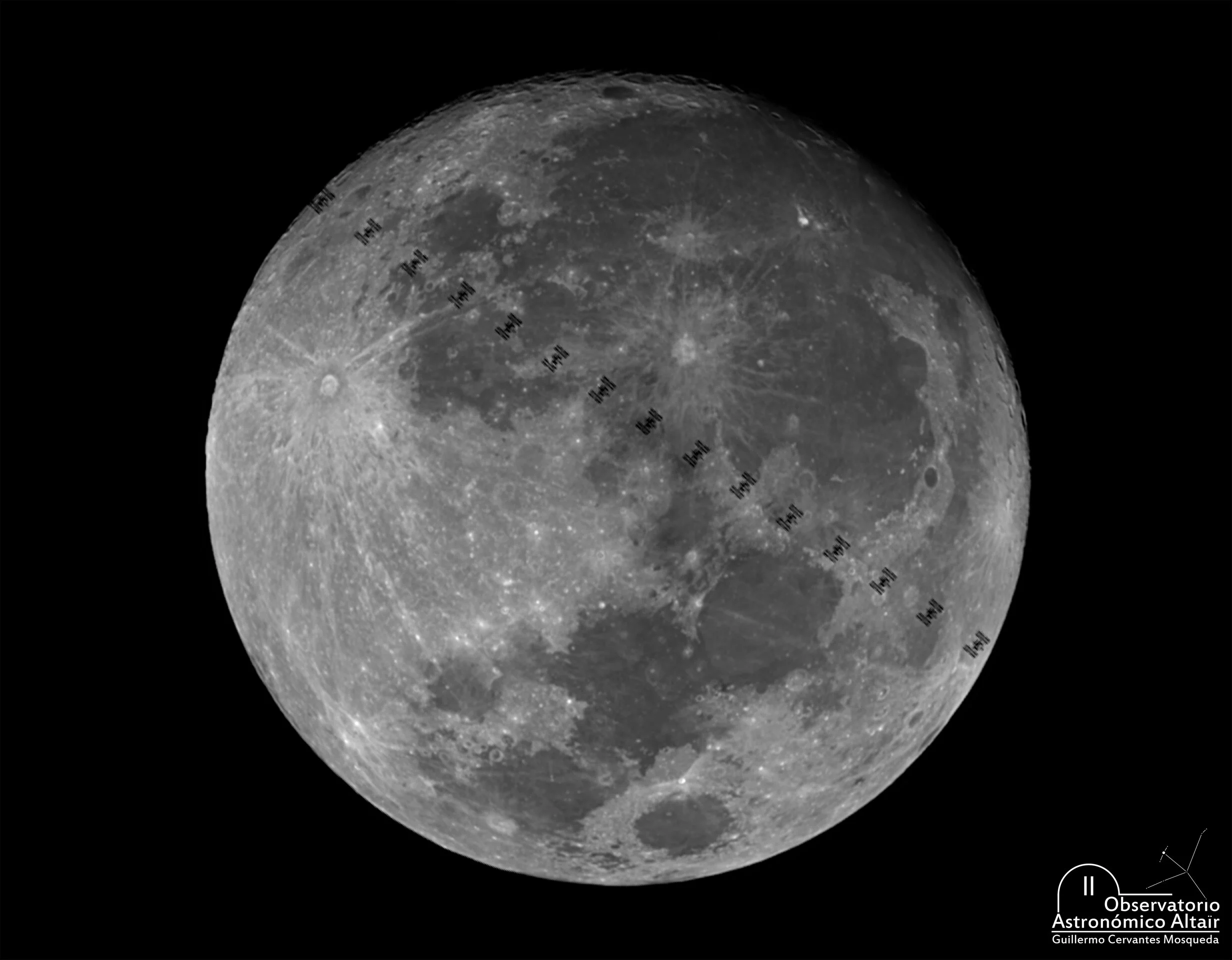
ISS Transit on the Moon
Image Description and Details : Ocotlán Jalisco MéxicoTakahashi FS60ZWO ASI120MC-SSky-Watcher Star Adventurer15 Frames de la ISSCaptura: FirecaptureProcesado: Autostakkert + Ps + Pixinsight 1.8Guillermo Cervantes MosquedaObservatorio Astronómico AltaírOcotlán Jalisco México
Copyright Information: Guillermo Cervantes Mosqueda
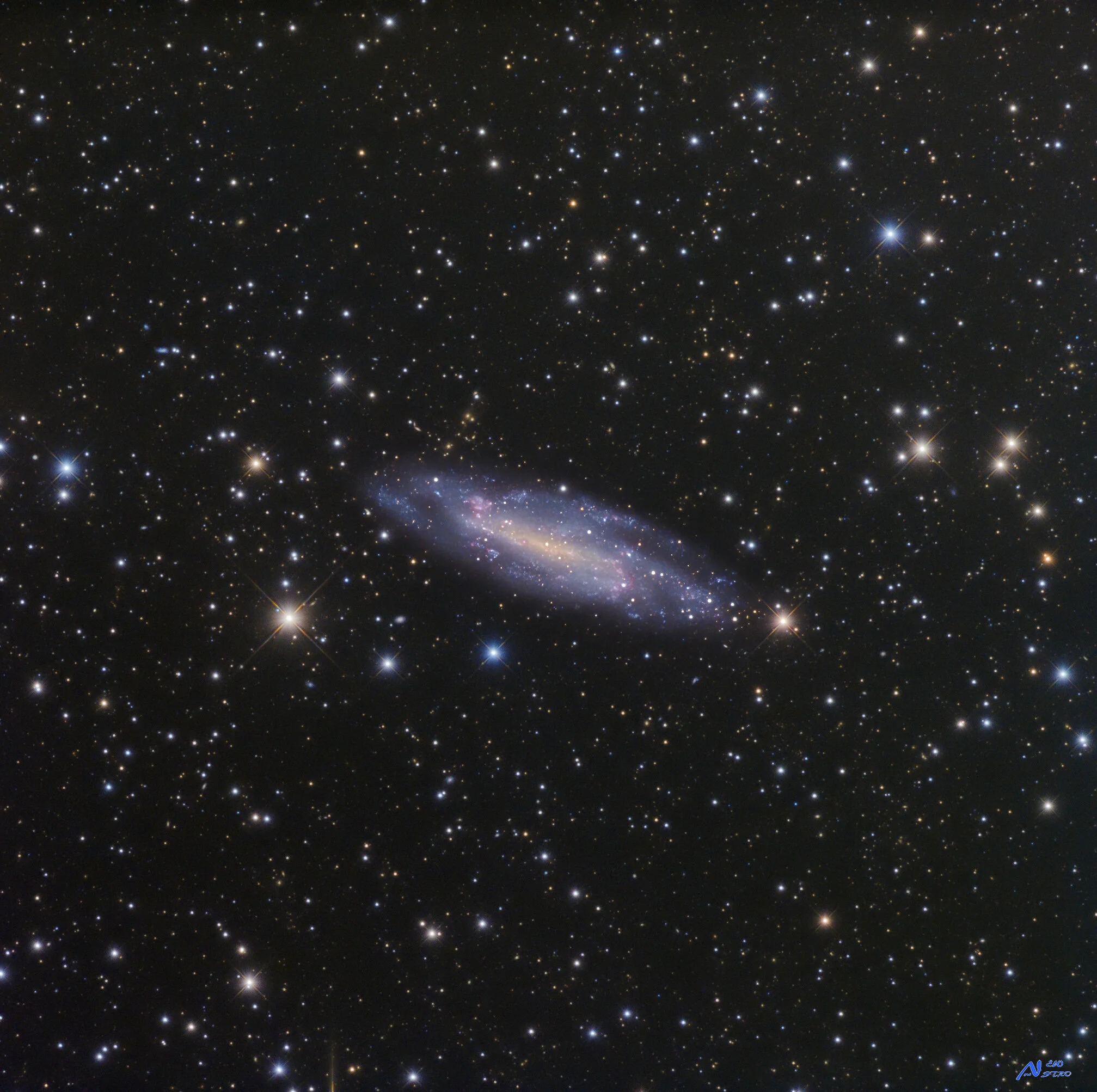
Ngc 4236
Image Description and Details :
Galaxy NGC 4236 in the Dragon constellation, created with two totally identical setups, from two different sites: the first one in the West of France in Normandy and the other one in the East of France in Lorraine.-Telescopes: Newton Skyvision MTN 250-300 f/d 3.6-EQ8 Skywatcher frames-Moravian G2 4000 Cameras-Optical Divider: SkymecaSelf-steering cameras: Lodestar and Atik 314L-Chroma FiltersPROCESSING: Pixinsight and PhotoshopAcquisition:Lum:129x5'.Red:44x5'.Green:39x5'.Blue:41x5'.Ha=20x20'.Total=27h74
Copyright Information: Francis Bozon Stéphane Gueyraud
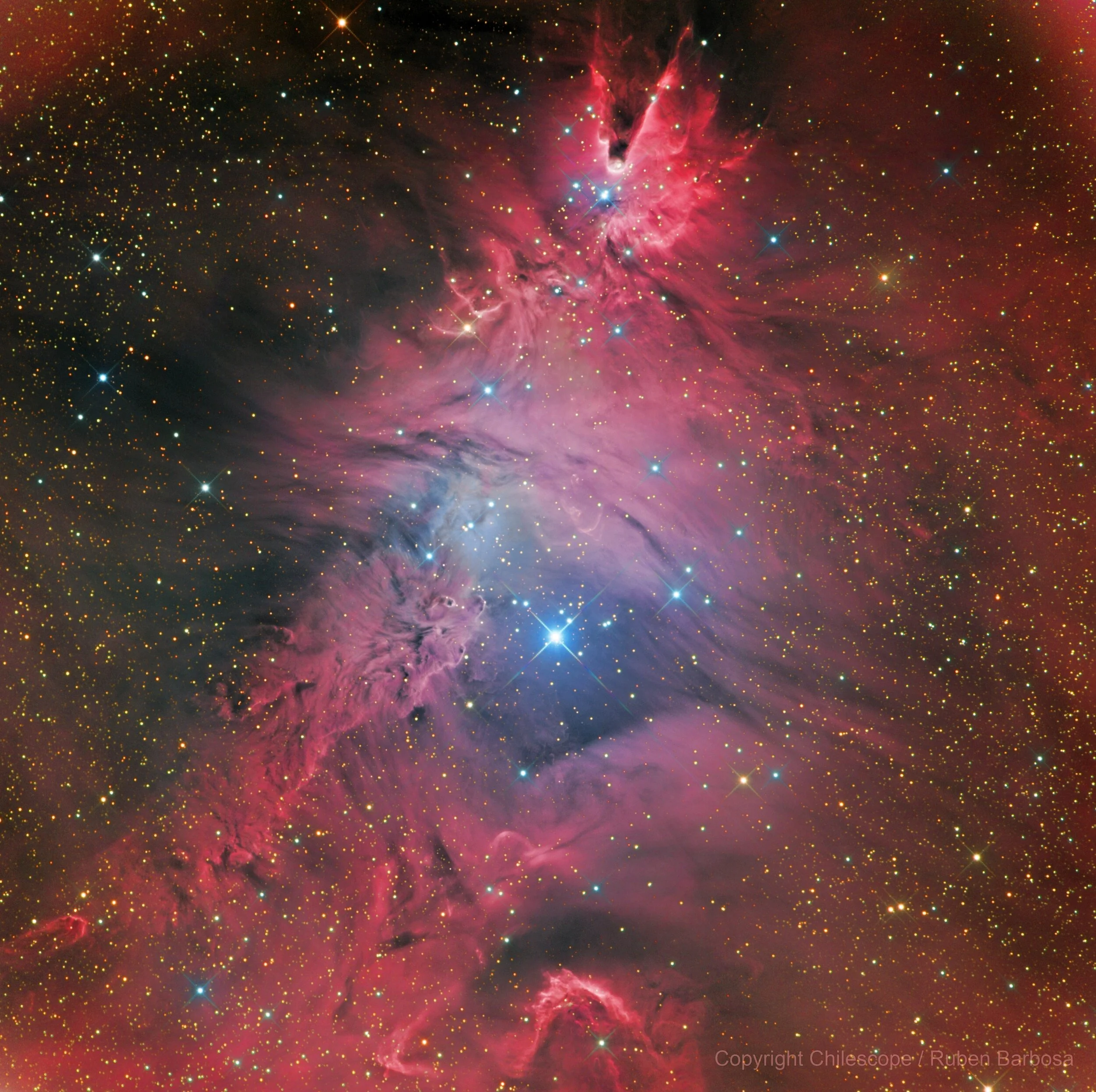
Christmas Tree
Image Description and Details :
ASA Astrosysteme ASA20NG-OK3 f 3.6, FLI Proline 16803
Frames: Red: 26x300" + Green: 23x600" + Blue: 26x300" + Lum: 60x600" + H-Alpha: 35x1200"
Total: 29.8 hours
Copyright Information: Chiliescope / Ruben Barbosa
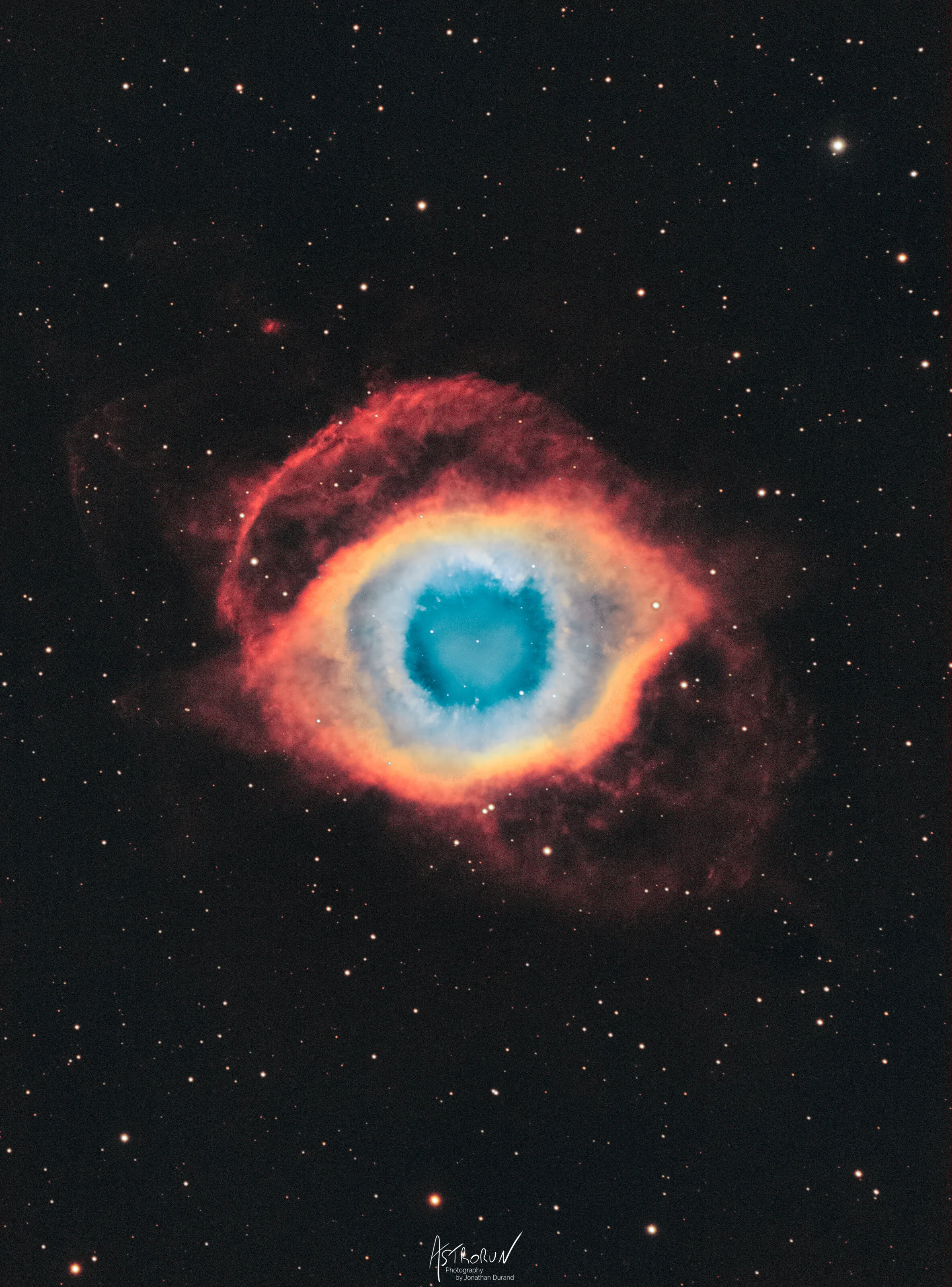
Helix Nebula aka "i'm watching you!"
Image Description and Details :
Recovery of the helix nebula, with more than 60h of retained poses (out of 90h), captured over three months. I think I've reached the limit magnitude of my sky, impossible to make the signal come out more from the bottom of the sky. The Helix Nebula is a planetary nebula located in the Aquarius constellation, near the Southern Fish. Its strong resemblance to a human eye has earned it the nickname "the eye of God".
TS130/910G42+ frameQHY163M and Astrodon filters
Copyright Information: Jonathan Durand

Jupiter and Saturn Conjunction
Image Description and Details :
To obtain this picture, I assembled the results of two movies, one exposed for Saturn, and the other one exposed for Jupiter.
Technical details :- Orion 80ED refractor- Meade LXD55 mount- ZWO ASI 224 MC- Barlow Televue Powermate 2.5x- IRCut Baader filter- for each planets, 1000 pictures stacked with AutoStakkert v3, processing with Registax 6, photo assembly with Photoshop
Copyright Information: Christophe Gervier
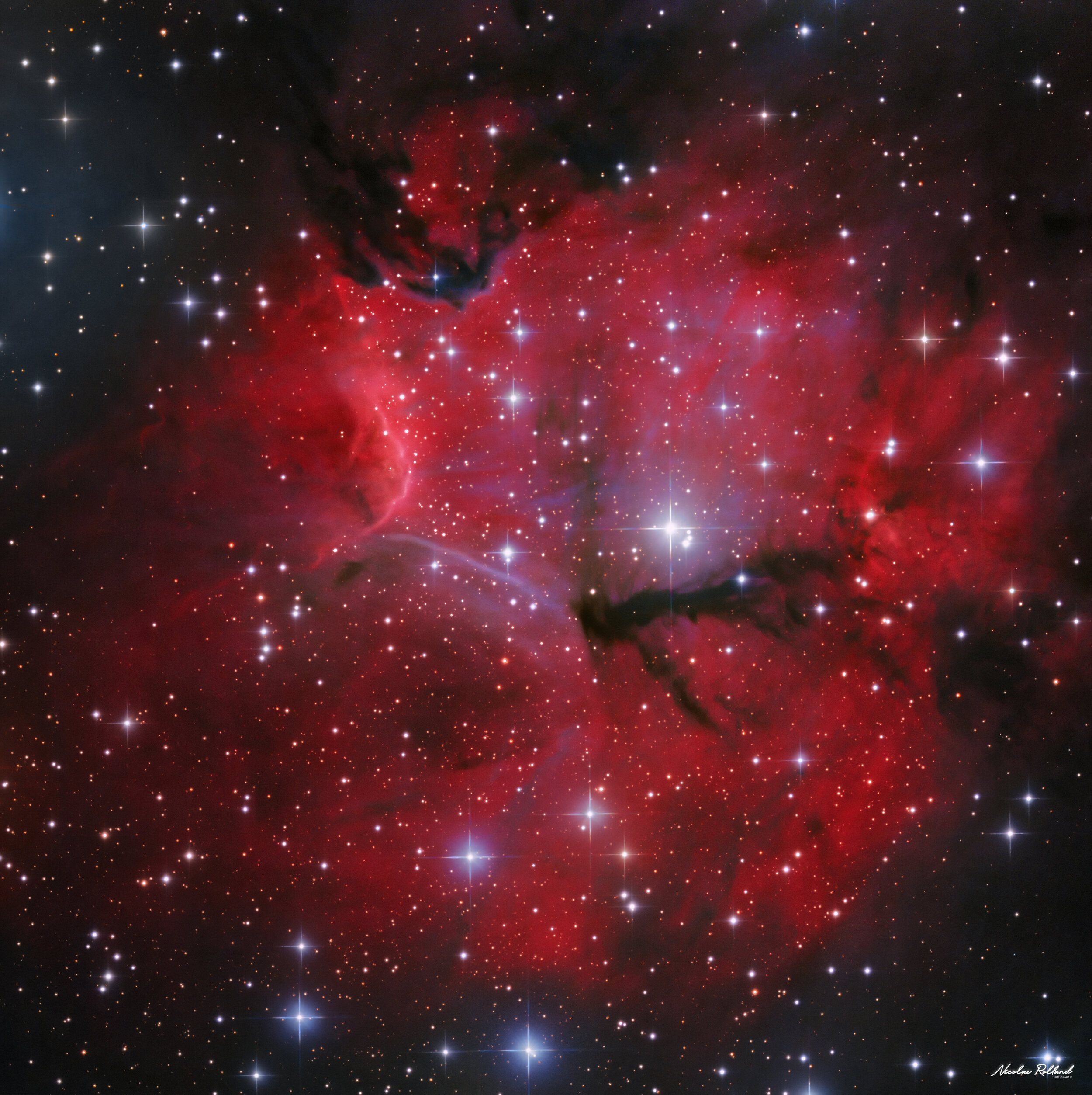
The Star forming region GUM 15
Image Description and Details :
Gum 15 is a nebula from the Gum catalog, located in the constellation of Vela, about 3,000 light-years from Earth. It is shaped by aggressive winds flowing from the stars within and around it. The bright star in the center of the nebula is HD 74804, a double starRA: 08h 43m 52.5sDEC: -41° 14' 39"Location: VelaDistance: 3 klyAcquisition December 2019Total acquisition time: 18.6 hours.Based on data from Telescope.live CHI-1Technical DetailsData acquisition: Telescope LiveProcessing: Nicolas ROLLANDLocation: El Sauce Observatory, Rio Hurtado, ChileR 36 x 600 secG 40 x 600 secB 40 x 600 secOptics: Planewave 24“ CDK @ F5.6CCD: FLI PL 9000Pre Processing: CCDstack & PixinsightPost Processing: Photoshop CC
Copyright Information: Data acquisition: Telescope.live, Processing: Nicolas ROLLAND

Strottner-Drechsler 56 (StDr56) Goblet of Fire nebula
Image Description and Details :
StDr 56 / Goblet of Fire nebula (c) Robert Pölzl & Marcel Drechsler & Xavier Srottner. This probable new planetary nebula was discovered by my colleague Xavier Strottner and me in January 2020. If the candidate is confirmed as a true planetary nebula, it will be the first planetary nebula ever discovered in the constellation Triangulum (Triangle).
Photo: StDr56 was photographed by the Austrian Robert Pölzl with a total exposure of 59 hours.
Image processing: Marcel DrechslerAt the center of the PN candidate is a potential white dwarf with a surface temperature of 35542 Kelvin and a distance of about 1130 light years to Earth. With an extension of 44 x 36 arc minutes, StDr56 is not only the largest probable PN in the region, but in the night sky it covers more than half of the area of the famous Triangulum Galaxy M33, which is located only a few degrees from Strottner-Drechsler 56.
Robert Pölzl collected 90 hours of exposure time in 21 nights from July to November 2020.Out of these 90 hours, 30 hours had to be sorted out because of minimal cirrus and dew - leaving 59 hours at the end.Coordinates: 02:07:17.41 +30:05:11.90 (J2000)Name: Strottner-Drechsler 56, StDr56, PN-G: 141.8-29.9Data:58 x 30 min. H-alpha41 x 30 min [OIII].28 x 10 min. RGB eachDate: 31.7.2020 - 18.11.2020Location: Observatory Hirschegg-ÖsterreichOptics: Lacerta Newton 10" f/4Camera: Moravian G2 8300 at -30° - Baader filter
Copyright Information: Robert Pölzl & Marcel Drechsler & Xavier Srottner

NGC 1079 and its jets
NGC 1097 is a Seyfert galaxy, harboring a supermassive black hole in its center. There are four mysterious jets in an X shape centered on the nucleus. These are thought to be the tidal remnants of a galaxy disrupted by NGC 1097 in the distant past. Two of these pointing to the upper right corner of the image are easily seen here. The upper one has a right angle bend and is often referred to as the "Dogleg". There is a faint suggestion of a third jet to the left of the image opposite the fainter one on the right.Telescope: 12.5" Plane wave CDKExposure: 8.5 hours with LRGB filters.Processing in PixInsight
Copyright Information: Geoff Smith
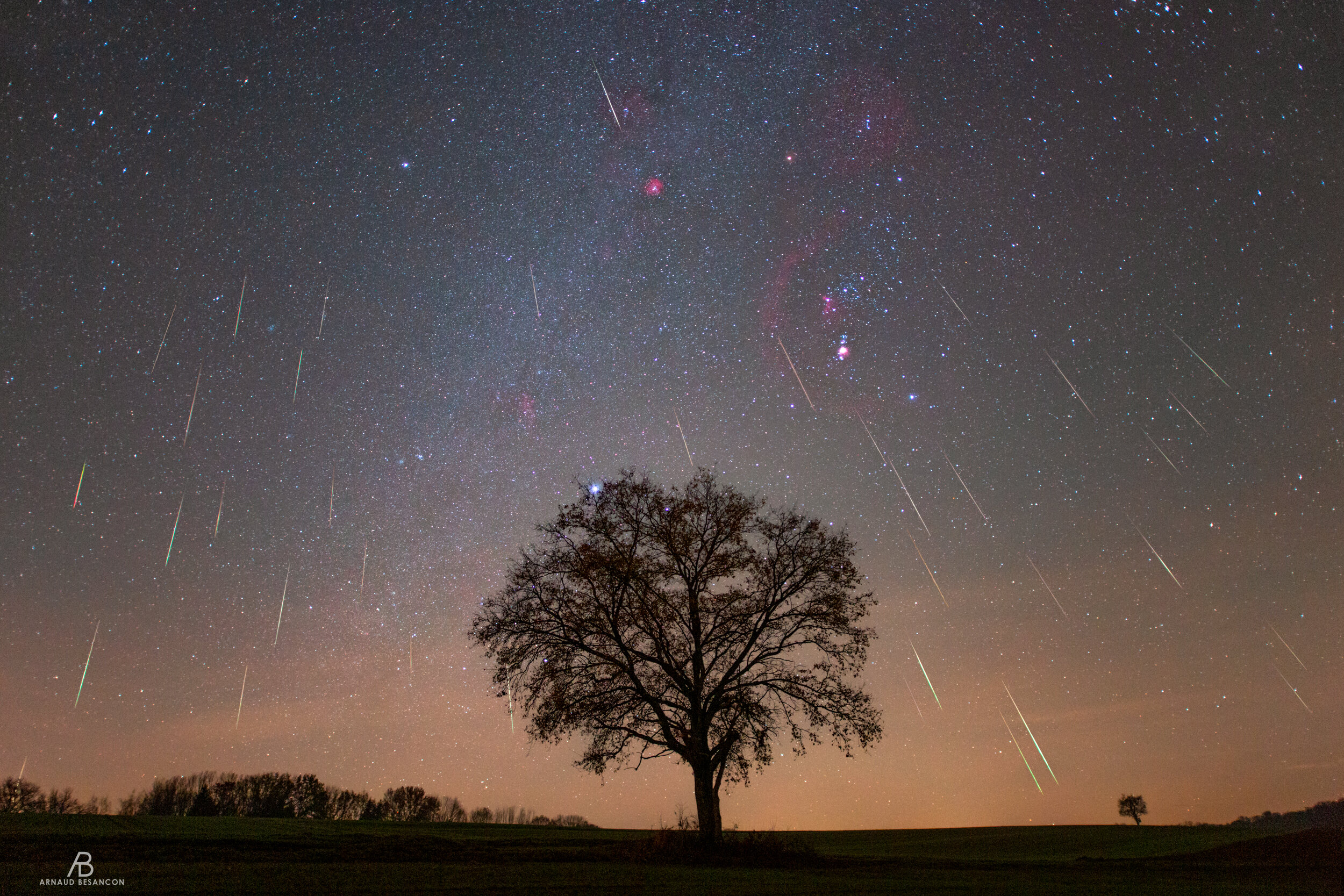
Geminids meteor shower
Image Description and Details :
Composite picture with 40 images.Each shooting stars have been replaced by matching the stars,to get the radiant position.We can see +/- 35 meteors on the composite picture,sometimes i caught 2 meteors on the same exposure.I shot this picture from France,near my village Hindlingen,Alsace country.Canon 6D astro with 20mm Lens at F1,4 wide open.Single tripod.10s 3200 isos at F1,4.
Copyright Information: Arnaud BESANÇON
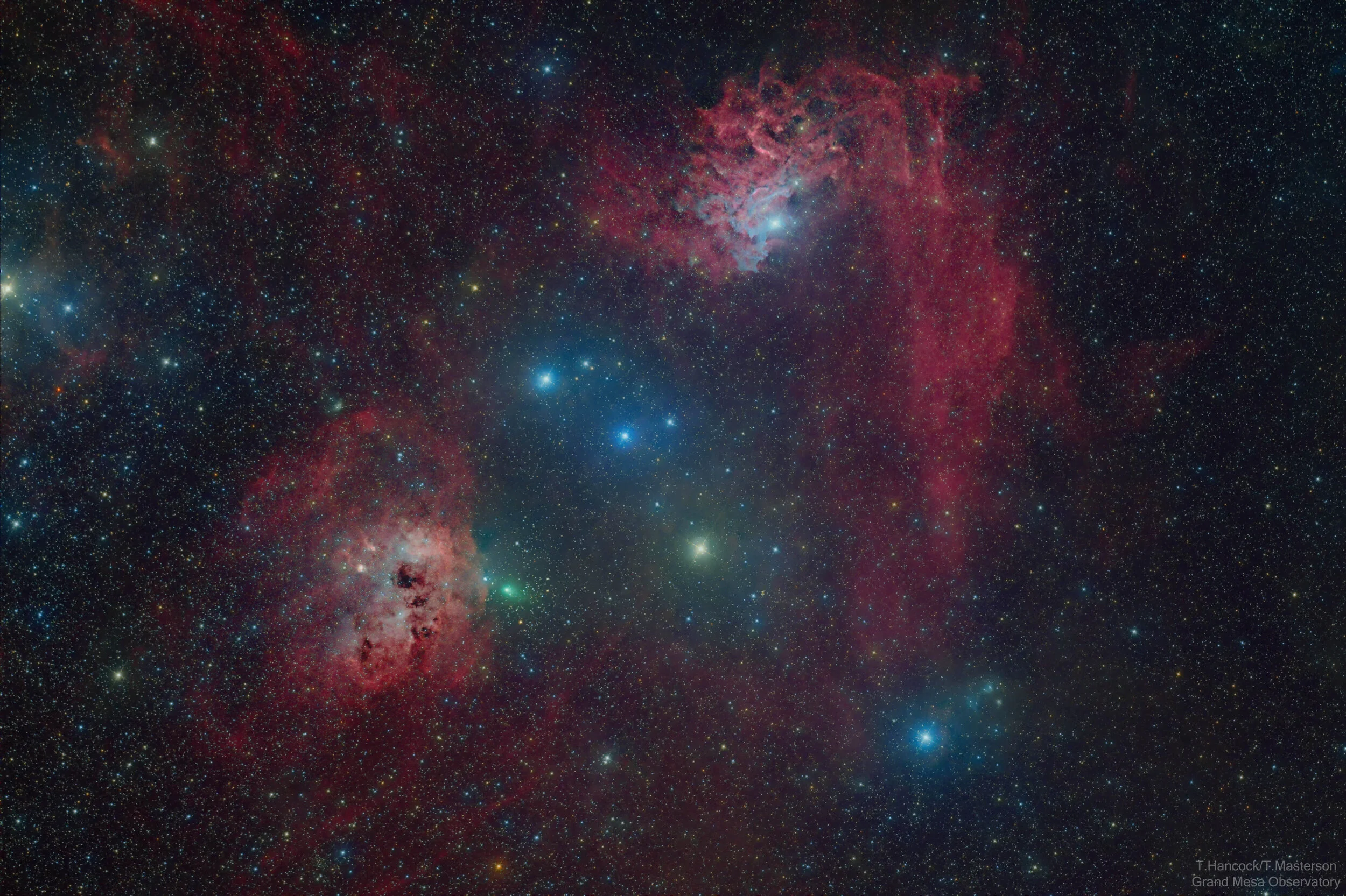
Emerald Comet Visits Colorful Auriga
Image Description and Details :
Comet C/2020 M3 Atlas in emerald green color passes by the main colorful nebula of the Constellation Auriga in this image captured and processed from Grand Mesa Observatory on 12/8/2020 by Terry Hancock and Tom Masterson. This image was captured using QHYCCD’s latest offering the QHY410C Back Illuminated Full Frame one shot color CMOS camera that we have the honor of testing. The main nebulae in this image are the Flaming Star Nebula (IC 405) the comma shaped red and white/purple nebula to the top and right along with the Tadpole Nebula (NGC 1893) located to the center left. Comet C/2020 M3 Atlas is seen almost ‘touching’ the Tadpole Nebula in this image. Distance-wise Comet C/2020 M3 Atlas was a mere 3.74 light-minutes from Earth when this image was captured while the Flaming Star Nebula is about 1,400 light-years distant and further still is the Tadpole Nebula which is roughly 12,400 light-years away. Technical Info:Total Integration time 3.3 hours Location: Grand Mesa Observatory.com Purdy Mesa, Colorado
Date of capture: December 9th, 2020Color RGGB 200 min, 100 x 120 sec Camera: QHY410C Back Illuminated Full Frame Color CMOS Gain 0, Offset 76Read Mode: High Gain Mode Calibrated with Dark, Bias and Flat Frames Optics: Takahashi E-180 Astrograph Image Acquisition software Maxim DL6Pre-Processed in Pixinsight Post Processed in Photoshop
Copyright Information: Terry Hancock and Tom Masterson