

AAPOD2 Image Archives

THE LEO TRIPLET - M65, M66 & NGC 3628
The Leo Triplet, also known as the M66 Group, is a stunning trio of interacting galaxies located about 35 million light-years away in the constellation Leo. This group consists of the spiral galaxies M65, M66, and NGC 3628, each showcasing unique structural features due to their gravitational interactions. M65 and M66 are both bright and prominent, with well-defined spiral arms, while NGC 3628, also known as the Hamburger Galaxy, displays a striking dust lane cutting across its edge-on orientation.
These interactions have led to the formation of tidal tails and distortions in the galaxies' shapes, providing astronomers with valuable insights into galactic evolution and dynamics. The Leo Triplet is a popular target for amateur astronomers and astrophotographers due to its relatively close proximity and the fascinating interplay of its member galaxies, making it a prime example of the cosmic ballet occurring throughout the universe.
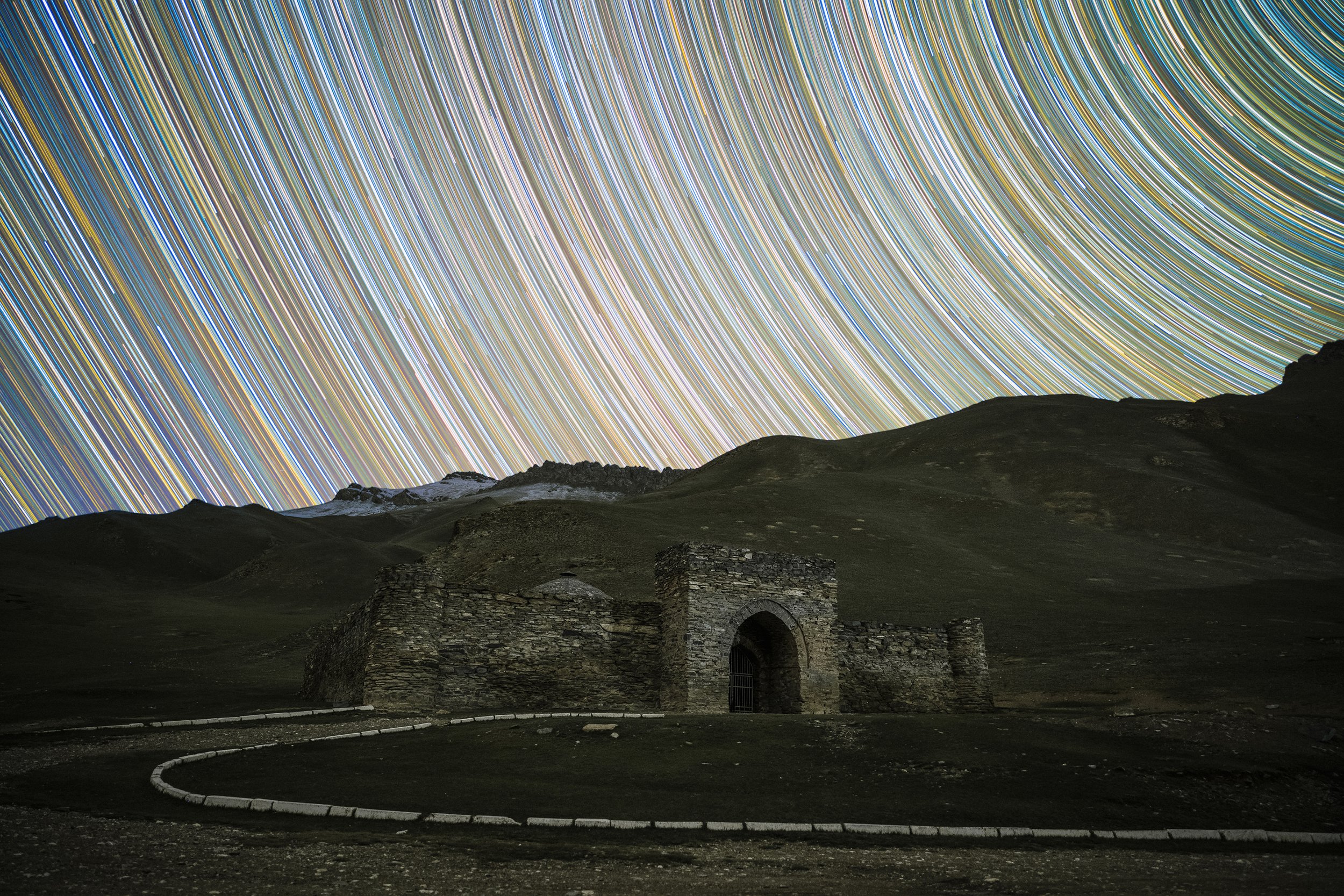
600 Years of Trailing
Star trails over Tash-Rabat, a stone caravanserai built in the 15th century, create a mesmerizing display that reflects the Earth's rotation. Located in the Kyrgyzstan mountains, Tash-Rabat's remote and dark skies provide an ideal setting for capturing the celestial dance. In a long-exposure photograph, the stars appear to trace circular paths around the North Star, Polaris, which remains relatively stationary in the sky due to its alignment with Earth's rotational axis.
The reason the stars trail in circular patterns is because of the Earth's rotation. As our planet spins on its axis, the stars appear to move across the sky from east to west. In the Northern Hemisphere, when looking northward, the stars seem to rotate counterclockwise around Polaris. The closer the stars are to Polaris, the smaller the circles they trace; stars further away from Polaris create larger arcs. This effect is beautifully captured in long-exposure images, showing concentric circles centered on the North Star, which serves as the anchor point in the starry sky over the historic Tash-Rabat.
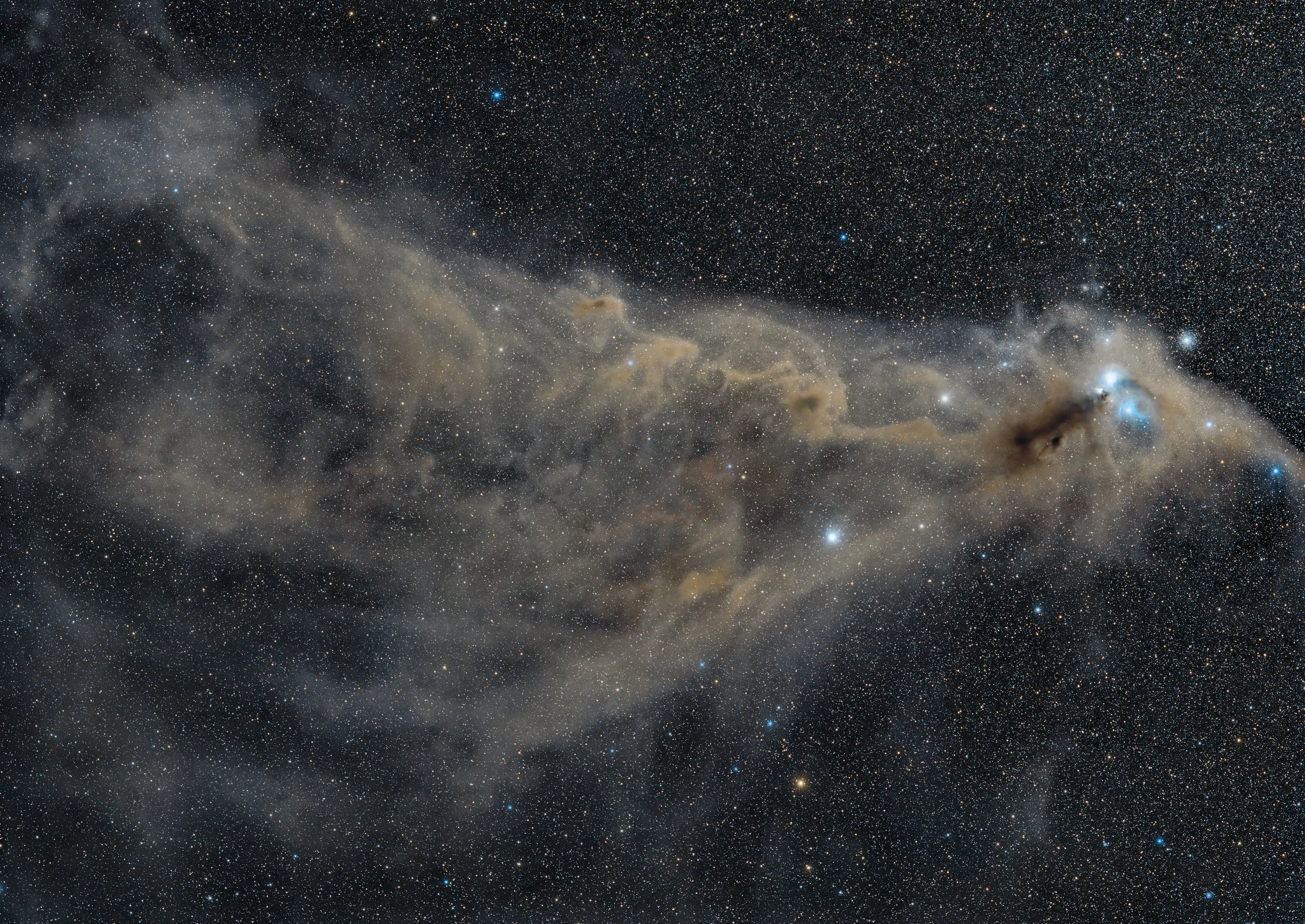
The Corona Australis Nebula
The Corona Australis Nebula, also known as the Corona Australis Molecular Cloud, is a striking dark nebula located in the constellation Corona Australis, approximately 430 light-years from Earth. This region is one of the closest star-forming regions to our solar system and is characterized by its dense molecular clouds that obscure background starlight, creating a dramatic contrast with the surrounding stars. The nebula is notable for its complex structure, featuring dark lanes of interstellar dust and bright reflection nebulae illuminated by young, newly-formed stars within the cloud.
Among the highlights of the Corona Australis Nebula are the reflection nebulae NGC 6726, NGC 6727, and NGC 6729, which are beautifully illuminated by the light of nearby stars. The nebula is also home to the young variable star R Coronae Australis, whose brightness variations add to the region's dynamic appearance. This area of the sky offers a rich field for astrophotographers and astronomers, providing a glimpse into the processes of star formation and the interaction of stellar radiation with the surrounding interstellar medium.
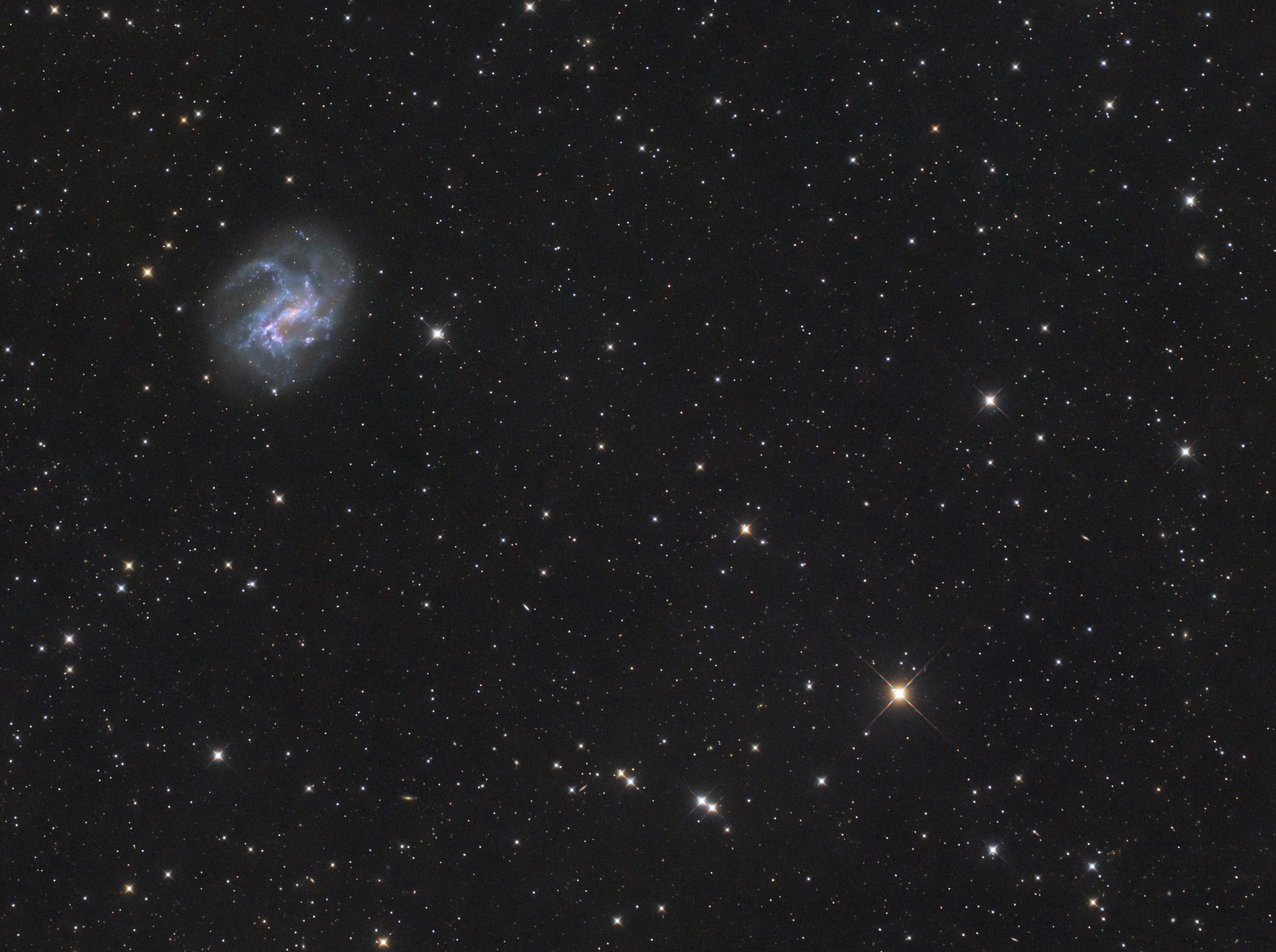
NGC 4395
NGC 4395 is an intriguing spiral galaxy located in the constellation Canes Venatici, approximately 14 million light-years away. Despite its relatively close proximity, NGC 4395 is one of the faintest galaxies in the Messier catalog, making it a challenging target for astronomers. This galaxy is classified as a low-luminosity Seyfert galaxy, hosting an active galactic nucleus (AGN) that emits significant radiation, likely due to a supermassive black hole at its center.
Imaging NGC 4395 from a Bortle 7 suburban location in Cork, Ireland, demonstrates the capabilities of modern astrophotography equipment and techniques. Despite the light pollution, the intricate details of this galaxy's structure, including its loose spiral arms and central region, can be captured. NGC 4395's active nucleus and its faint, extended arms provide a fascinating subject for both professional and amateur astronomers, offering insights into the complexities of galactic formation and evolution.

Messier 63 - Sunflower galaxy
Messier 63 (M63), also known as the Sunflower Galaxy, is a striking spiral galaxy located approximately 27 million light-years away in the constellation Canes Venatici. It was discovered by the French astronomer Pierre Méchain in 1779 and later included in Charles Messier's catalog of deep-sky objects. M63 is part of the M51 Group, a collection of galaxies that includes the famous Whirlpool Galaxy (M51).
M63 is notable for its flocculent spiral structure, characterized by many short, patchy spiral arms rather than the grand design seen in other spirals like M51. These arms are dotted with star-forming regions and clusters of young, blue stars, giving the galaxy its sunflower-like appearance. Recent studies have also revealed faint outer arms, suggesting M63 has undergone interactions with neighboring galaxies, influencing its structure and star formation activities.
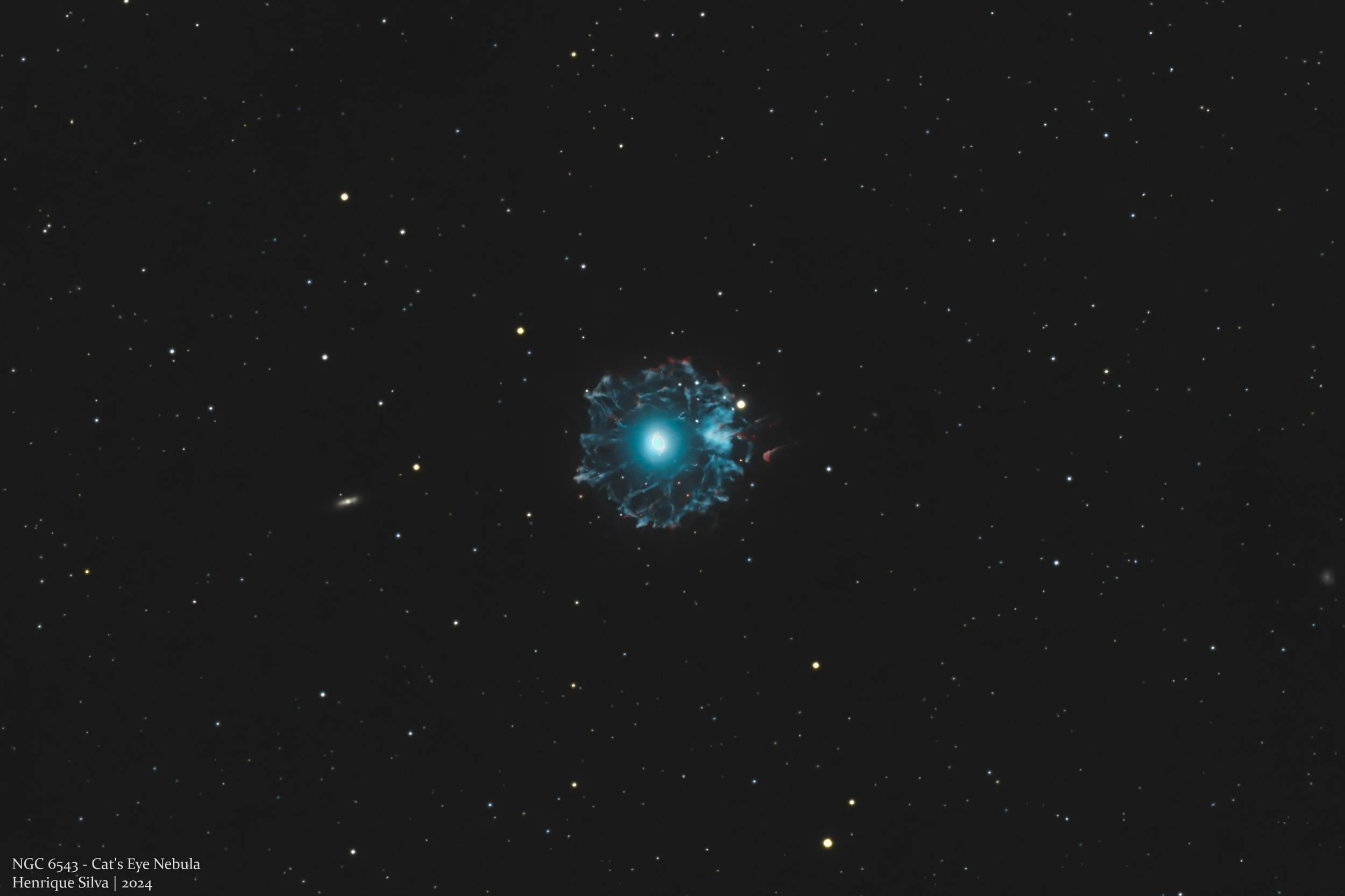
NGC 6543 - Cat's Eye Nebula
NGC 6543, commonly known as the Cat's Eye Nebula, is a striking planetary nebula located in the constellation Draco, approximately 3,300 light-years from Earth. This nebula is one of the most complex planetary nebulae known, featuring intricate structures including concentric shells, jets, and knots of high-density gas. The central star, a dying red giant, has shed its outer layers, creating the glowing shell of ionized gas visible in detailed telescopic images.
The Cat's Eye Nebula is particularly noted for its rich array of colors, which are caused by different types of ionized gases. For example, the blue-green hues are from oxygen, while the reddish tones come from hydrogen and nitrogen. This nebula serves as a key object of study for understanding the end-of-life stages of medium-sized stars and the complex processes involved in the creation of planetary nebulae.
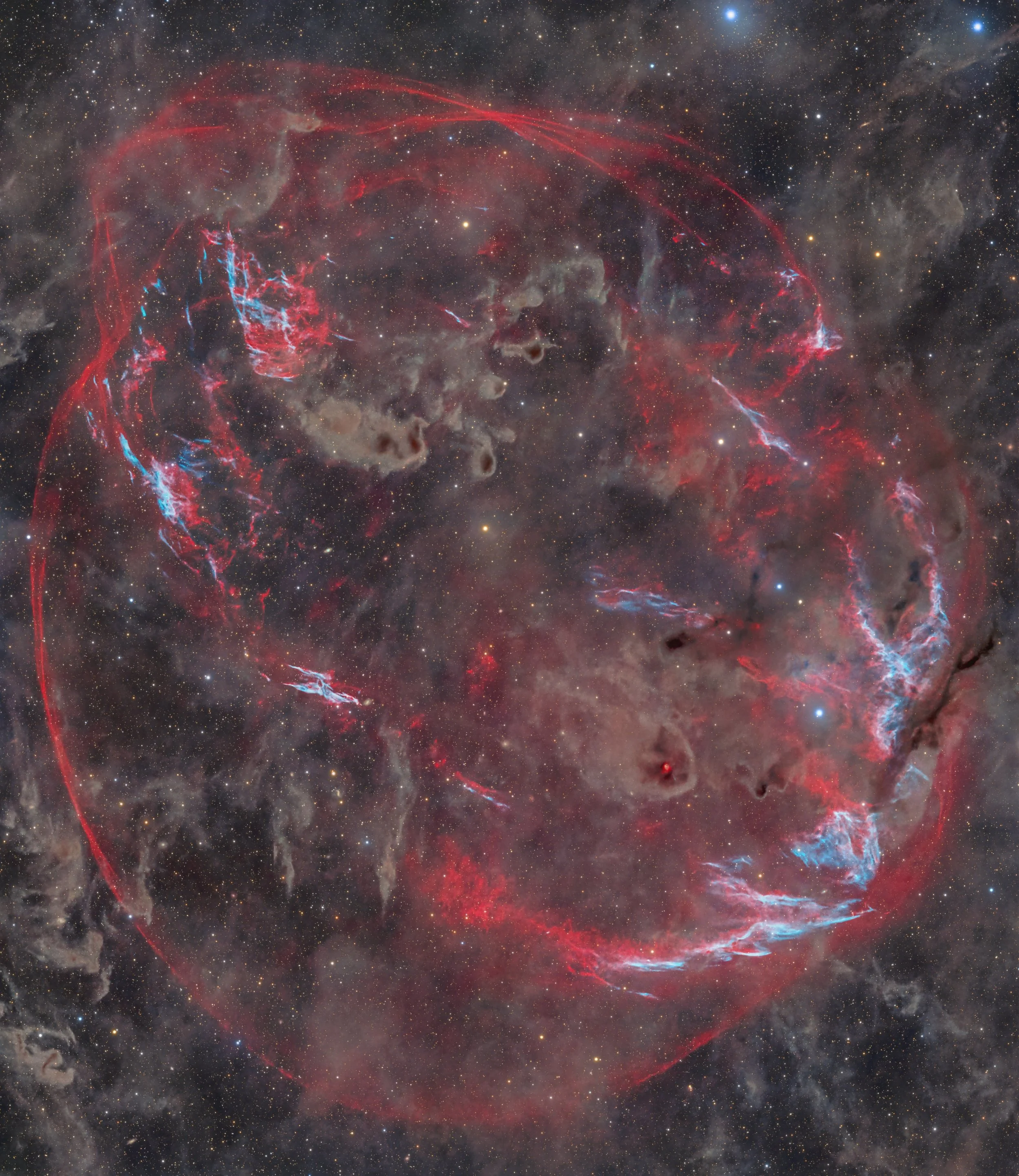
DSC – SNR G156.2+5.7 - The aftermath of a Star's Death
Supernova Remnant G156.2+5.7 (SNR G156.2+5.7), also known as SNR156, is an intriguing and relatively faint supernova remnant located in the constellation Camelopardalis. This remnant, spanning roughly 90 light-years in diameter, is a testament to the explosive death of a massive star, which occurred thousands of years ago. Its delicate filamentary structures are composed primarily of ionized hydrogen and other gases, which emit light as they interact with the surrounding interstellar medium.
SNR G156.2+5.7 is particularly notable for its relatively low surface brightness, making it a challenging target for observation. Studies of SNR156 have provided valuable insights into the dynamics of supernova remnants, including the mechanisms of shockwave propagation and the subsequent heating and ionization of interstellar material. Its discovery and subsequent analysis highlight the importance of advanced imaging techniques in unveiling the hidden details of such faint astronomical objects.
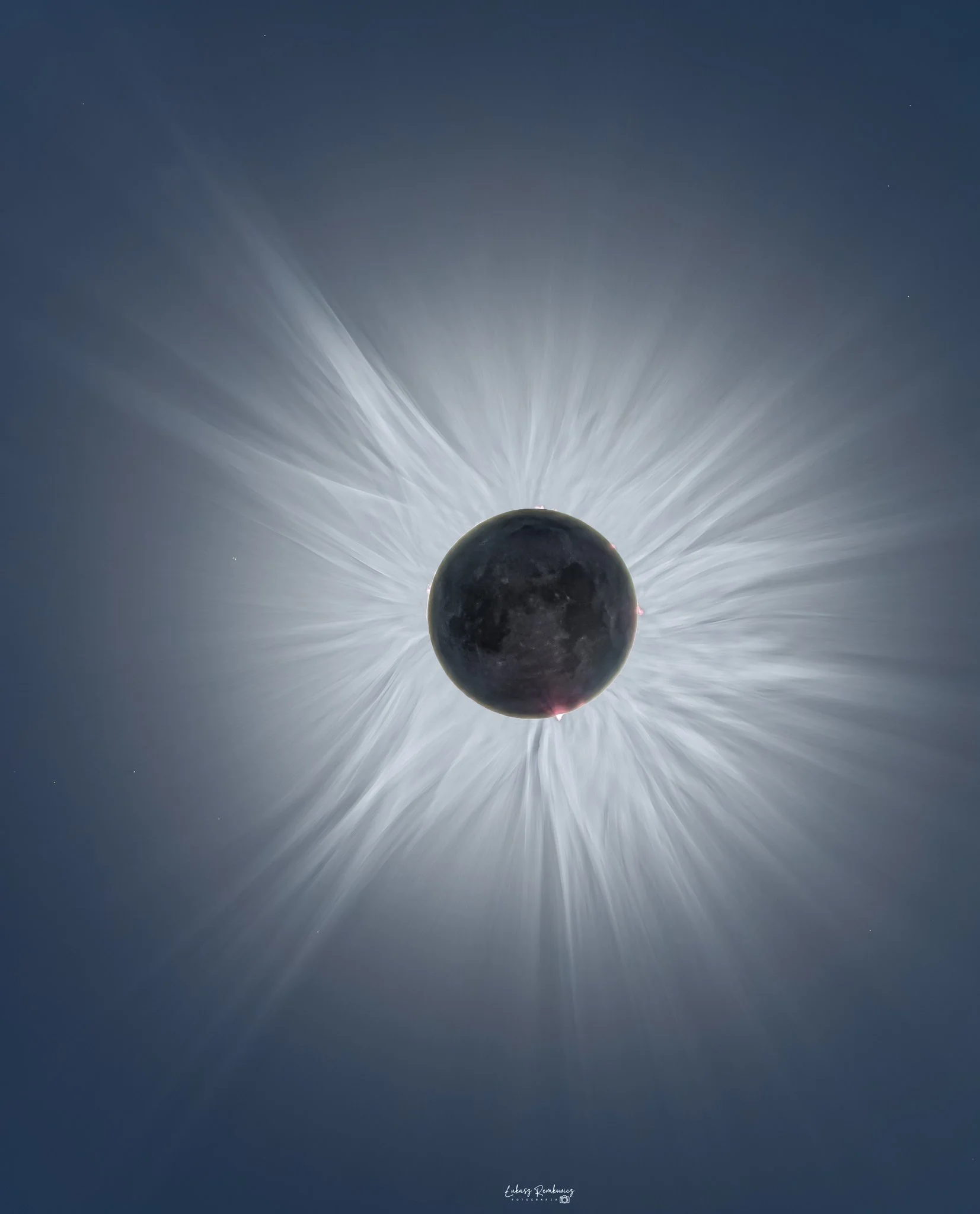
Solar Total Eclipse (HDR)
This HDR composite image of the Solar Total Eclipse, photographed in Arkansas, USA, captures the celestial event in stunning detail. The image is a blend of nine different exposures, ranging from 1/200 to 1.3 seconds, meticulously combined to reveal the intricate details of the eclipse. Visible in the photograph are the moonshine, the Sun's corona, and several solar protuberances, showcasing the dynamic interplay between the Moon and the Sun during this rare alignment.
The blending of multiple exposures allows for a comprehensive view of the eclipse, balancing the brightness of the Sun's corona with the subtle glow of the moonshine. The Sun's corona, the outermost part of its atmosphere, appears as a halo of plasma, visible only during a total solar eclipse. The solar protuberances, or prominences, are large, bright features extending from the Sun's surface, composed of hot ionized gases. This detailed capture not only highlights the beauty of the eclipse but also provides a scientific glimpse into the complex phenomena occurring in our solar system.
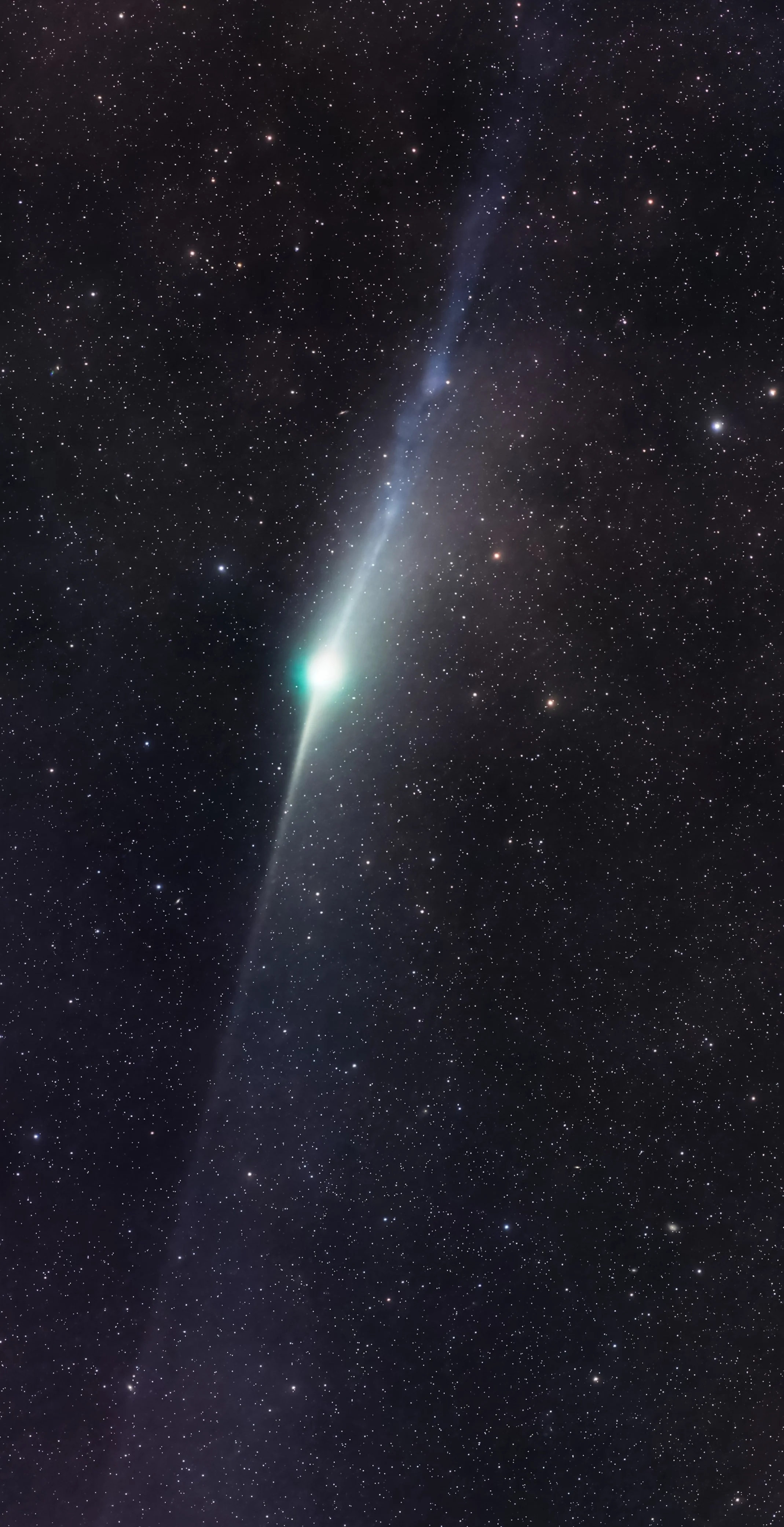
A Blade in the Sky (12P/Pons-Brooks)
Comet 12P/Pons-Brooks, discovered by Jean-Louis Pons and William Robert Brooks, is currently putting on a spectacular show in the night sky. This comet, with its characteristic bright coma and long, luminous tail, has earned the nickname "the Blade" due to its distinctive, sharp appearance against the backdrop of the cosmos. The tail of the comet, composed of dust and gas, stretches across the sky, reflecting sunlight and creating a mesmerizing display.
As 12P/Pons-Brooks traverses its highly elliptical orbit around the Sun, it offers a unique opportunity for both amateur and professional astronomers to study its composition and behavior. Comets like Pons-Brooks are considered ancient relics from the early solar system, providing valuable insights into the conditions and materials present during its formation. Observing this celestial spectacle not only brings beauty to the night sky but also contributes to our understanding of the solar system's history.

Milky Way and STEVE
STEVE, or Strong Thermal Emission Velocity Enhancement, is a fascinating atmospheric phenomenon distinct from typical auroras. Unlike the common green and red hues of auroras caused by charged particles from the solar wind interacting with Earth's magnetic field, STEVE appears as a purplish arc with "picket fence" structures of green light. This phenomenon has intrigued scientists and citizen scientists alike, leading to its formal identification and study in recent years.
STEVE occurs at lower latitudes compared to traditional auroras and is associated with high-speed streams in the upper atmosphere. The exact mechanisms behind STEVE are still under investigation, but it is believed to involve different physical processes, possibly related to ionospheric heating and particle precipitation. Observations of STEVE, often captured by amateur photographers and skywatchers, provide valuable data that help scientists better understand the complex interactions between solar activity and Earth's magnetosphere.

The Cat's Eye Galaxy
Messier 94 (NGC 4736) is a striking spiral galaxy located approximately 16 million light-years away in the constellation Canes Venatici. This galaxy is known for its bright, star-forming ring, which surrounds a prominent central region. The ring is an area of intense star formation, giving M94 its unique and vibrant appearance. The galaxy's tightly wound spiral arms and bright nucleus make it a popular target for both professional and amateur astronomers.
One of the interesting features of M94 is its classification as a double-ringed galaxy, with an inner ring of young, hot stars and an outer ring that is more diffuse. The galaxy's inner region is dominated by older stars and shows little evidence of star formation. The distinct rings are thought to be caused by waves of density propagating through the galaxy, compressing gas and triggering star formation as they go. This fascinating structure offers valuable insights into the dynamics of spiral galaxies and the processes that drive star formation.
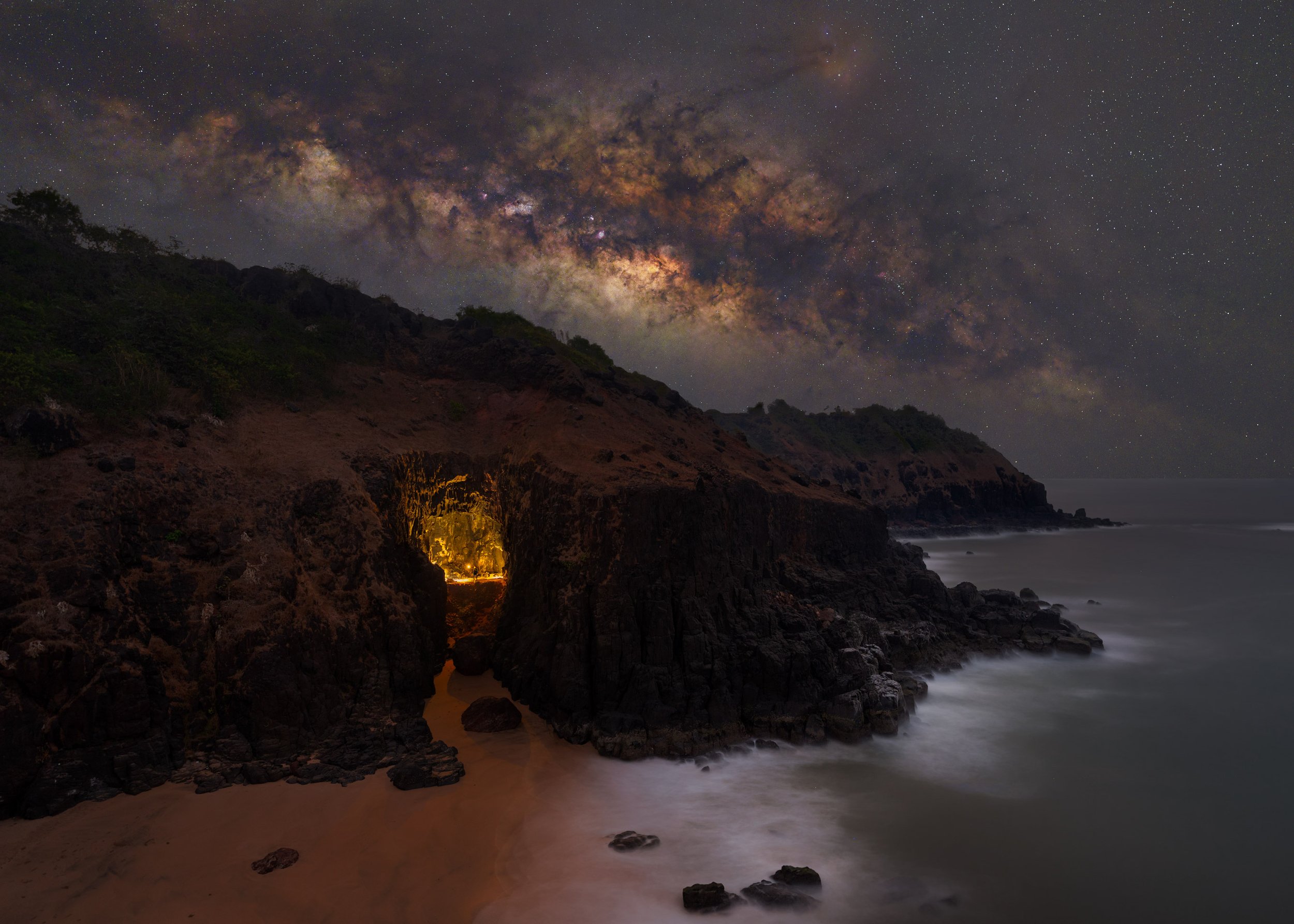
Milky way rising above Devgali Beach
Equipped with my newly acquired Sony 20mm FE 1.8 G lens, paired with Sony a7IV, I was eager to test my new lens. The setup included a Silence Corner Atoll S rotating collar, an iOptron SkyGuider Pro star tracker, and a brand new Leofoto LS-364C carbon fiber tripod, along with an LB75 leveling base, LH40 ball head, and VH30R 2-way pano head. I was excited to test all this new gear. Santanu Sir generously provided the iOptron SkyGuider Pro star tracker, a crucial tool for our astrophotography. Learning to use the star tracker was a challenge, especially finding Polaris through the polar scope and achieving polar alignment. It felt like a game of hide-and-seek. Santanu Majumder Sir patiently guided me, and together, we aligned our setup with precision.
After capturing the mesmerizing Milky Way rising above the hill and sea, we decided to add a unique element to our composition. The landscape featured a remarkable combination of hills and sea, with a beachside cave. We had scouted the cave during the day, finding it challenging to reach even in daylight, but I decided to go there at night. We were on a higher platform opposite the cave, a table point where we had been shooting the Milky Way.

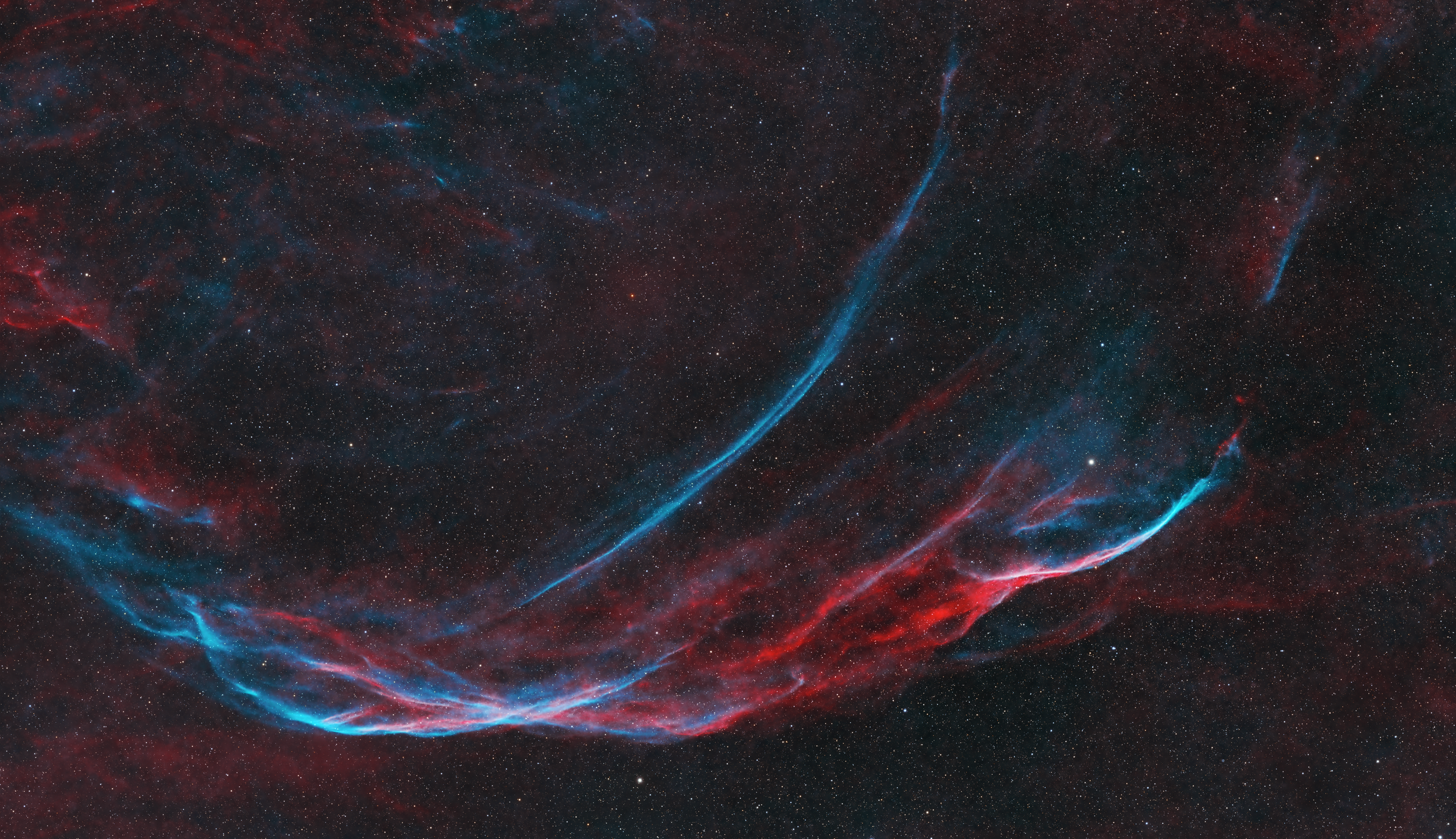
SH2-91: The Other Veil
Sh2-91 is a faint and intricate supernova remnant located in the constellation Cygnus, also known as the Network Nebula. This remnant is part of a larger supernova event that occurred thousands of years ago, scattering stellar material across the region. It is characterized by its delicate filaments of gas and dust, glowing predominantly in hydrogen-alpha light, which creates a striking visual of interwoven tendrils against the backdrop of the Milky Way.
The distance to Sh2-91 is estimated to be around 2,600 light-years from Earth. This remnant is particularly interesting to astronomers due to its complex structure and the insights it provides into the aftermath of supernova explosions. The remnants of the progenitor star interact with the surrounding interstellar medium, offering clues about the life cycle of stars and the dynamics of supernova remnants. Sh2-91, with its ethereal appearance, is a testament to the powerful and violent processes that shape our galaxy.
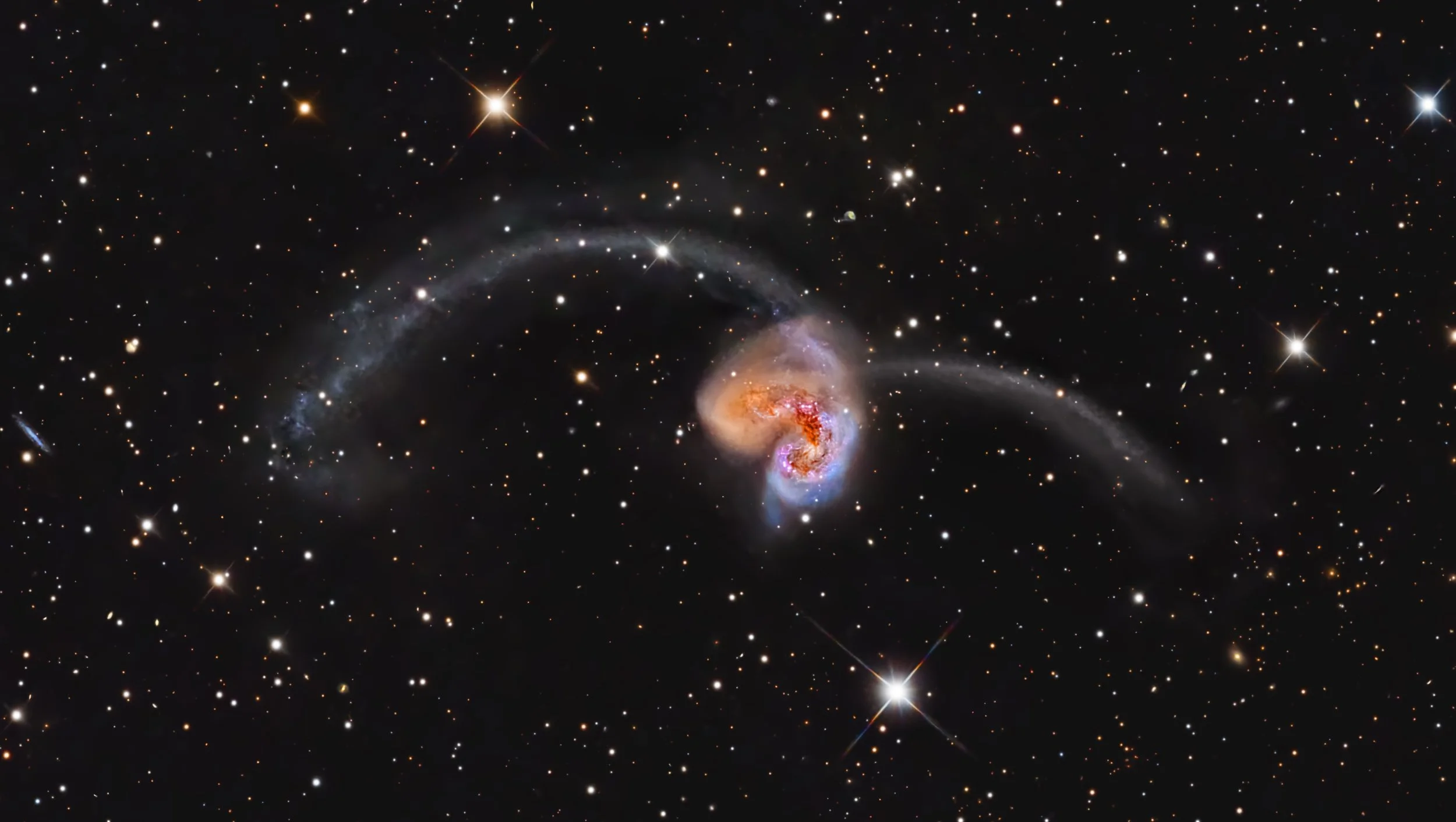
Colliding Spirals - NGC 4038 & 4039 - The Antennae Galaxies
NGC 4038 and NGC 4039, collectively known as the Antennae Galaxies, are a pair of colliding spiral galaxies located about 60 million light-years away in the constellation Corvus. These galaxies are named for their long, antenna-like tidal tails of stars and gas, formed by the gravitational forces of their interaction. This cosmic collision has been ongoing for hundreds of millions of years, resulting in spectacular formations and triggering intense regions of star formation.
The Antennae Galaxies provide a vivid snapshot of galactic evolution and the processes that occur when galaxies merge. The collision has compressed vast clouds of gas and dust, leading to the birth of new stars and massive star clusters, some of which are among the brightest and most massive known. Observations in various wavelengths, from visible light to X-rays, reveal the complex structure and dynamic activity within these interacting galaxies, offering valuable insights into the life cycles of galaxies and the role of cosmic collisions in shaping the universe.
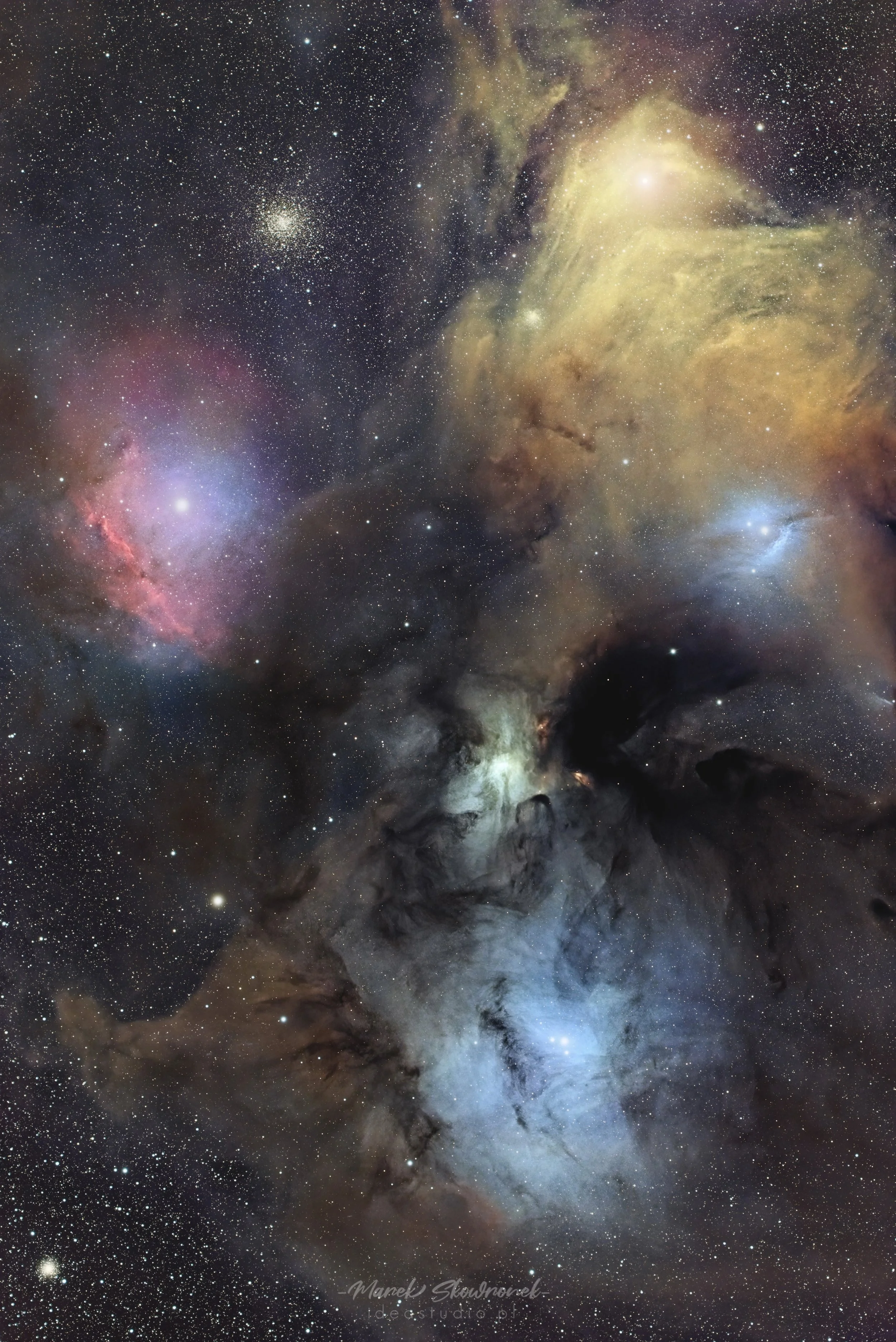
Complex Ro Ophiuchi
The Complex Ro Ophiuchi, one of the most striking and vivid regions in the Milky Way, dazzles with its intricate interplay of dust, gas, and starlight. This star-forming region, located about 460 light-years away in the constellation Ophiuchus, showcases a remarkable tapestry of colors and textures. The image reveals a rich canvas where deep, dark nebulae contrast sharply with bright, reflective regions illuminated by newborn stars. The vibrant blues and reds hint at the presence of hot, young stars and their energetic interactions with the surrounding interstellar medium. This dynamic environment is a hotbed of stellar activity, where the forces of gravity and radiation shape and mold the cosmic landscape into a mesmerizing celestial masterpiece.
In the heart of the Ro Ophiuchi complex lies the brilliant star Rho Ophiuchi, whose intense light scatters off the nearby dust, creating a striking reflection nebula. The dense clouds of dust and gas are not just picturesque but are also fertile grounds for star formation. Within these obscuring veils, protostars are born, eventually emerging as fully-fledged stars that will light up the galaxy. This region's proximity and activity make it an invaluable laboratory for studying the early stages of stellar evolution. Through this breathtaking image, we get a glimpse into the ongoing processes that have shaped our own solar system, revealing the timeless beauty and complexity of the universe.
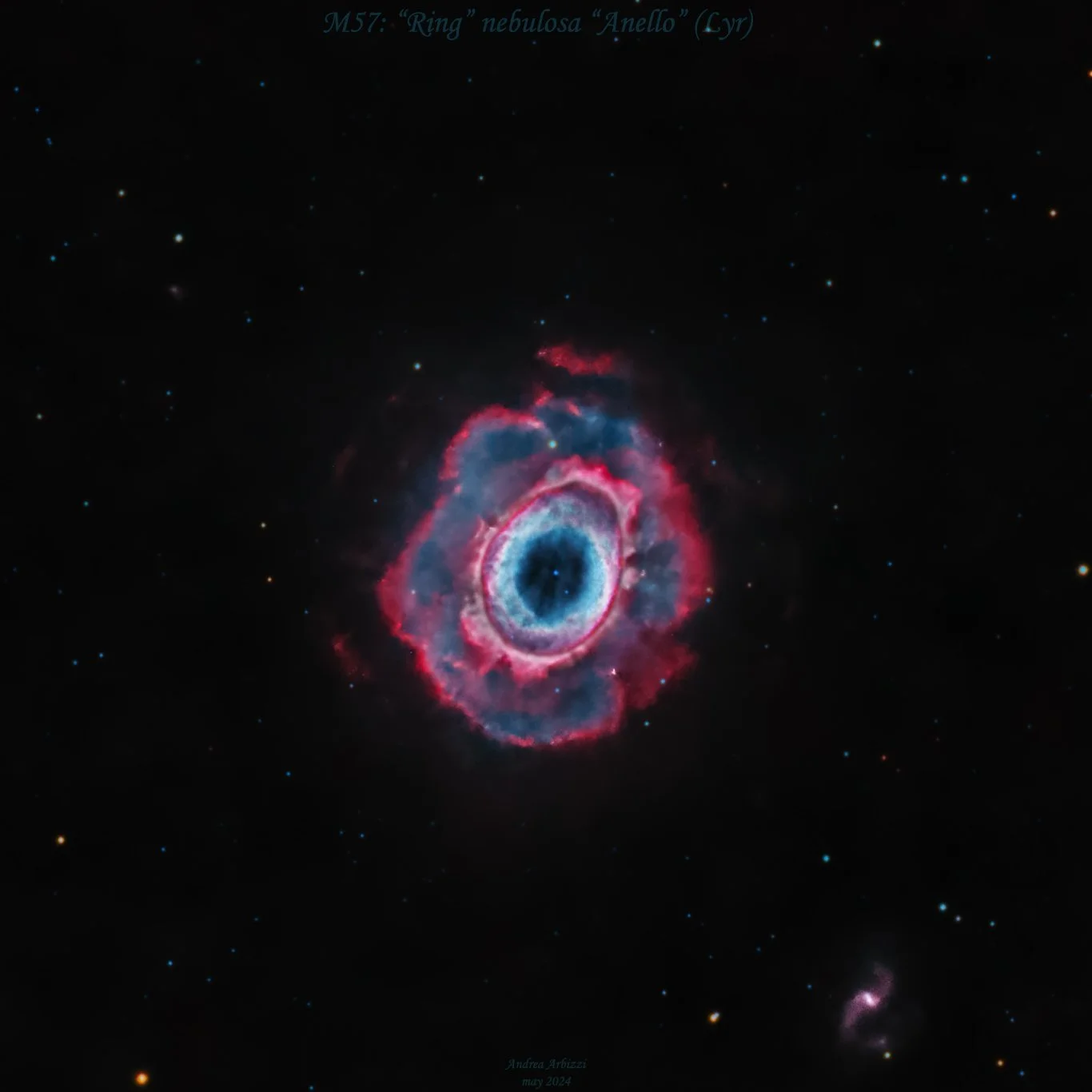
M57: The Ring nebula
The Ring Nebula, also known as Messier 57 (M57), is a classic planetary nebula located in the constellation Lyra, about 2,300 light-years away from Earth. This nebula is the remnants of a star similar in mass to the Sun, which shed its outer layers as it reached the end of its life cycle. The expelled material forms the characteristic glowing ring, while the hot core of the star, now a white dwarf, illuminates the nebula from within.
M57 is a well-studied object due to its bright and distinctive appearance, making it a popular target for both amateur and professional astronomers. The nebula's ring structure is primarily composed of ionized hydrogen and helium, which emit light in vivid colors, typically seen in red and green hues through telescopes. Observations have revealed intricate details within the nebula, including knots and filaments of gas, which provide insights into the processes of stellar evolution and the dynamic interactions between the ejected material and the surrounding space.
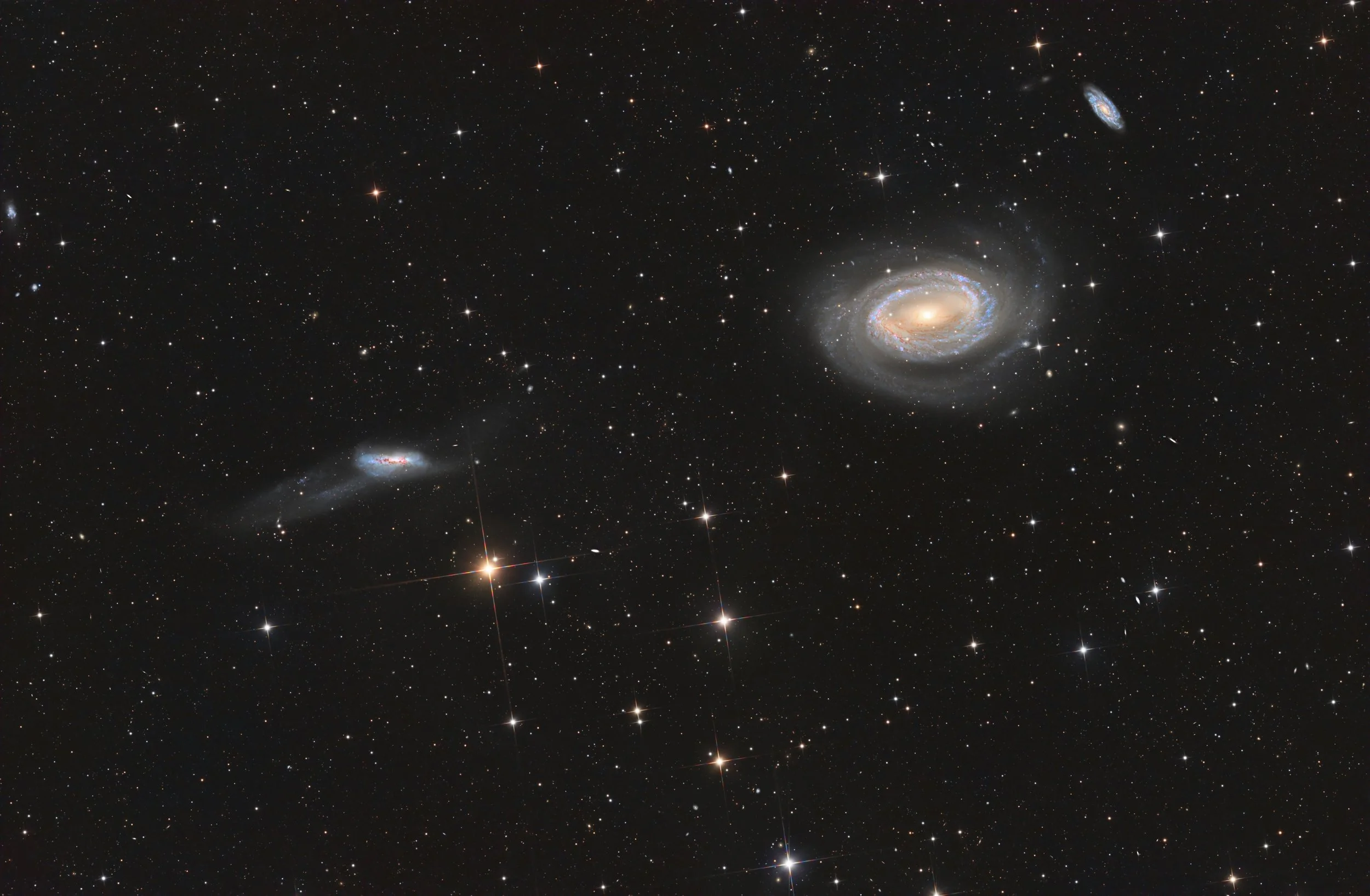
ARP 159 and NGC 4725
ARP 159
ARP 159 is a striking pair of interacting galaxies located in the constellation of Lynx. This system features a peculiar, distorted structure resulting from the gravitational interactions between the galaxies. The larger galaxy exhibits a warped, elongated shape with prominent tidal tails, indicating a past collision or close encounter with its smaller companion. These interactions often trigger bursts of star formation, evident from the bright blue regions within ARP 159, where new stars are being born. This dynamic interplay provides astronomers with a valuable opportunity to study the effects of galactic mergers and the evolution of galaxies over cosmic timescales.
NGC 4725
NGC 4725 is a unique barred spiral galaxy situated in the constellation of Coma Berenices. Unlike typical spiral galaxies, NGC 4725 possesses a single, prominent spiral arm extending from a central bar structure. This distinctive feature makes it an object of interest in the study of galactic morphology and dynamics. The galaxy's core is bright and active, hosting regions of intense star formation. Additionally, NGC 4725 is known for its Seyfert 2 nucleus, indicating the presence of an active galactic nucleus powered by a supermassive black hole. This galaxy offers insights into the complex processes governing the formation and evolution of spiral structures and the role of central bars in galactic development.
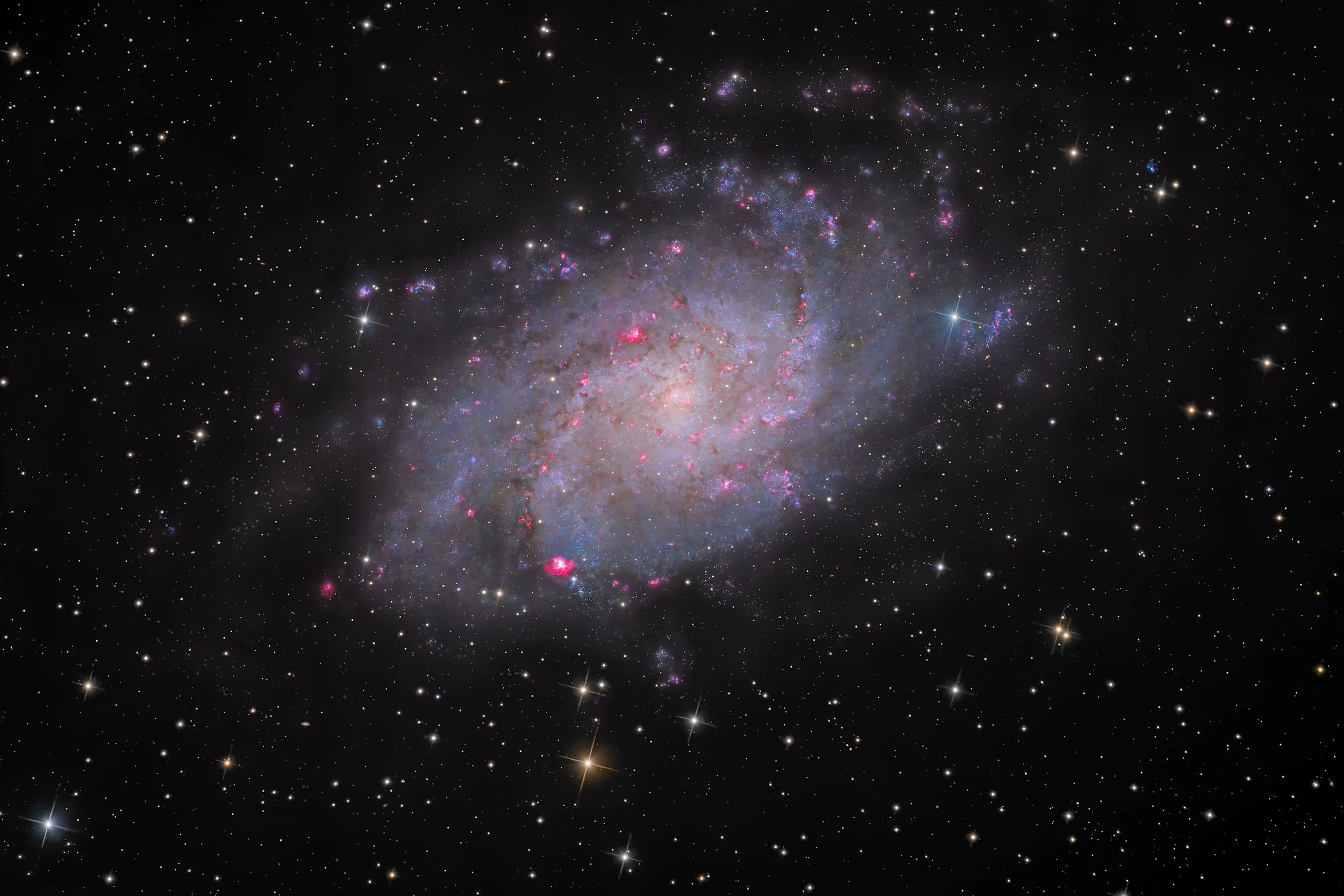
M 33 - Triangulum Galaxy (HaOIII-RGB)
The Triangulum Galaxy (M33) is located approximately 3 million light-years away in the constellation Triangulum. This galaxy is teeming with beautiful and intricate structures that captivate both amateur and professional astronomers alike. Its grand spiral arms are adorned with stunning star clouds and intricate dust lanes, which add to its visual splendor and scientific interest.
Particularly noteworthy are the galaxy's numerous nebulae, rich in hydrogen-alpha (Ha) and doubly ionized oxygen (OIII) emissions. These nebulae, often glowing in both Ha and OIII light, highlight regions of intense star formation. Observing these features in the Triangulum Galaxy not only provides a dazzling display of cosmic beauty but also offers valuable insights into the processes of star birth and galactic evolution.
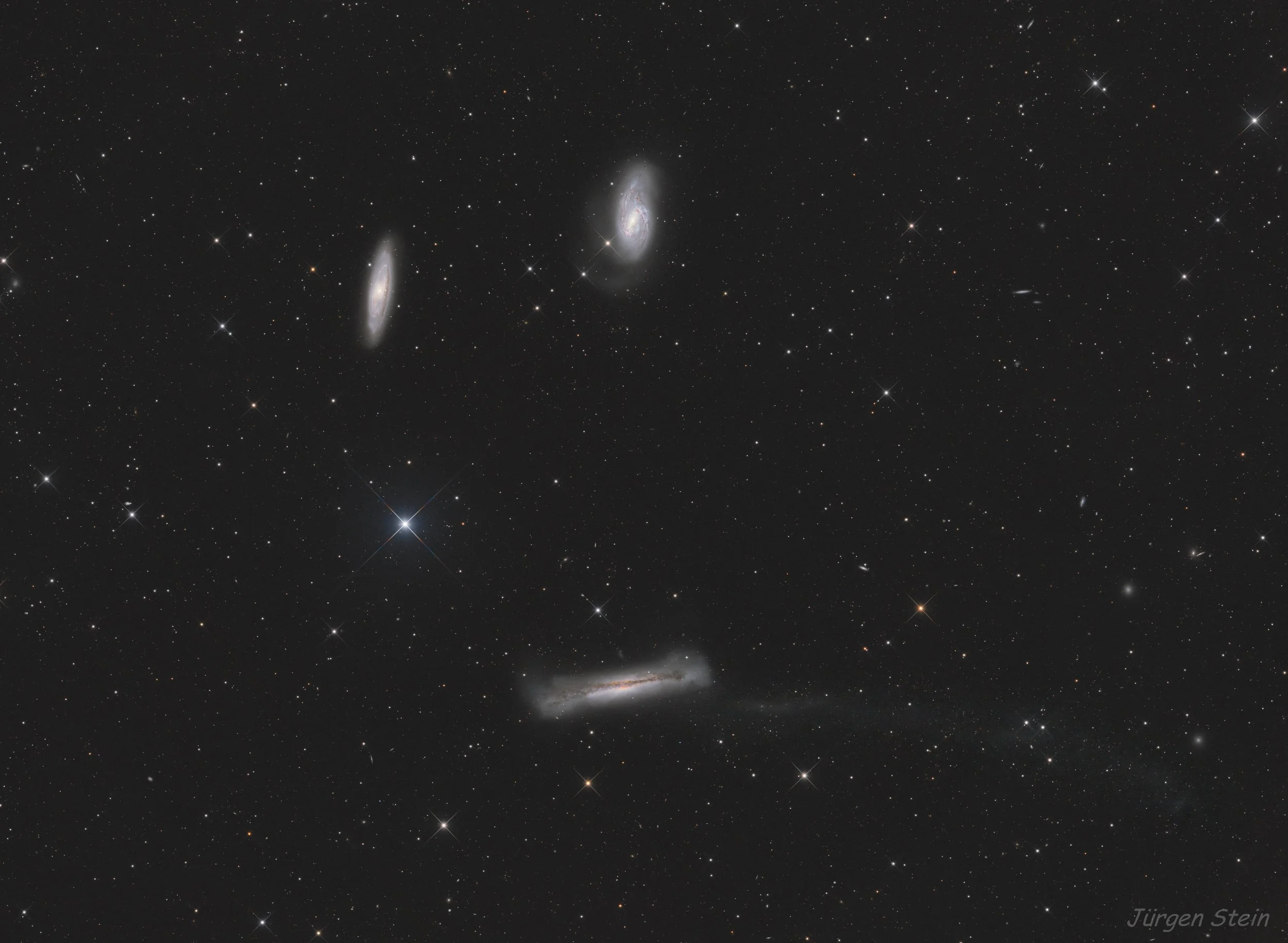
Leo Triplet with tidal tail
The Leo Triplet, also known as the M66 Group, is a stunning collection of three interacting spiral galaxies located about 35 million light-years away in the constellation Leo. This trio comprises the galaxies M65, M66, and NGC 3628. The gravitational interactions between these galaxies create fascinating tidal features, most notably the prominent tidal tail extending from NGC 3628. This tail is composed of stars and gas pulled out from the galaxy due to the gravitational forces exerted by its neighbors.
In this image, the delicate structure of the tidal tail is beautifully captured, highlighting the dynamic nature of galactic interactions. The Leo Triplet offers a unique opportunity to observe the effects of gravitational forces on galaxy morphology and evolution. Detailed imaging and study of these features help astronomers understand the processes that shape galaxies and the role of tidal interactions in galactic development. Observing the Leo Triplet with such clarity provides not only a visually striking display but also a wealth of scientific insights into the mechanics of our universe.